
Welcoming a baby into your life can be one of the most beautiful experiences, but it may also feel unexpectedly overwhelming. Little sleep, hormonal changes, and the constant demands of caring for a newborn make many women struggle with emotions that do not match up to the joy they expected to feel.
If you have continuously felt sad, anxious, or disconnected since the birth of your baby, you are not alone. These are some of the signs of postpartum depression, which is a common, yet treatable condition affecting both emotional and physical health. The good news is that with understanding, support, and proper care, recovery is entirely possible.

Postpartum depression is a serious mood disorder that can develop in women of childbearing age, typically within the first few weeks to months after childbirth. It's different from the "baby blues," which most women experience shortly after delivery and which typically fade within two weeks.
Whereas the baby blues cause mild sadness or tearfulness, postpartum depression is much more intense and lasts longer. It interferes with daily functioning, relationships, and the bonding with the baby. PPD affects emotional, mental, and even physical well-being; thus, the early recognition of symptoms and timely care becomes crucial.
Each woman experiences differently, but these postpartum depression symptoms are most likely:
● Heavy sadness or emptiness, feeling depressed or hopeless most of the day
● Loss of interest or pleasure in activities that were fun previously
● Getting easily upset and often get angry over little things
● Feelings of guilt or worthlessness, or a feeling of failure, feeling like you are not doing enough
● Difficulty bonding with the baby
● Finding it hard to either start sleeping despite feeling tired, or sleeping too much.
● Feeling extremely tired, which doesn't go away with rest.
● Appetite changes, either eating in large or much smaller amounts
● Body aches and restlessness.
In severe cases, some women may even have thoughts about harming themselves or hurting the baby. These are thoughts that require immediate medical attention, not as a reflection of who you are but as a symptom of a treatable condition.
If these symptoms persist for more than two weeks or get worse with time, they are more likely to be signs of postpartum depression, not the transient baby blues.
Postpartum depression results from a combination of biological, emotional, and social factors.
After delivery, there is a rapid decrease in estrogen and progesterone. These changes can cause dramatic mood swings: sadness, anxiety, or irritability.
It is recovery from childbirth, sleep deprivation, and the demands of caring for a newborn that deplete energy and lower mental resilience.
Pressure to "be happy," societal expectations, or lack of emotional support can worsen emotional distress.
Women who have had any history of depression, anxiety, or trauma are at an increased risk of developing PPD.
Complications in labour, premature birth, and health problems with the baby can be additional factors contributing to an emotionally adverse postpartum period.
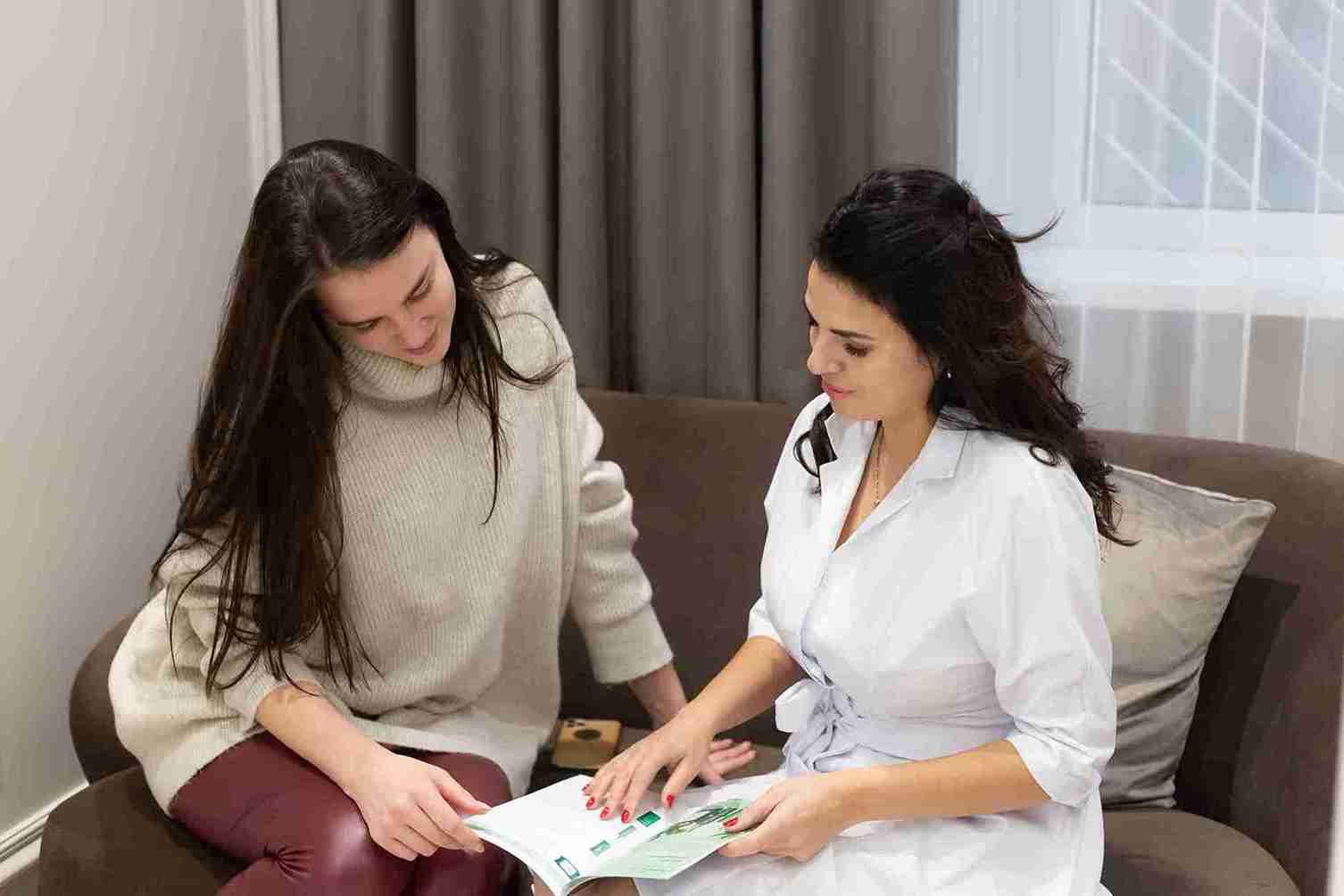
With proper support and professional care, postpartum depression is eminently treatable. Generally, it is possible to help mothers recover effectively with the help of medical treatment, emotional support, and lifestyle-based approaches combined.
These will usually be the first-line treatments for postpartum depression: psychological treatments such as cognitive behavioural treatment and talk therapy. These therapies aid in recognising negative thought patterns and help replace them with healthy coping strategies.
Antidepressant medications are usually prescribed for moderate to severe symptoms. Physicians will often choose medicines that are safe during lactation and effectively stabilise mood.
It reduces feelings of isolation because it connects a person with others who have gone through the same experience.
Rest, proper nutrition, light exercises if so advised by a physician, and mindfulness training can help attain emotional balance.
Recovery is thus eminently aided by having a supporting partner and family. Responsibilities shared, empathy, reassurance-all these can alleviate much stress and emotional fatigue.
Talk openly about your feelings; silence can make symptoms worse.
● Ask for help when you need it; accepting support is a strength, not a weakness.
● Avoid isolation and connect with trusted friends, family, or support groups.
● Focus on little self-care habits: brief naps, walks, and proper nutrition can make all the difference.

Family members and partners can be invaluable during your recovery. They may:
● Recognise the early signs of postpartum depression, and encourage seeking help.
● Provide emotional reassurance and share daily tasks.
● Be non-judgmental and patient; it takes time to heal.
Seek professional help if:
● Symptoms last longer than two weeks.
● You feel you cannot take care of yourself or your baby.
● There are thoughts of self-harm or hopelessness.
Remember, seeking help is a sign of strength and an important step toward recovery.
At Cloudnine, we understand that emotional wellness is equally important as physical recovery post-childbirth. A team of gynaecologists, counsellors, and mental health specialists offers empathetic, confidential, and evidence-based care for postpartum depression. From early screening and counselling to personalised postpartum depression treatment plans, we support women through each stage of recovery with empathy and expertise.
Cloudnine’s holistic approach ensures that you don't just heal but thrive, regain emotional balance, and emerge confident into your new journey.

Postpartum depression is real, it's common, and it's completely treatable. Understanding the postpartum depression symptoms and timely care can make recovery smoother and faster. Book a consultation with Cloudnine experts today to receive compassionate support, personalised treatment, and the guidance you need to embrace this new phase with confidence and peace of mind.

Seek professional help early because therapy, support groups, and sometimes medication are very important in boosting recovery.
Symptoms tend to improve with treatment within weeks to months, but early intervention ensures quicker healing.
The first two weeks may be most difficult because of hormonal changes and sleep deprivation, but symptoms beyond that could indicate PPD.
It generally starts within 2–8 weeks after delivery, but it can occur at any time in the first year.







 Best Gynecologists in Bellandur Best Gynecologists in Electronic City Best Gynecologists in HRBR LayoutBest Gynecologists in Jayanagar Best Gynecologists in Kanakapura RoadBest Gynecologists in Malleswaram Best Gynecologists in Nagarbhavi Best Gynecologists in Old Airport RoadBest Gynecologists in Sahakarnagar Best Gynecologists in Sarjapur RoadBest Gynecologists in ThanisandraBest Gynecologists in Varthur RoadBest Gynecologists in Whitefield Best Gynecologists in Industrial Area Phase IIBest Gynecologists in OMRBest Gynecologists in T NagarBest Gynecologists in New Industrial TownBest Gynecologists in IndirapuramBest Gynecologists in Golf Course RoadBest Gynecologists in Sector 14Best Gynecologists in Sector 47Best Gynecologists in Banjara HillsBest Gynecologists in GachibowliBest Gynecologists in Hitech CityBest Gynecologists in KompallyBest Gynecologists in Gomti NagarBest Gynecologists in MaladBest Gynecologists in NerulBest Gynecologists in VashiBest Gynecologists in Kailash ColonyBest Gynecologists in PatparganjBest Gynecologists in Punjabi BaghBest Gynecologists in VikaspuriBest Gynecologists in Gaur CityBest Gynecologists in Pari ChowkBest Gynecologists in Sector 51Best Gynecologists in Sector 5 Swastik ViharBest Gynecologists in Kalyani NagarBest Gynecologists in SB RoadBest Gynecologists in Pimple SaudagarBest Pediatricians in BellandurBest Pediatricians in Electronic CityBest Pediatricians in HRBR LayoutBest Pediatricians in JayanagarBest Pediatricians in Kanakapura RoadBest Pediatricians in MalleswaramBest Pediatricians in NagarbhaviBest Pediatricians in Old Airport RoadBest Pediatricians in SahakarnagarBest Pediatricians in Sarjapur RoadBest Pediatricians in ThanisandraBest Pediatricians in Varthur RoadBest Pediatricians in WhitefieldBest Pediatricians in Industrial Area Phase IIBest Pediatricians in OMRBest Pediatricians in T NagarBest Pediatricians in New Industrial TownshipBest Pediatricians in IndirapuramBest Pediatricians in Golf Course RoadBest Pediatricians in Sector 14Best Pediatricians in Sector 47Best Pediatricians in Hitech CityBest Pediatricians in Banjara HillsBest Pediatricians in GachibowliBest Pediatricians in KompallyBest Pediatricians in Gomti NagarBest Pediatricians in MaladBest Pediatricians in NerulBest Pediatricians in VashiBest Pediatricians in Kailash ColonyBest Pediatricians in PatparganjBest Pediatricians in Punjabi BaghBest Pediatricians in VikaspuriBest Pediatricians in Gaur CityBest Pediatricians in Pari ChowkBest Pediatricians in Sector 51Best Pediatricians in Sector 5 Swastik ViharBest Pediatricians in Kalyani NagarBest Pediatricians in SB RoadBest Pediatricians in Pimple Saudagar


