





A pannus stomach, or apron belly, is the sagging fold of fat and skin that forms in the lower abdominal area. It usually occurs after significant weight changes, pregnancy, or surgical procedures in the abdomen. Pannus is more than fat; there's stretched skin, weakened muscles, and even stubborn fat deposits that linger.
Many people search for: “how to get rid of apron belly?” While surgery may be required for complete removal, there are simple, practical steps you can take to ease discomfort, strengthen your core, and feel more confident in your body.
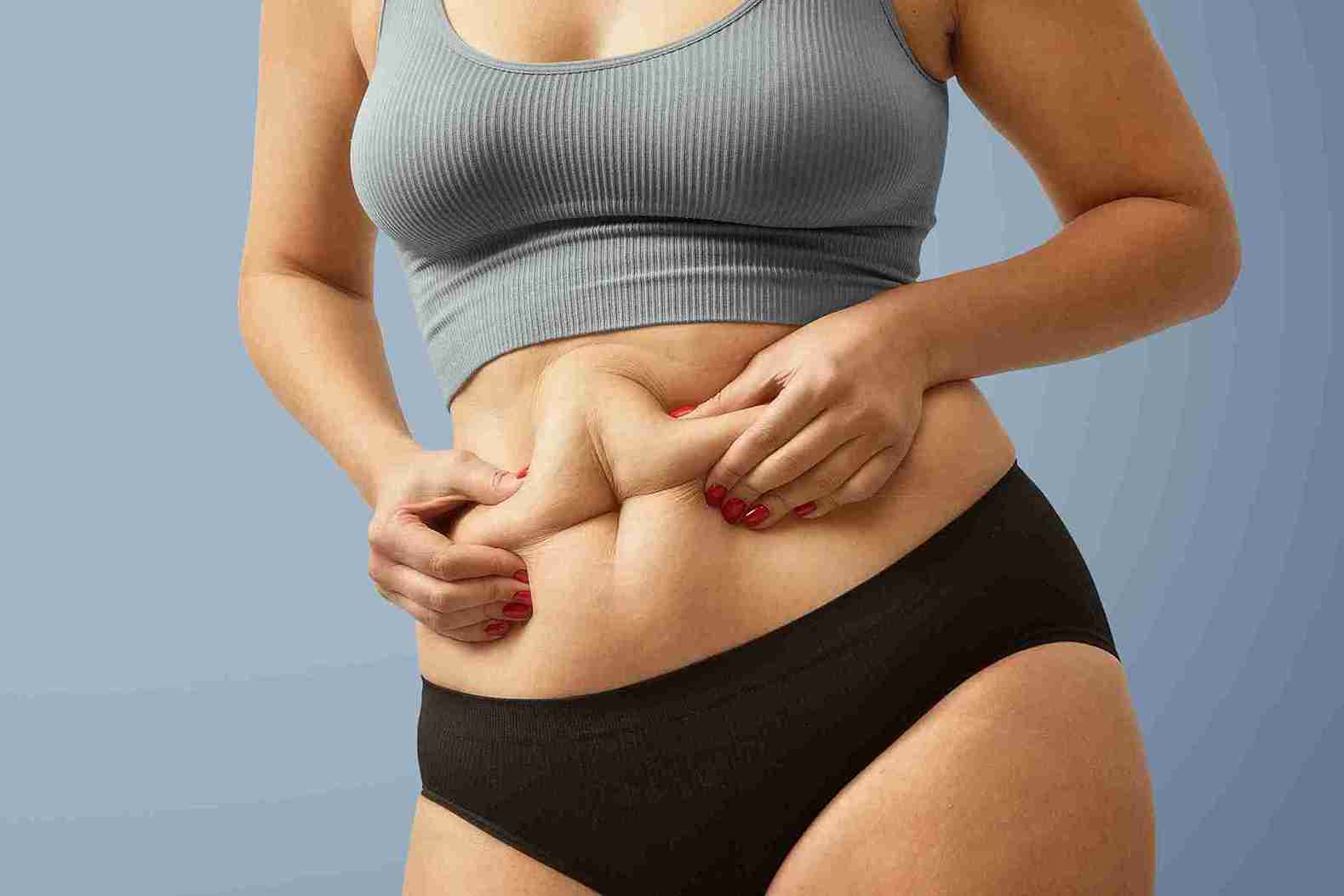
The hanging lower abdominal fold is known as a panniculus, and it can range in size from a small overhang to an apron extending over the lower torso. Unlike normal belly fat, an apron belly has both fatty deposits and overstretched skin that loses elasticity with time.
It generally develops in the lower abdomen, continuing below and possibly covering the pubic region or upper thighs. While minor versions present as a little fold, severe versions can develop a notable overhang that complicates hygiene and movement.
Therefore, for people searching: “What is an apron belly?” It becomes significant to understand the correct definition to be able to distinguish it from normal abdominal fat gain. It's not simply fat, but rather a combination of fat, loose skin, and compromised abdominal muscles.
A few reasons why an apron belly happens:
For individuals searching: “what causes apron belly?” The simple answer to this apron belly is overextension of skin and underlying tissues with inadequate recoil of the skin.

An apron belly can cause physical and emotional distress:
Identifying these issues is crucial in determining whether medical or lifestyle modifications are required.
Although surgery is an option, most try natural ways to get rid of the overhang.
Eat a balanced, calorie-restricted diet that decreases overall body fat. For a healthy diet, include:
Regular exercise tightens abdominal muscles and enhances overall body composition:
Compression Garments
A supportive garment will add comfort, help with chafing, and offer mild contouring of the lower abdomen.
Non-Invasive Treatments
Methods such as radio-frequency treatment, laser surgery or even ultrasound therapy work to tighten the skin and marginally reduce fat deposits.
Caution: Although these modalities naturally reduce apron belly, significant overhanging may require surgical intervention to facilitate sagging skin removal.
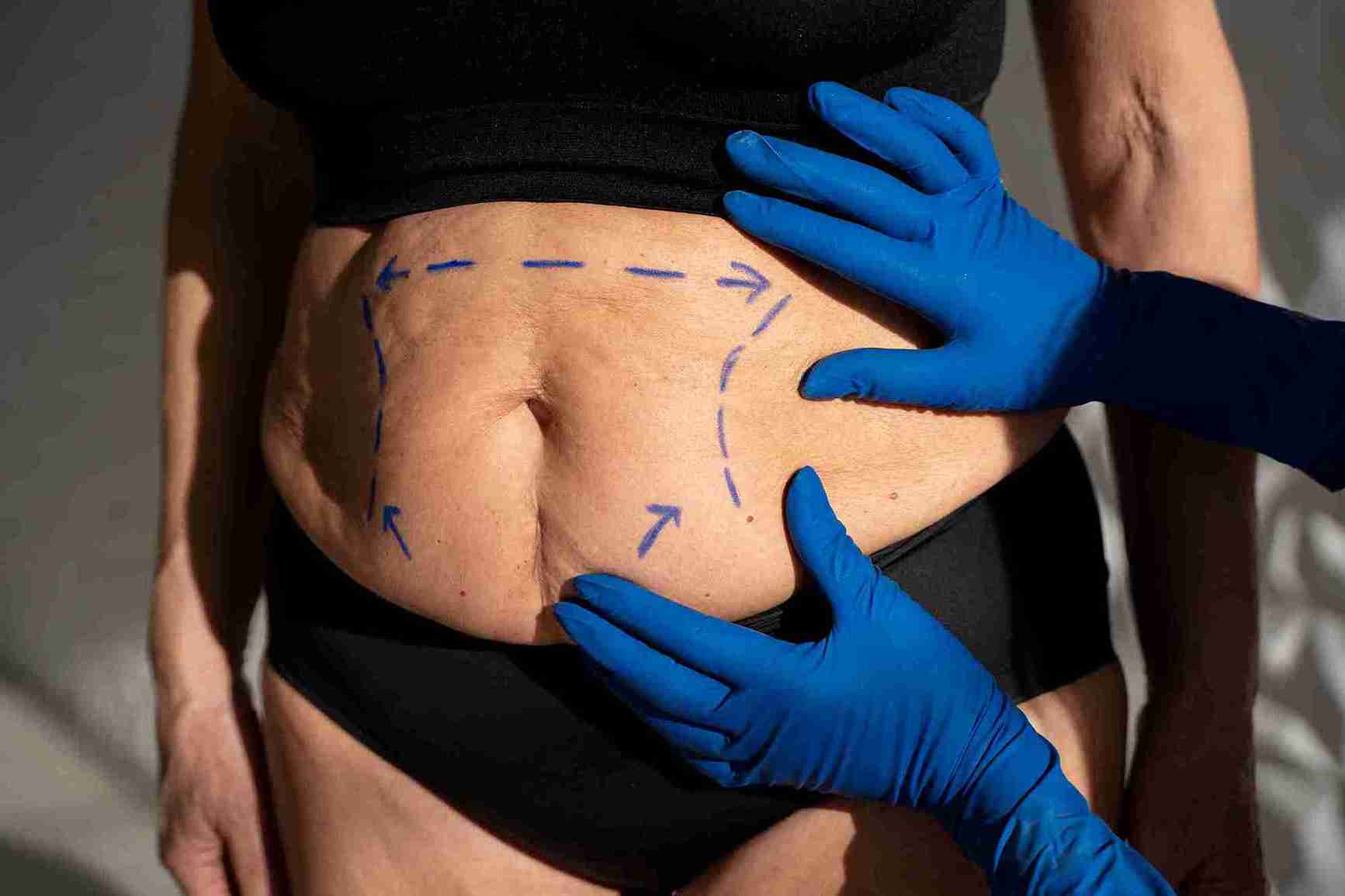
If you have a pannus stomach that is moderately severe to severe, medical treatments may help both function and appearance.
Apron belly treatment through surgery may be medically necessary if rashes, infections, or mobility issues persist.
Prevention of or reduction in the development of apron belly is through lifestyle and skin care measures:
See a doctor if you notice:
Professional advice ensures safe care and avoids complications.

Cloudnine provides extensive care for women suffering from pannus stomach or apron belly with advice and treatment. It employs a team of specialists: obstetricians and dietitians who focus on safe and personalised approaches.
From natural apron belly counselling to performing surgical apron belly treatment, Cloudnine combines medical information and care for the patient. Full diagnostics, soothing skin care regimens, and post-treatment follow-up ensure functional improvement as well as satisfaction with appearance.
An apron belly or pannus stomach is a normal consequence of weight gain, pregnancy, or ageing, fat deposits, and flattened stomach muscles. While surgery offers permanent fixes, physical alterations, exercises, diet, and skincare can sometimes improve tone naturally and minimise size.
Understanding how to get rid of apron belly, preventive care, and consulting experts ensures functional comfort and assurance in appearance. With professional care from facilities like Cloudnine, one can gain access to safe, personalised treatments to treat and manage an apron belly effectively.

Full flattening is only achievable with surgical interventions such as abdominoplasty or panniculectomy in a severe apron belly. Non-surgical approaches improve tone and minimise size but cannot remove a large overhang.
Mild to moderate apron belly can be helped by specific exercise, strengthening the core, healthy eating, skin care, and non-surgical treatments. Severe apron belly generally needs surgery.
Yes, walking is an impact-reducing aerobic exercise that sustains fat reduction and core strength. Along with diet and core exercises, it can be used to reduce the overhang.
Skin irritation, infections below the fold, back pain, postural problems, and hygiene complications are the risks. In extreme cases, medical or surgical intervention should be undertaken to avoid complications.


 Best Gynecologists in Bellandur Best Gynecologists in Electronic City Best Gynecologists in HRBR LayoutBest Gynecologists in Jayanagar Best Gynecologists in Kanakapura RoadBest Gynecologists in Malleswaram Best Gynecologists in Nagarbhavi Best Gynecologists in Old Airport RoadBest Gynecologists in Sahakarnagar Best Gynecologists in Sarjapur RoadBest Gynecologists in ThanisandraBest Gynecologists in Varthur RoadBest Gynecologists in Whitefield Best Gynecologists in Industrial Area Phase IIBest Gynecologists in OMRBest Gynecologists in T NagarBest Gynecologists in New Industrial TownBest Gynecologists in IndirapuramBest Gynecologists in Golf Course RoadBest Gynecologists in Sector 14Best Gynecologists in Sector 47Best Gynecologists in Banjara HillsBest Gynecologists in GachibowliBest Gynecologists in Hitech CityBest Gynecologists in KompallyBest Gynecologists in Gomti NagarBest Gynecologists in MaladBest Gynecologists in NerulBest Gynecologists in VashiBest Gynecologists in Kailash ColonyBest Gynecologists in PatparganjBest Gynecologists in Punjabi BaghBest Gynecologists in VikaspuriBest Gynecologists in Gaur CityBest Gynecologists in Pari ChowkBest Gynecologists in Sector 51Best Gynecologists in Sector 5 Swastik ViharBest Gynecologists in Kalyani NagarBest Gynecologists in SB RoadBest Gynecologists in Pimple SaudagarBest Pediatricians in BellandurBest Pediatricians in Electronic CityBest Pediatricians in HRBR LayoutBest Pediatricians in JayanagarBest Pediatricians in Kanakapura RoadBest Pediatricians in MalleswaramBest Pediatricians in NagarbhaviBest Pediatricians in Old Airport RoadBest Pediatricians in SahakarnagarBest Pediatricians in Sarjapur RoadBest Pediatricians in ThanisandraBest Pediatricians in Varthur RoadBest Pediatricians in WhitefieldBest Pediatricians in Industrial Area Phase IIBest Pediatricians in OMRBest Pediatricians in T NagarBest Pediatricians in New Industrial TownshipBest Pediatricians in IndirapuramBest Pediatricians in Golf Course RoadBest Pediatricians in Sector 14Best Pediatricians in Sector 47Best Pediatricians in Hitech CityBest Pediatricians in Banjara HillsBest Pediatricians in GachibowliBest Pediatricians in KompallyBest Pediatricians in Gomti NagarBest Pediatricians in MaladBest Pediatricians in NerulBest Pediatricians in VashiBest Pediatricians in Kailash ColonyBest Pediatricians in PatparganjBest Pediatricians in Punjabi BaghBest Pediatricians in VikaspuriBest Pediatricians in Gaur CityBest Pediatricians in Pari ChowkBest Pediatricians in Sector 51Best Pediatricians in Sector 5 Swastik ViharBest Pediatricians in Kalyani NagarBest Pediatricians in SB RoadBest Pediatricians in Pimple Saudagar


