
Many people wonder, “How long does it take to get pregnant after sex? ” Whether you’re actively trying to conceive or just curious, the timeline for pregnancy can vary significantly from person to person. Conception depends on factors such as ovulation timing, sperm and egg health, and the exact moment of intercourse within the fertility window. While some women may conceive quickly, others might take several cycles. Knowing the process, the timing, and the conception factors can assist with setting proper expectations and making decisions around when to test for pregnancy.
This article deconstructs how long it takes to conceive after sex, what to anticipate, and how to improve conception chances.

Conception starts when sperm come into contact with an egg. Sperm are ejaculated, then flow through the cervix and uterus into the fallopian tubes, where they fertilise the egg. Sperm live inside the female reproductive tract for as long as five days until an egg is released. In contrast, the egg itself is only viable for 12–24 hours after it is released during ovulation.
The fertilisation process is akin to a well-coordinated race: sperm have only this limited time to encounter the egg to lead to pregnancy. It is for this reason that coordination of intercourse with ovulation is important.If sex occurs shortly before ovulation, pregnancy is more likely.
Even if sperm arrive early, they can wait in the reproductive system for a few days. Compared to simple analogies, imagine sperm as travellers waiting at a station, while the egg is the coming train. Fertilisation occurs only when the timing is right.
After the egg and sperm meet, fertilisation can take place in a matter of hours, but sperm will stay alive for as long as five days. Once fertilised, the zygote makes its way to the uterus within 3–4 days and implants in the uterine lining between 6–10 days after ovulation. This is why early signs of pregnancy may not occur right away.
The timeline can also differ depending on ovulation, cycle length, and personal fertility. For instance, women with irregular cycles have unpredictable ovulation, which impacts the timing of getting pregnant.
Here's a simplified chart for better understanding:
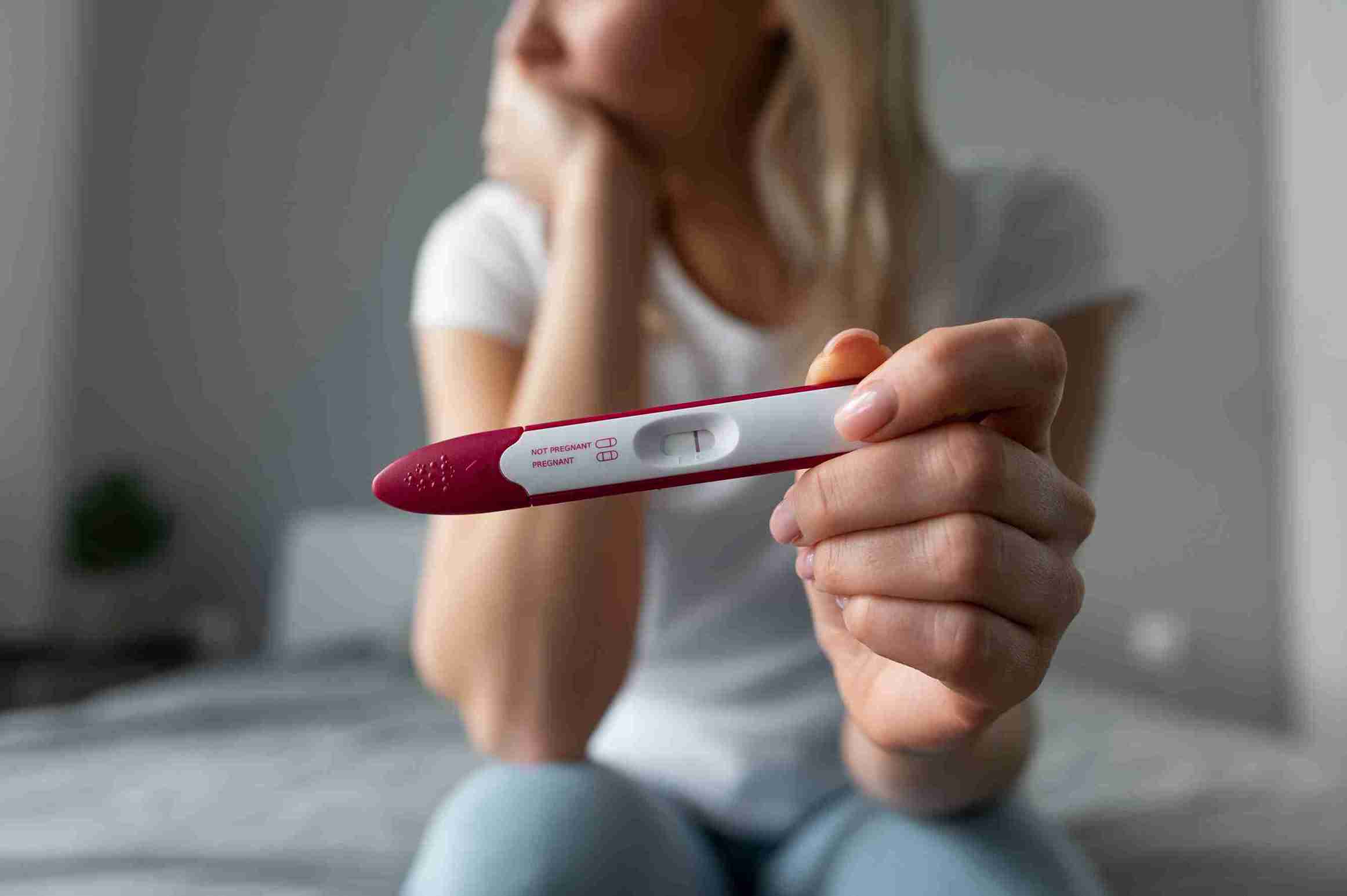
If you’re wondering after sex how many days it takes to get pregnant, reliable detection usually requires waiting until a missed period.
Several factors influence the speed of conception:
Intercourse during the fertile window (5 days before ovulation to 1 day after) maximises chances.
Fertility naturally decreases after 35 years old, impacting both sperm and egg quality.
Increased frequency of intercourse within the fertile period enhances chances.
Good diet, proper rest, and minimal stress enhance fertility; smoking and alcohol decrease fertility.
PCOS, endometriosis, low sperm count, or hormone imbalances can prolong pregnancy.
These are the reasons why some women get pregnant in their first cycle, while others might have to wait a few months. These factors help solve the question of how long it takes to conceive after sex realistically.
If you are searching for an answer to the question: how long it takes to get pregnant after sex, so that you can take a pregnancy test, here’s what you need to know:
The most sensitive is home pregnancy tests are accurate after a missed period, about 12–14 days post-ovulation. Testing too soon can produce false negatives and create unnecessary worry.
● 12–14 days post-ovulation: Best for home urine testing
● After a missed period: High reliability for detecting pregnancy
This timeline helps eliminate confusion, such as after sex how many days it takes to get pregnant, informing couples when to test meaningfully.
In maximising your chances, timing, lifestyle, and tracking come into play:
● Monitor ovulation: Utilise ovulation kits, basal body temperature, or cervical mucus monitoring to determine your fertile window.
● Have intercourse in the fertile window: Having sexual intercourse a few days earlier than ovulation significantly enhances chances.
● Practice healthy living: A Balanced diet, exercise, and stress reduction enhance fertility.
● Smoking and alcohol: Don't smoke or consume alcohol, as both can decrease the quality of eggs and sperm.
Implementing these methods will shorten the time needed to conceive after having unprotected sex and will help with overall reproductive health.
Cloudinine stands out by providing evidence-based, tailored reproductive guidance. Unlike generic advice, Cloudinine offers cycle tracking tools, fertility insights, and expert-backed tips to optimise conception timing . Their system allows couples to track patterns, health variables, and fertility windows and make decisions with the highest accuracy and confidence. Cloudnine extends knowledge and application for rewarding returns, whether they are using natural conception or exploring fertility support.

Pregnancy does not occur immediately after a couple has sexual intercourse. There is fertilisation, travel, implantation and hormonal changes that take place. It takes an average of 6–12 days following intercourse for conception to take place, with home tests for pregnancy being accurate about two weeks later. Watching for cycles, monitoring ovulation, and staying healthy can increase chances, whereas visiting a doctor is required if there is no conception after a few months. Keep in mind that the majority of couples conceive in 6–12 months of trying, so patience and awareness are essential.

Possible early signs include mild cramps, breast sensitivity, tiredness, nausea, or increased sensitivity to smell. Symptoms differ from person to person.
It's usually too soon. Tests are most accurate 12–14 days following ovulation. Testing sooner can give you a false negative.
Pregnancy can be confirmed with a home test two weeks following ovulation or a missed period.
First-morning urine is advised since it has the highest hCG concentration, which makes the test more accurate.







 Best Gynecologists in Bellandur Best Gynecologists in Electronic City Best Gynecologists in HRBR LayoutBest Gynecologists in Jayanagar Best Gynecologists in Kanakapura RoadBest Gynecologists in Malleswaram Best Gynecologists in Nagarbhavi Best Gynecologists in Old Airport RoadBest Gynecologists in Sahakarnagar Best Gynecologists in Sarjapur RoadBest Gynecologists in ThanisandraBest Gynecologists in Varthur RoadBest Gynecologists in Whitefield Best Gynecologists in Industrial Area Phase IIBest Gynecologists in OMRBest Gynecologists in T NagarBest Gynecologists in New Industrial TownBest Gynecologists in IndirapuramBest Gynecologists in Golf Course RoadBest Gynecologists in Sector 14Best Gynecologists in Sector 47Best Gynecologists in Banjara HillsBest Gynecologists in GachibowliBest Gynecologists in Hitech CityBest Gynecologists in KompallyBest Gynecologists in Gomti NagarBest Gynecologists in MaladBest Gynecologists in NerulBest Gynecologists in VashiBest Gynecologists in Kailash ColonyBest Gynecologists in PatparganjBest Gynecologists in Punjabi BaghBest Gynecologists in VikaspuriBest Gynecologists in Gaur CityBest Gynecologists in Pari ChowkBest Gynecologists in Sector 51Best Gynecologists in Sector 5 Swastik ViharBest Gynecologists in Kalyani NagarBest Gynecologists in SB RoadBest Gynecologists in Pimple SaudagarBest Pediatricians in BellandurBest Pediatricians in Electronic CityBest Pediatricians in HRBR LayoutBest Pediatricians in JayanagarBest Pediatricians in Kanakapura RoadBest Pediatricians in MalleswaramBest Pediatricians in NagarbhaviBest Pediatricians in Old Airport RoadBest Pediatricians in SahakarnagarBest Pediatricians in Sarjapur RoadBest Pediatricians in ThanisandraBest Pediatricians in Varthur RoadBest Pediatricians in WhitefieldBest Pediatricians in Industrial Area Phase IIBest Pediatricians in OMRBest Pediatricians in T NagarBest Pediatricians in New Industrial TownshipBest Pediatricians in IndirapuramBest Pediatricians in Golf Course RoadBest Pediatricians in Sector 14Best Pediatricians in Sector 47Best Pediatricians in Hitech CityBest Pediatricians in Banjara HillsBest Pediatricians in GachibowliBest Pediatricians in KompallyBest Pediatricians in Gomti NagarBest Pediatricians in MaladBest Pediatricians in NerulBest Pediatricians in VashiBest Pediatricians in Kailash ColonyBest Pediatricians in PatparganjBest Pediatricians in Punjabi BaghBest Pediatricians in VikaspuriBest Pediatricians in Gaur CityBest Pediatricians in Pari ChowkBest Pediatricians in Sector 51Best Pediatricians in Sector 5 Swastik ViharBest Pediatricians in Kalyani NagarBest Pediatricians in SB RoadBest Pediatricians in Pimple Saudagar


