





Prolactin is a pituitary hormone released from a pea-sized gland at the base of the brain. It is essential for breast growth, milk, reproductive functions, metabolism, and immunity. Throughout pregnancy and lactation, prolactin levels increase naturally to prepare the body to nurse. When high prolactin levels in non pregnant female patients are found, it typically signifies an underlying medical condition that must be addressed.
Knowledge of causes of high prolactin in non pregnant female patients is necessary, as it may influence menstrual cycles, fertility, and general hormonal balance.

Hyperprolactinemia is the medical term applied when there is an abnormal elevation of prolactin in the blood. For women who are not pregnant or lactating, prolactin greater than 25 ng/mL is considered elevated.
The condition can appear on testing for infertility or irregular menstrual cycles, but in some cases, there may be no symptoms at all. Some frequent symptoms of high prolactin in non pregnant females are:
Identifying these signs at an early stage and consulting a doctor is necessary for a timely diagnosis and treatment.
There are various reasons for high prolactin in non-pregnant female patients that range from medical conditions to lifestyle habits:
Medical Conditions
Medications
Some medications can interfere with dopamine, the brain chemical that usually keeps prolactin in balance. They are:
Lifestyle and Other Triggers
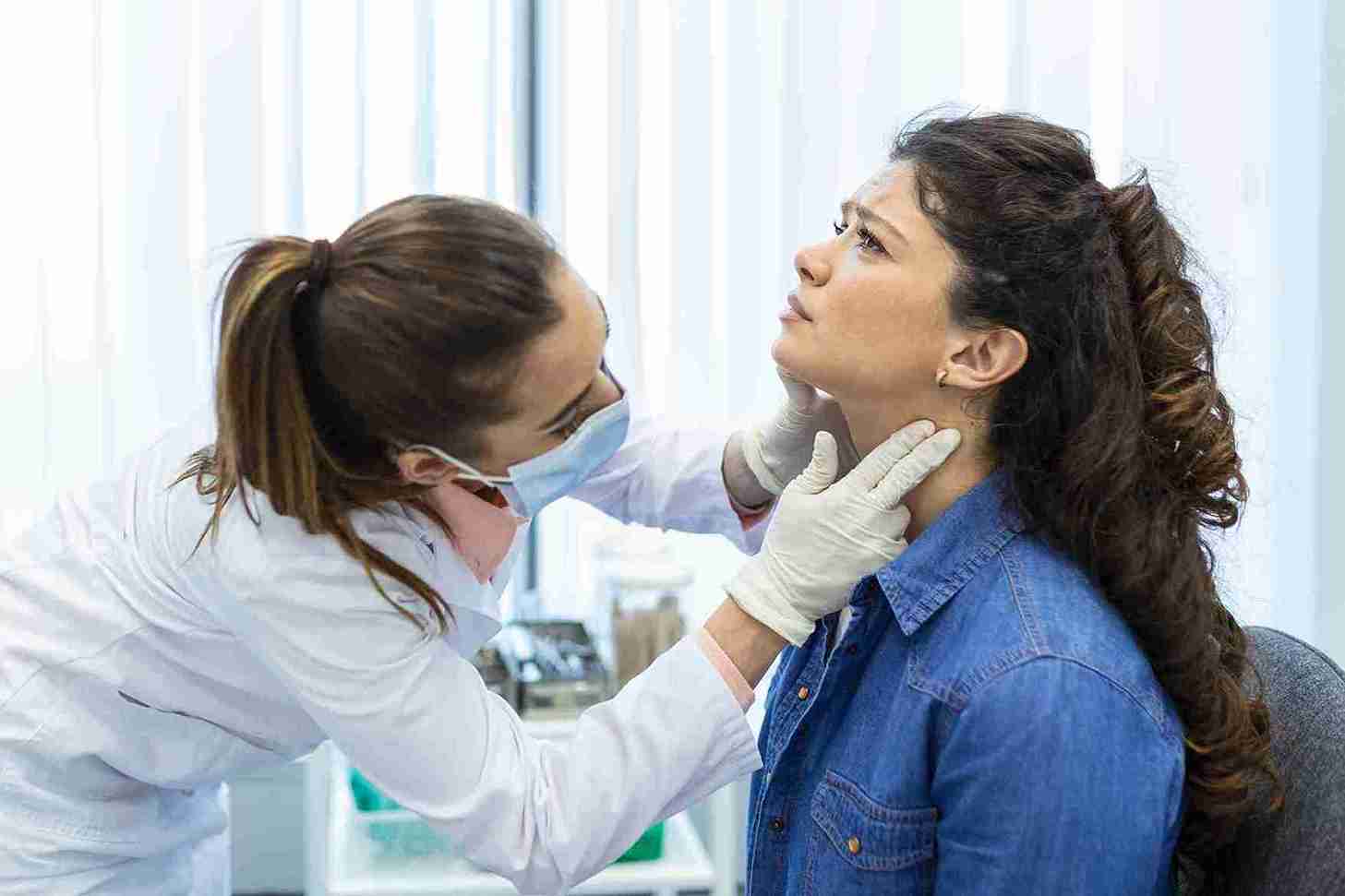
Diagnosis usually starts with a blood test to determine prolactin levels. Physicians might order a repeat test if results are slightly above normal, since dopamine prolactin levels naturally vary from day to day.
If levels are persistently elevated, additional tests might involve:
The good news is that treatment for high prolactin levels in non-pregnant females is available. Choices include:
Women generally improve with medical therapy, and prolactin usually returns to normal within weeks to months.
It is crucial to see a doctor if you observe:
Early diagnosis and treatment can avoid complications and restore hormonal balance.
At Cloudnine, women's health is our priority. The hospital combines sophisticated diagnostic equipment, skilled endocrinologists, gynaecologists, and fertility specialists to offer holistic care. Whether it is the detection of the underlying cause of elevated prolactin in non-pregnant women, the treatment of pituitary conditions, or the management of fertility treatment, Cloudnine assures individualised care for each woman. With the combination of the latest technology and compassionate counselling, patients are not only treated but also guided towards long-term recovery for all aspects of their reproductive and overall health.

High prolactin levels in non pregnant females can profoundly affect menstrual health, fertility, and overall hormonal status. Determining the cause, whether it is a pituitary problem, medical issue, medication, or lifestyle factor, is the key to successful treatment.
With early diagnosis and proper care, through medications, lifestyle modifications, and specialised treatments, most women can achieve normal prolactin levels and enjoy reproductive and overall well-being.

Not directly. Propranolol is not known to increase prolactin, but other drugs (such as antipsychotics) may.
Dopamine-agonist drugs such as cabergoline or bromocriptine usually bring down prolactin levels within weeks.
It's usually caused by a pituitary tumour (prolactinoma), some drugs, stress, or thyroid disease.
No fruit reduces prolactin directly, but foods that are nutrient-dense, such as leafy greens, citrus, and berries, help promote hormonal balance.


 Best Gynecologists in Bellandur Best Gynecologists in Electronic City Best Gynecologists in HRBR LayoutBest Gynecologists in Jayanagar Best Gynecologists in Kanakapura RoadBest Gynecologists in Malleswaram Best Gynecologists in Nagarbhavi Best Gynecologists in Old Airport RoadBest Gynecologists in Sahakarnagar Best Gynecologists in Sarjapur RoadBest Gynecologists in ThanisandraBest Gynecologists in Varthur RoadBest Gynecologists in Whitefield Best Gynecologists in Industrial Area Phase IIBest Gynecologists in OMRBest Gynecologists in T NagarBest Gynecologists in New Industrial TownBest Gynecologists in IndirapuramBest Gynecologists in Golf Course RoadBest Gynecologists in Sector 14Best Gynecologists in Sector 47Best Gynecologists in Banjara HillsBest Gynecologists in GachibowliBest Gynecologists in Hitech CityBest Gynecologists in KompallyBest Gynecologists in Gomti NagarBest Gynecologists in MaladBest Gynecologists in NerulBest Gynecologists in VashiBest Gynecologists in Kailash ColonyBest Gynecologists in PatparganjBest Gynecologists in Punjabi BaghBest Gynecologists in VikaspuriBest Gynecologists in Gaur CityBest Gynecologists in Pari ChowkBest Gynecologists in Sector 51Best Gynecologists in Sector 5 Swastik ViharBest Gynecologists in Kalyani NagarBest Gynecologists in SB RoadBest Gynecologists in Pimple SaudagarBest Pediatricians in BellandurBest Pediatricians in Electronic CityBest Pediatricians in HRBR LayoutBest Pediatricians in JayanagarBest Pediatricians in Kanakapura RoadBest Pediatricians in MalleswaramBest Pediatricians in NagarbhaviBest Pediatricians in Old Airport RoadBest Pediatricians in SahakarnagarBest Pediatricians in Sarjapur RoadBest Pediatricians in ThanisandraBest Pediatricians in Varthur RoadBest Pediatricians in WhitefieldBest Pediatricians in Industrial Area Phase IIBest Pediatricians in OMRBest Pediatricians in T NagarBest Pediatricians in New Industrial TownshipBest Pediatricians in IndirapuramBest Pediatricians in Golf Course RoadBest Pediatricians in Sector 14Best Pediatricians in Sector 47Best Pediatricians in Hitech CityBest Pediatricians in Banjara HillsBest Pediatricians in GachibowliBest Pediatricians in KompallyBest Pediatricians in Gomti NagarBest Pediatricians in MaladBest Pediatricians in NerulBest Pediatricians in VashiBest Pediatricians in Kailash ColonyBest Pediatricians in PatparganjBest Pediatricians in Punjabi BaghBest Pediatricians in VikaspuriBest Pediatricians in Gaur CityBest Pediatricians in Pari ChowkBest Pediatricians in Sector 51Best Pediatricians in Sector 5 Swastik ViharBest Pediatricians in Kalyani NagarBest Pediatricians in SB RoadBest Pediatricians in Pimple Saudagar


