
Pregnancy may be a joyous and exciting time, but it also brings some uncomfortable challenges at times. One such problem that many hesitate to talk about is butt pain. While it's usually not a serious concern, it can still make sitting, standing, or sleeping difficult. In this article, we'll look at the common causes of buttock pain during pregnancy and share safe home remedies that may help bring you relief.

Women may feel buttock pain as a dull ache at times, or as a sharp pinch at others. The pain may begin in the buttocks or spread there from another part of the body. Regardless, it could still cause extreme discomfort, especially when women experience buttock pain during pregnancy first trimester, when they are just adjusting to the changes in their bodies.
Let's take a quick look at some of the typical causes behind buttock pain during pregnancy:
Haemorrhoids are among the most common issues faced by pregnant women, especially during the second and third trimesters. The rectum and anus are under more strain during this time as the uterus increases in size and weight, leading to enlarged and swollen veins within and outside the rectal region. Haemorrhoids can be quite painful, and, in a few cases, they may even cause rectal bleeding. Haemorrhoids during pregnancy may be caused by hormonal changes, a low-fibre diet, or constipation, which forces women to strain more during bowel movements.
Sciatica is a painful condition that affects the sciatic nerve, which runs from the butt down to the back of the legs. Expectant mothers may experience this problem because the growing fetus puts extra pressure on nerves as the uterus expands. Apart from severe pain or burning sensation in the buttocks, women may also feel a sharp pain in their legs and back.
Some pregnant women may experience pain in their buttocks at any stage of pregnancy, often due to pelvic girdle pain. This happens because the growing baby adds weight and puts extra pressure on the pelvic region. The pain may worsen with movement and can be accompanied by a clicking or grinding sensation in the pelvis. Everyday activities like walking or lying on the side may become uncomfortable.
Childbirth is a unique experience, and it varies from woman to woman. While most women feel contractions in their abdomen, some may experience birthing pains in their buttocks.

Often, if the pain in the buttocks region is mild, pregnant women may hesitate to seek medical help. However, there are a few situations where it becomes vital to see a doctor or visit a hospital.
It's best to consult a doctor when there is:
The doctor will usually discuss the symptoms first and then conduct a physical exam to check if the cause is haemorrhoids. Once it is ruled out, imaging tests, scans, blood and urine tests may be performed to gauge the underlying causes for the pain.
Let's take a quick look at how to relieve buttock pain during pregnancy. Here are some home remedies that can be easily adopted by pregnant women or their caregivers:
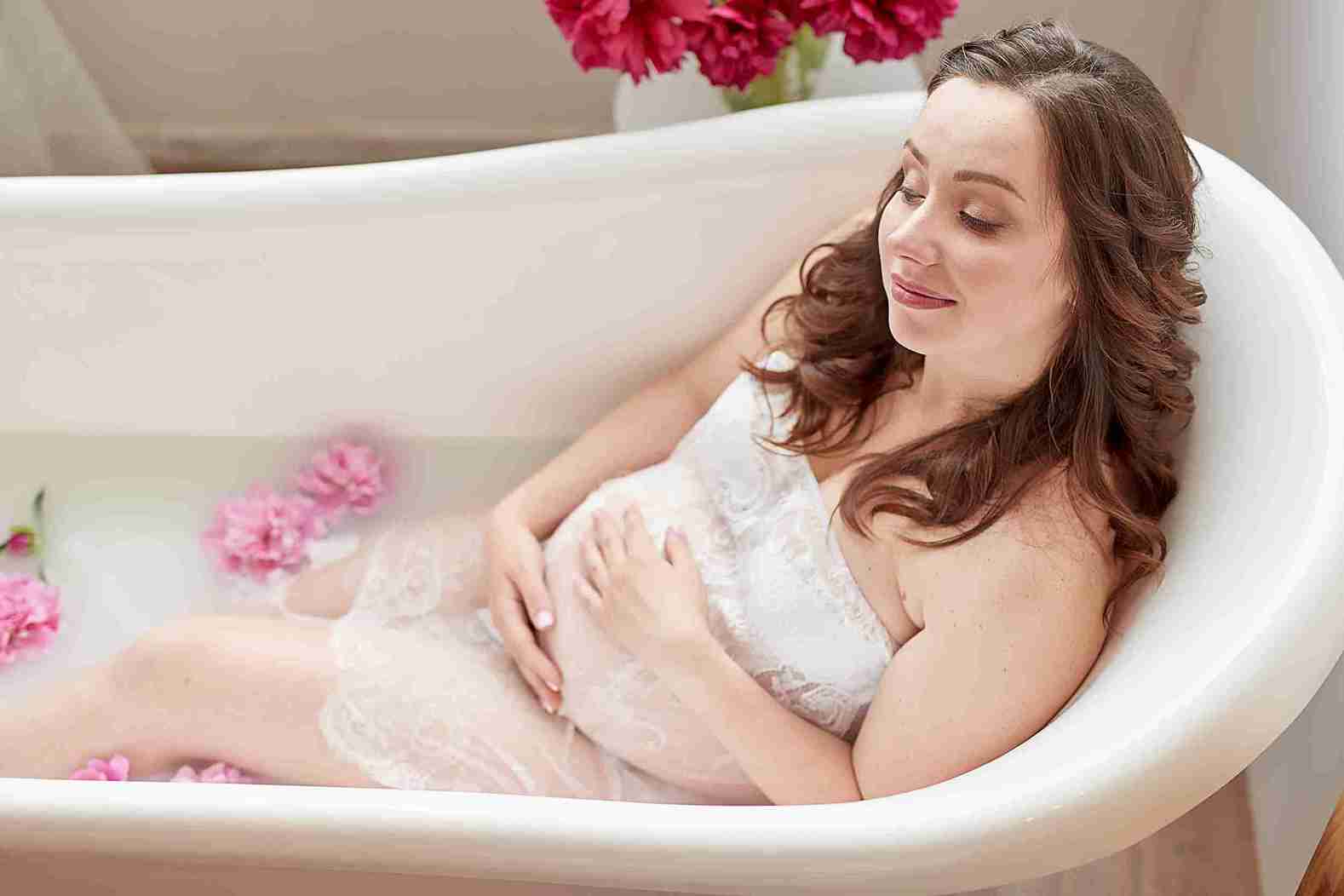
Pregnant women may find some relief from butt pain after a sitz bath. A sitz bath involves sitting in a shallow basin of warm water that covers only the hips and buttocks. You can use a commercially available, specially designed plastic basin that fits over the toilet, fill it with warm water, and sit to soak for relief.
Standing or sitting for long periods of time can put additional pressure on the anus.
It is best to lie on your side, as this will reduce pressure on the anus or rectum. For extra comfort and support, place one or two pillows—like maternity pillows—under your abdomen and between your legs.
Drink plenty of fluids to prevent chronic constipation, thereby reducing strain on the rectal and pelvic muscles and easing discomfort in the buttocks during pregnancy.
Fibre-rich foods, such as whole grains, fruits, and leafy vegetables, ensure proper bowel movements, which can help alleviate constipation-related butt pain.
If these home remedies fail to bring relief, it may be best to consult a doctor for a prescription for pregnancy-safe pain medications.

Pain in the buttocks may continue even after the birth of the child. However, with proper rest, simple home remedies, and guidance from your healthcare provider, most women find relief over time. If the pain feels severe or does not improve, it is always best to seek medical advice. Remember, your comfort and well-being are just as important as caring for your baby.
Want to consult the best gynecologists in India? Please find the links below.

Adopting relief measures like taking a sitz bath, eating fibre-rich food, drinking plenty of liquids, and avoiding prolonged sitting and standing can help manage butt pain during pregnancy.
Eat fibre-rich foods like fruits, vegetables, and whole grains to prevent issues like constipation. Take a warm sitz bath if the pressure is due to haemorrhoids.
A few women may experience mild butt pain during the early days of pregnancy. However, it's best to see a doctor if the pain becomes unbearable or if there is extensive bleeding from the rectum.
Several home remedies may help relieve buttock pain during pregnancy. However, it's best to consult a doctor first to understand the underlying cause of the pain.







 Best Gynecologists in Bellandur Best Gynecologists in Electronic City Best Gynecologists in HRBR LayoutBest Gynecologists in Jayanagar Best Gynecologists in Kanakapura RoadBest Gynecologists in Malleswaram Best Gynecologists in Nagarbhavi Best Gynecologists in Old Airport RoadBest Gynecologists in Sahakarnagar Best Gynecologists in Sarjapur RoadBest Gynecologists in ThanisandraBest Gynecologists in Varthur RoadBest Gynecologists in Whitefield Best Gynecologists in Industrial Area Phase IIBest Gynecologists in OMRBest Gynecologists in T NagarBest Gynecologists in New Industrial TownBest Gynecologists in IndirapuramBest Gynecologists in Golf Course RoadBest Gynecologists in Sector 14Best Gynecologists in Sector 47Best Gynecologists in Banjara HillsBest Gynecologists in GachibowliBest Gynecologists in Hitech CityBest Gynecologists in KompallyBest Gynecologists in Gomti NagarBest Gynecologists in MaladBest Gynecologists in NerulBest Gynecologists in VashiBest Gynecologists in Kailash ColonyBest Gynecologists in PatparganjBest Gynecologists in Punjabi BaghBest Gynecologists in VikaspuriBest Gynecologists in Gaur CityBest Gynecologists in Pari ChowkBest Gynecologists in Sector 51Best Gynecologists in Sector 5 Swastik ViharBest Gynecologists in Kalyani NagarBest Gynecologists in SB RoadBest Gynecologists in Pimple SaudagarBest Pediatricians in BellandurBest Pediatricians in Electronic CityBest Pediatricians in HRBR LayoutBest Pediatricians in JayanagarBest Pediatricians in Kanakapura RoadBest Pediatricians in MalleswaramBest Pediatricians in NagarbhaviBest Pediatricians in Old Airport RoadBest Pediatricians in SahakarnagarBest Pediatricians in Sarjapur RoadBest Pediatricians in ThanisandraBest Pediatricians in Varthur RoadBest Pediatricians in WhitefieldBest Pediatricians in Industrial Area Phase IIBest Pediatricians in OMRBest Pediatricians in T NagarBest Pediatricians in New Industrial TownshipBest Pediatricians in IndirapuramBest Pediatricians in Golf Course RoadBest Pediatricians in Sector 14Best Pediatricians in Sector 47Best Pediatricians in Hitech CityBest Pediatricians in Banjara HillsBest Pediatricians in GachibowliBest Pediatricians in KompallyBest Pediatricians in Gomti NagarBest Pediatricians in MaladBest Pediatricians in NerulBest Pediatricians in VashiBest Pediatricians in Kailash ColonyBest Pediatricians in PatparganjBest Pediatricians in Punjabi BaghBest Pediatricians in VikaspuriBest Pediatricians in Gaur CityBest Pediatricians in Pari ChowkBest Pediatricians in Sector 51Best Pediatricians in Sector 5 Swastik ViharBest Pediatricians in Kalyani NagarBest Pediatricians in SB RoadBest Pediatricians in Pimple Saudagar


