
Has your baby been a bit fussy lately? Is your baby sweating a lot? Does your baby feel warmer than usual but doesn’t have a fever?
If you’ve answered yes to any of the above questions, then the chances are your baby is experiencing overheating! While this issue may seem trivial, the health risks associated with this condition can become quite severe, especially if you’ve missed the initial signs of overheating and your baby is now facing serious health problems.
In this article, we have covered all the relevant aspects of overheating in infants to ensure such easily preventable issues never impact your baby’s health.

Babies overheat when their body temperature rises above the normal range due to factors like hot weather, exposure to heat sources (such as sunlight or room heaters), overdressing, or an excessively warm sleeping environment. Infants are more vulnerable because their little bodies heat up faster and they are unable to regulate their body temperature as effectively as older children or adults.
Babies typically have a body temperature of 97.5°F (36.4°C). Fever and overheating in infants occur when the temperature reaches 100.4°F (38°C) or higher. Remember that a baby's typical body temperature can fluctuate throughout the day, depending on their clothing and the method used for temperature measurement (rectal vs. forehead).
To ensure your baby is safe and healthy, here are some of the most typical overheating signs to keep an eye out for:
● When your baby's skin feels hotter than normal and there doesn't appear to be a fever, it may indicate that they are overheating.
● If their face or body has a flushed or reddish look, it could mean their little system is struggling with the heat.
● Overheating causes babies to sweat a lot. You might notice sweat on their skin or clothes, or their hair could feel damp. However, please note that a few babies overheat without sweating at all.
● Overheating usually causes babies to be more fussy than usual. So, if your baby is crying a lot, is restless, or is hard to soothe, overheating could be the reason.
● A faster-than-normal heartbeat is yet another sign of overheating. This happens because their body is trying to cope with the extra heat.
● If the baby seems extra tired, sluggish, or not as active as usual, this could be due to overheating.
● In more serious cases, a baby may appear weak, dizzy, or just confused. When this happens, immediate medical care must be sought.
● Overheating can sometimes cause nausea, and your little one might even vomit.
● If fewer diapers are being used or if the baby isn’t peeing normally, then it could be a sign of dehydration, which often goes hand-in-hand with overheating.
If your little one has any of these symptoms, make sure to start cooling them down. If the symptoms persist, it may be a good idea to take the child to the paediatrician.
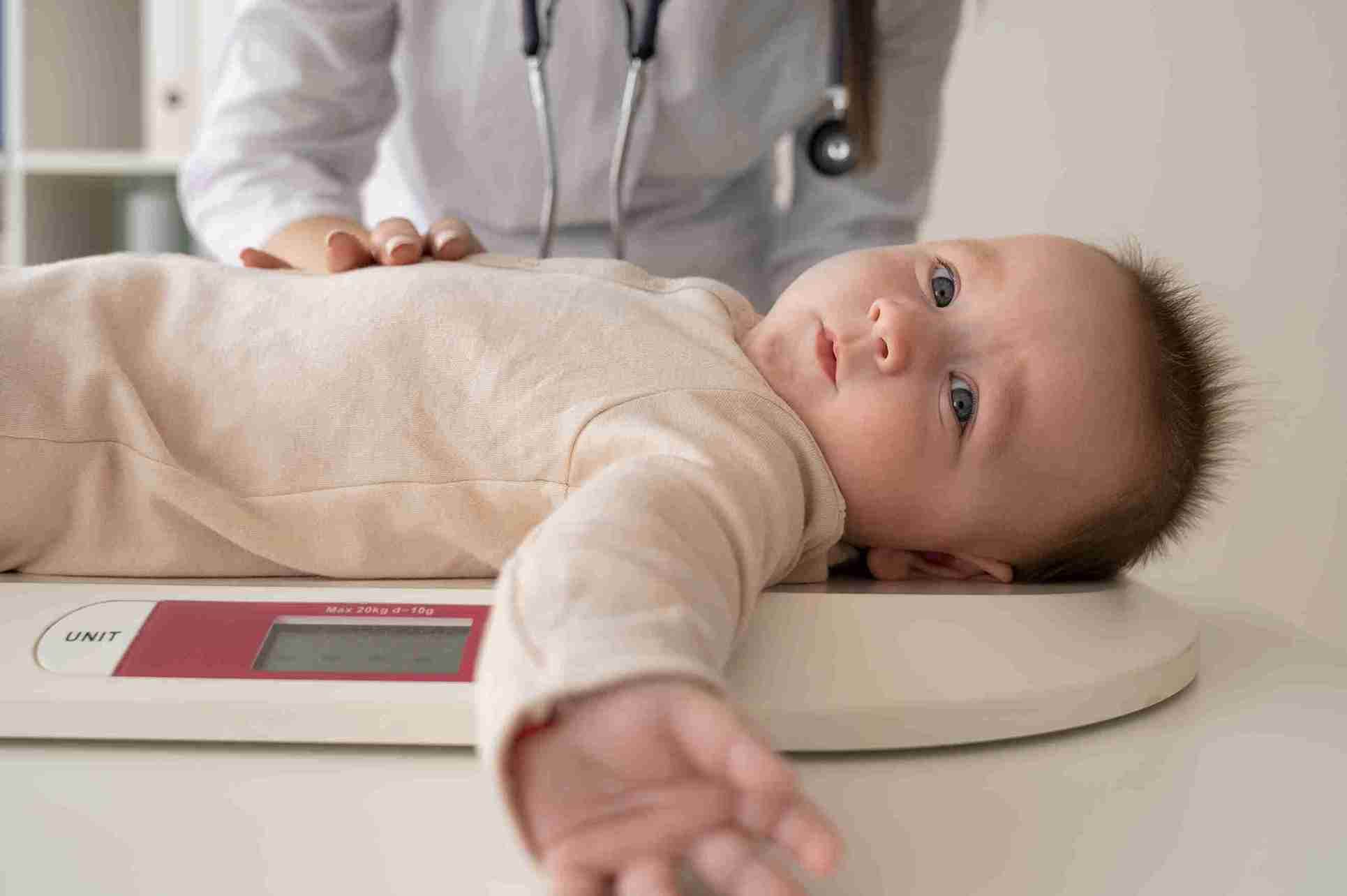
As said earlier, it is easy to dismiss overheating in babies as a trivial issue. However, if left untreated, it could lead to several other health issues, like:
Overheating can lead to dehydration. The child may have sweated a lot and may have lost fluids and electrolytes. If the dehydration has become too severe, then immediate medical care will be required, as this could lead to serious complications.
This rash, often known as prickly heat, is particularly prevalent in babies who are overheated. Baby heat rash appears as little red pimples on your baby's bottom, around their neck and in the creases of their skin.
SIDS refers to the sudden and inexplicable death of infants who are usually less than a year old, and it often happens when they are asleep. Experts believe overheating increases the risk of SIDs.
When the infant’s body is unable to cool down by itself, heat exhaustion occurs. Usually, this leads to dehydration from losing excessive amounts of fluids and salt due to sweating.
Prolonged overheating may cause the infant's body to produce more heat than it can expel. Consequently, the baby could experience a severe form of heat illness called heatstroke. Heat stroke is quite serious, as it causes the baby's core body temperature to rise quickly, which, if left untreated, might cause brain damage or even death.
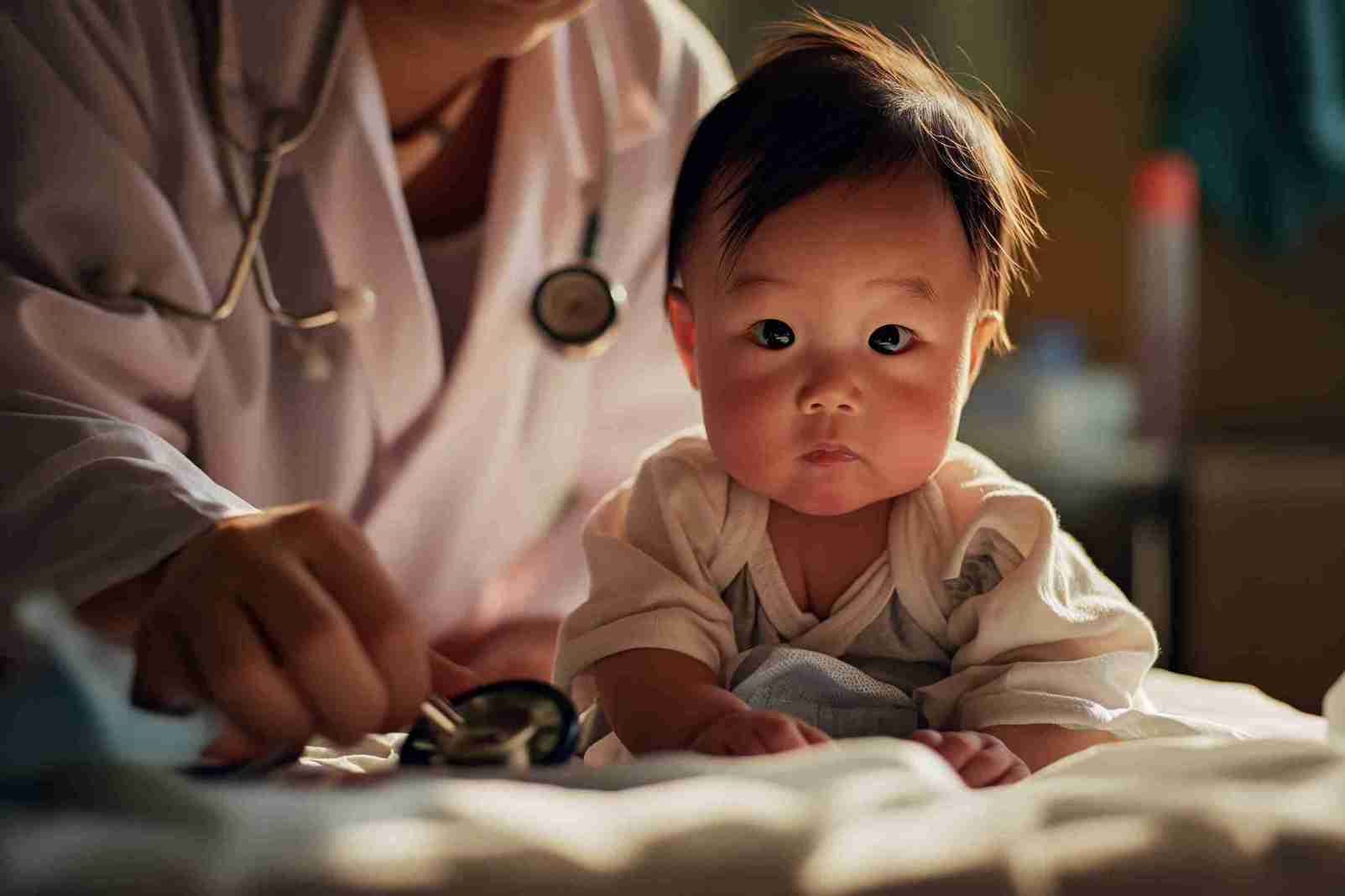
Overheating has to be prevented, as it could cause serious health issues for babies. Let’s take a quick look at how to prevent your little one from being overheated:
When choosing clothing for your infant, opt for airy, light materials like cotton. Don't put on multiple layers of clothes. This could end up making the child too hot. If the weather is cold, then wrap a blanket around the baby to keep them warm.
Temperature regulation of the baby’s room is very important. An appropriate temperature range for your baby's room is between 68 and 72°F (20 and 22°C). This range is actually quite suitable for both summer and winter. Use fans or air conditioners to ensure optimal room temperature.
Babies are pretty sensitive. So, keep them away from direct sunlight. Avoid taking them outside during peak hours from 11 AM to 5 PM. Additionally, even while indoors, avoid placing them near windows or doors through which sunlight streams in.
Regularly check your child's skin, temperature and overall comfort to make sure they're not overheating. Feel their neck or chest to see whether they are hot or perspiring. Make little, frequent checks throughout the day to keep your baby from overheating.
Ensure the baby has plenty of fluids, especially on hot days. If the infant is only being breastfed, then the frequency of feeds can be increased.
In winter, never place the crib too close to the room heater, as this could lead to the infant overheating. Furthermore, on hot days, never leave the infant in a car since heat builds up quickly.
In case the baby is showing signs of overheating, here’s what should be done:
● Immediately move the baby to a cooler place. This could be a well-ventilated room or one with an air conditioner. If outside, then try finding a cool and shady spot.
● To prevent the baby from overheating, take off any excess blankets or clothing layers that aren't needed. If at all possible, dress the infant in airy, light clothing.
● Give the baby plenty of fluids to prevent dehydration. This could be breastmilk, formula or even just water (in case of older babies).
● Use a soft, damp washcloth to gently moisten the baby’s body to lower the body temperature faster. You can also try bathing the baby in cool or lukewarm water.
If the baby’s body temperature does not lower with these steps, or if there is severe dehydration or behavioural changes, then immediate medical care should be sought.

Overheating is an issue that many people tend to overlook. Since babies cannot communicate their discomfort, parents and caregivers must be vigilant in spotting signs of overheating and implementing preventive and remedial measures to ensure their little one’s safety and well-being. Since overheating could cause serious health issues, you should consult a doctor if the baby’s body temperature does not lower despite taking appropriate measures, or if there is severe dehydration or behavioural changes.

Babies usually overheat when: ● They have been exposed to heat sources like direct sunlight or room heaters. ● They have been dressed in too many layers of clothing. ● There isn’t adequate ventilation in the baby’s room, or the room is just too hot.
Yes, this could be dangerous, as it could lead to serious health issues like dehydration or even fatal ones like SIDS.
Make sure to dress the baby in light, airy clothes. An extra layer or a blanket should only be considered during winter.
Yes, the baby will be fussy and uncomfortable, and this could affect their sleep.







 Best Gynecologists in Bellandur Best Gynecologists in Electronic City Best Gynecologists in HRBR LayoutBest Gynecologists in Jayanagar Best Gynecologists in Kanakapura RoadBest Gynecologists in Malleswaram Best Gynecologists in Nagarbhavi Best Gynecologists in Old Airport RoadBest Gynecologists in Sahakarnagar Best Gynecologists in Sarjapur RoadBest Gynecologists in ThanisandraBest Gynecologists in Varthur RoadBest Gynecologists in Whitefield Best Gynecologists in Industrial Area Phase IIBest Gynecologists in OMRBest Gynecologists in T NagarBest Gynecologists in New Industrial TownBest Gynecologists in IndirapuramBest Gynecologists in Golf Course RoadBest Gynecologists in Sector 14Best Gynecologists in Sector 47Best Gynecologists in Banjara HillsBest Gynecologists in GachibowliBest Gynecologists in Hitech CityBest Gynecologists in KompallyBest Gynecologists in Gomti NagarBest Gynecologists in MaladBest Gynecologists in NerulBest Gynecologists in VashiBest Gynecologists in Kailash ColonyBest Gynecologists in PatparganjBest Gynecologists in Punjabi BaghBest Gynecologists in VikaspuriBest Gynecologists in Gaur CityBest Gynecologists in Pari ChowkBest Gynecologists in Sector 51Best Gynecologists in Sector 5 Swastik ViharBest Gynecologists in Kalyani NagarBest Gynecologists in SB RoadBest Gynecologists in Pimple SaudagarBest Pediatricians in BellandurBest Pediatricians in Electronic CityBest Pediatricians in HRBR LayoutBest Pediatricians in JayanagarBest Pediatricians in Kanakapura RoadBest Pediatricians in MalleswaramBest Pediatricians in NagarbhaviBest Pediatricians in Old Airport RoadBest Pediatricians in SahakarnagarBest Pediatricians in Sarjapur RoadBest Pediatricians in ThanisandraBest Pediatricians in Varthur RoadBest Pediatricians in WhitefieldBest Pediatricians in Industrial Area Phase IIBest Pediatricians in OMRBest Pediatricians in T NagarBest Pediatricians in New Industrial TownshipBest Pediatricians in IndirapuramBest Pediatricians in Golf Course RoadBest Pediatricians in Sector 14Best Pediatricians in Sector 47Best Pediatricians in Hitech CityBest Pediatricians in Banjara HillsBest Pediatricians in GachibowliBest Pediatricians in KompallyBest Pediatricians in Gomti NagarBest Pediatricians in MaladBest Pediatricians in NerulBest Pediatricians in VashiBest Pediatricians in Kailash ColonyBest Pediatricians in PatparganjBest Pediatricians in Punjabi BaghBest Pediatricians in VikaspuriBest Pediatricians in Gaur CityBest Pediatricians in Pari ChowkBest Pediatricians in Sector 51Best Pediatricians in Sector 5 Swastik ViharBest Pediatricians in Kalyani NagarBest Pediatricians in SB RoadBest Pediatricians in Pimple Saudagar


