





IVF is among the most successful fertility treatments, and embryo transfer is one of its most crucial stages, determining treatment success. Embryo transfer is a process where an embryo is prepared in a laboratory by combining a sperm and an egg. It is placed into a woman’s womb, with the hope of successful implantation. After the procedure, questions arise as to whether it is safe to travel for work or other obligations. Here, you will find answers to this question, expert recommendations, precautions to take, and the timing for post-transfer travel.
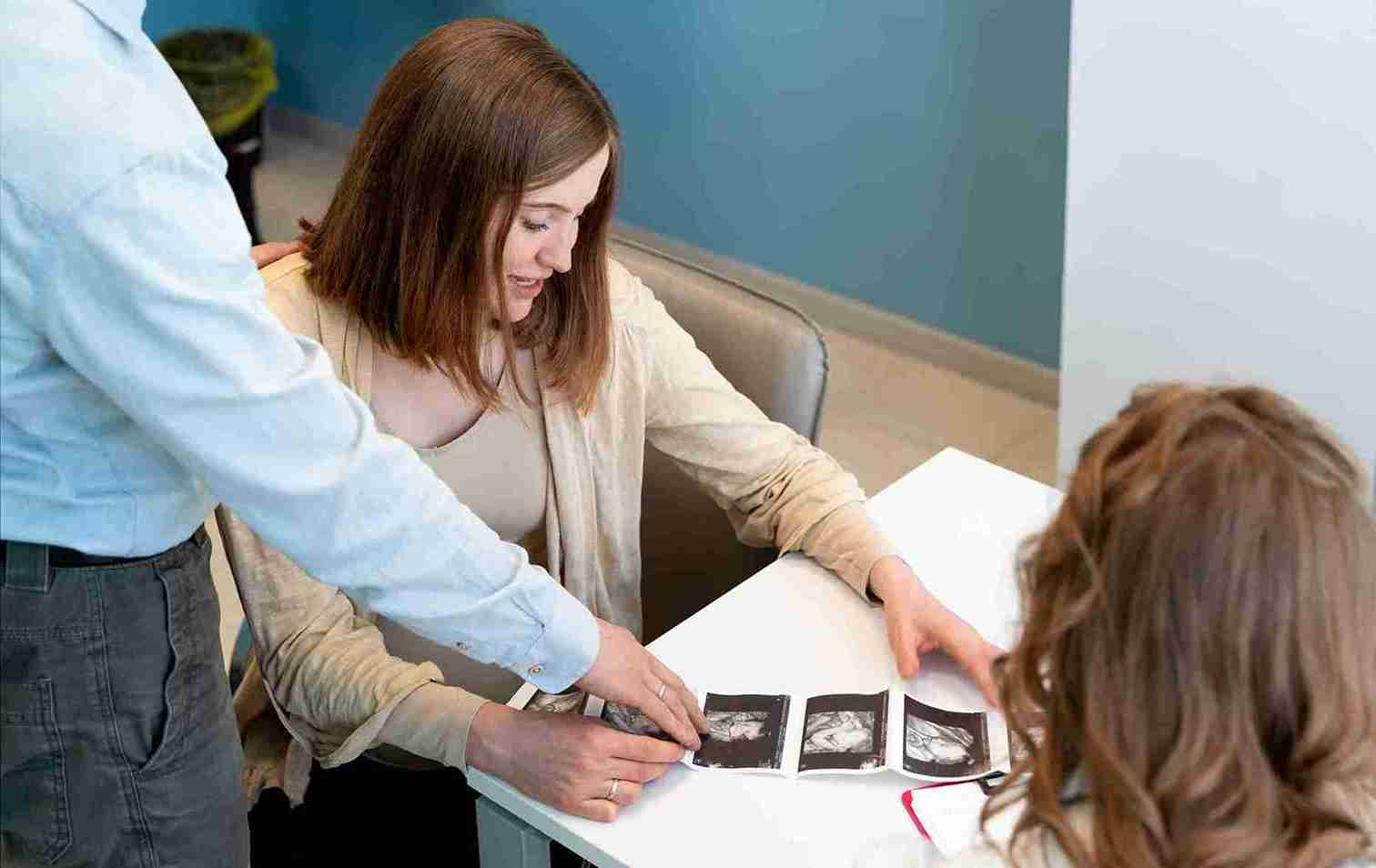
Embryo transfer (ET) is one of the most crucial steps in an IVF (In-vitro Fertilization) treatment. In this step, an embryo (formed when a sperm and an egg are fertilised in a lab) is placed into a woman’s womb with the hope of a successful pregnancy. A woman must prepare her body before the procedure to maximise her chances and also ensure the best environment for embryo implantation.
Getting your body ready for an embryo transfer requires addressing all facets of preparation: emotional, mental and physical. Concentrate on taking the recommended supplements, eating a balanced diet, exercising and managing stress. Additionally, the fertility specialist monitors the uterine lining and hormone levels through ultrasound, blood tests and medications to assist in developing the uterine lining for implantation.
The days after the transfer are essential and may affect implantation. Doctors recommend bed rest after the procedure. Follow IVF precautions such as avoiding sauna baths, strenuous exercise or sex, and maintain a positive outlook after the procedure.
The embryo transfer is the most delicate aspect of the IVF process. Many couples worry about the potential impact of air travel. While no evidence supports flying affecting successful embryo implantation, the common concerns about air travel are:
Atmospheric pressure: Altitude changes in aeroplanes can affect oxygenation, while there is no risk for most women, some may experience complications. If you have complications during treatment, follow your doctor’s advice.
Radiation exposure: Concerns about radiation exposure are unnecessary, as the dose is lower than that of a chest X-ray.
Physical stress: If you are sitting for long periods, this can be a concern, so try to walk around periodically.
Dehydration: This is a concern, especially on long flights, and staying hydrated is important for successful implantation.
Couples' concerns about travel after embryo transfer are reasonable because they are worried it may affect the implantation outcome. While most experts suggest that moderate travel is safe, there are few studies on flying post-ET, and available data suggest no negative impact on treatment outcomes. This finding supports the medical experts' saying that it is safe to fly after an ET. However, to increase the chances of success, some doctors advise waiting 2 to 3 days.
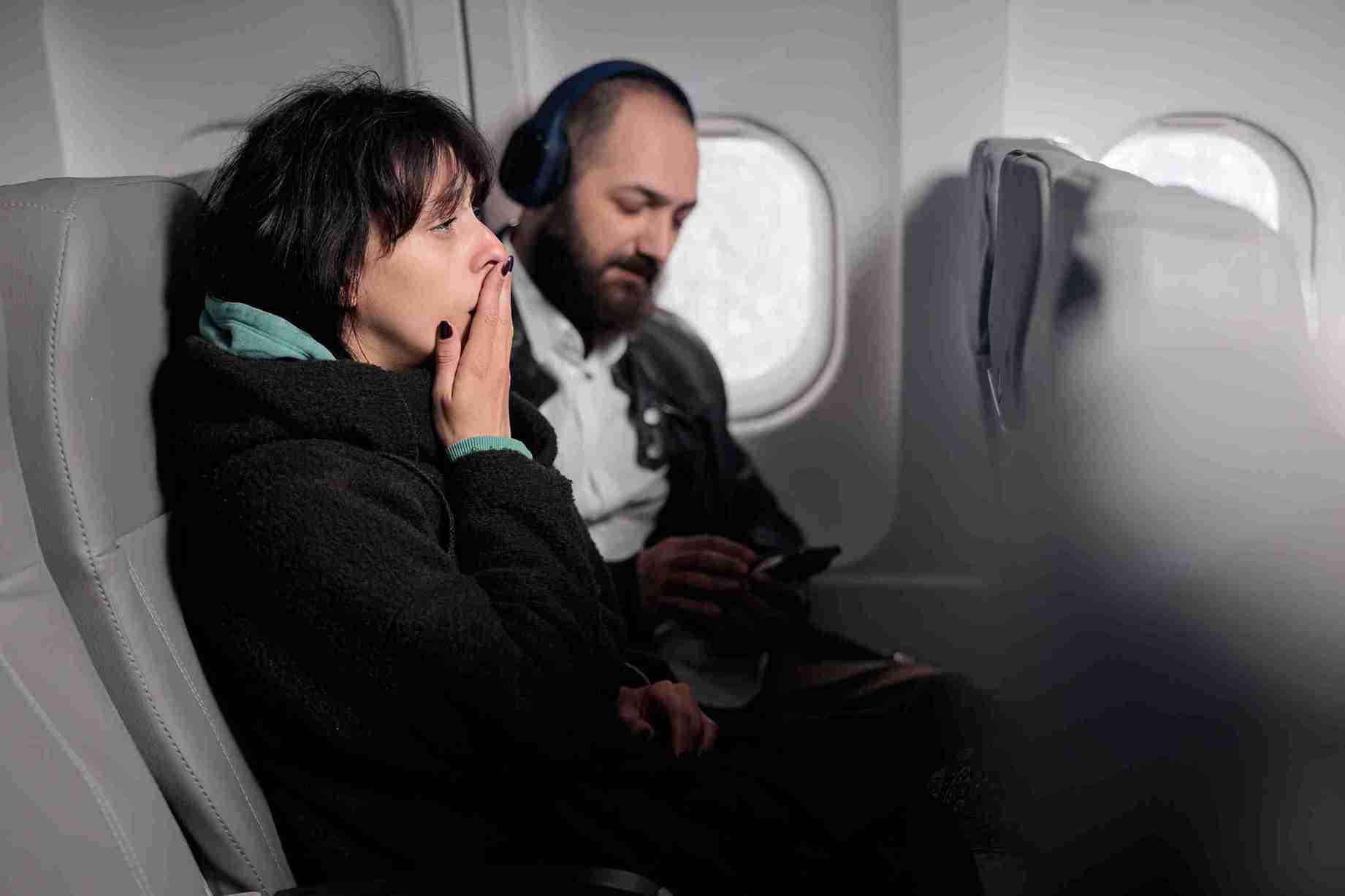
The embryo transfer is a quick procedure in which high-quality embryos are placed into the uterus. While you can travel after the procedure, it is advised that you avoid long flights immediately afterwards. Many doctors advise you to rest for 2 to 3 days after the transfer, but light travel is allowed if there is no discomfort. Waiting is ideal, as the embryo can implant during this period without the stress of travel. If travel can be delayed, it is best to travel after pregnancy confirmation. However, every case is unique and depends on the individual’s health.
Deep vein thrombosis (DVT): This is a concern on long flights, especially when seated for extended periods, as it can cause blood clots due to poor blood circulation.
Dehydration: The cabin air is dry, which may lead to dehydration and interfere with implantation.
Stress and anxiety: Waiting two weeks after transfer and the additional stresses associated with travel can affect the balance of hormones.
Time zone disruption and jet lag: Stress and sleep schedule disruptions can disrupt hormones and potentially impact ET success.
Travelling is generally safe after an ET, and any potential risks, including those listed above, can be managed with precautions.
Consult your doctor: Always consult your fertility specialist for advice on safe air travel after an ET.
Safe flying: Travel is safer with short flights or direct flights with fewer layovers whenever possible.
Stay hydrated: Drink enough water during your flight, as hydration is important for your reproductive health. Wear comfortable, loose-fitting clothing around the abdomen for maximum comfort.
Get up and move: Ideally, you should get up and move every hour to promote blood circulation. Avoid abrupt movements, refrain from lifting heavy luggage and doing strenuous activities.
Medications: Pack and carry all prescribed medications, and take them on time.
Manage stress: Travelling is stressful, especially after ET, so do things that calm you, such as listening to music, reading books, etc.
The two-week waiting period after embryo transfer is emotionally taxing for most couples. If you are travelling, there is additional stress. It is normal to have mood changes, anxiety, and overthinking due to hormonal changes. Remember that it is perfectly fine to experience this feeling; however, you must not allow it to dominate you!
Try to reduce your exposure to people and situations that you find stressful.
Instead of stressing, practice deep breathing and meditative techniques. Practice patience.
Be kind to yourself.
Rely on your medical team to provide appropriate advice.
If you have any significant complications such as ovarian enlargement, painful cramps, spotting, or heavy bleeding post-embryo transfer, air travel should be avoided entirely. These complications may mean you have OHSS (ovarian hyperstimulation syndrome), and you should not fly.
You should also avoid long travel by air immediately after the ET, especially if you are a high-risk patient, as it may increase the risk of pregnancy loss. Consult your specialist for recommendations regarding your health and treatment plan before booking tickets.

Travelling by air after an embryo transfer is generally safe; however, you must take care of your health, comfort, and emotional well-being, and exercise caution in this regard. Air travel is safe with no major risks after embryo transfer, but always check with your fertility expert before making travel plans after your transfer for personalised travel recommendations and follow their advice carefully. Need personalised advice? Consult our IVF specialists today!

Yes. Generally, it is safe to fly after an embryo transfer. However, consult your specialist for personalised advice.
Travel by air after 2 to 3 days post-transfer is safe.
No. Modern air travel has reduced the impact of altitude and air pressure on embryo implantation, and hence, there are no travel restrictions after IVF treatment.
No. There is no increased risk of IVF failure.


 Best Gynecologists in Bellandur Best Gynecologists in Electronic City Best Gynecologists in HRBR LayoutBest Gynecologists in Jayanagar Best Gynecologists in Kanakapura RoadBest Gynecologists in Malleswaram Best Gynecologists in Nagarbhavi Best Gynecologists in Old Airport RoadBest Gynecologists in Sahakarnagar Best Gynecologists in Sarjapur RoadBest Gynecologists in ThanisandraBest Gynecologists in Varthur RoadBest Gynecologists in Whitefield Best Gynecologists in Industrial Area Phase IIBest Gynecologists in OMRBest Gynecologists in T NagarBest Gynecologists in New Industrial TownBest Gynecologists in IndirapuramBest Gynecologists in Golf Course RoadBest Gynecologists in Sector 14Best Gynecologists in Sector 47Best Gynecologists in Banjara HillsBest Gynecologists in GachibowliBest Gynecologists in Hitech CityBest Gynecologists in KompallyBest Gynecologists in Gomti NagarBest Gynecologists in MaladBest Gynecologists in NerulBest Gynecologists in VashiBest Gynecologists in Kailash ColonyBest Gynecologists in PatparganjBest Gynecologists in Punjabi BaghBest Gynecologists in VikaspuriBest Gynecologists in Gaur CityBest Gynecologists in Pari ChowkBest Gynecologists in Sector 51Best Gynecologists in Sector 5 Swastik ViharBest Gynecologists in Kalyani NagarBest Gynecologists in SB RoadBest Gynecologists in Pimple SaudagarBest Pediatricians in BellandurBest Pediatricians in Electronic CityBest Pediatricians in HRBR LayoutBest Pediatricians in JayanagarBest Pediatricians in Kanakapura RoadBest Pediatricians in MalleswaramBest Pediatricians in NagarbhaviBest Pediatricians in Old Airport RoadBest Pediatricians in SahakarnagarBest Pediatricians in Sarjapur RoadBest Pediatricians in ThanisandraBest Pediatricians in Varthur RoadBest Pediatricians in WhitefieldBest Pediatricians in Industrial Area Phase IIBest Pediatricians in OMRBest Pediatricians in T NagarBest Pediatricians in New Industrial TownshipBest Pediatricians in IndirapuramBest Pediatricians in Golf Course RoadBest Pediatricians in Sector 14Best Pediatricians in Sector 47Best Pediatricians in Hitech CityBest Pediatricians in Banjara HillsBest Pediatricians in GachibowliBest Pediatricians in KompallyBest Pediatricians in Gomti NagarBest Pediatricians in MaladBest Pediatricians in NerulBest Pediatricians in VashiBest Pediatricians in Kailash ColonyBest Pediatricians in PatparganjBest Pediatricians in Punjabi BaghBest Pediatricians in VikaspuriBest Pediatricians in Gaur CityBest Pediatricians in Pari ChowkBest Pediatricians in Sector 51Best Pediatricians in Sector 5 Swastik ViharBest Pediatricians in Kalyani NagarBest Pediatricians in SB RoadBest Pediatricians in Pimple Saudagar


