
If you ever catch your baby pushing their arms forward suddenly when you tilt them slightly forward during tummy time or a doctor's examination, that’s exactly what the parachute reflex is. This protective response is one of many significant milestones paediatricians monitor within the first year of life. Being aware of it allows parents to estimate healthy motor and neurological function. In this article, we’ll explain what the parachute reflex is, when the parachute reflex appears and disappears, and why it’s such a vital part of your baby’s growth and coordination.
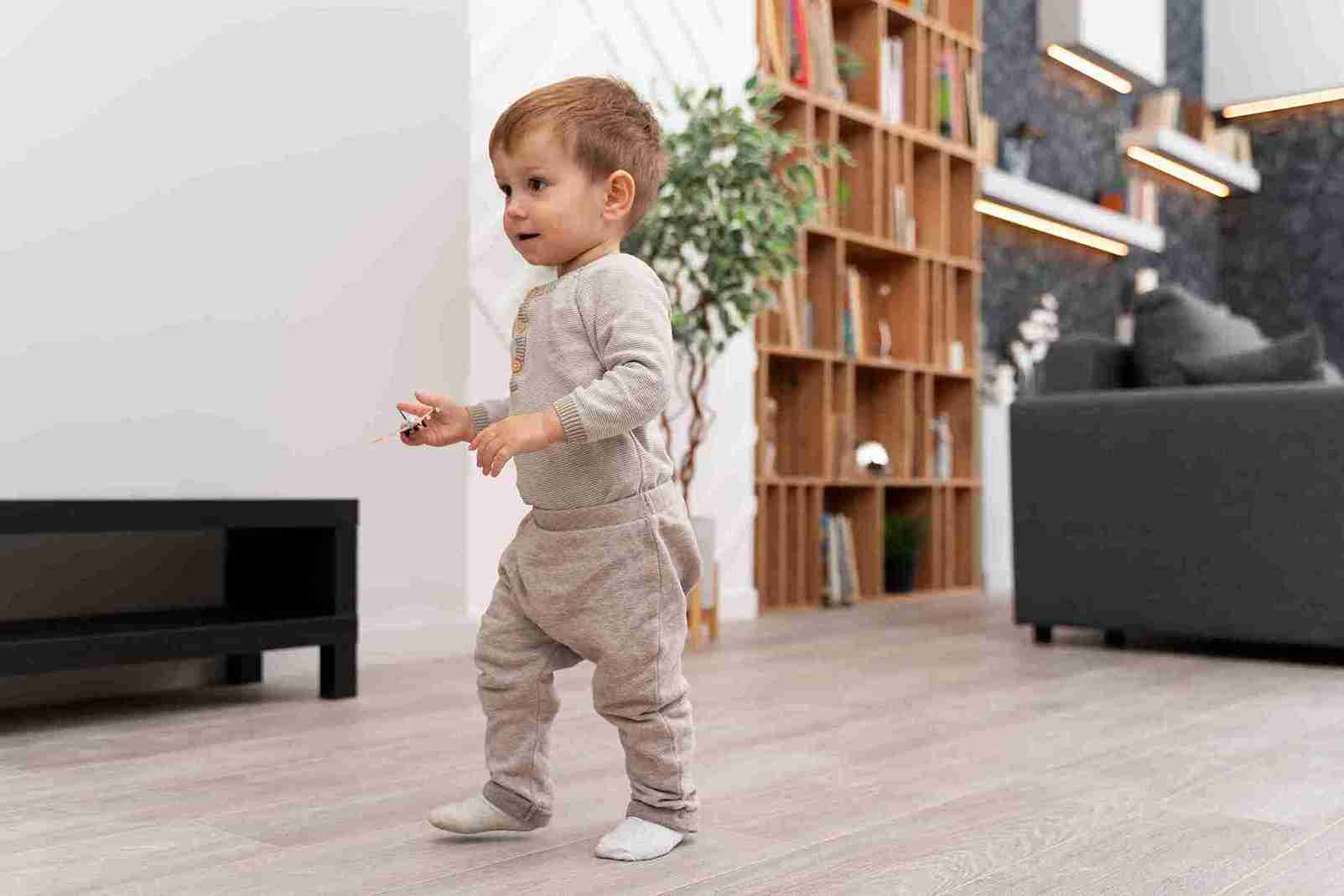
The parachute reflex is a protective, automatic response a baby will make when they feel like they're going to fall forward. They automatically extend their arms like a skydiver deploying a parachute to shield themselves from the impact of the ground.
This is referred to as the forward parachute reflex, and it's among the earliest indicators that your infant's motor control and balancing systems are building. Unlike primitive reflexes (the Moro or rooting reflex, for example), which gradually recede as the brain matures, the parachute reflex is a postural reflex, that is, it assists infants with balance and self-protection while learning to sit, crawl, and ultimately walk.
The reflex comes from the brain's motor and vestibular systems, demonstrating that your baby's body is learning to expect movement and respond accordingly. It's a transition from reflexive responses to voluntary, coordinated movements, an important developmental milestone within the first year.
There are three principal parachute reflexes: forward, sideways, and backwards, each serving to safeguard the baby against the threat of falls in other directions.
The forward parachute reflex appears first, usually around 6–7 months of age. When you gently hold your baby upright and tilt them forward, they instinctively extend their arms in front of them, fingers open, as if to break a fall.
● What it looks like: The baby extends both arms forward and may flex their wrists slightly.
● Importance: It's a good indication that the upper body strength and protective reaction of the baby are developing, to sit alone or to initiate crawling.
Sideways parachute reflex usually appears at 7–8 months. When you gently push your seated baby to one side, they extend the arm on that side to catch themselves.
● What it looks like: When the baby is pushed to the right, the arm on the right shoots out automatically to stop the baby from tipping over.
● Significance: It assists the baby in balancing when they sit and prepares them for stability when standing and walking.
The backward parachute reflex is the final one to emerge, at 9–10 months of age. When a baby is pushed back, they stretch both arms backwards for balance.
● What it looks like: The infant rapidly puts their hands behind them to avoid falling backwards.
● Significance: It establishes core balance and coordination, crucial for walking, climbing, and defending oneself during early movement.
Every type comes in turn and supports the baby's physical milestones, making transitions from sitting to crawling, and later to walking, easier.
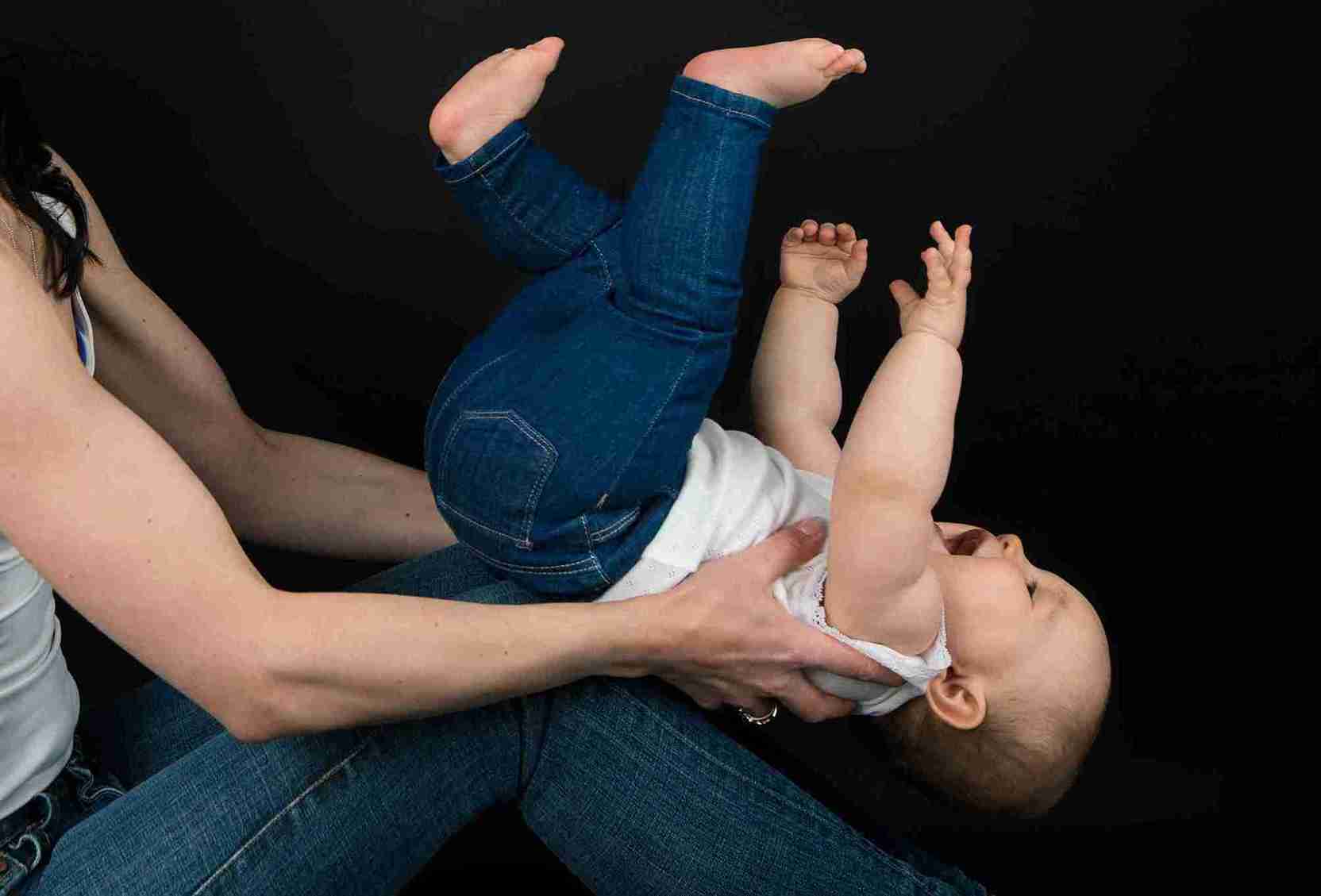
The parachute reflex occurs in stages, starting with the forward response at 6 months and finishing with the backward reflex at 10–12 months.
Whereas most primitive reflexes fade as the nervous system matures, the parachute reflex doesn't. Instead, it remains as a lifelong protective reflex, developing into the reflex adults use to catch themselves or prepare to fall.
With that said, if the parachute reflex disappears or is reduced too early after it has developed, there might be an issue with motor control or neurologic function, and this should be evaluated by a paediatrician.
Slight differences in timing are to be anticipated; some infants exhibit it a little earlier or later according to the general development. But if a significant delay occurs after 10 months, then one may need to conduct a developmental assessment.
The parachute reflex plays a key role in your baby's protective mechanisms, balance, and coordination. It signals the increasing maturity of the brain to plan its movements more intentionally. This is why it matters:
● Enhances posture and coordination: As your baby sits or crawls, this reflex helps them stabilise and prevent falls.
● Prepares for independent mobility: Arm extension to safeguard brings confidence and security with crawling, standing, and walking.
● A sign of normal neurological development: The presence of a normal and symmetrical reflex suggests good communication between the brain, spinal cord, and muscles.
● Facilitates coordination: It helps infants coordinate sensory input (vision and movement) and muscular control, a precursor to the later skills of walking and running.
In essence, this reflex is an early form of self-protection, a baby's innate response to guard against unprepared loss of balance.

While all babies develop at their own pace, a failure or absence of the parachute reflex at certain times can be a red flag for potential developmental or neurological concerns.
● The reflex does not emerge by the time your infant is 9–10 months of age.
● The reflex appears on one side alone, which indicates potential asymmetry of muscle tone or nerve function.
● The parachute reflex disappears abruptly after being normal.
In exceedingly rare circumstances, these observations may indicate possible neuromuscular disease, developmental delay, or disruption of motor pathways in the brain. A paediatric neurologist may ask for further evaluations, such as developmental screening or imaging, to ascertain the potential causes.
However, minor variation in reflex timing is typically alright – especially if otherwise the infant appears engaged, alert, and on target for other developmental milestones.
Cloudnine Hospitals is known for its holistic approach to care. Whether you are being seen during your pregnancy or for your baby’s growth and development checks, the hospital gives you individualised information for your infant's developmental milestones. Their Paediatricians assess reflexes such as the parachute reflex, but also educate parents on expected factors and possible red flags to monitor. Cloudnine's high-end facilities, coupled with a commitment to developing a baby's overall growth, make it a go-to option for parents seeking holistic care during the early years of a child.

The parachute reflex is a sign that your baby is becoming stronger, more coordinated, and neurologically mature. Showing up at about 6 months and lasting a lifetime, it's one of the most comforting signs of healthy motor development.
If you ever see delays or asymmetries, get in touch with your paediatrician.
.Early detection and reassurance help a lot in keeping your baby healthy on track.

Unlike primitive reflexes, the parachute reflex does not disappear. It typically occurs between the ages of 6 and 10 months and remains as a lifelong protective response.
Hold the baby in an upright position and slightly tilt them forward. If they stretch their arms forward as if to break a fall, the forward parachute reflex is normal. Always do this test gently and safely under professional supervision.
If the reflex doesn't develop by 9–10 months or is one-sided, it could be a sign of delayed motor or neurological development. It's always best to check with a paediatrician or child neurologist for an assessment.
Yes, it's an ordinary and normal developmental reflex. It indicates that your baby's nervous system is developing normally and getting ready for independent walking, crawling, and sitting.







 Best Gynecologists in Bellandur Best Gynecologists in Electronic City Best Gynecologists in HRBR LayoutBest Gynecologists in Jayanagar Best Gynecologists in Kanakapura RoadBest Gynecologists in Malleswaram Best Gynecologists in Nagarbhavi Best Gynecologists in Old Airport RoadBest Gynecologists in Sahakarnagar Best Gynecologists in Sarjapur RoadBest Gynecologists in ThanisandraBest Gynecologists in Varthur RoadBest Gynecologists in Whitefield Best Gynecologists in Industrial Area Phase IIBest Gynecologists in OMRBest Gynecologists in T NagarBest Gynecologists in New Industrial TownBest Gynecologists in IndirapuramBest Gynecologists in Golf Course RoadBest Gynecologists in Sector 14Best Gynecologists in Sector 47Best Gynecologists in Banjara HillsBest Gynecologists in GachibowliBest Gynecologists in Hitech CityBest Gynecologists in KompallyBest Gynecologists in Gomti NagarBest Gynecologists in MaladBest Gynecologists in NerulBest Gynecologists in VashiBest Gynecologists in Kailash ColonyBest Gynecologists in PatparganjBest Gynecologists in Punjabi BaghBest Gynecologists in VikaspuriBest Gynecologists in Gaur CityBest Gynecologists in Pari ChowkBest Gynecologists in Sector 51Best Gynecologists in Sector 5 Swastik ViharBest Gynecologists in Kalyani NagarBest Gynecologists in SB RoadBest Gynecologists in Pimple SaudagarBest Pediatricians in BellandurBest Pediatricians in Electronic CityBest Pediatricians in HRBR LayoutBest Pediatricians in JayanagarBest Pediatricians in Kanakapura RoadBest Pediatricians in MalleswaramBest Pediatricians in NagarbhaviBest Pediatricians in Old Airport RoadBest Pediatricians in SahakarnagarBest Pediatricians in Sarjapur RoadBest Pediatricians in ThanisandraBest Pediatricians in Varthur RoadBest Pediatricians in WhitefieldBest Pediatricians in Industrial Area Phase IIBest Pediatricians in OMRBest Pediatricians in T NagarBest Pediatricians in New Industrial TownshipBest Pediatricians in IndirapuramBest Pediatricians in Golf Course RoadBest Pediatricians in Sector 14Best Pediatricians in Sector 47Best Pediatricians in Hitech CityBest Pediatricians in Banjara HillsBest Pediatricians in GachibowliBest Pediatricians in KompallyBest Pediatricians in Gomti NagarBest Pediatricians in MaladBest Pediatricians in NerulBest Pediatricians in VashiBest Pediatricians in Kailash ColonyBest Pediatricians in PatparganjBest Pediatricians in Punjabi BaghBest Pediatricians in VikaspuriBest Pediatricians in Gaur CityBest Pediatricians in Pari ChowkBest Pediatricians in Sector 51Best Pediatricians in Sector 5 Swastik ViharBest Pediatricians in Kalyani NagarBest Pediatricians in SB RoadBest Pediatricians in Pimple Saudagar


