
A PICU, or Paediatric Intensive Care Unit, is an intensive care hospital unit that caters to kids who are severely ill or after serious operations. For those asking what is PICU, it is a specialised unit equipped with modern monitoring equipment, life-support devices, and advanced machinery to ensure children with serious medical conditions receive continuous attention.
The function of a PICU is to provide intensive observation and medical treatment for young kids who require ongoing monitoring, prompt interventions, or greater support of life. From surgeries to infections, PICUs are created to stabilise and treat kids in various stages of illness.
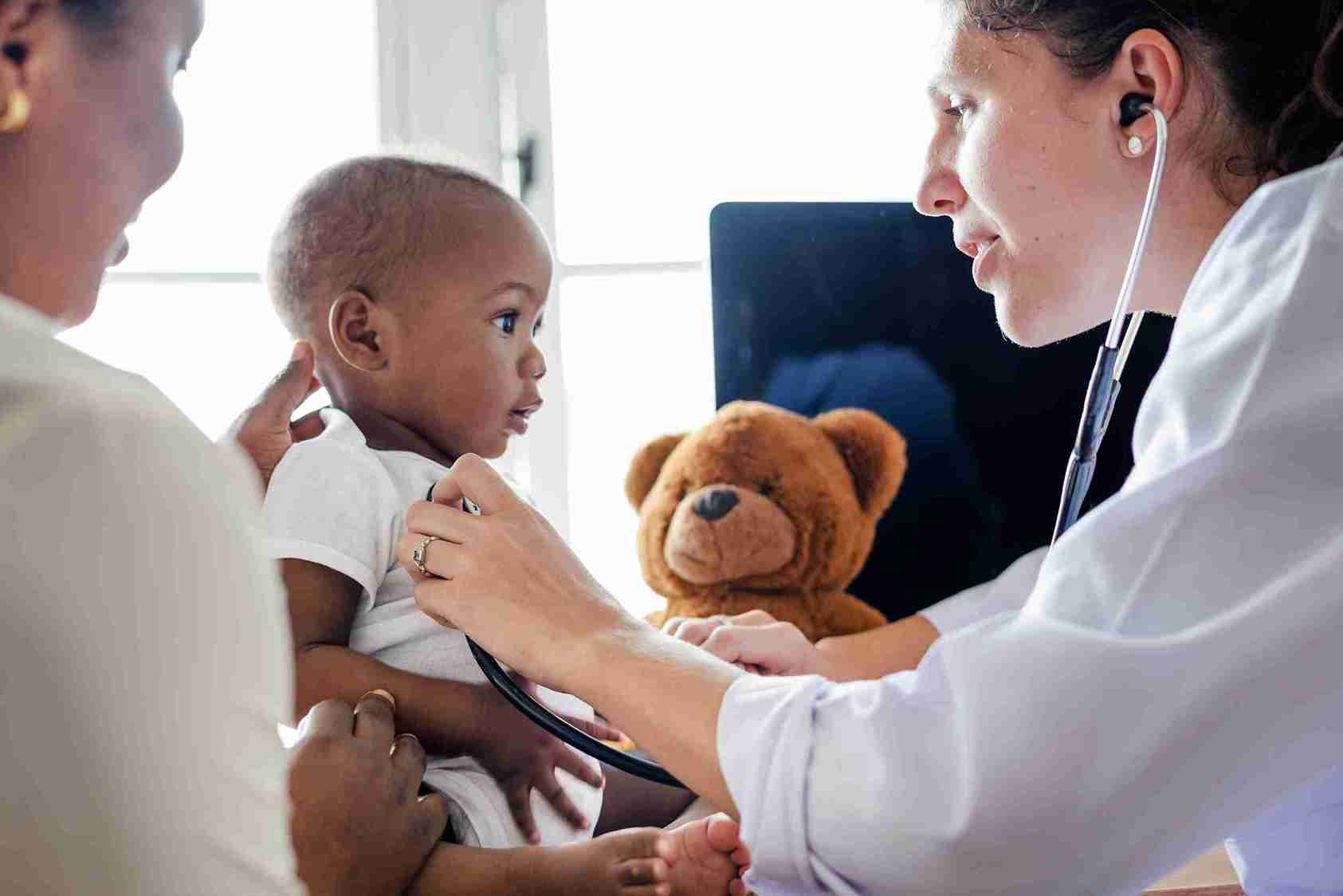
PICU is an abbreviation for Pediatric Intensive Care Unit. The unit plays a critical role in handling emergencies, severe infections, trauma, or post-surgical recovery in children.
The PICU receives a wide age range, ranging from newborns and infants to children, as well as adolescents, with advanced care for conditions requiring constant monitoring and expert medical interventions. With close monitoring and rapid treatment, PICUs facilitate increased survival rates and extended recoveries in children who are critically ill.
PICU environments are very specialised, where surveillance and intensive treatment take precedence. Each child's vital signs, like heart rate, oxygen saturation, and respiratory rate, are continuously monitored.
The number of nurses per patient is much more than in the general wards to ensure that the individual needs of each child are met at an individual level, with a speedy response to any change in a child's condition.
If you’re wondering: “What happens in a picu?”, some examples of common treatments and interventions in a PICU include:
Parents may have limited visiting hours to comfort the child emotionally without hindering the medical team from attending to the child around the clock.
Children can be admitted to the PICU for a variety of reasons, such as:
These requirements require special attention, high-level medical care, and close observation to prevent complications and ensure recovery.

Management of critically ill children in a PICU requires an interdisciplinary team of:
The PICU is equipped with ventilators, infusion pumps, cardiac monitors, and advanced life-support systems for monitoring and quick intervention at any time. Ever-present coordination between doctors, nurses, and therapists ensures that children enjoy 24/7 intensive care.
It is emotionally taxing to have a child in a PICU, therefore, hospitals tend to provide counselling, regular updates, and timed visiting hours to reduce stress for parents.
Parents should be encouraged to ask questions, participate in discussions regarding care, and stay informed about their child's recovery. Psychological support from the health care team, combined with family members on site, plays a critical role in managing anxiety and promoting healing for the child.
Even though all three units provide intensive care, the PICU is unique among the others in catering to the physical and psychological demands of children, by way of specialised equipment and specially trained personnel in pediatric care.
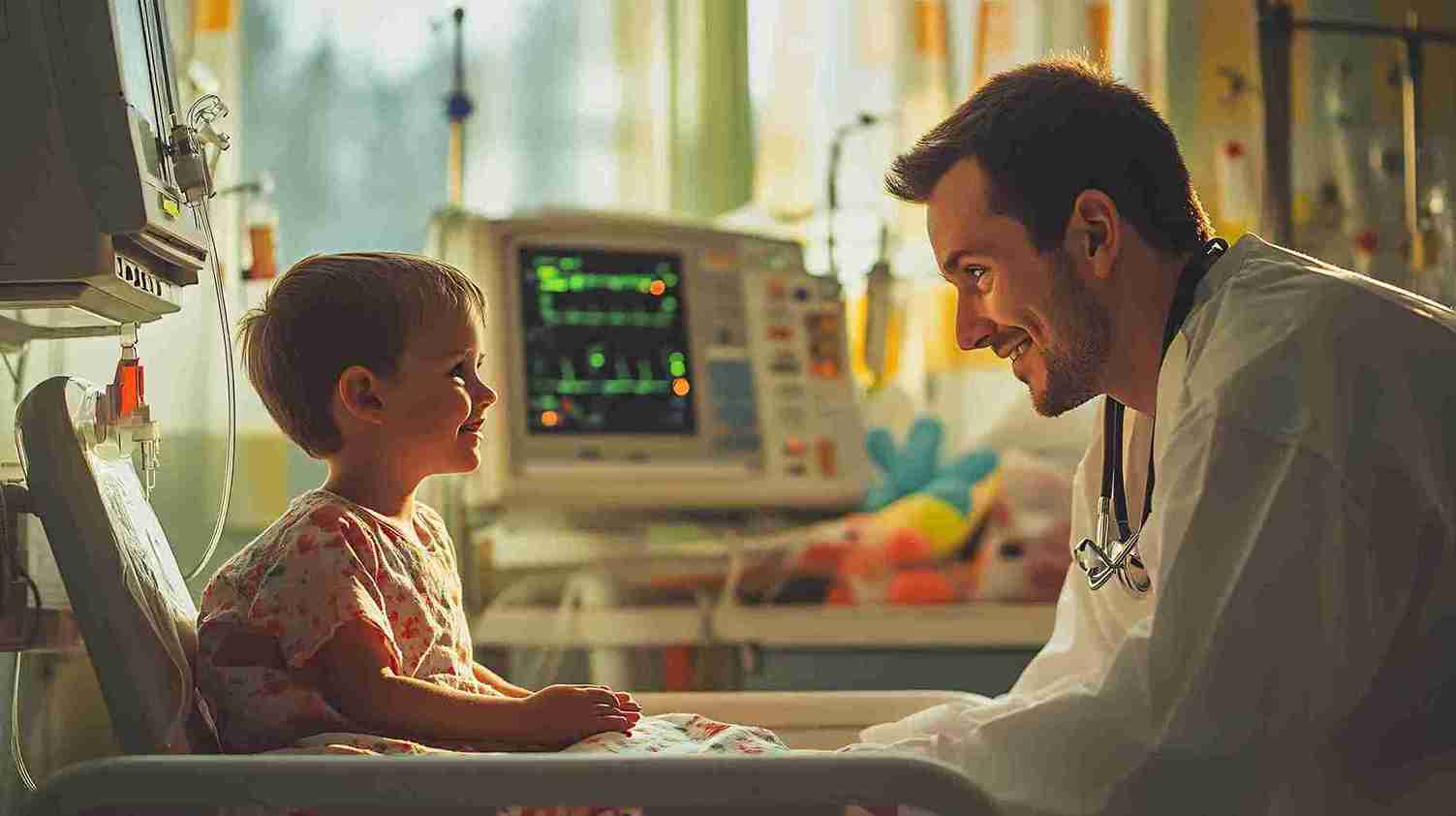
PICUs are an integral part of the health care system, providing life-support therapy, specialised monitoring, and post-operative care for severely ill children. By combining new technology, expert medical teams, and emotional support for families, PICUs improve survival rates and allow children to recover fully from critical illnesses.
With intensive treatment in a PICU, children with life-threatening diseases have a much higher chance of survival, which makes the unit's function imperative in paediatric care.
Cloudnine stands out with its child-centric, overall care, with state-of-the-art PICU facilities, along with a highly skilled multidisciplinary team. Along with personalised treatment plans, real-time tracking, and special family support, Cloudnine provides medical excellence with emotional reassurance, making it a trusted destination for serious child care.
PICUs are not just about stabilising the health of a child; they also target long-term recovery, growth, and developmental outcomes. Through continuous monitoring, real-time response treatment, and a multidisciplinary care system, PICUs guarantee that even the most complex cases of health are treated with precision and care. The presence of PICUs has become imperative in today's healthcare systems, ultimately saving lives and crafting healthier futures for young patients.


PICU provides close monitoring, life-supporting, and specialised care for critically ill kids, and they bring immediate attention to critical medical conditions.
Infants and children with serious infections, respiratory distress, trauma, postoperative needs, or neurological illnesses are typically admitted to the PICU.
PICUs have kids ranging from newborns and infants to adolescents, depending on hospital policy and the child's medical needs.
Common diseases treated are respiratory infections (e.g., pneumonia and bronchiolitis), sepsis, and surgery or trauma complications.







 Best Gynecologists in Bellandur Best Gynecologists in Electronic City Best Gynecologists in HRBR LayoutBest Gynecologists in Jayanagar Best Gynecologists in Kanakapura RoadBest Gynecologists in Malleswaram Best Gynecologists in Nagarbhavi Best Gynecologists in Old Airport RoadBest Gynecologists in Sahakarnagar Best Gynecologists in Sarjapur RoadBest Gynecologists in ThanisandraBest Gynecologists in Varthur RoadBest Gynecologists in Whitefield Best Gynecologists in Industrial Area Phase IIBest Gynecologists in OMRBest Gynecologists in T NagarBest Gynecologists in New Industrial TownBest Gynecologists in IndirapuramBest Gynecologists in Golf Course RoadBest Gynecologists in Sector 14Best Gynecologists in Sector 47Best Gynecologists in Banjara HillsBest Gynecologists in GachibowliBest Gynecologists in Hitech CityBest Gynecologists in KompallyBest Gynecologists in Gomti NagarBest Gynecologists in MaladBest Gynecologists in NerulBest Gynecologists in VashiBest Gynecologists in Kailash ColonyBest Gynecologists in PatparganjBest Gynecologists in Punjabi BaghBest Gynecologists in VikaspuriBest Gynecologists in Gaur CityBest Gynecologists in Pari ChowkBest Gynecologists in Sector 51Best Gynecologists in Sector 5 Swastik ViharBest Gynecologists in Kalyani NagarBest Gynecologists in SB RoadBest Gynecologists in Pimple SaudagarBest Pediatricians in BellandurBest Pediatricians in Electronic CityBest Pediatricians in HRBR LayoutBest Pediatricians in JayanagarBest Pediatricians in Kanakapura RoadBest Pediatricians in MalleswaramBest Pediatricians in NagarbhaviBest Pediatricians in Old Airport RoadBest Pediatricians in SahakarnagarBest Pediatricians in Sarjapur RoadBest Pediatricians in ThanisandraBest Pediatricians in Varthur RoadBest Pediatricians in WhitefieldBest Pediatricians in Industrial Area Phase IIBest Pediatricians in OMRBest Pediatricians in T NagarBest Pediatricians in New Industrial TownshipBest Pediatricians in IndirapuramBest Pediatricians in Golf Course RoadBest Pediatricians in Sector 14Best Pediatricians in Sector 47Best Pediatricians in Hitech CityBest Pediatricians in Banjara HillsBest Pediatricians in GachibowliBest Pediatricians in KompallyBest Pediatricians in Gomti NagarBest Pediatricians in MaladBest Pediatricians in NerulBest Pediatricians in VashiBest Pediatricians in Kailash ColonyBest Pediatricians in PatparganjBest Pediatricians in Punjabi BaghBest Pediatricians in VikaspuriBest Pediatricians in Gaur CityBest Pediatricians in Pari ChowkBest Pediatricians in Sector 51Best Pediatricians in Sector 5 Swastik ViharBest Pediatricians in Kalyani NagarBest Pediatricians in SB RoadBest Pediatricians in Pimple Saudagar


