






The changes that come with pregnancy can be remarkable, transforming your body, sensory perception and palate. One minute you’re an all-you-can-eat potato lover; the next, you’re gagging at the sight of batata vada and aloo raita. Then, there’s your belly, that’s ballooning incredibly quickly, and nudging other parts of your body to follow suit. If that’s you, congratulations! It won’t be long until you meet your new little bubba. Until then, buckle in, embrace the changes and let us tell you what you can expect in the months to come!
Click here to Consult The Best Pregnancy Doctors in Chandigarh
Elevated levels of oestrogen and progesterone can cause an array of physical and emotional shifts during pregnancy. These hormones promote the effective transfer of nutrients, the formation of blood vessels and fetal growth. They also change how the body responds to physical activity and exercise during pregnancy.
Oestrogen produced during one pregnancy exceeds the corresponding amount produced during a lifetime of non-pregnancy. Oestrogen levels increase throughout pregnancy, reaching an all-time high during the third trimester. Rising hormone levels during the first three months of pregnancy may cause certain symptoms, like nausea and vomiting. During the second trimester, a growth in hormone reserves helps boost the development of the mammary glands, in turn, enlarging the breasts.
Progesterone, the second hormone responsible for supporting pregnancy, also witnesses rapid growth in the months following conception. This rise increases the elasticity of ligaments and joints, making them more susceptible to injury. Progesterone also governs the expansion of the uterus, ureters and other organs through pregnancy.
You Would Also Like To Read: Pregnancy Diet Importance Of Essential Nutrients
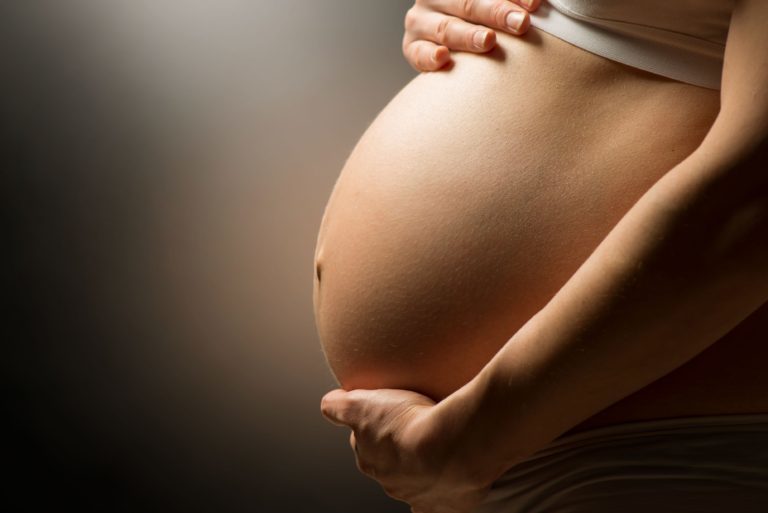
That gorgeous glow you spy in the mirror? You have hormones to thank for that. But more than just your physical appearance, hormones play a significant role in controlling the way your body responds to exercise, fluid retention and metabolic shifts.
It’s a good idea to stay active during pregnancy, but it’s advisable to adopt a scaled-down version of your pre-pregnancy exercise routine. Ligaments and joints become lax when you’re expecting a baby, leaving room for sprains and injuries to the calf, hamstring and knee. Prenatal yoga and gentle pregnancy exercises are good options to pursue under the supervision of an expert.
Postural changes are natural during pregnancy given the physical shifts that occur, such as breast expansion and abdomen enlargement. As a result of the redistribution of weight, it is likely that a woman’s posture will change as the curvature of her back increases. Pregnancy yoga can soothe these physical changes, and work as a remedy for back pain.
Weight gain during pregnancy may be caused by a variety of influences, including fluid retention, growth of the baby and metabolic changes. A rise in weight puts an additional load on the body, slowing down physical activity and circulation of blood and nutrients. This slow-down can cause retention of fluids, in turn giving rise to swelling and inflammation of the face, feet and joints.
Fluid retention can lead to a further increase in weight, creating a circle of symptoms. Swelling can be controlled with adequate rest and an increase in dietary potassium and protein. Salt intake needn’t be reduced but high-salt foods like papad, pickles and sauces are better avoided.

Pregnancy extracts more energy out of you, even while you’re resting. The resting metabolic rate, which measures the quantum of energy exerted during periods of rest, rockets during pregnancy.
That’s why it’s common to feel hungrier and more tired while pregnant because all that extra energy gets channelled into nourishing your baby and transforming your body. The metabolic rate multiplies early into the second trimester and begins plateauing once a pregnancy reaches full term.
While increased metabolism is important to maintain a healthy pregnancy, it can also cause conditions like low blood sugar and hypoglycemia. Elevated metabolism continues through the weeks following delivery, helping to keep up the momentum in the early weeks of breastfeeding. Small and frequent meals can help with this.
As your due date comes into focus, you’ll experience an assortment of bodily changes; some visible, others not so much. Being aware of them and staying fit and healthy can help you stay on top of your pregnancy game. And soon enough, these hormones will be a thing of the past.
Must Read: Probiotics And Prebiotics In The Pregnancy Diet
Want to consult the best gynecologists in India? Please find the links below.
Want to consult the best Maternity Packages in India? Please find the links below.

Some common symptoms of hormonal changes during pregnancy are changes in breast size and sensitivity, nausea, fatigue, increased urination, changes in skin, mood swings, anxiety, feeling stressed more often, irritability, headaches, and dizziness. Not all pregnant women experience all of these symptoms, and some may experience different symptoms too.
Some common physical changes during pregnancy, apart from the growing baby bump, are changes in breast size, weight gain or weight loss due to excess vomiting or food aversions, swollen feet, achy joints, changes in skin, and changes in digestion.
The impact of pregnancy differs from woman to woman. Some women may become more emotional and start crying easily, while some may get angry or irritated easily. An increase in anxiety and depression is also common in pregnancy. Feeling tired easily, wanting to take breaks or naps during the day, sleeping more or less during the night are all common changes in pregnancy.
The oxytocin hormone is responsible for labour. It triggers contractions when it is time for delivery and also helps push the baby out. Oxytocin is responsible for releasing prostaglandins, a hormone responsible for the ripening and dilation of the cervix.


 Best Gynecologists in Bellandur Best Gynecologists in Electronic City Best Gynecologists in HRBR LayoutBest Gynecologists in Jayanagar Best Gynecologists in Kanakapura RoadBest Gynecologists in Malleswaram Best Gynecologists in Nagarbhavi Best Gynecologists in Old Airport RoadBest Gynecologists in Sahakarnagar Best Gynecologists in Sarjapur RoadBest Gynecologists in ThanisandraBest Gynecologists in Varthur RoadBest Gynecologists in Whitefield Best Gynecologists in Industrial Area Phase IIBest Gynecologists in OMRBest Gynecologists in T NagarBest Gynecologists in New Industrial TownBest Gynecologists in IndirapuramBest Gynecologists in Golf Course RoadBest Gynecologists in Sector 14Best Gynecologists in Sector 47Best Gynecologists in Banjara HillsBest Gynecologists in GachibowliBest Gynecologists in Hitech CityBest Gynecologists in KompallyBest Gynecologists in Gomti NagarBest Gynecologists in Phase 3, Sector 58Best Gynecologists in MaladBest Gynecologists in NerulBest Gynecologists in VashiBest Gynecologists in Kailash ColonyBest Gynecologists in PatparganjBest Gynecologists in Punjabi BaghBest Gynecologists in VikaspuriBest Gynecologists in Gaur CityBest Gynecologists in Pari ChowkBest Gynecologists in Sector 51Best Gynecologists in Sector 5 Swastik ViharBest Gynecologists in Kalyani NagarBest Gynecologists in SB RoadBest Gynecologists in Pimple SaudagarBest Pediatricians in BellandurBest Pediatricians in Electronic CityBest Pediatricians in HRBR LayoutBest Pediatricians in JayanagarBest Pediatricians in Kanakapura RoadBest Pediatricians in MalleswaramBest Pediatricians in NagarbhaviBest Pediatricians in Old Airport RoadBest Pediatricians in SahakarnagarBest Pediatricians in Sarjapur RoadBest Pediatricians in ThanisandraBest Pediatricians in Varthur RoadBest Pediatricians in WhitefieldBest Pediatricians in Industrial Area Phase IIBest Pediatricians in OMRBest Pediatricians in T NagarBest Pediatricians in New Industrial TownshipBest Pediatricians in IndirapuramBest Pediatricians in Golf Course RoadBest Pediatricians in Sector 14Best Pediatricians in Sector 47Best Pediatricians in Hitech CityBest Pediatricians in Banjara HillsBest Pediatricians in GachibowliBest Pediatricians in KompallyBest Pediatricians in Gomti NagarBest Pediatricians in Phase 3, Sector 58Best Pediatricians in MaladBest Pediatricians in NerulBest Pediatricians in VashiBest Pediatricians in Kailash ColonyBest Pediatricians in PatparganjBest Pediatricians in Punjabi BaghBest Pediatricians in VikaspuriBest Pediatricians in Gaur CityBest Pediatricians in Pari ChowkBest Pediatricians in Sector 51Best Pediatricians in Sector 5 Swastik ViharBest Pediatricians in Kalyani NagarBest Pediatricians in SB RoadBest Pediatricians in Pimple Saudagar


