
Mangoes, popularly referred to as the "king of fruits," are not just tasty but also nutrient-dense foods for a healthy pregnancy. With vitamin C, A, folate, potassium and dietary fibre, mangoes can both energise and provide care to pregnant women. They have antioxidants that prevent cell damage, boost immunity and promote digestion. This renders mangoes more than just sweet treats; they can be a healthy complement to a pregnancy diet when consumed in moderation.
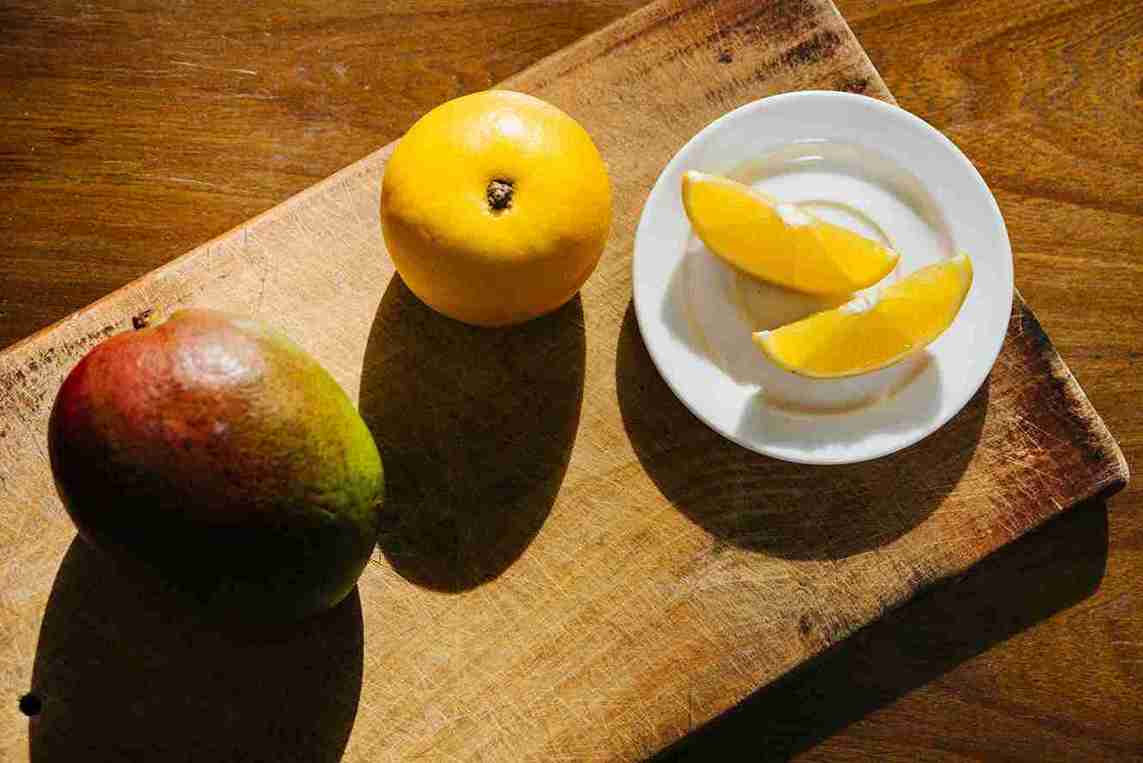
The addition of mango in pregnancy can provide a number of health advantages for both mother and developing baby:
During the first trimester, it is okay to eat mangoes in moderation. The vitamins B6 and folate in mango assist with the development of the fetus's brain and nervous system early on. Mango also helps make morning sickness and nausea worse by being naturally sweet and keeping the body hydrated.
Tip: Opt for fresh, ripe mangoes rather than processed juices, canned or pickled mangoes that can have added sugar, preservatives or too much salt.
During the second trimester, the body demands more nutrients as the fetus develops quickly. Consuming mango during this period can give energy and promote healthy digestion. Potassium in mangoes can reduce leg cramps, and antioxidants guard against free radical damage. Sustained intake can also curb sweet cravings in a healthier manner than processed desserts.
During the third trimester, the risk of gestational diabetes and acid reflux is increased. Although mangoes are still a healthy and safe option, portion control is highly essential. Restricting to one medium-sized mango daily is advised to prevent peaks in blood sugar levels. If a woman experiences acidity or bloating, it's best to consume mangoes during the day and not before bed.
The majority of nutritionists recommend one medium mango (diced equivalent of about 1 cup) a day as being safe during pregnancy. It is advisable to consume mangoes with other fruits so that the diet remains balanced and there is no overload of sugar. Excessive consumption of mangoes can result in weight gain, gastrointestinal upset or elevated blood sugar levels.

Although mangoes are nutritious, some risks need to be considered:
Do not consume mango milkshakes or store-bought mango juices containing sugar and preservatives.
You need to avoid or restrict mangoes if:
At Cloudnine, we believe that each pregnancy is different and that nutritional requirements may be different for each person. That is why our specialists offer customised diet plans and advice so that the mother and baby get the optimum amount of nutrients. From healthy food selection to cravings management and medical conditions such as gestational diabetes, Cloudnine's all-around approach makes you feel cared for at each phase of your journey.

Mangoes are nutritious and safe to eat during pregnancy if taken in small quantities. They contain essential vitamins, minerals and antioxidants, which contribute to maternal well-being and the growth of the fetus. The idea is to select naturally ripe, clean and fresh mangoes and avoid excessive consumption as well as processed ones.
Always talk to your doctor if you plan to make significant dietary changes, particularly if you have gestational diabetes, digestive problems or other pregnancy complications. With moderation, mangoes can be a tasty, healthy addition to your pregnancy diet.

Yes, homemade mango lassi made with fresh mango and yoghurt can be safe and cooling. Avoid high-sugar or artificially flavoured versions.
Yes, mango in pregnancy is good as it provides vitamins, minerals and fibre. Just remember to eat it in moderation.
Daytime is best, ideally mid-morning or as an afternoon snack, so that sugar is better digested and energy is sustained.
Hormonal shifts during pregnancy tend to heighten the need for sweet and juicy fruits such as mangoes. They also give immediate energy and hydration.







 Best Gynecologists in Bellandur Best Gynecologists in Electronic City Best Gynecologists in HRBR LayoutBest Gynecologists in Jayanagar Best Gynecologists in Kanakapura RoadBest Gynecologists in Malleswaram Best Gynecologists in Nagarbhavi Best Gynecologists in Old Airport RoadBest Gynecologists in Sahakarnagar Best Gynecologists in Sarjapur RoadBest Gynecologists in ThanisandraBest Gynecologists in Varthur RoadBest Gynecologists in Whitefield Best Gynecologists in Industrial Area Phase IIBest Gynecologists in OMRBest Gynecologists in T NagarBest Gynecologists in New Industrial TownBest Gynecologists in IndirapuramBest Gynecologists in Golf Course RoadBest Gynecologists in Sector 14Best Gynecologists in Sector 47Best Gynecologists in Banjara HillsBest Gynecologists in GachibowliBest Gynecologists in Hitech CityBest Gynecologists in KompallyBest Gynecologists in Gomti NagarBest Gynecologists in MaladBest Gynecologists in NerulBest Gynecologists in VashiBest Gynecologists in Kailash ColonyBest Gynecologists in PatparganjBest Gynecologists in Punjabi BaghBest Gynecologists in VikaspuriBest Gynecologists in Gaur CityBest Gynecologists in Pari ChowkBest Gynecologists in Sector 51Best Gynecologists in Sector 5 Swastik ViharBest Gynecologists in Kalyani NagarBest Gynecologists in SB RoadBest Gynecologists in Pimple SaudagarBest Pediatricians in BellandurBest Pediatricians in Electronic CityBest Pediatricians in HRBR LayoutBest Pediatricians in JayanagarBest Pediatricians in Kanakapura RoadBest Pediatricians in MalleswaramBest Pediatricians in NagarbhaviBest Pediatricians in Old Airport RoadBest Pediatricians in SahakarnagarBest Pediatricians in Sarjapur RoadBest Pediatricians in ThanisandraBest Pediatricians in Varthur RoadBest Pediatricians in WhitefieldBest Pediatricians in Industrial Area Phase IIBest Pediatricians in OMRBest Pediatricians in T NagarBest Pediatricians in New Industrial TownshipBest Pediatricians in IndirapuramBest Pediatricians in Golf Course RoadBest Pediatricians in Sector 14Best Pediatricians in Sector 47Best Pediatricians in Hitech CityBest Pediatricians in Banjara HillsBest Pediatricians in GachibowliBest Pediatricians in KompallyBest Pediatricians in Gomti NagarBest Pediatricians in MaladBest Pediatricians in NerulBest Pediatricians in VashiBest Pediatricians in Kailash ColonyBest Pediatricians in PatparganjBest Pediatricians in Punjabi BaghBest Pediatricians in VikaspuriBest Pediatricians in Gaur CityBest Pediatricians in Pari ChowkBest Pediatricians in Sector 51Best Pediatricians in Sector 5 Swastik ViharBest Pediatricians in Kalyani NagarBest Pediatricians in SB RoadBest Pediatricians in Pimple Saudagar


