
If you have autoimmune conditions and want to start planning a family, you may wonder how it may affect your pregnancy. Autoimmune conditions occur when the immune system mistakenly targets its own body, causing inflammation and other issues. Type 1 diabetes, lupus, multiple sclerosis and rheumatoid arthritis are some autoimmune conditions. While dealing with an autoimmune disease makes pregnancy complex, the good news is that with careful management and planning, most women can have healthy pregnancies. Here you will learn about the effects of autoimmune diseases and pregnancy, as well as management tips and strategies to protect both you and your baby during this journey.

Autoimmune conditions can affect your pregnancy in many ways, depending on the specific disease you have. Some women may not experience any impact, while others may face some challenges in their pregnancy. Here’s how different autoimmune conditions may affect pregnancy.
Autoimmune conditions may affect fertility directly or because of the medications used for managing them. For example, antiphospholipid syndrome or lupus may raise blood clot risks, which may affect fertility. Methotrexate and other medicines, which are commonly used for rheumatoid arthritis, are not prescribed during pregnancy. It may also affect ovulation, and hence, you must discuss it with your healthcare provider before you plan to start a family so that they can make proper adjustments if needed.
Pregnancy with an autoimmune disorder has certain risks for both the mother and her baby. These risks include low birth weight, preterm birth, miscarriage or preeclampsia. The risks depend on the disorder you have and how it is managed. For instance, an expectant mother with lupus is at a high risk of preeclampsia; if she has multiple sclerosis, she may have mobility and fatigue issues, especially in the last trimester, and if a woman has type 1 diabetes, she should control her blood sugar to decrease pregnancy complications.

Careful management is the key to a healthy pregnancy for a woman with an autoimmune condition. When you follow the right management approach, you can reduce the risks and have a healthy pregnancy. Here are a few strategies to manage autoimmune diseases during pregnancy.
If you have an autoimmune condition, consult an expert before conception. An OBG , Rheumatologist & a Physician all should be consulted. This will help you gain insights about how the autoimmune disease might impact your pregnancy, steps to take to reduce risks and treatment options. During this consultation, your healthcare provider may recommend medication adjustments, as some drugs to treat autoimmune conditions may be unsafe for pregnancy. Use this opportunity to discuss ways to enhance your health and lifestyle changes, like exercise and diet.
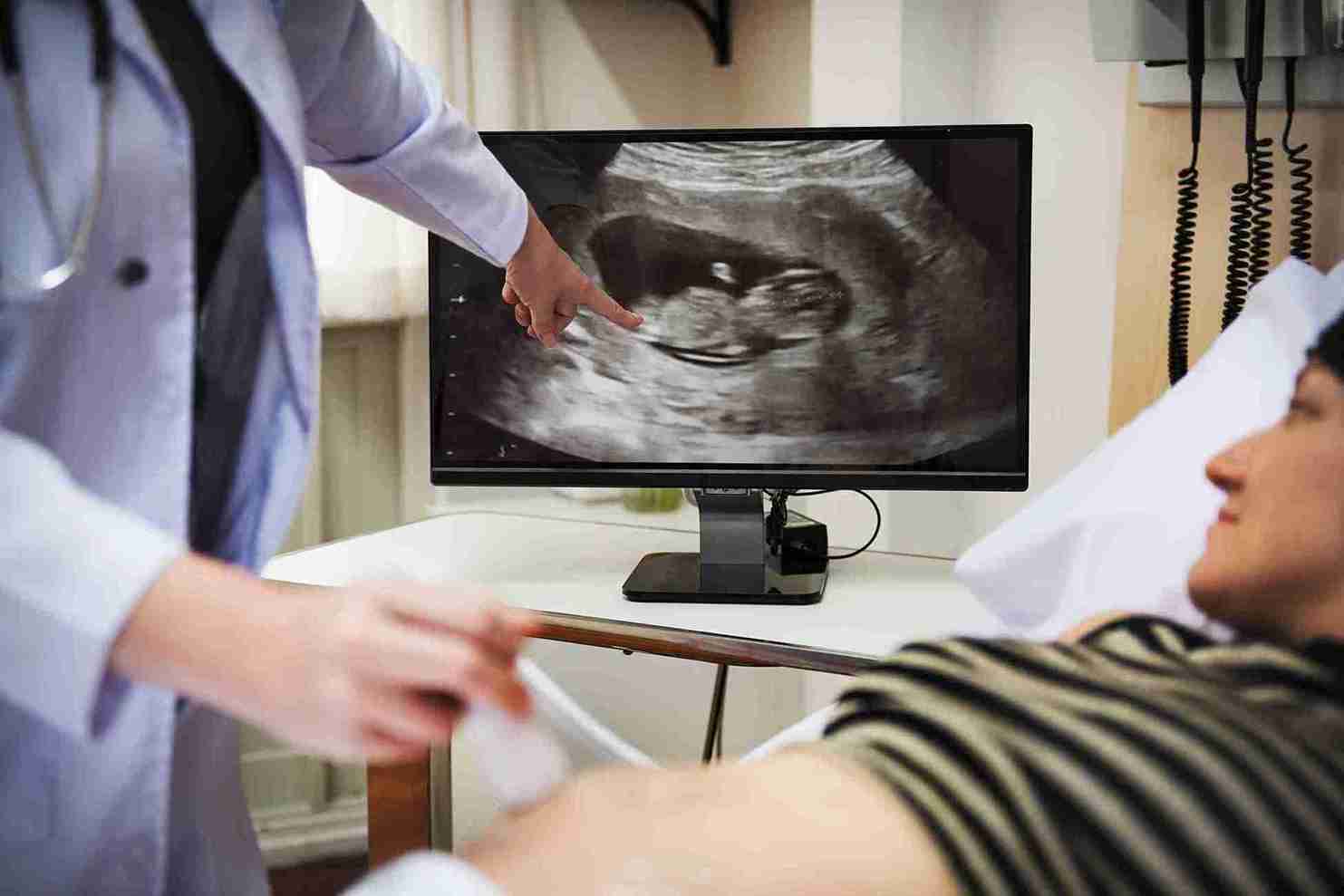
Regular management is crucial during pregnancy. Your healthcare provider may schedule frequent prenatal visits to monitor the baby’s development and your health. Based on your condition, you may have to see a fetal medicine specialist, rheumatologist or an OB/GYN who will offer personalised care. By doing this, any potential complications can be caught early, and timely interventions can be done.
To manage your autoimmune condition during pregnancy, it is essential to continue medication. However, some adjustments may be made to make it safe for your baby given your condition severity and doctor’s assessment of your condition. For instance, certain NSAIDs (nonsteroidal anti-inflammatory drugs) and immunosuppressive drugs may be harmful and need to be replaced with alternatives. Consult your healthcare provider to know the safe medications during pregnancy before changing your regular medicines.
Pregnancy is typically a stressful time; add to it if you are dealing with autoimmune diseases, and it becomes even more challenging. So you should manage stress to maintain your overall health. Prenatal yoga, practising mindfulness and meditation can help you stay focused and calm. Additionally, staying active through exercises that support your physical and mental well-being is also critical. Discuss exercise options that are safe for your condition with your doctor to limit exertion.
Eating a nutritious and balanced diet is critical for all expectant mothers, but especially important if you have an autoimmune condition. A healthy diet helps manage inflammation and boosts overall health. Ensure you consume lean proteins, fruits, whole grains and vegetables. Work with a dietitian if you have specific dietary needs due to your condition to meet all your nutritional needs that support your pregnancy.
If you have an autoimmune condition, it's best to get your disease under control before you try to get pregnant. When your condition is calm or not very active, you're more likely to have a healthy pregnancy. Your doctor may suggest working on your health for a few months before you try to have a baby. This might means making changes to your daily habits, like eating better or exercising in limits. The goal is to make your autoimmune condition as stable as possible before you become pregnant.
These are essential for the baby’s development and growth. Folic acid is one such prenatal vitamin that prevents neural tube defects. Your doctor may prescribe a specific prenatal vitamin that supports your health and autoimmune condition.
Regular tests and ultrasound help in monitoring the baby’s development and growth throughout pregnancy. If you have a high-risk pregnancy, more tests are recommended to make sure the baby grows as expected.
After the baby is born, it is critical to continue autoimmune disease management, as a few women may have flare-ups during postpartum. Additionally, if you want to breastfeed your baby, you should discuss whether the medications that you take for your autoimmune condition are safe for a nursing baby. A proactive plan for management is critical for multiple sclerosis patients, as they may have a relapse in postpartum. Regualr follow up with your doctor is necessary as a prevention to avoidable complications.

Having an autoimmune condition can make pregnancy little complicated. You can have a better pregnancy by taking care of your condition and planning. Every woman is different, and every pregnancy is different. It is important to listen to your body and consult your doctor for help when needed.

Yes. You can have a healthy pregnancy with an autoimmune condition.
They can make it harder to get pregnant, cause your symptoms to get worse and lead to pregnancy problems like having a small baby, early labour or high blood pressure.
That depends on which autoimmune condition you have.
Lupus, multiple sclerosis, type 1 diabetes and rheumatoid arthritis are some autoimmune conditions that are considered high-risk during pregnancy.







 Best Gynecologists in Bellandur Best Gynecologists in Electronic City Best Gynecologists in HRBR LayoutBest Gynecologists in Jayanagar Best Gynecologists in Kanakapura RoadBest Gynecologists in Malleswaram Best Gynecologists in Nagarbhavi Best Gynecologists in Old Airport RoadBest Gynecologists in Sahakarnagar Best Gynecologists in Sarjapur RoadBest Gynecologists in ThanisandraBest Gynecologists in Varthur RoadBest Gynecologists in Whitefield Best Gynecologists in Industrial Area Phase IIBest Gynecologists in OMRBest Gynecologists in T NagarBest Gynecologists in New Industrial TownBest Gynecologists in IndirapuramBest Gynecologists in Golf Course RoadBest Gynecologists in Sector 14Best Gynecologists in Sector 47Best Gynecologists in Banjara HillsBest Gynecologists in GachibowliBest Gynecologists in Hitech CityBest Gynecologists in KompallyBest Gynecologists in Jawahar NagarBest Gynecologists in Gomti NagarBest Gynecologists in Phase 3, Sector 58Best Gynecologists in MaladBest Gynecologists in NerulBest Gynecologists in VashiBest Gynecologists in Kailash ColonyBest Gynecologists in PatparganjBest Gynecologists in Punjabi BaghBest Gynecologists in RohiniBest Gynecologists in VikaspuriBest Gynecologists in Gaur CityBest Gynecologists in Pari ChowkBest Gynecologists in Sector 51Best Gynecologists in Sector 5 Swastik ViharBest Gynecologists in Kalyani NagarBest Gynecologists in SB RoadBest Gynecologists in Pimple SaudagarBest Pediatricians in BellandurBest Pediatricians in Electronic CityBest Pediatricians in HRBR LayoutBest Pediatricians in JayanagarBest Pediatricians in Kanakapura RoadBest Pediatricians in MalleswaramBest Pediatricians in NagarbhaviBest Pediatricians in Old Airport RoadBest Pediatricians in SahakarnagarBest Pediatricians in Sarjapur RoadBest Pediatricians in ThanisandraBest Pediatricians in Varthur RoadBest Pediatricians in WhitefieldBest Pediatricians in Industrial Area Phase IIBest Pediatricians in OMRBest Pediatricians in T NagarBest Pediatricians in New Industrial TownshipBest Pediatricians in IndirapuramBest Pediatricians in Golf Course RoadBest Pediatricians in Sector 14Best Pediatricians in Sector 47Best Pediatricians in Hitech CityBest Pediatricians in Banjara HillsBest Pediatricians in GachibowliBest Pediatricians in KompallyBest Pediatricians in Jawahar NagarBest Pediatricians in Gomti NagarBest Pediatricians in Phase 3, Sector 58Best Pediatricians in MaladBest Pediatricians in NerulBest Pediatricians in VashiBest Pediatricians in Kailash ColonyBest Pediatricians in PatparganjBest Pediatricians in Punjabi BaghBest Pediatricians in RohiniBest Pediatricians in VikaspuriBest Pediatricians in Gaur CityBest Pediatricians in Pari ChowkBest Pediatricians in Sector 51Best Pediatricians in Sector 5 Swastik ViharBest Pediatricians in Kalyani NagarBest Pediatricians in SB RoadBest Pediatricians in Pimple Saudagar


