





Pregnancy is a crucial phase in a woman’s life and so, several aspects of health need to be monitored to ensure the overall well-being of the expectant mother and her baby. One important but often overlooked area is liver health.
In this article, we shall take a look at some of the foods good for liver during pregnancy, as well as the foods that ought to be avoided.
The liver is an important organ and gland in the body, performing hundreds of essential functions, like:
● Clearing out toxins from the blood
● Aiding in digestion by producing a fluid called bile
● Metabolising essential nutrients, proteins and carbohydrates
● Creating substances that help blood to clot after an injury
● Regulating optimal blood sugar levels and so on.
During pregnancy, the mother’s body undergoes numerous changes and every organ, including the liver, will need to work harder to ensure the safety and health of both the mother and the child that grows within her womb. During this period, apart from managing the increased nutritional demands, it's the liver’s job to make sure that the extra hormones produced during pregnancy are processed properly. This added strain could cause impairment of the liver, severely impacting all of its vital functions.
Liver disorders can occur at any time. In fact, the symptoms of most liver diseases may take a long time to appear. Often, these symptoms may escape notice, especially during the early stages. Hence, pregnant women and their caregivers need to be vigilant and watch out for common symptoms like a yellowish tint to the whites of the eyes and skin (jaundice), itchy skin, excessive fatigue, abdominal pain, nausea, pale stool, altered mental state or confusion, decreased appetite, etc.
The most common liver disorders that affect pregnant women are:
1. Preexisting Liver Diseases
2. Acute Fatty Liver of Pregnancy (AFLP)
3. Intrahepatic Cholestasis of Pregnancy (ICP)
4. Wilson's Disease
5. Acute Viral HepatitIf any of these diseases have been diagnosed, it becomes essential to follow a doctor-recommended treatment plan and maintain a liver-friendly diet that contains nutrients essential for maintaining optimal liver health and reducing the chance of complications during pregnancy.
During pregnancy, extra care and planning are needed, especially when it comes to nutrition and diet. Before we delve deep into our list of specific foods that help improve liver health, let’s take a quick look at the actual nutrients that the liver needs to function properly.
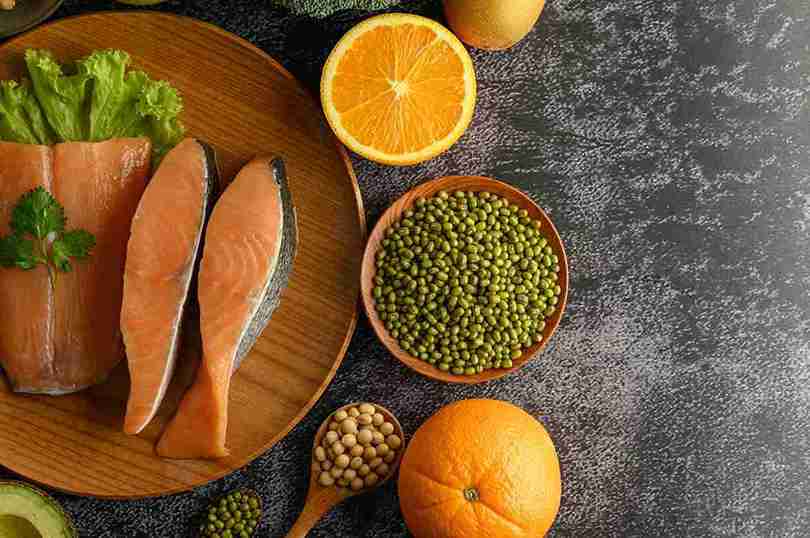
Choline is an essential nutrient that is absolutely vital for maintaining liver health. It plays a key role in the metabolism of fat in the liver. Adequate intake of choline-rich foods, like eggs, soybeans, fish, etc., can help prevent fatty liver disease.
Omega-3 fatty acids are polyunsaturated fats or “healthy fats”. These help in reducing liver inflammation and even stimulate liver regeneration by encouraging cell repair. Regular consumption of foods rich in omega-3 fatty acids, such as flaxseed, fatty fish, etc., can even help enhance liver function by aiding in its detoxification process.
Several studies have pointed out that chronic liver diseases could be caused by zinc deficiency. This essential nutrient is vital for the smooth functioning of several processes within the body. Nuts, seeds, legumes, dairy products, etc., are the main sources of zinc.
'Lean protein foods' refers to foods that are rich in protein but low in fats. Typically, fish like salmon, poultry, eggs, tofu, plain Greek yoghurt, etc., are the best sources of this type of protein. The intake of these foods is beneficial to liver health, as it aids in liver repair and regeneration and prevents fat buildup in the liver.
Magnesium is an important mineral, and its deficiency has been linked to the occurrence of liver diseases. It helps in regulating the functioning of liver enzymes and aids in the detoxification process. Magnesium is usually found in leafy green vegetables, seeds like chia and pumpkin, nuts like cashew and almonds, whole grains, etc.
Research has shown that the inflammation and damage caused by nonalcoholic fatty liver disease (NAFLD) can be reduced to a great extent through the intake of B vitamins like folate (vitamin B9) and cobalamin (vitamin B12). Apart from this, B vitamins can help boost liver function, along with enhanced metabolism of carbohydrates, proteins and fats.
Oxidative stress, cell damage and inflammation can severely impair liver function. Therefore, the intake of foods rich in antioxidants is vital for maintaining liver health.
If you’ve decided to opt for a liver friendly diet, pregnancy is the best time to do so, as it will help reduce the risk of developing complications from liver diseases. Given below are some of the most nutrient-rich foods that support both liver health and a healthy pregnancy:
Oatmeal is packed with folate, a type of B vitamin that’s essential for maintaining liver health. Apart from that, it's also a rich source of fibre. Constipation is one of the health issues that most pregnant women face, and if left untreated, it could lead to the buildup of toxins, leading to excessive stress on the liver. So, have a bowl of oats daily to avoid constipation.
During pregnancy, it is best to opt for green leafy vegetables like spinach, kale, cabbage, watercress, etc. These veggies are loaded with antioxidants and essential nutrients like folate, magnesium, etc. They can be easily added into one’s diet in the form of delicious salads, soups, stir-fries and smoothies.
They were always recommended for maintaining heart health. However, recent research has shown their benefits extend to liver function as well, thanks to the presence of vitamin E and antioxidants. Extra virgin olive oil is believed to have liver-protecting properties and thus could safeguard expectant moms from the risks associated with fatty liver disease.
Broccoli is rich in glucoraphanin, a compound in cruciferous vegetables that aids the body’s detox process. This compound removes toxins and helps maintain hormonal balance. Packed with folate and antioxidants, broccoli benefits both liver health and overall well-being for mother and baby during pregnancy. Broccoli can be added to the pregnancy diet in a number of ways. It can be steamed, added to soups and stir-fries or simply chopped and added to salads.
Walnuts are an excellent snacking option for pregnant women. It’s great for liver health, as it helps lower inflammation, oxidative stress and insulin resistance. Compared to other nuts, walnuts have higher levels of omega-3 and omega-6 fatty acids and polyphenol antioxidants. However, it must be consumed in moderation, and most doctors recommend having just 5 to 6 in a day.
An ideal liver-friendly pregnancy diet must include whole grains like brown rice, quinoa, etc. Such foods are extremely good for the liver, as they contain essential nutrients as well as fibre.
Beetroot is a great source of pigments called betalains that have anti-inflammatory properties. Moreover, it’s also rich in fibre and can help with the body’s natural detoxification process. Hence, beetroot should be added to the diet of pregnant women who are at risk of liver diseases.
Fatty fish like salmon, tuna and sardines are a great source of omega-3 fatty acids, and recent studies have proved such foods to be highly beneficial, as they may lower the risk of ICP in pregnant women.
Berries like cranberries, raspberries, blueberries, strawberries, etc., are highly beneficial as they contain high levels of polyphenol antioxidants. Regular intake of berries can help manage and control fatty liver in women diagnosed with NAFLD.
Citrus fruits like lemons, grapefruit, etc., are packed with vitamin C. An additional benefit of adding such fruits to the pregnancy diet is their ability to stimulate the liver and boost the production of liver enzymes.
Avocado contains monounsaturated fatty acids and glutathione. While monounsaturated fatty acids can help lower the risk of NAFLD, glutathione can eliminate harmful toxins present in the body. Avocados are also rich in fibre and antioxidants.
To reduce the risk of developing liver diseases like ICP, pregnant women should add lean meat (for example, chicken breasts and wings, turkey meat, etc.) to their diet. Lean meats are a great source of lean protein.
Here’s one of the most important pregnancy liver health tips that needs to be remembered: Moderation is key while planning a liver-friendly diet. This allows the absorption of maximum nutrients while ensuring the overall health of the mother and baby.
Now, let’s take a quick look at some of the foods or beverages that ought to be avoided, especially when there are pre-existing liver diseases or there is a risk of liver diseases occurring during pregnancy:
● Sugary drinks like sodas and packaged fruit juices.
● Foods with artificial sweeteners.
● Highly processed food items like chips, cookies, etc.
● Full-fat dairy products with high saturated fats.
● Red meat like beef, lamb, etc.
● Deep-fried foods have unhealthy trans fats and saturated fats.
The consumption of such food products could lead to excessive strain on the liver and may even cause NAFLD.

Liver health is a crucial aspect that must be considered while preparing for pregnancy. By adopting a nutritious diet plan that includes adequate proportions of liver-friendly foods, it is quite possible to maintain a healthy and well-functioning liver and reduce the chances of any complications related to liver disorders.

Foods that contain liver-friendly nutrients like omega-3 fatty acids, choline, magnesium, zinc, etc., need to be included in the pregnancy diet plan to ensure optimal liver health. This includes lean meats, cruciferous vegetables, green leafy vegetables, berries, whole grains, etc.
The liver performs vital functions that ensure the health of the expectant mother and her baby, such as removing toxins from the blood, maintaining optimal blood sugar, metabolising nutrients, etc.
ICP is a liver disorder whereby the flow of bile is disrupted during the third trimester. The buildup of bile can impact the health of the mother and the fetus. A liver-friendly diet can help manage and reduce the complications arising from ICP.
Liver or organ meat contains high levels of vitamin A, so it’s best to consume it in moderation.


 Best Gynecologists in Bellandur Best Gynecologists in Electronic City Best Gynecologists in HRBR LayoutBest Gynecologists in Jayanagar Best Gynecologists in Kanakapura RoadBest Gynecologists in Malleswaram Best Gynecologists in Nagarbhavi Best Gynecologists in Old Airport RoadBest Gynecologists in Sahakarnagar Best Gynecologists in Sarjapur RoadBest Gynecologists in ThanisandraBest Gynecologists in Varthur RoadBest Gynecologists in Whitefield Best Gynecologists in Industrial Area Phase IIBest Gynecologists in OMRBest Gynecologists in T NagarBest Gynecologists in New Industrial TownBest Gynecologists in IndirapuramBest Gynecologists in Golf Course RoadBest Gynecologists in Sector 14Best Gynecologists in Sector 47Best Gynecologists in Banjara HillsBest Gynecologists in GachibowliBest Gynecologists in Hitech CityBest Gynecologists in KompallyBest Gynecologists in Jawahar NagarBest Gynecologists in Gomti NagarBest Gynecologists in Phase 3, Sector 58Best Gynecologists in MaladBest Gynecologists in NerulBest Gynecologists in VashiBest Gynecologists in Kailash ColonyBest Gynecologists in PatparganjBest Gynecologists in Punjabi BaghBest Gynecologists in RohiniBest Gynecologists in VikaspuriBest Gynecologists in Gaur CityBest Gynecologists in Pari ChowkBest Gynecologists in Sector 51Best Gynecologists in Sector 5 Swastik ViharBest Gynecologists in Kalyani NagarBest Gynecologists in SB RoadBest Gynecologists in Pimple SaudagarBest Pediatricians in BellandurBest Pediatricians in Electronic CityBest Pediatricians in HRBR LayoutBest Pediatricians in JayanagarBest Pediatricians in Kanakapura RoadBest Pediatricians in MalleswaramBest Pediatricians in NagarbhaviBest Pediatricians in Old Airport RoadBest Pediatricians in SahakarnagarBest Pediatricians in Sarjapur RoadBest Pediatricians in ThanisandraBest Pediatricians in Varthur RoadBest Pediatricians in WhitefieldBest Pediatricians in Industrial Area Phase IIBest Pediatricians in OMRBest Pediatricians in T NagarBest Pediatricians in New Industrial TownshipBest Pediatricians in IndirapuramBest Pediatricians in Golf Course RoadBest Pediatricians in Sector 14Best Pediatricians in Sector 47Best Pediatricians in Hitech CityBest Pediatricians in Banjara HillsBest Pediatricians in GachibowliBest Pediatricians in KompallyBest Pediatricians in Jawahar NagarBest Pediatricians in Gomti NagarBest Pediatricians in Phase 3, Sector 58Best Pediatricians in MaladBest Pediatricians in NerulBest Pediatricians in VashiBest Pediatricians in Kailash ColonyBest Pediatricians in PatparganjBest Pediatricians in Punjabi BaghBest Pediatricians in RohiniBest Pediatricians in VikaspuriBest Pediatricians in Gaur CityBest Pediatricians in Pari ChowkBest Pediatricians in Sector 51Best Pediatricians in Sector 5 Swastik ViharBest Pediatricians in Kalyani NagarBest Pediatricians in SB RoadBest Pediatricians in Pimple Saudagar


