
Parents tell their children to stay indoors when they have a stuffy nose, itchy eyes or scratchy throat. But did you know that there are hidden triggers in your home that worsen your child’s asthma or allergy symptoms? Pet dander, dust mites, cockroaches and other indoor allergens can cause problems. Continue reading to learn more about indoor allergies in children, their symptoms and how to manage them.

Allergies are among the common health issues among Indian children. Children with indoor allergies display uncomfortable symptoms as allergens are present in every part of the house, kitchen, bedroom, bathroom, beds and even toys. These allergens act as triggers, which can be mould, cockroaches, pet dander, dust mites or irritants such as perfumes, cleaning products, aerosol sprays, smoke, paint and other substances.
Allergies and asthma in kids are triggered when the immune system produces antibodies in defence against an allergen. The most common symptoms that indoor allergies produce are:
● Itchy throat
● Sneezing
● Stuffy nose
● Runny nose
● Itchy, red or watery eyes
● Itchy skin
● Rashes
● Respiratory issues like chest tightness or coughing
● Congestion
● Headaches
● Fatigue
Indoor allergies in children may also cause severe symptoms like wheezing and breathing issues.
Dust mites are small microscopic bugs that live in fabrics, bedding, carpets and sofas. Since they are tiny, they are invisible to the eye. The dust mite droppings contain a protein that, when inhaled, leads to dust mite allergy in kids. To make matters worse, most dust mites are in the bedroom as it is warm and humid, which worsens the symptoms.
● Dust and vacuum your home, especially the children’s bedroom, at least once every week. Use a filter bag in your vacuum with a small pore or select a HEPA filter vacuum, as it prevents microscopic dust mites from spreading. Use a damp cotton cloth to dust so that dust mites do not spread in the air.
● Cover box springs, pillows and mattresses with dust mite-proof covers.
● Wash bedsheets, blankets, pillows and bed linens once a week in hot water.
● Ensure the curtains and window coverings in the bedroom can be cleaned or easily washed. Wash all those coverings with hot water.
● Stuffed toys are a major culprits that accumulate dust, so limit them in your child’s bedroom. If possible, wash those toys with hot water.
● If you are using a dehumidifier or an air conditioner, reduce the humidity level to less than 50%. Ensure that you drain and clean the humidifier and change the filters regularly.
Moulds are plant-like microscopic organisms that are found outdoors and indoors. It grows on damp surfaces and its favourite places are basements and bathrooms. They reproduce tiny spores which are spread into the air and, when inhaled, lead to allergic symptoms.

● Fix roofs, leaky pipes or faucets.
● Ensure the basement, kitchen, and bathroom have enough ventilation. Install and use exhaust or open windows to reduce moisture in these places.
● Use a dehumidifier in damp areas, such as the basement. Ensure the water pan is empty and clean.
● Remove wall-to-wall carpeting and wallpaper if possible in basement rooms and bathrooms.
● Ensure the humidity level is less than 50% and use a dehumidifier or air conditioner if necessary. Ensure you drain the humidifier and change the filters.
● Clean any visible mould in bathtubs or showers with water, vinegar, soap or a cleaning product. If your child is not allergic to bleach, you can use a mixture of bleach and water to clean the bath accessories. If the walls or ceilings have mould, seek professional help.
● When painting damp areas like the bathroom, choose anti-mould paint.
● Wash or replace shower curtains as they may contain mould.
● When the mould count is high outdoors, it is advised that your child take allergy medicine. It is best to avoid places like uncut fields or leaf piles, as mould is common. The child should bathe and change clothes after playing outdoors.
Pets have in their dander, urine or saliva a protein that can trigger a person’s allergy or asthma symptoms. Pet dander can persist in a house for weeks to months after the pet is moved. If your kid has an allergy to animals, you have to decide whether to find a new home or to keep the pet. In some cases, if the allergies are not severe, the doctor may allow you to keep the pet.
● Keep the pets out of the playroom or the child’s bedroom.
● Ensure that the child does not kiss or hug the animal.
● Dust and vacuum the child’s bedroom and avoid carpets and rugs.
● Bathe your pet regularly, as it helps to reduce pet dander.
● Keep the litter box away from your child’s room if you have a cat.
● Ask your child to clean their hands after touching a pet.
● If your pet sleeps in a cage, do not place the cage in your child’s bedroom.
● Consider placing an air cleaner in your child’s playroom or bedroom to remove pet dander.
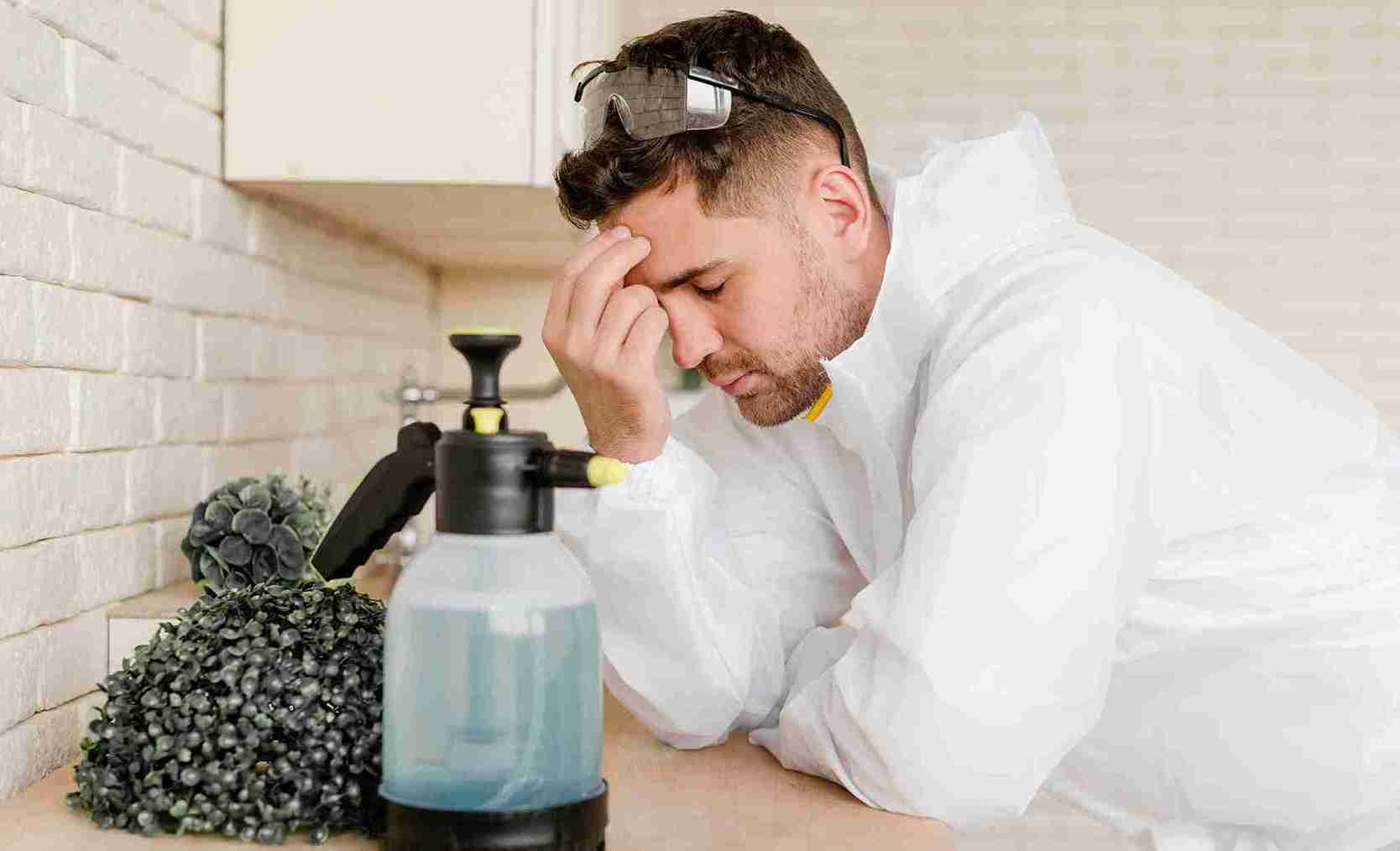
Cockroaches, too, like pets, shed protein from their saliva, body parts and poop that can trigger your child’s allergy or asthma symptoms.
● Book a professional exterminator to remove cockroaches every few months. Use trap baits between treatments to catch them. Avoid aerosol sprays as they worsen allergy symptoms.
● Avoid saving paper bags, boxes or newspapers, as cockroach eggs can hide in them.
● Don’t leave dirty dishes or food containers lying in the kitchen.
● Choose closed garbage containers.
● Keep the countertops clean and free from spills or crumbs.
● Seal cracks in floors and walls.
● Vacuum and mop the floor and countertops regularly to reduce allergens.
These are substances that pollute the air and, when inhaled, lead to irritation in the lungs and nose and are among the common childhood asthma triggers. Common irritants are:
● Cleaning products
● Perfumes
● Smoke
● Gas or paint fumes
● Aerosol sprays
● Smog
● If air fresheners, incense or other household products trigger symptoms, switch to non-aerosol or unscented versions.
● Avoid paint, hair spray, perfume, chemical cleaners or other strong odours.
● Keep your kid away from places where carpentry or painting is being done.
● Avoid smoking at home, even when your child is not at home, as the smoke is trapped in carpets and upholstery.

It is very challenging to keep childhood asthma triggers and indoor allergens in check. Consider taking some precautions to keep your child away from them. Clean home, control pet dander, and avoid heavy use of aerosol sprays. Learn to identify the symptoms and call your healthcare provider if any flare-ups occur.
Want to consult the best gynecologists in India? Please find the links below.

Dust mites, pet dander, mould and cockroaches are some common indoor allergy triggers for children.
Indoor allergies worsen asthma symptoms and cause wheezing and respiratory problems.
Runny nose, itchy throat, cough, stuffy nose, skin rashes and congestion are some common symptoms of indoor allergies.
Observe if asthma symptoms like wheezing, shortness of breath, etc., worsen when exposed to allergens.







 Best Gynecologists in Bellandur Best Gynecologists in Electronic City Best Gynecologists in HRBR LayoutBest Gynecologists in Jayanagar Best Gynecologists in Kanakapura RoadBest Gynecologists in Malleswaram Best Gynecologists in Nagarbhavi Best Gynecologists in Old Airport RoadBest Gynecologists in Sahakarnagar Best Gynecologists in Sarjapur RoadBest Gynecologists in ThanisandraBest Gynecologists in Varthur RoadBest Gynecologists in Whitefield Best Gynecologists in Industrial Area Phase IIBest Gynecologists in OMRBest Gynecologists in T NagarBest Gynecologists in New Industrial TownBest Gynecologists in IndirapuramBest Gynecologists in Golf Course RoadBest Gynecologists in Sector 14Best Gynecologists in Sector 47Best Gynecologists in Banjara HillsBest Gynecologists in GachibowliBest Gynecologists in Hitech CityBest Gynecologists in KompallyBest Gynecologists in Gomti NagarBest Gynecologists in MaladBest Gynecologists in NerulBest Gynecologists in VashiBest Gynecologists in Kailash ColonyBest Gynecologists in PatparganjBest Gynecologists in Punjabi BaghBest Gynecologists in VikaspuriBest Gynecologists in Gaur CityBest Gynecologists in Pari ChowkBest Gynecologists in Sector 51Best Gynecologists in Sector 5 Swastik ViharBest Gynecologists in Kalyani NagarBest Gynecologists in SB RoadBest Gynecologists in Pimple SaudagarBest Pediatricians in BellandurBest Pediatricians in Electronic CityBest Pediatricians in HRBR LayoutBest Pediatricians in JayanagarBest Pediatricians in Kanakapura RoadBest Pediatricians in MalleswaramBest Pediatricians in NagarbhaviBest Pediatricians in Old Airport RoadBest Pediatricians in SahakarnagarBest Pediatricians in Sarjapur RoadBest Pediatricians in ThanisandraBest Pediatricians in Varthur RoadBest Pediatricians in WhitefieldBest Pediatricians in Industrial Area Phase IIBest Pediatricians in OMRBest Pediatricians in T NagarBest Pediatricians in New Industrial TownshipBest Pediatricians in IndirapuramBest Pediatricians in Golf Course RoadBest Pediatricians in Sector 14Best Pediatricians in Sector 47Best Pediatricians in Hitech CityBest Pediatricians in Banjara HillsBest Pediatricians in GachibowliBest Pediatricians in KompallyBest Pediatricians in Gomti NagarBest Pediatricians in MaladBest Pediatricians in NerulBest Pediatricians in VashiBest Pediatricians in Kailash ColonyBest Pediatricians in PatparganjBest Pediatricians in Punjabi BaghBest Pediatricians in VikaspuriBest Pediatricians in Gaur CityBest Pediatricians in Pari ChowkBest Pediatricians in Sector 51Best Pediatricians in Sector 5 Swastik ViharBest Pediatricians in Kalyani NagarBest Pediatricians in SB RoadBest Pediatricians in Pimple Saudagar


