
Your gynaecologist or midwife will closely monitor your health throughout pregnancy. Routine check-ups and tests are essential components of a healthy pregnancy, helping ensure that both you and your baby are progressing well. Is it all really necessary? Read on to know why antenatal check-ups are important during pregnancy.

Antenatal check-ups are the regular medical check-ups a woman goes through during her pregnancy. These include scheduled medical examinations, screening or scans, and, in some cases, counselling sessions.
Antenatal check-ups allow doctors to closely monitor the expecting mother, the developing fetus, and the progress of the pregnancy. Identifying potential issues or complications at the earliest in a pregnancy facilitates better medical treatment and outcomes before the issue can affect the baby.
Antenatal check-ups typically start from the day your doctor confirms pregnancy. Despite multiple home pregnancy tests, most doctors will ask for a clinical blood and urine test to confirm pregnancy. After confirmation, the follow-up starts - regular tests and ultrasound scans will track the baby’s growth, development, and the mother’s health.
So, what exactly happens in these antenatal check-ups? What does a pregnant woman endure, and what is the need?
Your first blood test will check hCG levels to confirm pregnancy. Soon after the first trimester, you will undergo a screening blood test to check for genetic conditions and abnormalities. In the second half of pregnancy, you’ll generally undergo a glucose tolerance test to assess how your body regulates blood sugar levels during fasting.
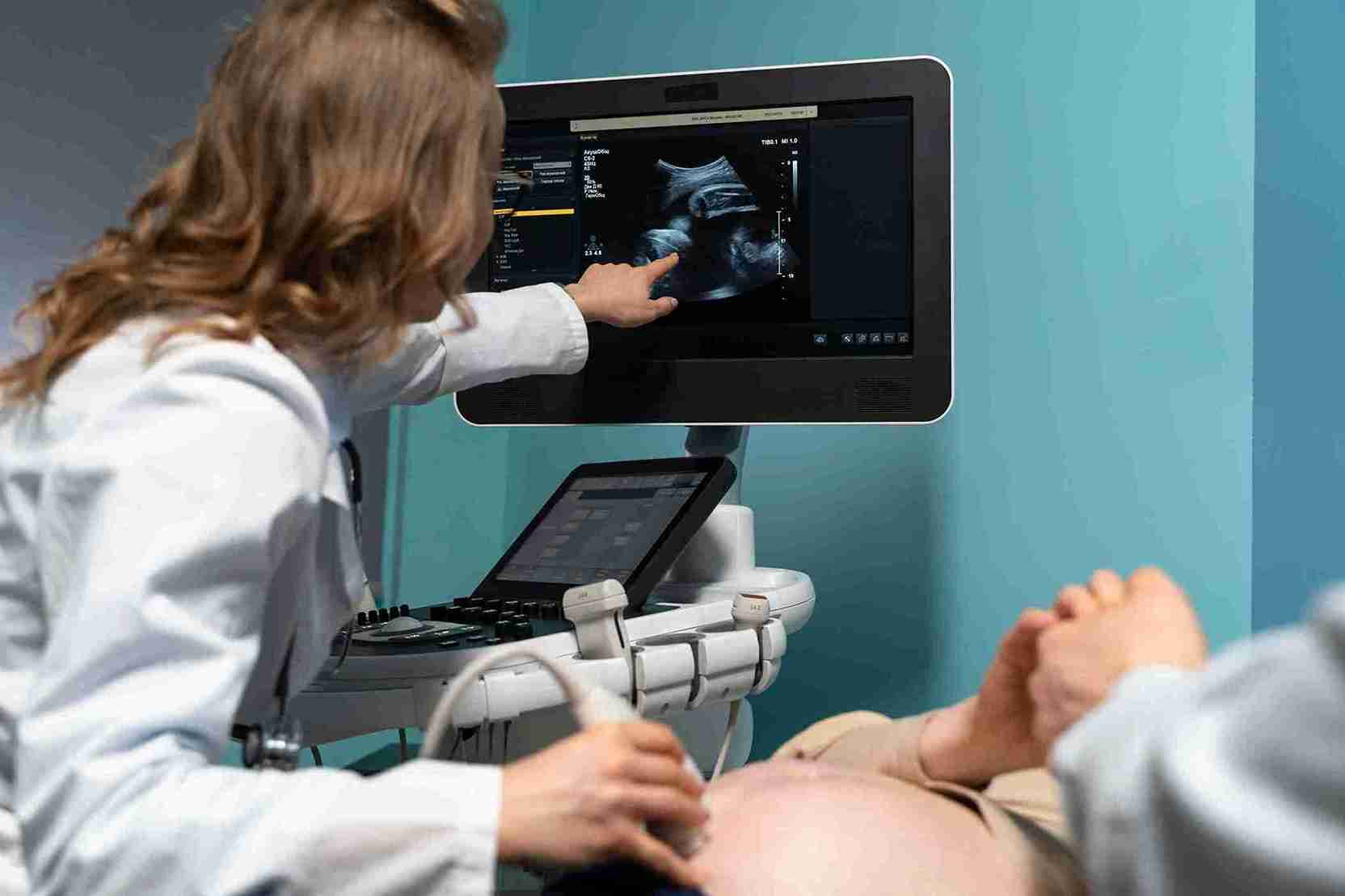
These blood tests, check-ups, and scans not only help track the baby’s growth and development but also help monitor the mother’s overall health. Issues like gestational diabetes, hypertension, weight loss, or excess weight gain can all be identified at the earliest through these antenatal check-ups.
Periodic antenatal check-ups also offer the emotional support the expecting mother needs. Pregnancy causes many changes in the body, some of which may be concerning. In such cases, one can always talk to their health care provider to understand if these changes are anything to worry about. Both expecting parents can talk about all their concerns and doubts during these consultations.
Antenatal check-ups are very important to track the progress of a pregnancy. The frequency of check-ups and tests can differ from pregnancy to pregnancy. Ensure you don’t miss these check-ups, but if you do, just try to reschedule for another day that week.

Want to consult the best gynecologists in India? Please find the links below.

Antenatal check-ups are doctor visits a woman has during her pregnancy. These are regular check-ups spread over the 40 weeks of pregnancy to track the mother’s and the fetus's health.
Regular antenatal check-ups help doctors track the pregnancy’s progress and fetal development. These check-ups also help identify potential health issues in the mother and baby at the earliest. Issues like gestational diabetes, hypertension, issues with the placenta, or the baby’s growth can be identified in these check-ups.
Antenatal check-ups should ideally start in the first trimester, before the expectant mother completes 12 weeks. This usually starts from the day of pregnancy confirmation. When you visit your gynaecologist after taking home pregnancy tests, they will order a blood or urine test for confirmation of pregnancy. Your doctor will then tell you when to return for your next visit and plan your subsequent visits.
Antenatal check-ups occur throughout pregnancy, starting with confirmation of pregnancy. Typically, these check-ups are once a month in the first two trimesters. It increases to twice a month in the third trimester and becomes weekly in the last month of the pregnancy.







 Best Gynecologists in Bellandur Best Gynecologists in Electronic City Best Gynecologists in HRBR LayoutBest Gynecologists in Jayanagar Best Gynecologists in Kanakapura RoadBest Gynecologists in Malleswaram Best Gynecologists in Nagarbhavi Best Gynecologists in Old Airport RoadBest Gynecologists in Sahakarnagar Best Gynecologists in Sarjapur RoadBest Gynecologists in ThanisandraBest Gynecologists in Varthur RoadBest Gynecologists in Whitefield Best Gynecologists in Industrial Area Phase IIBest Gynecologists in OMRBest Gynecologists in T NagarBest Gynecologists in New Industrial TownBest Gynecologists in IndirapuramBest Gynecologists in Golf Course RoadBest Gynecologists in Sector 14Best Gynecologists in Sector 47Best Gynecologists in Banjara HillsBest Gynecologists in GachibowliBest Gynecologists in Hitech CityBest Gynecologists in KompallyBest Gynecologists in Gomti NagarBest Gynecologists in MaladBest Gynecologists in NerulBest Gynecologists in VashiBest Gynecologists in Kailash ColonyBest Gynecologists in PatparganjBest Gynecologists in Punjabi BaghBest Gynecologists in VikaspuriBest Gynecologists in Gaur CityBest Gynecologists in Pari ChowkBest Gynecologists in Sector 51Best Gynecologists in Sector 5 Swastik ViharBest Gynecologists in Kalyani NagarBest Gynecologists in SB RoadBest Gynecologists in Pimple SaudagarBest Pediatricians in BellandurBest Pediatricians in Electronic CityBest Pediatricians in HRBR LayoutBest Pediatricians in JayanagarBest Pediatricians in Kanakapura RoadBest Pediatricians in MalleswaramBest Pediatricians in NagarbhaviBest Pediatricians in Old Airport RoadBest Pediatricians in SahakarnagarBest Pediatricians in Sarjapur RoadBest Pediatricians in ThanisandraBest Pediatricians in Varthur RoadBest Pediatricians in WhitefieldBest Pediatricians in Industrial Area Phase IIBest Pediatricians in OMRBest Pediatricians in T NagarBest Pediatricians in New Industrial TownshipBest Pediatricians in IndirapuramBest Pediatricians in Golf Course RoadBest Pediatricians in Sector 14Best Pediatricians in Sector 47Best Pediatricians in Hitech CityBest Pediatricians in Banjara HillsBest Pediatricians in GachibowliBest Pediatricians in KompallyBest Pediatricians in Gomti NagarBest Pediatricians in MaladBest Pediatricians in NerulBest Pediatricians in VashiBest Pediatricians in Kailash ColonyBest Pediatricians in PatparganjBest Pediatricians in Punjabi BaghBest Pediatricians in VikaspuriBest Pediatricians in Gaur CityBest Pediatricians in Pari ChowkBest Pediatricians in Sector 51Best Pediatricians in Sector 5 Swastik ViharBest Pediatricians in Kalyani NagarBest Pediatricians in SB RoadBest Pediatricians in Pimple Saudagar


