
A healthy menstrual cycle is a natural sign of good reproductive health. The uterus prepares for a possible pregnancy every month through a process that ends in the shedding of its lining, which is menstruation. If your period is regular with a moderate flow and you don't feel much discomfort, it usually means your reproductive system is working well. However, problems like heavy bleeding, painful cycles or missed periods may suggest underlying issues that could affect fertility. By adjusting to your lifestyle, such as eating nutrient-rich foods, exercising regularly and managing stress, you can naturally manage your menstrual cycle and improve fertility.
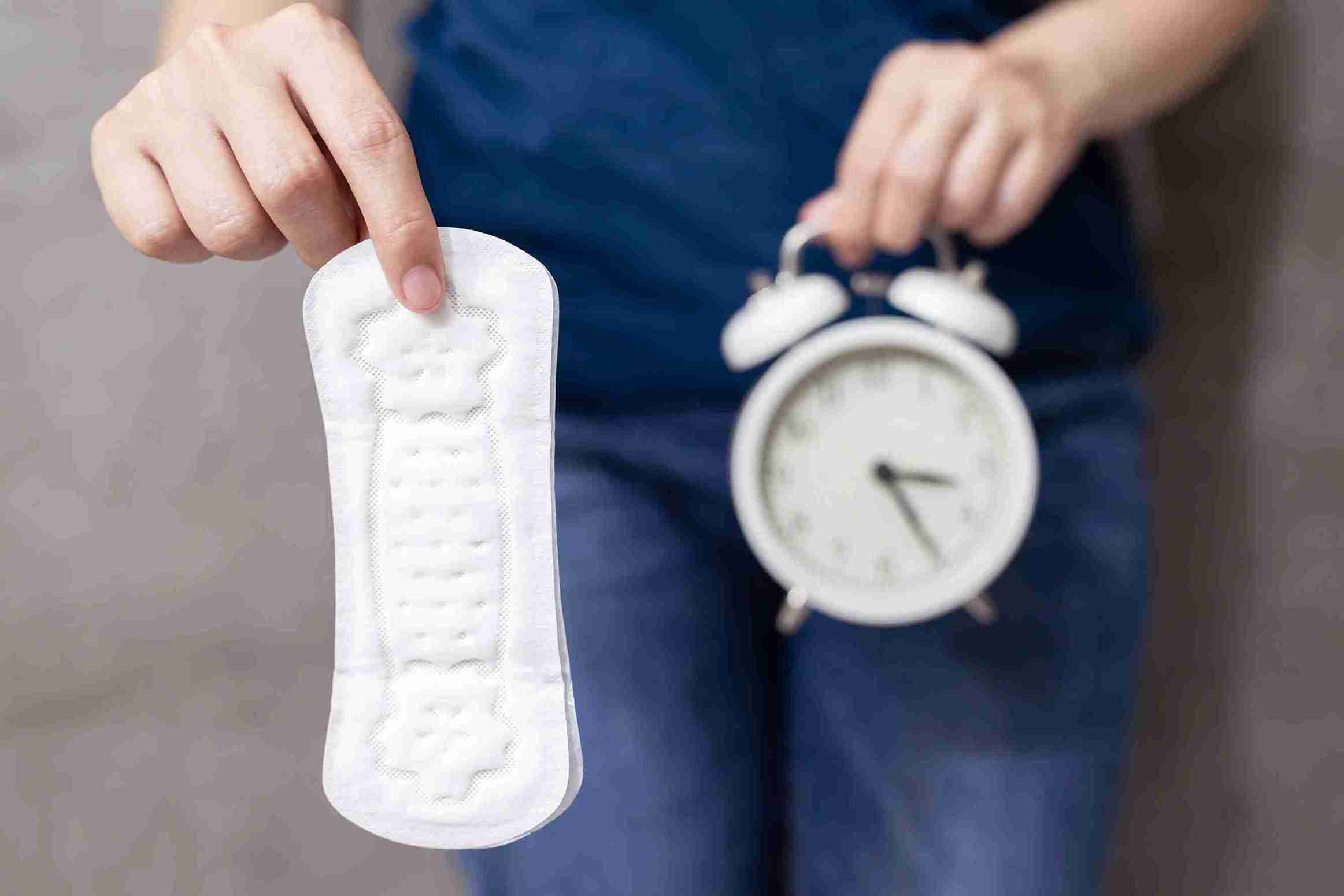
One must first understand what a good cycle is and how the quality of periods affects fertility. A good period is generally characterised by regular cycles, moderate flow, and minimal discomfort. Irregular periods, painful cramps, and heavy bleeding are symptoms of underlying hormonal imbalances or other issues that may impact fertility. Understanding these signs early makes it crucial for improving menstrual and reproductive health. Healthy cycles ensure proper ovulation. Proper ovulation is very vital for pregnancy.
Periods are a natural part of the menstrual cycle, indicating the shedding of the uterine lining. Regular, healthy periods are essential for fertility, as they reflect proper hormonal balance and regular ovulation. You have a better chance of getting pregnant if your menstruation is regular and healthy
Light periods often involve minimal bleeding and can indicate hormonal imbalances, stress or thyroid issues. If you experience continuous light periods, managing the root causes through exercise, diet and stress management, can improve period quality. Enhancing period health can improve the chances of regular ovulation and pregnancy.
Heavy flow refers to periods with an unusually large amount of bleeding, caused by conditions like hormonal imbalances, fibroids or other medical conditions. Heavy flow can also lead to iron deficiencies that may affect overall health and fertility.
This could include changing lengths of menstrual cycles to bleeding between periods. Ovulation will get hampered and even chances for pregnancy. The main point that needs to be treated first is the root cause behind abnormal flow. One may regulate cycles with period health monitoring, healthy diet intake and stress management.
A missed period can be a sign of pregnancy, hormonal imbalance or stress. When missed periods occur frequently, they can lead to the disturbance of ovulation, making conception more challenging. Therefore, one needs to find out what is causing this and work towards improving their menstrual health. A well-balanced diet and a healthy weight can help your cycle get regular.

There are quite a few things that can affect the period quality, like:
Irregular hormone levels may disrupt ovulation, leading to problems in fertility. Hormonal balance is vital for good reproductive health.
Stress, poor diet, lack of exercise or excessive weight can interfere with your menstrual cycle and hormone production.
Smoking, alcohol consumption and exposure to environmental pollutants can also affect menstrual health and hormone regulation.
A nutrient-rich diet plays an important role in maintaining period health and fertility, supporting regular cycles, egg quality and hormone regulation.
Conception may be difficult when women suffer from conditions that cause irregular cycles like PCOS or thyroid imbalances.
Use stress-reduction techniques like deep breathing or meditation to reduce stress and support hormonal health.
Yoga, walking, or swimming will maintain your hormonal balance and improve blood circulation.
Maintain a healthy weight to avoid disruptions of the menstrual cycle due to being either overweight or underweight.
Hydration is also essential, as sufficient fluid will keep your circulation healthy. Hydration will optimise the flow of blood, thus supporting normal period flow.
Try to sleep for about seven to eight hours; this will support the regulation of hormones and, consequently, the overall health of the cycle.
Track your cycles to notice any changes or problems that may need a doctor’s attention.
Seek medical advice if you experience constant irregularities, missed periods or heavy bleeding.

Good period quality is necessary for successful conception. It is a sign of good hormonal balance and regular ovulation, which is required for conception. Regular, healthy periods ensure that there is ovulation, which is necessary for pregnancy. In addition, it helps ensure a well-prepared uterine lining to implant an embryo. Further, improving the health of your periods may also enhance egg quality for fertility because a balanced system with regular cycles is an ideal condition in which to have healthy eggs. Dealing with period health issues can boost fertility and increase the chances of getting pregnant.
Improving period quality through dietary changes, exercise, and stress management can enhance fertility. By taking steps to support hormonal balance and overall menstrual health, individuals can increase their chances of conceiving. Incorporating fertility tips for better periods can help regulate cycles and increase reproductive health. If period problems persist, consult your gynaecologist for further examination.


Irregular periods can make one's chances of conceiving much lower since irregularities could prevent proper tracking of the time of ovulation. However, by giving the right support and adjustments in lifestyle, irregular periods may still help many women to conceive successfully. Consulting with a healthcare provider will give the diagnosis of the cause and appropriate solution that improves one's fertility.
Low-quality periods and fertility can also be attributed to stress because of the negative effects that are caused on the hormonal balance. Stress leads to delayed, missed periods or even missing out on ovulation. This is because reproduction hormones may be prevented from being released through the blocking action exerted by stress hormones like cortisol, thereby affecting fertility and quality periods. Controlling stress in a person can be restored by relaxation practices, exercise, or counselling.
Hormones play an important role in menstrual health and fertility by regulating the menstrual cycle and ensuring proper ovulation. Hormones like estrogen and progesterone control the growth and release of eggs from the ovaries. Follicle-stimulating hormone and luteinizing hormone can stimulate ovulation. Imbalances in these hormones can lead to a lack of ovulation, irregular periods and difficulty conceiving. Maintaining a healthy hormonal balance is essential for regular cycles and successful pregnancy.
The menstrual cycle can be made better by maintaining a healthy lifestyle. The following tips will also help you: Diet: Eat a balanced diet rich in whole grains, fruits, vegetables and healthy fats. Exercise: Practising regular moderate exercise can support hormonal health. Manage Stress: Practising meditation and yoga can help to reduce cortisol levels. Monitor Ovulation: Try using ovulation kits or apps to track fertility windows. Seek Medical Advice: When you notice signs of abnormal periods, consult a gynaecologist.







 Best Gynecologists in Bellandur Best Gynecologists in Electronic City Best Gynecologists in HRBR LayoutBest Gynecologists in Jayanagar Best Gynecologists in Kanakapura RoadBest Gynecologists in Malleswaram Best Gynecologists in Nagarbhavi Best Gynecologists in Old Airport RoadBest Gynecologists in Sahakarnagar Best Gynecologists in Sarjapur RoadBest Gynecologists in ThanisandraBest Gynecologists in Varthur RoadBest Gynecologists in Whitefield Best Gynecologists in Industrial Area Phase IIBest Gynecologists in OMRBest Gynecologists in T NagarBest Gynecologists in New Industrial TownBest Gynecologists in IndirapuramBest Gynecologists in Golf Course RoadBest Gynecologists in Sector 14Best Gynecologists in Sector 47Best Gynecologists in Banjara HillsBest Gynecologists in GachibowliBest Gynecologists in Hitech CityBest Gynecologists in KompallyBest Gynecologists in Jawahar NagarBest Gynecologists in Gomti NagarBest Gynecologists in Phase 3, Sector 58Best Gynecologists in MaladBest Gynecologists in NerulBest Gynecologists in VashiBest Gynecologists in Kailash ColonyBest Gynecologists in PatparganjBest Gynecologists in Punjabi BaghBest Gynecologists in RohiniBest Gynecologists in VikaspuriBest Gynecologists in Gaur CityBest Gynecologists in Pari ChowkBest Gynecologists in Sector 51Best Gynecologists in Sector 5 Swastik ViharBest Gynecologists in Kalyani NagarBest Gynecologists in SB RoadBest Gynecologists in Pimple SaudagarBest Pediatricians in BellandurBest Pediatricians in Electronic CityBest Pediatricians in HRBR LayoutBest Pediatricians in JayanagarBest Pediatricians in Kanakapura RoadBest Pediatricians in MalleswaramBest Pediatricians in NagarbhaviBest Pediatricians in Old Airport RoadBest Pediatricians in SahakarnagarBest Pediatricians in Sarjapur RoadBest Pediatricians in ThanisandraBest Pediatricians in Varthur RoadBest Pediatricians in WhitefieldBest Pediatricians in Industrial Area Phase IIBest Pediatricians in OMRBest Pediatricians in T NagarBest Pediatricians in New Industrial TownshipBest Pediatricians in IndirapuramBest Pediatricians in Golf Course RoadBest Pediatricians in Sector 14Best Pediatricians in Sector 47Best Pediatricians in Hitech CityBest Pediatricians in Banjara HillsBest Pediatricians in GachibowliBest Pediatricians in KompallyBest Pediatricians in Jawahar NagarBest Pediatricians in Gomti NagarBest Pediatricians in Phase 3, Sector 58Best Pediatricians in MaladBest Pediatricians in NerulBest Pediatricians in VashiBest Pediatricians in Kailash ColonyBest Pediatricians in PatparganjBest Pediatricians in Punjabi BaghBest Pediatricians in RohiniBest Pediatricians in VikaspuriBest Pediatricians in Gaur CityBest Pediatricians in Pari ChowkBest Pediatricians in Sector 51Best Pediatricians in Sector 5 Swastik ViharBest Pediatricians in Kalyani NagarBest Pediatricians in SB RoadBest Pediatricians in Pimple Saudagar


