
The road to conception isn’t always straightforward. For many couples, assisted reproductive technologies like IVF (In-vitro Fertilization) offer hope when natural conception feels out of reach. But as promising as it sounds, IVF isn’t a magic wand. Success rates vary, and failed cycles can leave couples emotionally and physically exhausted. Yet, the story doesn’t end with one negative test. In many cases, natural conception can still happen—often when it’s least expected.

IVF is often perceived as the ultimate solution to infertility. In reality, even under ideal circumstances, it doesn’t guarantee pregnancy. IVF success rate depends on many variables, including age, reproductive health and the timing of each stage.
It involves stimulating the ovaries to produce multiple eggs, retrieving them, fertilising them in a lab and transferring embryos back into the uterus. It’s a carefully timed dance of hormones, lab precision and physiological readiness. But even the best embryos sometimes fail to implant, and that’s not always anyone’s fault. Success depends on a delicate interplay of biological, hormonal and environmental factors. A perfectly orchestrated medical procedure can still meet unpredictable human biology.
Each IVF cycle brings hope, anxiety, and a lingering fear of disappointment. The waiting periods feel longer, the stakes higher, and every blood test can trigger a tidal wave of emotions. When a cycle fails, it’s not just a medical outcome—it’s a deeply personal heartbreak. IVF failure isn’t a reflection of personal inadequacy. It’s often the result of hidden factors like embryo quality, uterine receptivity, timing, or underlying health conditions. What many couples don’t realise is that a failed IVF cycle doesn’t eliminate the possibility of conceiving naturally later.
Implantation is one of the most delicate stages of conception. Even with good-quality embryos, the uterus may not be in an optimal state to allow them to attach. Sometimes it’s a matter of timing; other times, it’s subtle endometrial factors that no scan can fully capture.
A receptive uterine lining is essential for implantation. If the endometrium is too thin, poorly synchronised or inflamed, even a perfect embryo may fail to attach. These subtle issues often go unnoticed but can make a world of difference, especially after an embryo transfer procedure.
Healthy eggs are the cornerstone of successful fertilisation and embryo development. Diminished egg quality can lead to chromosomal abnormalities, making implantation difficult. Age, lifestyle and underlying conditions can all impact egg health, often more than hormone levels alone. These factors are central to the overall IVF chances of success.
Sperm quality matters just as much. Issues with motility, morphology or DNA fragmentation can compromise fertilisation and embryo viability. Even with advanced lab techniques such as ICSI (intracytoplasmic sperm injection), compromised sperm can influence outcomes quietly. That’s why monitoring the ICSI success rate is important in evaluating overall treatment potential.
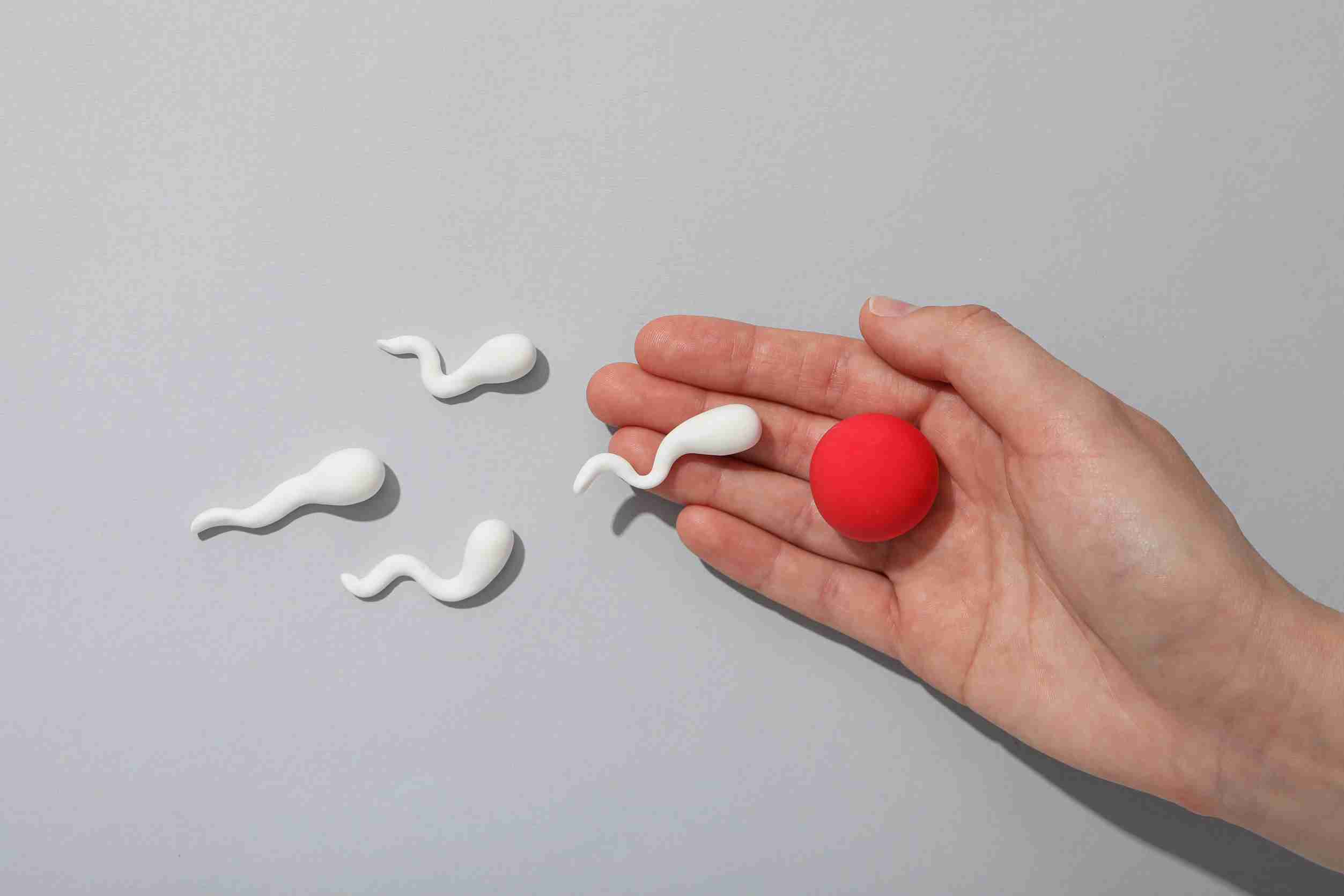
Not every fertilised egg becomes a viable embryo. Some arrest early in development due to genetic errors, while others may grow but lack the structural integrity needed for implantation. This is one of the most common—and hardest—reasons for failed cycles. In such cases, many clinics may recommend a frozen embryo transfer cycle if suitable embryos are available for preservation.
Age is a silent but strong determinant of fertility. Egg quality declines gradually, then sharply after 35, making chromosomal errors more likely. While IVF can bypass some barriers, it can’t completely reverse the biological clock. This naturally affects the IVF success rate as women age.
Hormones act as the invisible conductors of the fertility orchestra. Imbalances in estrogen, progesterone, LH, or thyroid hormones can disrupt ovulation, endometrial development and implantation—sometimes without obvious symptoms. Balancing hormones is key to improving IVF chances of success.
Conditions like endometriosis, PCOS, thyroid disorders or autoimmune issues can subtly disrupt implantation or embryo development. When not fully addressed, these can reduce success rates even with good-quality embryos. Sometimes, gentle preliminary treatments or lifestyle modifications before another embryo transfer procedure can make a noticeable difference.
Fertility is not just biological—it’s emotional and environmental too. Chronic stress, poor sleep, nutrient deficiencies and exposure to toxins can all alter reproductive function. Small lifestyle shifts, such as better nutrition, sleep hygiene or stress management, can create big ripples in outcomes, especially after embryo transfer, when emotional calm and physical care matter most.
Genetic abnormalities in eggs, sperm or embryos can cause failed implantation or early miscarriage. Some of these are age-related, while others are inherited. Genetic testing can offer insights, but nature still has the final say. Understanding this helps manage expectations about IVF chances of success.
Even with science guiding the process, timing remains crucial. A mismatch between embryo development and endometrial receptivity—even by hours—can result in implantation failure. Precision in synchronising these stages improves both IVF success rate and IUI success rate, depending on the chosen treatment approach.
Behind every IVF cycle is a lab where science meets skill. Subtle variations in equipment, handling, or culture conditions can influence embryo development. Though rare, technical factors can play a quiet role in failed cycles—emphasising why laboratory standards are vital to maintaining a high IVF success rate.
A flawless-looking embryo doesn’t guarantee success. Implantation involves molecular communication between the embryo and uterus—something no microscope can predict with absolute certainty. That’s why understanding the nuances of the embryo transfer procedure and endometrial receptivity can be so important.
An overactive or misdirected immune response can sometimes attack embryos or disrupt implantation. Autoimmune conditions or abnormal immune signalling can quietly sabotage what looks like a perfect cycle, further influencing IVF chances of success.
A failed IVF doesn’t mean your body is incapable of conceiving. Some couples find that their natural fertility improves after treatment—possibly due to hormonal shifts, endometrial priming or reduced inflammation. The reproductive system sometimes needs a reset, and once that happens, conception can surprise even the most disheartened couples.
After IVF, the ovaries may respond differently. Once stimulation stops, the ovaries often resume their natural cycles with renewed vigour. Ovulation can become more regular, and the hormonal environment more conducive to conception.
Hormonal balance may stabilise, and the endometrium may become more receptive. Nutrient-rich diets, regular movement and targeted supplements can nourish reproductive health. Even simple changes—better sleep, reduced toxin exposure, balanced stress—can create fertile ground for conception.
When the emotional burden of treatment lifts, the body often responds more harmoniously. Lowering stress hormones like cortisol can help reproductive hormones function more smoothly, creating a more fertile state. Fertility is deeply connected to emotional health. Hope doesn’t guarantee a baby, but it can nourish resilience and strengthen the body’s natural rhythm.
Time and again, couples share stories of natural conception after failed fertility treatments. It’s not magic—it’s biology finding its rhythm after medical intervention. Understanding fertile windows, cervical mucus changes, and ovulation patterns can dramatically increase chances of natural conception. Timing is often the quiet key that unlocks success.
Balanced nutrition, regular movement, stress reduction, targeted supplements and accurate ovulation tracking can boost fertility naturally. These aren’t just “nice-to-do” steps—they create physiological readiness.

If natural conception doesn’t happen after a period of healing and trying, revisiting a fertility specialist can help reassess and refine the plan. Sometimes, a gentle nudge is all that’s needed. Hope and realism can coexist. Couples can try naturally while keeping future fertility options open. A flexible mindset allows for both possibility and preparedness.
A failed IVF cycle is not a full stop—it’s often a comma in a longer story. Understanding why cycles fail can empower couples to explore other pathways—including natural conception. Every fertility experience is unique. Healing—both physical and emotional—matters. Natural conception is possible, and so are other paths to parenthood. With the right support, resilience and informed choices, hope doesn’t just survive—it grows.

Conception depends on multiple factors such as egg and sperm quality, endometrial receptivity, hormonal balance, and overall health. Even with medical support, the body’s natural biology plays a decisive role, which makes IVF challenging despite high IVF success rate statistics.
IVF involves many variables—age, genetics, hormone levels and uterine health. Each can influence implantation. Even perfect embryos may fail to attach, making IVF a hopeful but not guaranteed process.
No. While the IVF success rate has improved over the years, it still depends on individual circumstances such as age, medical conditions and lifestyle. Fertility treatments increase chances—they don’t ensure pregnancy.
The first IVF attempt often serves as a learning phase. Factors like embryo quality, uterine lining, hormonal levels and timing can affect outcomes. Data from the first cycle often guide adjustments that improve future IVF chances of success.







 Best Gynecologists in Bellandur Best Gynecologists in Electronic City Best Gynecologists in HRBR LayoutBest Gynecologists in Jayanagar Best Gynecologists in Kanakapura RoadBest Gynecologists in Malleswaram Best Gynecologists in Nagarbhavi Best Gynecologists in Old Airport RoadBest Gynecologists in Sahakarnagar Best Gynecologists in Sarjapur RoadBest Gynecologists in ThanisandraBest Gynecologists in Varthur RoadBest Gynecologists in Whitefield Best Gynecologists in Industrial Area Phase IIBest Gynecologists in OMRBest Gynecologists in T NagarBest Gynecologists in New Industrial TownBest Gynecologists in IndirapuramBest Gynecologists in Golf Course RoadBest Gynecologists in Sector 14Best Gynecologists in Sector 47Best Gynecologists in Banjara HillsBest Gynecologists in GachibowliBest Gynecologists in Hitech CityBest Gynecologists in KompallyBest Gynecologists in Gomti NagarBest Gynecologists in MaladBest Gynecologists in NerulBest Gynecologists in VashiBest Gynecologists in Kailash ColonyBest Gynecologists in PatparganjBest Gynecologists in Punjabi BaghBest Gynecologists in VikaspuriBest Gynecologists in Gaur CityBest Gynecologists in Pari ChowkBest Gynecologists in Sector 51Best Gynecologists in Sector 5 Swastik ViharBest Gynecologists in Kalyani NagarBest Gynecologists in SB RoadBest Gynecologists in Pimple SaudagarBest Pediatricians in BellandurBest Pediatricians in Electronic CityBest Pediatricians in HRBR LayoutBest Pediatricians in JayanagarBest Pediatricians in Kanakapura RoadBest Pediatricians in MalleswaramBest Pediatricians in NagarbhaviBest Pediatricians in Old Airport RoadBest Pediatricians in SahakarnagarBest Pediatricians in Sarjapur RoadBest Pediatricians in ThanisandraBest Pediatricians in Varthur RoadBest Pediatricians in WhitefieldBest Pediatricians in Industrial Area Phase IIBest Pediatricians in OMRBest Pediatricians in T NagarBest Pediatricians in New Industrial TownshipBest Pediatricians in IndirapuramBest Pediatricians in Golf Course RoadBest Pediatricians in Sector 14Best Pediatricians in Sector 47Best Pediatricians in Hitech CityBest Pediatricians in Banjara HillsBest Pediatricians in GachibowliBest Pediatricians in KompallyBest Pediatricians in Gomti NagarBest Pediatricians in MaladBest Pediatricians in NerulBest Pediatricians in VashiBest Pediatricians in Kailash ColonyBest Pediatricians in PatparganjBest Pediatricians in Punjabi BaghBest Pediatricians in VikaspuriBest Pediatricians in Gaur CityBest Pediatricians in Pari ChowkBest Pediatricians in Sector 51Best Pediatricians in Sector 5 Swastik ViharBest Pediatricians in Kalyani NagarBest Pediatricians in SB RoadBest Pediatricians in Pimple Saudagar


