
Not many people are aware of the term “chemical pregnancy”. In fact, one usually comes across this term only when they have experienced early pregnancy loss and the term is used by their gynaecologist or healthcare worker in their medical reports.
In this article, we shall take an in-depth look at all the relevant aspects of chemical pregnancy, including why it happens after undergoing IVF treatments.
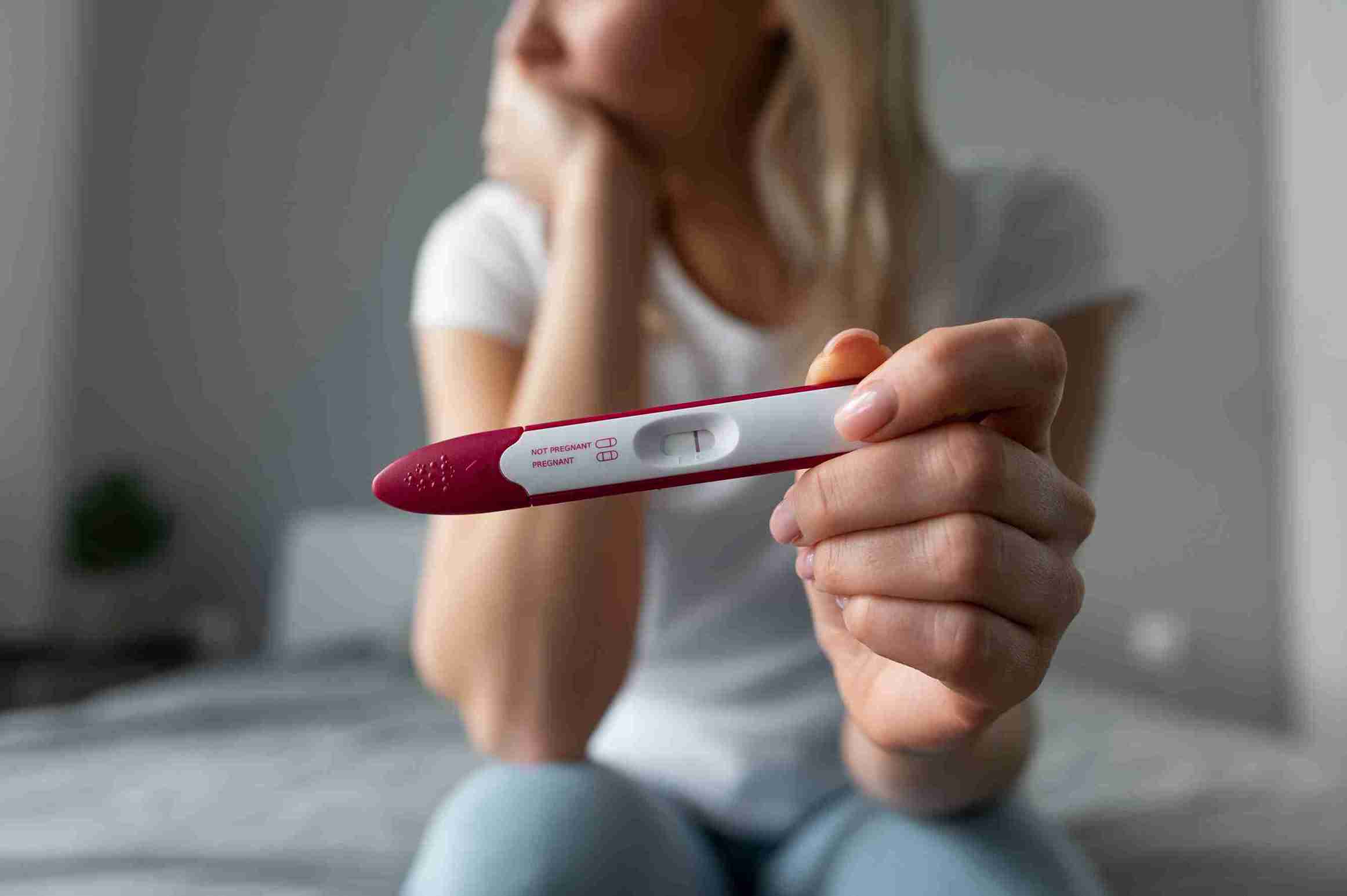
Chemical pregnancy refers to a miscarriage that happens very early in pregnancy, usually within the first five weeks of pregnancy, making it very different from embryo implantation failure, a condition where the embryo fails to attach to the uterine lining.
The use of the word “chemical” to describe a pregnancy may sound strange, and a bit bleak or dark. Here, it is worth noting that this term does not describe the experience. Rather, it is used to highlight the fact that the pregnancy could only be detected by the presence of certain pregnancy markers or hormones, and not physically via ultrasound.
In reality, this type of miscarriage happens so soon after implantation that the presence of the fetus can only be confirmed via pregnancy tests that check for the presence of human chorionic gonadotropin (HCG) in the mother’s body. Nevertheless, getting a negative test just weeks after a positive one can be devastating, especially after fertility treatment such as IVF.
Chemical pregnancies happen so early that most women don’t even know they were pregnant or had a miscarriage. If they were not actively trying to get pregnant, they may even mistake this for their periods. Here are some of the most common signs that a chemical pregnancy has taken place:
1. The menstrual cycle took longer than usual, and what’s presumed to be menstrual bleeding or periods occurred around a week later than expected.
2. There was a positive pregnancy test result, but a few days later, vaginal bleeding occurred.
3. A negative pregnancy test result could be seen a few weeks after a positive one.
4. Vaginal bleeding occurred around the usual time of the period, but it was heavier than usual.
5. Unusual abdominal cramps may have been felt after pregnancy had been confirmed.
6. The early signs of pregnancy, such as morning sickness, have not been experienced, despite a positive pregnancy test.
Studies have noted that the chance of having a chemical pregnancy is higher in certain women, especially if they are:
● Over 35 years old
● Suffering from disorders or abnormalities in their reproductive system, such as an abnormally shaped uterus
● Diagnosed with health issues like hormonal imbalances, Polycystic Ovary Syndrome (PCOS), thyroid diseases, etc.
● Suffering from sexually transmitted infections (STIs)

While women undergoing IVF are more likely to notice the warning signs of chemical pregnancy, it does not mean that they are at a greater risk. There is a lot of monitoring involved during fertility treatments, making it easier to know if a chemical pregnancy has occurred.
There are numerous reasons behind the occurrence of a chemical pregnancy, especially after having undergone IVF.
Progesterone and other hormones are essential in supporting early pregnancy. When these hormones are unbalanced, it can affect implantation and the overall progression of pregnancy. During IVF, inadequate hormonal support (especially low progesterone) can affect implantation and increase the risk of early pregnancy loss.
During IVF, the lab-created embryo is transferred to the mother’s uterus so that it may implant itself into the uterine lining. Several factors affect the implantation of the embryo. The lining may be too thin to sustain the embryo. Alternatively, an overactive immune system could have created a hostile environment for the embryo within the uterus, leading to pregnancy loss. Even uterine malformations could cause implantation failure.
The health and viability of the embryo are important factors in the success of an IVF cycle. Most chemical pregnancies are caused by chromosomal abnormalities in the embryo, which prevent normal development after implantation.
Health conditions like PCOS, thyroid diseases, etc., could harm the chances of successful conception. A chemical pregnancy could occur if such underlying issues were not resolved before attempting IVF.
Another reason for a chemical pregnancy is genetic problems in the embryo that stop it from growing. These problems can happen by chance or because the egg or sperm has issues with its chromosomes.
If a chemical pregnancy is suspected, the following tests may be performed:
● A pregnancy test. It will show a negative result rather than the previous positive one.
● A blood test to check HCG levels. If a chemical pregnancy has occurred, then the HCG levels will be very low.
● An ultrasound scan may be used to detect a developing fetus. There will be no fetus visible in the case of a chemical pregnancy.

A chemical pregnancy after IVF causes a huge amount of emotional distress, since additional efforts were made to become pregnant. However, it is vital to move forward after this tragic event. Let’s see how this can be done:
● Allow yourself the time and space to grieve. A positive pregnancy test after IVF would have been a joyous occasion. It is natural to feel devastated when the subsequent test comes back negative. Seek support from loved ones or professionals to overcome this setback.
● Opt for genetic testing before attempting to get pregnant again. Preimplantation Genetic Testing (PGT-A) can help identify chromosomally normal embryos that are more likely to implant successfully.
● Focus on maintaining a healthy lifestyle. Try to maintain a healthy body weight. Eat healthy and wholesome food and avoid alcohol and tobacco products.
● Make sure to get early and regular prenatal care. This will help prevent potentially dangerous pregnancy complications.
A chemical pregnancy after IVF is one of the most heartwrenching experiences that couples go through. However, it is vital to remember that it is quite possible to have successful pregnancies in the future. So, do not lose hope! Follow your clinician’s guidance and remember that many people go on to have successful pregnancies after a chemical pregnancy.


Repeated IVF cycles themselves do not increase the risk, but factors such as maternal age and embryo quality play a larger role.
Generally, only a healthy and good-quality embryo will be able to implant itself into the uterine lining. Unhealthy or low-quality ones will fail to implant, consequently leading to a chemical pregnancy.
Ultrasounds, pregnancy tests and blood tests can be used to detect chemical pregnancy.
Chemical pregnancy refers to a type of miscarriage that happens very early in pregnancy, usually before five weeks of pregnancy. It could be due to implantation failure, hormone imbalances, genetic issues, medical conditions, etc.







 Best Gynecologists in Bellandur Best Gynecologists in Electronic City Best Gynecologists in HRBR LayoutBest Gynecologists in Jayanagar Best Gynecologists in Kanakapura RoadBest Gynecologists in Malleswaram Best Gynecologists in Nagarbhavi Best Gynecologists in Old Airport RoadBest Gynecologists in Sahakarnagar Best Gynecologists in Sarjapur RoadBest Gynecologists in ThanisandraBest Gynecologists in Varthur RoadBest Gynecologists in Whitefield Best Gynecologists in Industrial Area Phase IIBest Gynecologists in OMRBest Gynecologists in T NagarBest Gynecologists in New Industrial TownBest Gynecologists in IndirapuramBest Gynecologists in Golf Course RoadBest Gynecologists in Sector 14Best Gynecologists in Sector 47Best Gynecologists in Banjara HillsBest Gynecologists in GachibowliBest Gynecologists in Hitech CityBest Gynecologists in KompallyBest Gynecologists in Gomti NagarBest Gynecologists in MaladBest Gynecologists in NerulBest Gynecologists in VashiBest Gynecologists in Kailash ColonyBest Gynecologists in PatparganjBest Gynecologists in Punjabi BaghBest Gynecologists in VikaspuriBest Gynecologists in Gaur CityBest Gynecologists in Pari ChowkBest Gynecologists in Sector 51Best Gynecologists in Sector 5 Swastik ViharBest Gynecologists in Kalyani NagarBest Gynecologists in SB RoadBest Gynecologists in Pimple SaudagarBest Pediatricians in BellandurBest Pediatricians in Electronic CityBest Pediatricians in HRBR LayoutBest Pediatricians in JayanagarBest Pediatricians in Kanakapura RoadBest Pediatricians in MalleswaramBest Pediatricians in NagarbhaviBest Pediatricians in Old Airport RoadBest Pediatricians in SahakarnagarBest Pediatricians in Sarjapur RoadBest Pediatricians in ThanisandraBest Pediatricians in Varthur RoadBest Pediatricians in WhitefieldBest Pediatricians in Industrial Area Phase IIBest Pediatricians in OMRBest Pediatricians in T NagarBest Pediatricians in New Industrial TownshipBest Pediatricians in IndirapuramBest Pediatricians in Golf Course RoadBest Pediatricians in Sector 14Best Pediatricians in Sector 47Best Pediatricians in Hitech CityBest Pediatricians in Banjara HillsBest Pediatricians in GachibowliBest Pediatricians in KompallyBest Pediatricians in Gomti NagarBest Pediatricians in MaladBest Pediatricians in NerulBest Pediatricians in VashiBest Pediatricians in Kailash ColonyBest Pediatricians in PatparganjBest Pediatricians in Punjabi BaghBest Pediatricians in VikaspuriBest Pediatricians in Gaur CityBest Pediatricians in Pari ChowkBest Pediatricians in Sector 51Best Pediatricians in Sector 5 Swastik ViharBest Pediatricians in Kalyani NagarBest Pediatricians in SB RoadBest Pediatricians in Pimple Saudagar


