





Taking a pregnancy test is an emotional experience, especially when you're trying to conceive or when you haven't gotten your period. But what do you do if you take a test and get a negative reading, and the next day take one and get a positive? More individuals have been there than you would think. Let's understand what it means, “If a pregnancy test is negative today, can it be positive tomorrow?”, and what might cause this sudden change.

To comprehend why a result might be different, one must understand how pregnancy tests function. Home pregnancy tests detect the amount of human chorionic gonadotropin (hCG), a hormone that occurs only after a fertilised egg has implanted in the uterus. The hormone typically becomes detectable in urine around 10 to 14 days after conception.
Despite that, the hCG level can vary immensely between individuals and can rise exponentially throughout early pregnancy. That is the reason why one can get a negative followed by a positive pregnancy test, especially in the case where the test was taken too early.
Yes, pregnancy results can change, and there are many reasons why this happens. Home pregnancy tests use the hCG hormone produced by a fertilised egg after it implants itself into the uterine lining. As hCG results vary throughout the pregnancy, the test results may vary based on the timing of the test.
The most common change that is observed in a home pregnancy test is this: getting a negative result followed by a positive one. This usually happens when the test is taken much before the embryo implants itself into the uterus lining. In such a situation, a retest after 48-72 hours can give a more accurate result.
Sometimes it is possible to see a faint positive pregnancy test, then a negative the next day. It is also possible that a faint positive line appears that becomes darker in the days following the test. The intensity of the line cannot be considered as a sole indicator of pregnancy. If the faint line is confusing, it is advisable to take the test again after 48-72 hours.
In some cases, you may see a positive then a negative pregnancy test. There are many reasons why this may occur. If this occurs, it is important to consult a healthcare provider for further evaluation.

Yes, it is possible. If you’re wondering, “If a pregnancy test is negative today, can it be positive tomorrow?”, the answer is yes, and there are several reasons for this:
Most individuals test too early before the onset of their period, when the hCG level may still be too low to be detected by the test, leading to a false negative result.
Afternoon or post-excessive fluid intake testing can dilute your urine. This can cause difficulty in detecting hCG, leading once more to a false negative test.
The hCG level doubles within 48 to 72 hours during early pregnancy. If you test today and your hCG is slightly below the level detectable by the test, it may double up sufficiently by tomorrow to produce a positive test.
Although rare, test strips can also be faulty. Incorrectly failing to follow directions, too soon or too late observation of the result, or use of an outdated test also conveys errors.
A pregnancy test positive result, then a negative result, may be confusing and also emotionally difficult, especially if you were eagerly awaiting a positive result. The shift may happen due to any of the reasons given below:
Testing much before your period date may lead to wrong results. Your body needs time to build up enough hCG to be detected by the home test. An initial test may show it to be positive, but a test done later may show a negative result.
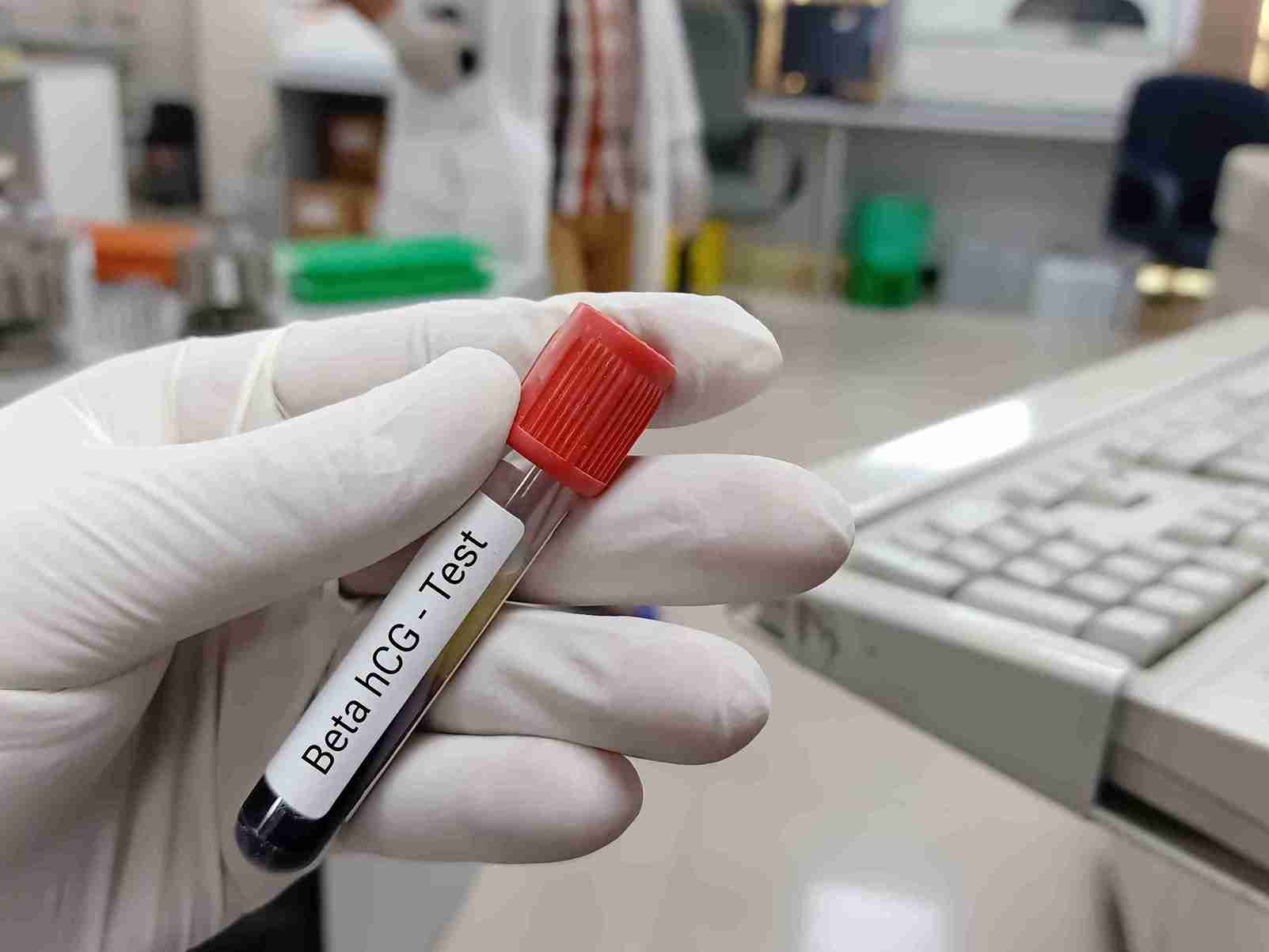
In order to be detected, the hCG levels need to be high. A highly sensitive test can show a positive result, whereas a less sensitive test may show it as negative.
A chemical pregnancy is a miscarriage that happens shortly after the egg is fertilised. The initial implantation may have raised hCG to detectable levels, but a test done a few days later may show a negative result.
An evaporation line is a faint colourless line that can appear once the urine dries up. It is possible to mistake this for a faint positive result. If you redo this test after a few days, a proper negative result may turn up.
Using a poor-quality home pregnancy test kit or not using it as per the instructions given may lead to a false positive result initially.
A false negative result is when you are indeed pregnant, but the test comes out negative. The following reasons may cause such an error:
● Too early testing
● Low-sensitivity kits
● Weak urine
● Incorrect testing technique
If you think the result is a false negative, wait one or two days and retest with your first morning urine, which has the highest concentration of hCG.

If you’ve received a negative result but still suspect pregnancy, for example, if your period hasn’t arrived or you’re experiencing pregnancy symptoms, wait 48 hours and take another test. If the second test still appears negative and there’s still no period, it may be time to consult a doctor for a blood test or further evaluation.
An ectopic pregnancy occurs when a fertilised egg gets implanted outside the uterine cavity, mostly in the fallopian tubes. This condition spikes hCG levels in the body, which may lead to a false positive result.
Gestational trophoblastic disease is a rare condition, such as a molar pregnancy, where an abnormal tumour grows inside the uterus. These tumours produce a high amount of hCG, which can be mistaken for pregnancy.
Many fertility treatments use hormonal trigger shots that contain hCG to induce ovulation. If you test too soon after the treatment, the result may turn out to be a false positive.
Any ovarian issues present, like ovarian cysts or tumours, may also produce a high hCG, which may lead to a positive result in home pregnancy tests.
The thumb rule for a home pregnancy test is to repeat it after 48-72 hours in case you are not sure about the result or feel that it may be false negative or a false positive.
Always use first-morning urine, preferably on the day of your expected period. The first urine that you pass is highly concentrated and hence can carry enough hCG to
Even after waiting for 48-72 hours and using the first-morning urine, if you still get conflicting results, it is better to go for a blood test to confirm pregnancy. Blood tests are deemed more accurate than home pregnancy tests.
If you have any doubts about your home pregnancy tests or the blood test, always refer to your gynaecologist. Your doctor may do a physical exam and help you read through the reports to confirm if you are pregnant or not.

At Cloudnine, we understand how confusing and overwhelming the early days of suspected pregnancy are, especially when the test turns out to be negative. Our gynaecologists provide one-on-one consultations and advise on the most appropriate time for testing based on individual cycles and symptoms.
Cloudnine also offers hormone and blood hCG testing, significantly more sensitive than urine tests, for proper diagnosis in the initial stages. From advice on symptoms, cycle irregularities, to planning a family, Cloudnine is committed to ensuring women receive the right advice and guidance.
If you've had more than one negative pregnancy test but still think you might be pregnant, you should go see a health professional. Some of the signs to look out for are:
● A missed period
● Nausea and fatigue
● Breast soreness
● Spotting or cramping
These are normal symptoms of early pregnancy. They may also be caused by hormonal imbalance or other diseases. A doctor can take a blood test and maybe an ultrasound to shed some light.
So, if a pregnancy test is negative today, can it be positive tomorrow? Yes, and it often happens because of timing and hCG levels. If a pregnancy test is negative, then a positive experience is common and typically self-corrects within a few days as hormone levels rise.
False positives are annoying but a normal aspect of early testing. The best you can do is wait a day or two and then test again with your first-morning urine or consult a doctor for a blood test. At Cloudnine, we give you precise diagnoses and tender loving care for every stage of a woman's life. If you are planning to conceive or wondering, book an appointment at Cloudnine and eliminate the guessing from your reproductive life.


Yes, it can. If you test too early or your hCG levels are still low, a test might show negative. But as hormone levels rise, the same test could be positive the next day.
Common causes include testing too early, diluted urine, incorrect testing method or a low-sensitivity test kit.
The most accurate results usually come from testing after a missed period, using the first urine of the morning when hCG levels are highest.
If your period is late and tests are still negative, consult a doctor. A blood test can detect lower levels of hCG and rule out other health concerns.


 Best Gynecologists in Bellandur Best Gynecologists in Electronic City Best Gynecologists in HRBR LayoutBest Gynecologists in Jayanagar Best Gynecologists in Kanakapura RoadBest Gynecologists in Malleswaram Best Gynecologists in Nagarbhavi Best Gynecologists in Old Airport RoadBest Gynecologists in Sahakarnagar Best Gynecologists in Sarjapur RoadBest Gynecologists in ThanisandraBest Gynecologists in Varthur RoadBest Gynecologists in Whitefield Best Gynecologists in Industrial Area Phase IIBest Gynecologists in OMRBest Gynecologists in T NagarBest Gynecologists in New Industrial TownBest Gynecologists in IndirapuramBest Gynecologists in Golf Course RoadBest Gynecologists in Sector 14Best Gynecologists in Sector 47Best Gynecologists in Banjara HillsBest Gynecologists in GachibowliBest Gynecologists in Hitech CityBest Gynecologists in KompallyBest Gynecologists in Jawahar NagarBest Gynecologists in Gomti NagarBest Gynecologists in Phase 3, Sector 58Best Gynecologists in MaladBest Gynecologists in NerulBest Gynecologists in VashiBest Gynecologists in Kailash ColonyBest Gynecologists in PatparganjBest Gynecologists in Punjabi BaghBest Gynecologists in RohiniBest Gynecologists in VikaspuriBest Gynecologists in Gaur CityBest Gynecologists in Pari ChowkBest Gynecologists in Sector 51Best Gynecologists in Sector 5 Swastik ViharBest Gynecologists in Kalyani NagarBest Gynecologists in SB RoadBest Gynecologists in Pimple SaudagarBest Pediatricians in BellandurBest Pediatricians in Electronic CityBest Pediatricians in HRBR LayoutBest Pediatricians in JayanagarBest Pediatricians in Kanakapura RoadBest Pediatricians in MalleswaramBest Pediatricians in NagarbhaviBest Pediatricians in Old Airport RoadBest Pediatricians in SahakarnagarBest Pediatricians in Sarjapur RoadBest Pediatricians in ThanisandraBest Pediatricians in Varthur RoadBest Pediatricians in WhitefieldBest Pediatricians in Industrial Area Phase IIBest Pediatricians in OMRBest Pediatricians in T NagarBest Pediatricians in New Industrial TownshipBest Pediatricians in IndirapuramBest Pediatricians in Golf Course RoadBest Pediatricians in Sector 14Best Pediatricians in Sector 47Best Pediatricians in Hitech CityBest Pediatricians in Banjara HillsBest Pediatricians in GachibowliBest Pediatricians in KompallyBest Pediatricians in Jawahar NagarBest Pediatricians in Gomti NagarBest Pediatricians in Phase 3, Sector 58Best Pediatricians in MaladBest Pediatricians in NerulBest Pediatricians in VashiBest Pediatricians in Kailash ColonyBest Pediatricians in PatparganjBest Pediatricians in Punjabi BaghBest Pediatricians in RohiniBest Pediatricians in VikaspuriBest Pediatricians in Gaur CityBest Pediatricians in Pari ChowkBest Pediatricians in Sector 51Best Pediatricians in Sector 5 Swastik ViharBest Pediatricians in Kalyani NagarBest Pediatricians in SB RoadBest Pediatricians in Pimple Saudagar


