





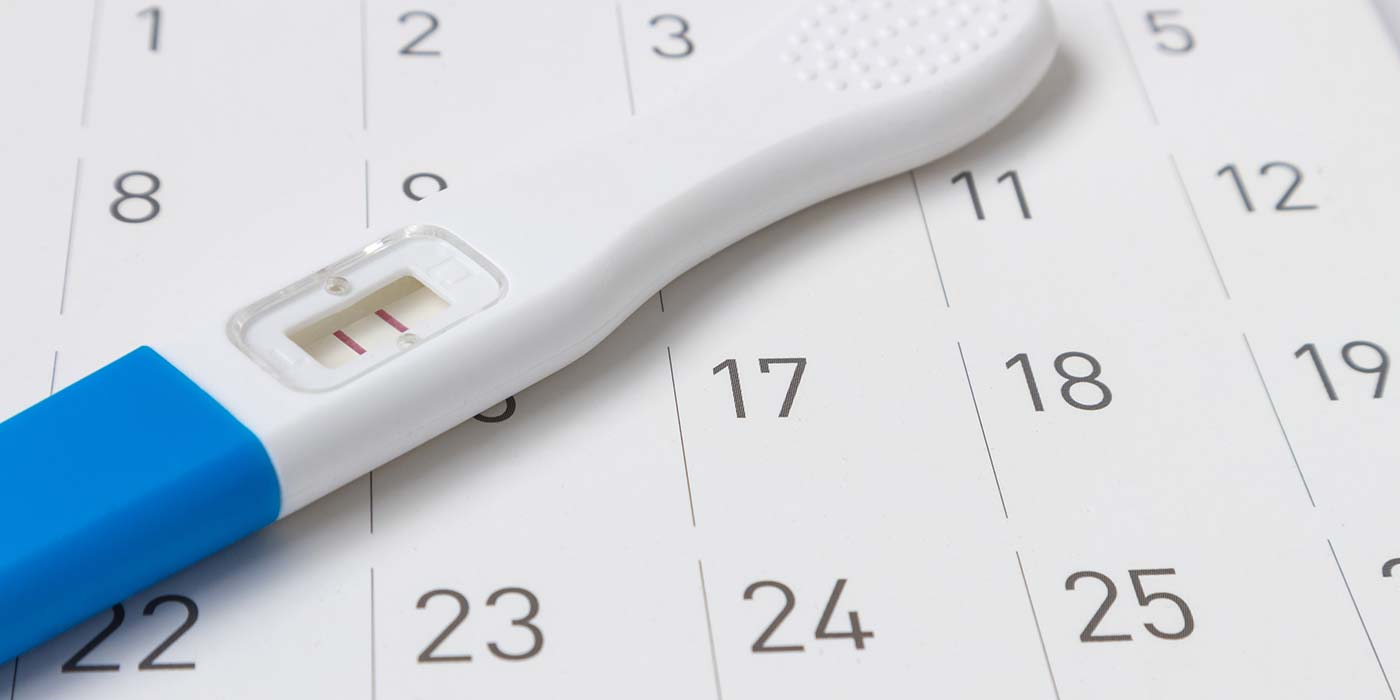
Pregnancy is one of the most exciting phases of one’s life. However, conceiving a baby is not a very simple task but is rather a calculative thing and requires tracking of one’s menstrual cycle besides various other factors. Though you can get pregnant at any time of your menstrual cycle, there is only a small window of a few days when you are most likely to conceive and get pregnant.
The menstrual cycle has normally a period of about 28 days (though it can widely vary from one individual to another). Ovulation normally occurs around the 14th day of your cycle. Ovulation is when a mature egg is released from the ovary which travels through the fallopian tube and is ready to be fertilized. The time of ovulation can also widely vary from one individual to another. Ovulation often occurs without any symptoms and hence one closely needs to keep track of one’s menstrual cycles. There are also various online period calculators available which can help you keep a track of your periods.
Theoretically speaking, women are most fertile at the time of ovulation. In most women, the window of 10 to 16 days before the next period is due is the time when ovulation occurs and when conception is most likely. However, in women who have menstrual cycles shorter or longer than 28 days, this time frame can differ. If trying to get pregnant, this small window frame of 10-16 days before the next period or the time around ovulation is the best time to try.
Do you want to know the"Estimated date of when your baby is due?" Check out Cloudnine's Pregnancy Due date Calculator now!
Some of the earliest symptoms of pregnancy to look out for are:
If you notice any of the above changes in your body, you may be pregnant. However, some other conditions can also cause the other symptoms and hence you might need a pregnancy test to confirm pregnancy.

A pregnancy test helps you confirm your pregnancy. However, if taken too early, it can show false results and cause you unnecessary despair. Even if the egg is fertilized, the test can still show negative results if taken too early. This is because the egg does not produce the hormone hCG (which a pregnancy test detects) until the implantation is complete. And hence, the test will not detect any hCG even after fertilization if implantation has not occurred.
Experts suggest that you should not take the test earlier than 12-14 days after ovulation. In most cases, implantation occurs in the interval of 8-10 days after ovulation and hence taking the test before 8 days after ovulation has a high probability of giving you false results.
Hence, it is recommended to take the test 12-14 days after ovulation. Irrespective of the results you get, it is also highly recommended to retake the test after two days for confirmation.
Cloudnine is the best pregnancy and maternity care hospital chain in India and we totally understand how special the journey of pregnancy is. Our world-class facilities and expert team of specialists, technicians, and well-trained nurses strive to make this journey as smooth as possible for you. We provide a wide range of facilities ranging from counselling to postnatal and pediatric care. The quality of our services is second to none as is evident from the testimonials of tens of thousands of women.
Want to consult the best gynecologists in India? Please find the links below.
Want to consult the best Maternity Packages in India? Please find the links below.

It is best to do the pregnancy test with your first urine in the morning as soon as you wake up. This is when the hormone concentration in the urine is at its peak, making it easier for the test strip to detect it. If you are checking your basal body temperature, it should again be taken as soon as you wake up.
The earliest you can get a positive pregnancy test result is just around the time your menstrual period is due. Ovulation occurs around day 14 of the 28-day menstrual cycle. Implantation occurs soon after. It will take a few days for the placenta to start producing enough hCG hormone for the test strip to identify. In some cases, a pregnancy test can show positive as early as 21 days after the last period.
Yes, the 12th day of your menstrual cycle is too early for a pregnancy test. Ovulation occurs only around day 14, and only after the egg is released can pregnancy occur. So, you need to wait at least 25 – 28 days since your last period to check for pregnancy. If you check earlier, you may get a false negative.
The perfect time to take a pregnancy test at home is a few days after a missed period. Periods can be late by 2 or 3 days. So, if your period has not started even 3-6 days after its due date, you can take a home pregnancy test with your first urine in the morning, as soon as you wake up.


 Best Gynecologists in Bellandur Best Gynecologists in Electronic City Best Gynecologists in HRBR LayoutBest Gynecologists in Jayanagar Best Gynecologists in Kanakapura RoadBest Gynecologists in Malleswaram Best Gynecologists in Nagarbhavi Best Gynecologists in Old Airport RoadBest Gynecologists in Sahakarnagar Best Gynecologists in Sarjapur RoadBest Gynecologists in ThanisandraBest Gynecologists in Varthur RoadBest Gynecologists in Whitefield Best Gynecologists in Industrial Area Phase IIBest Gynecologists in OMRBest Gynecologists in T NagarBest Gynecologists in New Industrial TownBest Gynecologists in IndirapuramBest Gynecologists in Golf Course RoadBest Gynecologists in Sector 14Best Gynecologists in Sector 47Best Gynecologists in Banjara HillsBest Gynecologists in GachibowliBest Gynecologists in Hitech CityBest Gynecologists in KompallyBest Gynecologists in Gomti NagarBest Gynecologists in Phase 3, Sector 58Best Gynecologists in MaladBest Gynecologists in NerulBest Gynecologists in VashiBest Gynecologists in Kailash ColonyBest Gynecologists in PatparganjBest Gynecologists in Punjabi BaghBest Gynecologists in VikaspuriBest Gynecologists in Gaur CityBest Gynecologists in Pari ChowkBest Gynecologists in Sector 51Best Gynecologists in Sector 5 Swastik ViharBest Gynecologists in Kalyani NagarBest Gynecologists in SB RoadBest Gynecologists in Pimple SaudagarBest Pediatricians in BellandurBest Pediatricians in Electronic CityBest Pediatricians in HRBR LayoutBest Pediatricians in JayanagarBest Pediatricians in Kanakapura RoadBest Pediatricians in MalleswaramBest Pediatricians in NagarbhaviBest Pediatricians in Old Airport RoadBest Pediatricians in SahakarnagarBest Pediatricians in Sarjapur RoadBest Pediatricians in ThanisandraBest Pediatricians in Varthur RoadBest Pediatricians in WhitefieldBest Pediatricians in Industrial Area Phase IIBest Pediatricians in OMRBest Pediatricians in T NagarBest Pediatricians in New Industrial TownshipBest Pediatricians in IndirapuramBest Pediatricians in Golf Course RoadBest Pediatricians in Sector 14Best Pediatricians in Sector 47Best Pediatricians in Hitech CityBest Pediatricians in Banjara HillsBest Pediatricians in GachibowliBest Pediatricians in KompallyBest Pediatricians in Gomti NagarBest Pediatricians in Phase 3, Sector 58Best Pediatricians in MaladBest Pediatricians in NerulBest Pediatricians in VashiBest Pediatricians in Kailash ColonyBest Pediatricians in PatparganjBest Pediatricians in Punjabi BaghBest Pediatricians in VikaspuriBest Pediatricians in Gaur CityBest Pediatricians in Pari ChowkBest Pediatricians in Sector 51Best Pediatricians in Sector 5 Swastik ViharBest Pediatricians in Kalyani NagarBest Pediatricians in SB RoadBest Pediatricians in Pimple Saudagar


