
Fertility issues can arise in either the male or female partner, or in both. These problems may be the consequence of underlying medical illnesses or even the outcome of treatments used to cure them.
In this article, we shall be focusing on a highly advanced procedure known as sperm freezing. Here, you will learn about sperm freezing benefits, risks and the cases where fertility experts may recommend it.
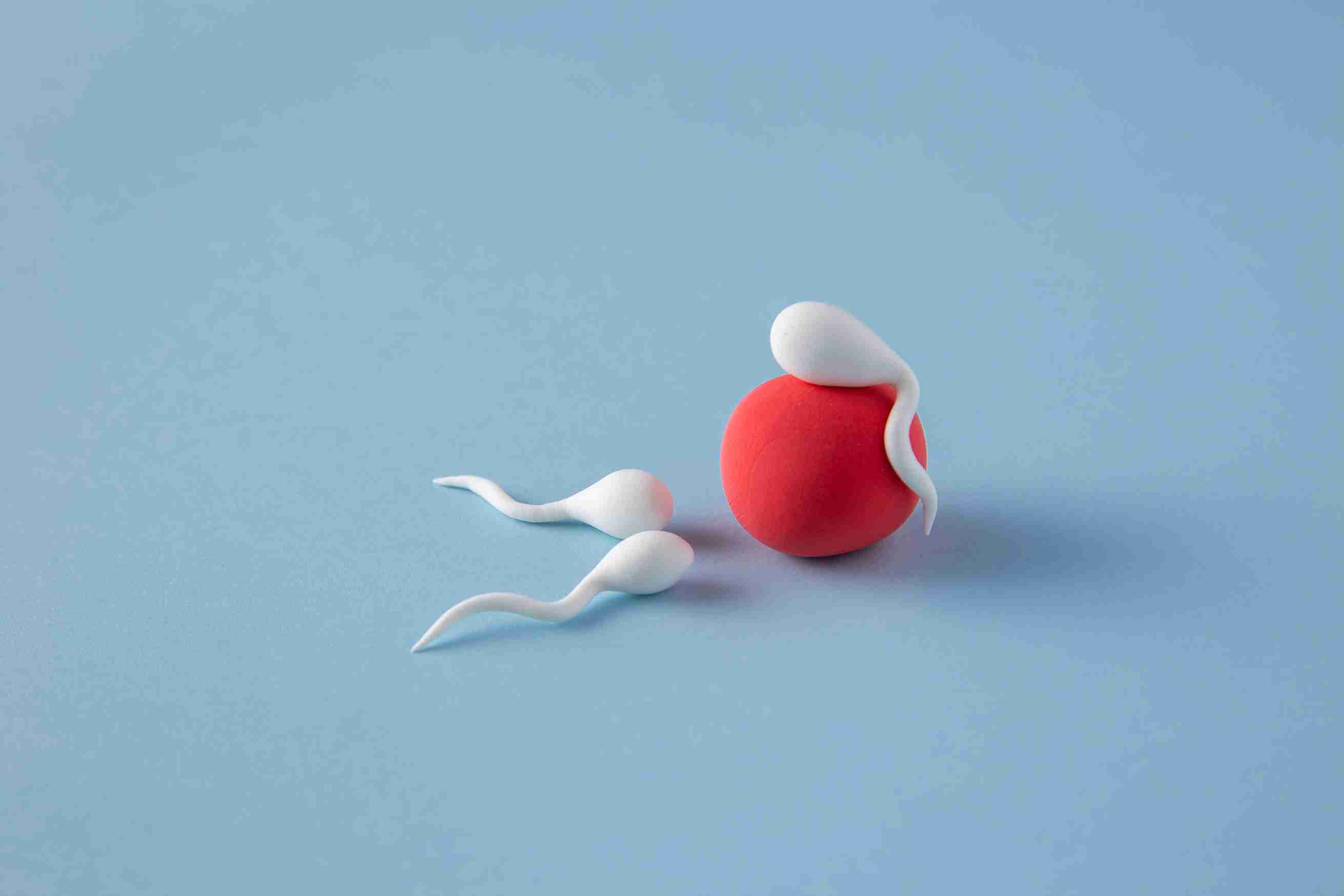
Sperm are microscopic male sex cells whose production begins after the onset of puberty — timing varies, but male puberty commonly starts between about 9 and 14 years. These cells look similar to tadpoles and have three parts:
1. An almond-shaped head that contains the male DNA.
2. A midpiece or neck that contains energy-supplying mitochondria.
3. A long tail that helps propel the sperm forward.
Sperm is produced in tiny tubes called seminiferous tubes present in the testicles. Mature sperm leave the testicles and travel via the epididymis and vas deferens; during ejaculation, they mix with fluids from the seminal vesicles (majority) and the prostate to form semen, a whitish-grey liquid that helps protect, nourish and transport the sperm. Eventually, the semen will be released from the tip of the penis.
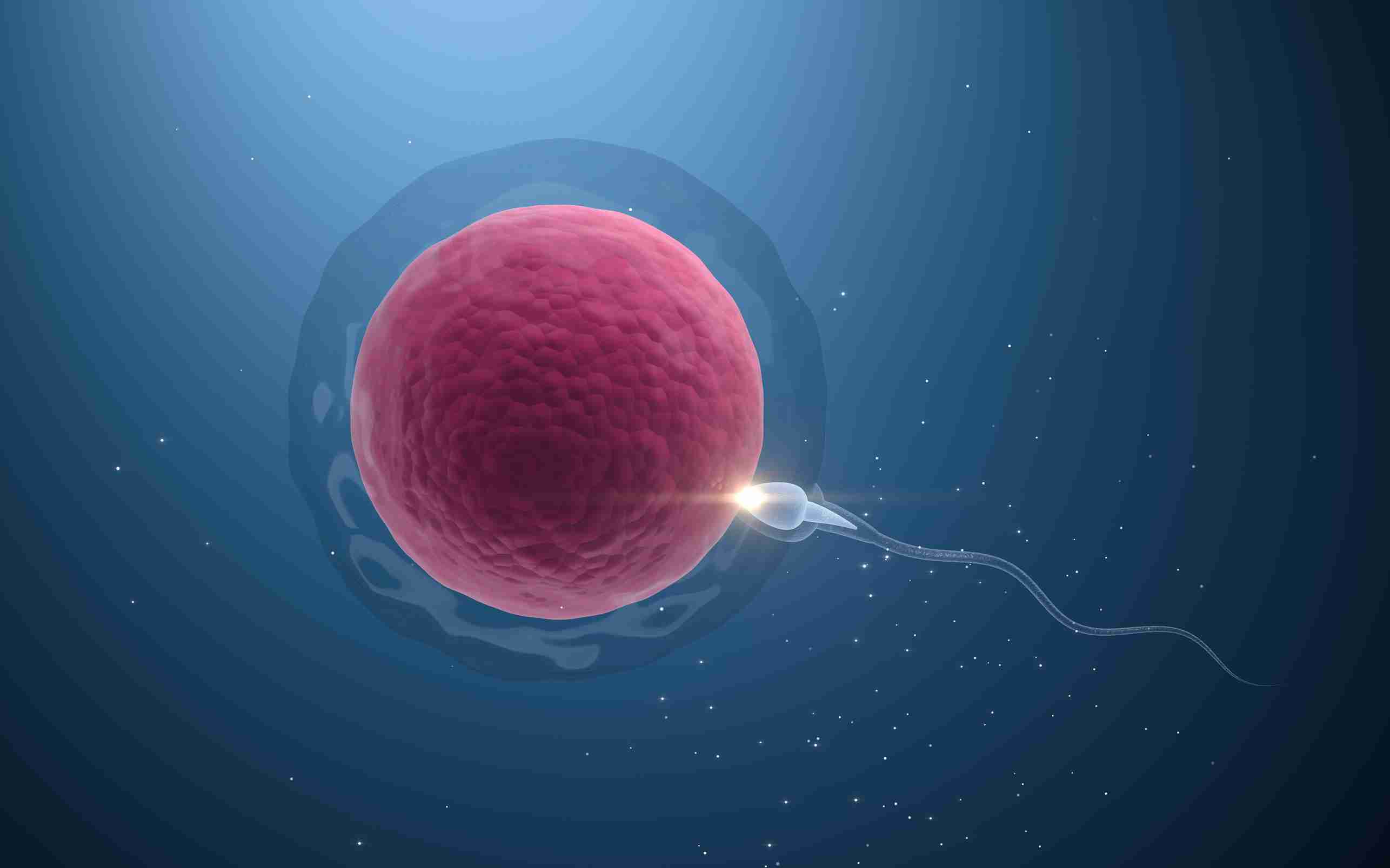
If ejaculation occurred during unprotected vaginal intercourse, the sperm will enter the woman’s reproductive system via the vagina and travel through the cervix and uterus to reach the fallopian tubes. If the woman has no underlying fertility issues and she is ovulating, then a fully mature and viable egg will be present in the fallopian tube, waiting to be fertilised by the sperm. The strongest sperm will survive the journey to the fallopian tube and attempt to penetrate the egg. Though millions of sperm are released during ejaculation, just one is required for conception to occur.
Hence, sperm health is a vital aspect of male fertility.
The process of preserving sperm at extremely low temperatures so that they may be used at a later date is called sperm freezing. This process is also known as sperm cryopreservation. This is an advanced medical procedure that provides men with the chance to become fathers to their own biological child anytime in the future.
There are many reasons why it might be necessary to opt for sperm cryopreservation. These include:
Sperm health tends to deteriorate as men age. Sperm count (number of sperm in ejaculated semen), morphology (shape/size) and motility (mobility) usually reduce as men become older. This could significantly impact their chances of becoming parents. Therefore, sperm freezing preserves a man’s current sperm for future use and can improve chances of using his own sperm later, but it does not guarantee future pregnancy.
Some men may suffer from fertility issues that affect their ability to become parents. Common sperm-related fertility issues include:
● Oligospermia: A condition of low sperm concentration (WHO lower reference ~<15 million/mL)
● Azoospermia: A condition of no sperm in the ejaculate
● Teratospermia: A condition of abnormal sperm morphology
● Injuries to the groin region can lead to testicular trauma. These injuries could damage the testicles, thus affecting their ability to create sperm.
● The scrotum could have swollen veins called Varicoceles. This condition increases the temperature inside the scrotum, which in turn could impair sperm development.
Certain fertility treatments or assisted reproductive technologies may require additional sperm samples. Sperm freezing may be useful in cases where the male partner is not available to give a fresh sperm sample.
Sperm freezing before cancer treatment is often recommended by doctors since chemo and radiation treatments could end up affecting the quality and quantity of the sperm and consequently lead to the inability to conceive.
Sperm freezing is also advised for men who are about to undergo irreversible procedures like vasectomy, gender reassignment surgery, etc., as it will allow them to use their own sperm for future fertility treatments.
Men who do high-risk work, such as military personnel, may end up having fertility issues and hence may benefit from sperm freezing.
Busy careers may entail frequent travelling or hectic lifestyles, because of which men may not be able to engage in sexual intercourse when their partners are ovulating. So, men with demanding careers may opt to become parents later, once they have achieved some stability.
The sperm freezing process consists of several steps.
Before the actual procedure can be initiated, men will have to undergo testing for infectious diseases, like STIs. This will ensure that the sperm collected are in good health. Moreover, they may even undergo genetic testing or other tests to ensure overall well-being.
At this stage, men undergoing cryopreservation will be asked to sign legal consent forms or contracts. This is done to remove any ambiguity regarding the usage of the collected sperm. For instance, men may decide what should be done with unused sperm samples, whether they can be donated, or what to do if or when they are no longer in a condition to decide.
Most clinics ask for 2–3 days of abstinence; WHO guidance recommends 2–7 days for standard samples.

On the day of the procedure, men will have to provide a semen sample, usually by masturbating in a private room at a fertility clinic. In some cases, this can be done at home, and the collected semen/sperm will have to be handed over to the clinic within a specified time.
In some cases, such as when there are conditions like azoospermia or testicular trauma present, the sperm may be extracted via minimally invasive procedures like Testicular sperm aspiration (TESA) or Testicular Sperm Extraction (TESE).
The extracted sperm will then be analysed in the laboratory. Parameters such as morphology, motility, volume, etc., will be studied to ensure that the sperm are healthy and capable of undergoing freezing.
Once the sperm have been analysed and approved for cryopreservation, they will be mixed with a cryoprotectant —a special liquid that helps protect the sperm from damage during freezing. The entire sample will then be divided into smaller batches and placed in specially prepared vials, thus ensuring that not all the sperm needs to be thawed in the future. The vials are then slowly cooled and stored in liquid nitrogen.
Cryopreservation risks are actually quite minimal. The procedures involved are usually minimally invasive. However, for men who are at risk of inheriting genetic disorders, the collected sperm may carry the abnormal genes. So, it’s best to have a detailed discussion with the fertility specialists before proceeding with the procedure.
Sperm freezing is an innovative procedure that allows men to become parents at a time when they are ready. It even offers hope to those who have been diagnosed with disorders or have to undergo treatments that could eventually have an adverse impact on their chances of successfully conceiving a child.


Men diagnosed with diseases like cancer, those with demanding or risky jobs, or individuals facing fertility issues might consider freezing their sperm.
Sperm cryopreservation enables men to freeze their sperm for future use. This is especially helpful for those who want to become fathers later in life or may need to undergo treatments like radiation therapy.
Yes, sperm freezing is often recommended for men with low sperm count or abnormal sperm motility and/or morphology.
Yes, sperm cryopreservation is relatively safe. Later on, thawed sperm can be effectively used in fertility treatments.







 Best Gynecologists in Bellandur Best Gynecologists in Electronic City Best Gynecologists in HRBR LayoutBest Gynecologists in Jayanagar Best Gynecologists in Kanakapura RoadBest Gynecologists in Malleswaram Best Gynecologists in Nagarbhavi Best Gynecologists in Old Airport RoadBest Gynecologists in Sahakarnagar Best Gynecologists in Sarjapur RoadBest Gynecologists in ThanisandraBest Gynecologists in Varthur RoadBest Gynecologists in Whitefield Best Gynecologists in Industrial Area Phase IIBest Gynecologists in OMRBest Gynecologists in T NagarBest Gynecologists in New Industrial TownBest Gynecologists in IndirapuramBest Gynecologists in Golf Course RoadBest Gynecologists in Sector 14Best Gynecologists in Sector 47Best Gynecologists in Banjara HillsBest Gynecologists in GachibowliBest Gynecologists in Hitech CityBest Gynecologists in KompallyBest Gynecologists in Gomti NagarBest Gynecologists in MaladBest Gynecologists in NerulBest Gynecologists in VashiBest Gynecologists in Kailash ColonyBest Gynecologists in PatparganjBest Gynecologists in Punjabi BaghBest Gynecologists in VikaspuriBest Gynecologists in Gaur CityBest Gynecologists in Pari ChowkBest Gynecologists in Sector 51Best Gynecologists in Sector 5 Swastik ViharBest Gynecologists in Kalyani NagarBest Gynecologists in SB RoadBest Gynecologists in Pimple SaudagarBest Pediatricians in BellandurBest Pediatricians in Electronic CityBest Pediatricians in HRBR LayoutBest Pediatricians in JayanagarBest Pediatricians in Kanakapura RoadBest Pediatricians in MalleswaramBest Pediatricians in NagarbhaviBest Pediatricians in Old Airport RoadBest Pediatricians in SahakarnagarBest Pediatricians in Sarjapur RoadBest Pediatricians in ThanisandraBest Pediatricians in Varthur RoadBest Pediatricians in WhitefieldBest Pediatricians in Industrial Area Phase IIBest Pediatricians in OMRBest Pediatricians in T NagarBest Pediatricians in New Industrial TownshipBest Pediatricians in IndirapuramBest Pediatricians in Golf Course RoadBest Pediatricians in Sector 14Best Pediatricians in Sector 47Best Pediatricians in Hitech CityBest Pediatricians in Banjara HillsBest Pediatricians in GachibowliBest Pediatricians in KompallyBest Pediatricians in Gomti NagarBest Pediatricians in MaladBest Pediatricians in NerulBest Pediatricians in VashiBest Pediatricians in Kailash ColonyBest Pediatricians in PatparganjBest Pediatricians in Punjabi BaghBest Pediatricians in VikaspuriBest Pediatricians in Gaur CityBest Pediatricians in Pari ChowkBest Pediatricians in Sector 51Best Pediatricians in Sector 5 Swastik ViharBest Pediatricians in Kalyani NagarBest Pediatricians in SB RoadBest Pediatricians in Pimple Saudagar


