
Breast milk is a natural source of essential nutrition and immunity for an infant. However, the amount of breast milk produced depends to a great extent on what the mother eats. Foods rich in nutrients keep the mother and infant healthy. Certain foods, known as galactagogues, have long been recognised as increasing lactation naturally. Daily consumption of these foods can encourage healthy milk production as well as overall well-being. This article educates us on the best indian foods to increase breast milk.
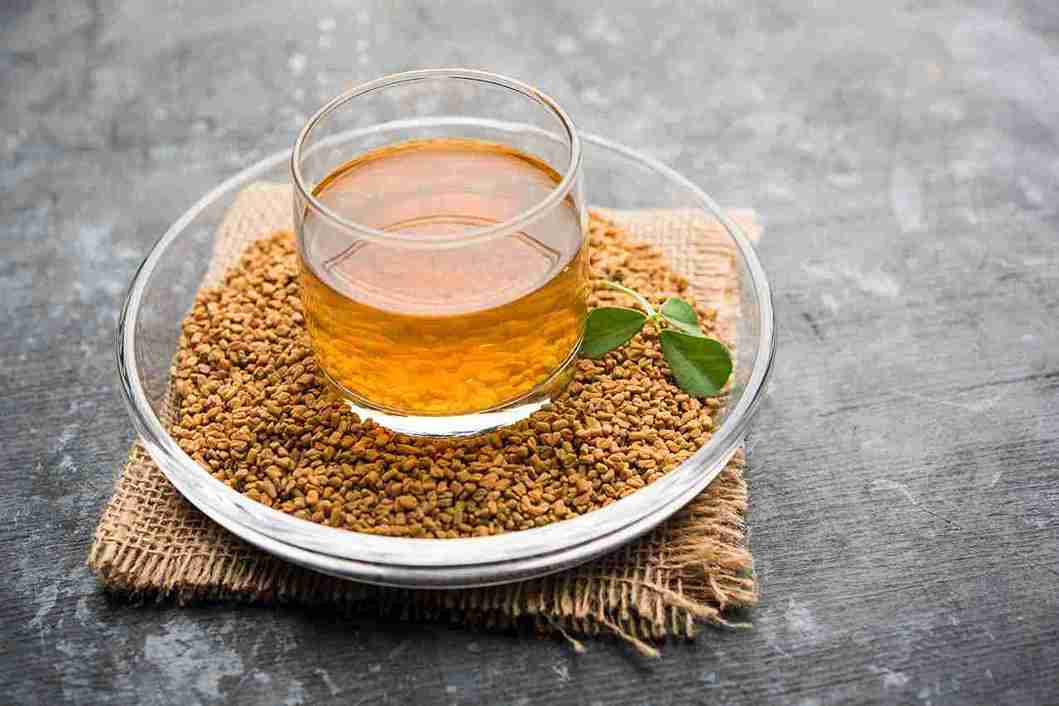
Galactagogues are foods, herbs, or compounds that stimulate the secretion of milk. They may work by improving hormonal balance, providing essential nutrients, or improving digestive function, all of which may positively affect lactation.
Simple natural galactagogues include fenugreek, fennel, and moringa, while nutrient-rich foods like whole grains, legumes, and nuts provide sustained energy that plays a key role in milk synthesis.
It's important to consider the fact that every woman’s body has a different response to galactagogue foods. While these foods will increase milk production, persistent low milk supply should always be discussed with a healthcare provider for proper guidance.
Fenugreek seeds are one of the most well-known galactagogues in Indian tradition. They are soaked overnight and consumed in the morning. These can also be added to teas or curries. It helps boost milk production and is therefore included in the diet of most postpartum women.
Fennel seeds aid digestion and induce milk secretion. Drinking fennel tea or adding seeds to foods may enhance lactation as well as offer mild relief to the mother's and baby's digestive system.
Garlic contains compounds that can enhance milk production and immunity. Mixing garlic in dals, curries, and stir-fries of vegetables not only adds flavour but also supports healthy lactation.
Jeera is iron-rich and is traditionally believed to increase milk supply. Mothers can have jeera water or curries made in jeera to reap its advantages.
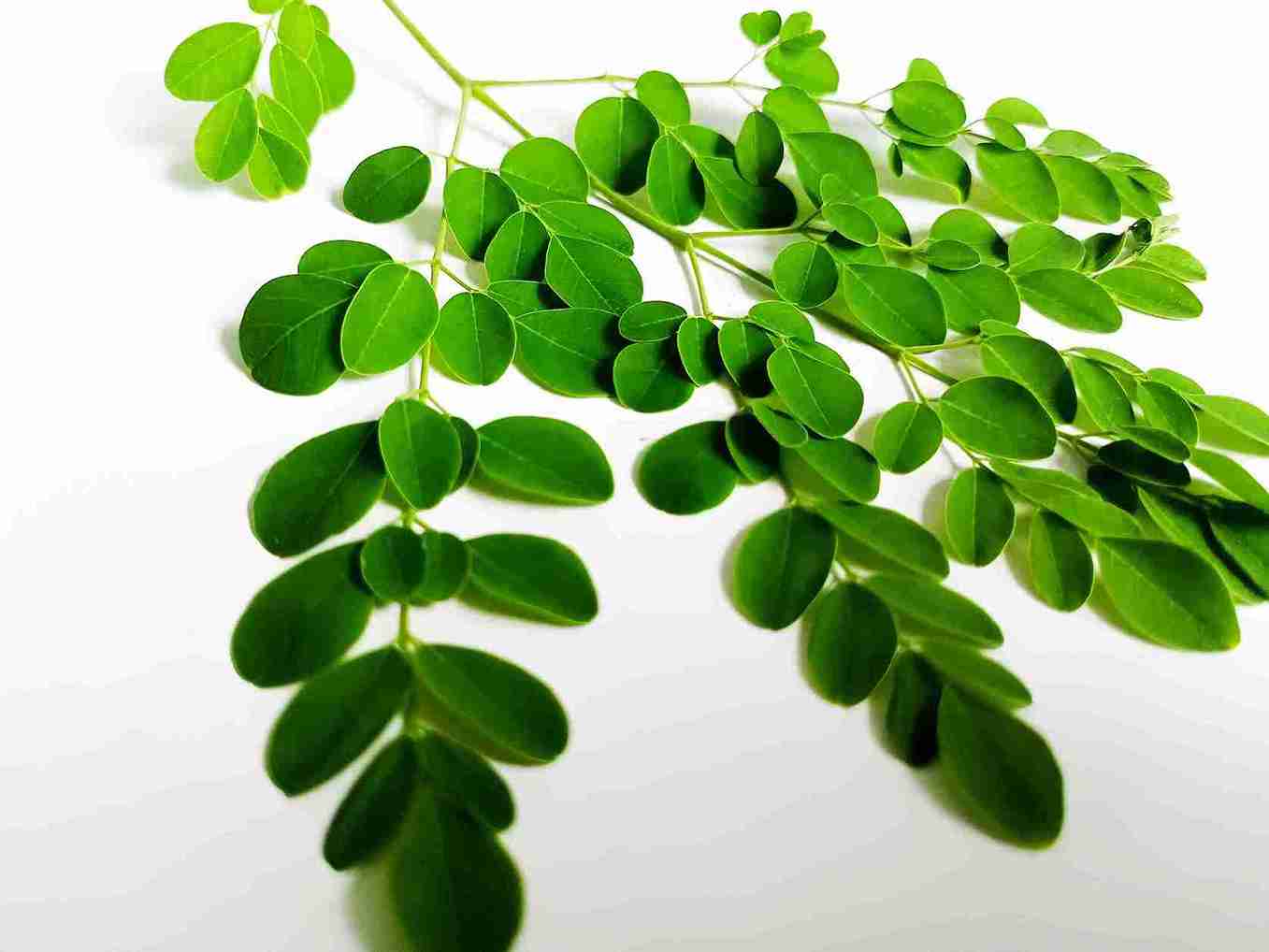
Moringa leaves are extremely healthy, rich in iron and calcium, and packed with lots of vitamins. These are considered one of the excellent galactagogue foods and can be used in dals, stir-fries, or soups for improving the quality of milk.
Dill leaves have been traditionally consumed in Indian postpartum diets for centuries. Dill leaves stimulate milk secretion and can be cooked as a vegetable or as a leafy green to include in soups.
Oats are a great source of fibre and iron that increases overall well-being and lactation. Oatmeal or milk with oats porridge and nuts is a nutritious and satisfying breakfast for lactating women.
Brown rice, whole wheat, and lentils are good sources of protein, energy, and nutrients that help in milk production. Continued energy and nutritional value are obtained through a combination of grains and dals in daily meals.
Nuts and seeds are good sources of healthy fats, calcium, and protein. Almonds, flaxseeds, and sesame seeds can be added to smoothies, porridges, or as snacks for increased milk quality.
Spinach, methi, and amaranth are rich in calcium, folate, and iron. Including these greens in curries and dals on a daily basis ensures mothers get the necessary nutrients for lactation.
Milk and ghee are traditional components of Indian postnatal meals. Milk and ghee are enough to supply the lactating mothers with the needed calcium and fat for nutritious breast milk.
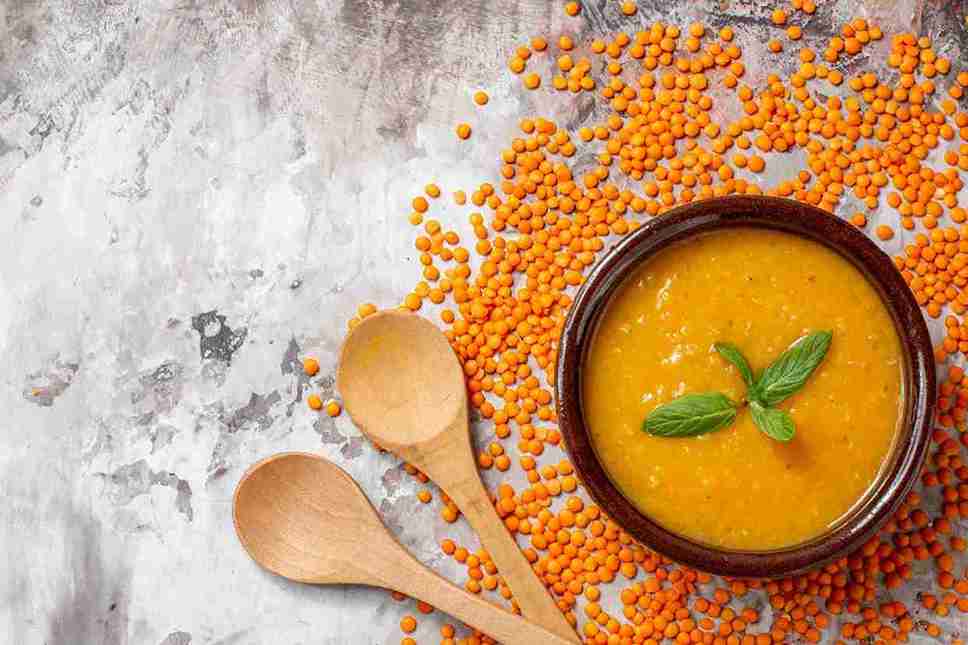
The following is a sample diet plan that includes meal time, along with indian food, to increase breast milk
This diet combines galactagogue foods with nutrient-rich foods, providing a constant milk supply.
While certain foods and herbs are commonly believed to affect milk supply, the impact tends to vary considerably from one person to another, and most of this is not backed by strong scientific evidence. Rather than avoiding these foods altogether, it's more useful to be aware of them and pay attention to how your own body responds.
Sage, peppermint, parsley, and jasmine are among the herbs most commonly associated with a potential dip in milk supply. It is worth noting that the amount matters quite a bit here: using these in small culinary quantities, like a pinch of parsley in a dish or an occasional peppermint candy, is unlikely to have a noticeable effect for most women. Concentrated forms, such as teas, essential oils, or supplements, are more often the source of any real impact, since they deliver a much higher dose than typical cooking would.
It is also worth remembering that milk supply is influenced by far more than diet alone. Breastfeeding frequency and how effectively milk is being sucked or extracted play a bigger role than any single herb or food.
If you notice a real or persistent drop in your milk supply, rather than restricting foods on your own, it is best to check in with a lactation consultant or healthcare provider, who can help identify the actual cause and guide you toward the right solution.
Nourishment alone is not enough to provide healthy secretion of milk. Lifestyle becomes crucial:

A reduction in breast milk does not always mean that something is wrong with your diet. In most cases it can be due to breastfeeding patterns, daily habits, any ongoing medications or even any existing health issue. Understand these common causes and identify the reason behind a dip in your milk supply.
If you are noticing that there is a sudden drop in your milk supply even without any of the changes mentioned here, it is better to check with a lactation consultant. They can help you identity the cause and work out a plan to help increase or maintain the milk supply going forward.
Cloudnine is crucial in caring for lactating mothers by offering professional advice regarding feeding and breastfeeding practices. Cloudnine's experienced paediatricians, lactation consultants, and dietitians consult with mothers to create personalised diets and provide direct support. From guidance counselling to monitoring infant growth and health, Cloudnine ensures that mothers receive the information and support that they need in order to produce an adequate milk supply while maintaining the health of both mother and baby.
Breastfeeding is a mechanism that incorporates nutrition and self-nourishment. Consume galactagogue-rich Indian foods to stimulate milk flow naturally, while breastfeeding techniques, fluid intake, and rest aid overall lactation. Mothers can make sure their baby has the best diet and stays healthy overall by taking care, consuming well-balanced meals, nutrient-rich foods, and leading a healthy lifestyle.

Fenugreek, moringa, oats, fennel seeds, and garlic are some of the best foods that can naturally enhance milk supply.
Whole grains, lentils, green leafy vegetables, milk, ghee, nuts, and seeds are ideal to help with lactation.
Yes, paneer contains a lot of protein and calcium, which can benefit overall health and contribute to milk supply.
Jeera (cumin seeds) is a traditional galactagogue and can be helpful in enhancing milk supply when consumed daily.







 Best Gynecologists in Bellandur Best Gynecologists in Electronic City Best Gynecologists in HRBR LayoutBest Gynecologists in Jayanagar Best Gynecologists in Kanakapura RoadBest Gynecologists in Malleswaram Best Gynecologists in Nagarbhavi Best Gynecologists in Old Airport RoadBest Gynecologists in Sahakarnagar Best Gynecologists in Sarjapur RoadBest Gynecologists in ThanisandraBest Gynecologists in Varthur RoadBest Gynecologists in Whitefield Best Gynecologists in Industrial Area Phase IIBest Gynecologists in OMRBest Gynecologists in T NagarBest Gynecologists in New Industrial TownBest Gynecologists in IndirapuramBest Gynecologists in Golf Course RoadBest Gynecologists in Sector 14Best Gynecologists in Sector 47Best Gynecologists in Banjara HillsBest Gynecologists in GachibowliBest Gynecologists in Hitech CityBest Gynecologists in KompallyBest Gynecologists in Jawahar NagarBest Gynecologists in Gomti NagarBest Gynecologists in Phase 3, Sector 58Best Gynecologists in MaladBest Gynecologists in NerulBest Gynecologists in VashiBest Gynecologists in Kailash ColonyBest Gynecologists in PatparganjBest Gynecologists in Punjabi BaghBest Gynecologists in RohiniBest Gynecologists in VikaspuriBest Gynecologists in Gaur CityBest Gynecologists in Pari ChowkBest Gynecologists in Sector 51Best Gynecologists in Sector 5 Swastik ViharBest Gynecologists in Kalyani NagarBest Gynecologists in SB RoadBest Gynecologists in Pimple SaudagarBest Pediatricians in BellandurBest Pediatricians in Electronic CityBest Pediatricians in HRBR LayoutBest Pediatricians in JayanagarBest Pediatricians in Kanakapura RoadBest Pediatricians in MalleswaramBest Pediatricians in NagarbhaviBest Pediatricians in Old Airport RoadBest Pediatricians in SahakarnagarBest Pediatricians in Sarjapur RoadBest Pediatricians in ThanisandraBest Pediatricians in Varthur RoadBest Pediatricians in WhitefieldBest Pediatricians in Industrial Area Phase IIBest Pediatricians in OMRBest Pediatricians in T NagarBest Pediatricians in New Industrial TownshipBest Pediatricians in IndirapuramBest Pediatricians in Golf Course RoadBest Pediatricians in Sector 14Best Pediatricians in Sector 47Best Pediatricians in Hitech CityBest Pediatricians in Banjara HillsBest Pediatricians in GachibowliBest Pediatricians in KompallyBest Pediatricians in Jawahar NagarBest Pediatricians in Gomti NagarBest Pediatricians in Phase 3, Sector 58Best Pediatricians in MaladBest Pediatricians in NerulBest Pediatricians in VashiBest Pediatricians in Kailash ColonyBest Pediatricians in PatparganjBest Pediatricians in Punjabi BaghBest Pediatricians in RohiniBest Pediatricians in VikaspuriBest Pediatricians in Gaur CityBest Pediatricians in Pari ChowkBest Pediatricians in Sector 51Best Pediatricians in Sector 5 Swastik ViharBest Pediatricians in Kalyani NagarBest Pediatricians in SB RoadBest Pediatricians in Pimple Saudagar


