
Obesity is not just being overweight. It is the accumulation of excess body fat leading to a BMI of more than 30. It can cause many health issues, including pelvic organ prolapse. Obesity can be genetic or acquired due to various health conditions and lifestyle choices. If left unattended, it can lead to many health issues.
The bladder is a stretchy organ located in the lower part of the abdomen, responsible for storing urine before the body eliminates it through the urethra. When the muscles and ligaments supporting the bladder become weak or are damaged, they allow the bladder to start descending. The bladder can sag into the vagina resulting in a bladder prolapse, also known as cystocele.
A cystocele can be classified into three types – mild, moderate and severe, depending on how far the bladder has descended and is protruding in the vagina. The more the bulge caused by the descended bladder, the more serious the complications.
Bladder prolapse is very common in women, especially for women who experienced vaginal delivery, have a biological history of cystocele or are obese.
Now, the question is, can obesity cause bladder prolapse?
Yes, it can! Obesity is a medical condition characterised by excessive body weight. Excess weight can start affecting the pelvic floor muscles, resulting in bladder prolapse.
As one’s weight increases, the pressure on their muscles and ligaments increases. Obesity increases visceral fat, which is the fat located around the abdominal area. The increase in fat in this area of the body will increase the pressure on the abdominal muscles and reduce core strength.
As the core strength decreases, the body’s stability will also decrease. In some cases, it can also negatively impact one’s endurance and lead to a decrease in muscle vascularity and blood flow. If this continues, it can increase one’s fatigue and also lead to various health issues, including metabolic disorders.
An increase in abdominal fat can lead to an increase in the production of inflammatory substances in the body. When inflammations increase, muscle wear and tear or breakdown can occur more frequently. The muscles will also take longer to recover, resulting in weakness and reduced strength.
As the abdominal and core muscles weaken over time and with inflammation, the pelvic floor muscles' ability to support the organs will decrease, increasing the chances of a bladder prolapse. When this cycle continues, the muscles will become weaker, and the prolapse can easily progress from grade 1 to grade 4.

It is not easy to anticipate a bladder prolapse. Not everyone suffering from obesity encounters this complication. Certain cystocele risk factors can be controlled well in advance to reduce the chances of a bladder prolapse. Some of them are:
Maintaining a healthy weight and ensuring you are within the recommended BMI limit can reduce the risk of various health issues, including obesity and cystocele. If you are already suffering from a bladder prolapse, reducing weight cannot completely reverse the issue, but it can help improve it. As the weight and pressure on the pelvic muscles decrease, the bladder prolapse will not progress further.
Chronic constipation can put too much pressure on the pelvic floor muscles. Along with obesity, constipation can cause the pelvic muscles to deteriorate faster. Including fibre-rich foods and staying well-hydrated can improve digestion, thus reducing the pressure on the abdominal muscles.
While lifting weights can have numerous benefits for overall health, it can also harm your muscles if not done properly. Whether you are lifting something heavy out of necessity or working out, it is essential to engage your core and glute muscles and use proper form while lifting. Just straining your pelvic floor muscles will not only weaken them but can also cause other injuries. Over time, lifting heavy objects without proper form can cause the bladder to descend.
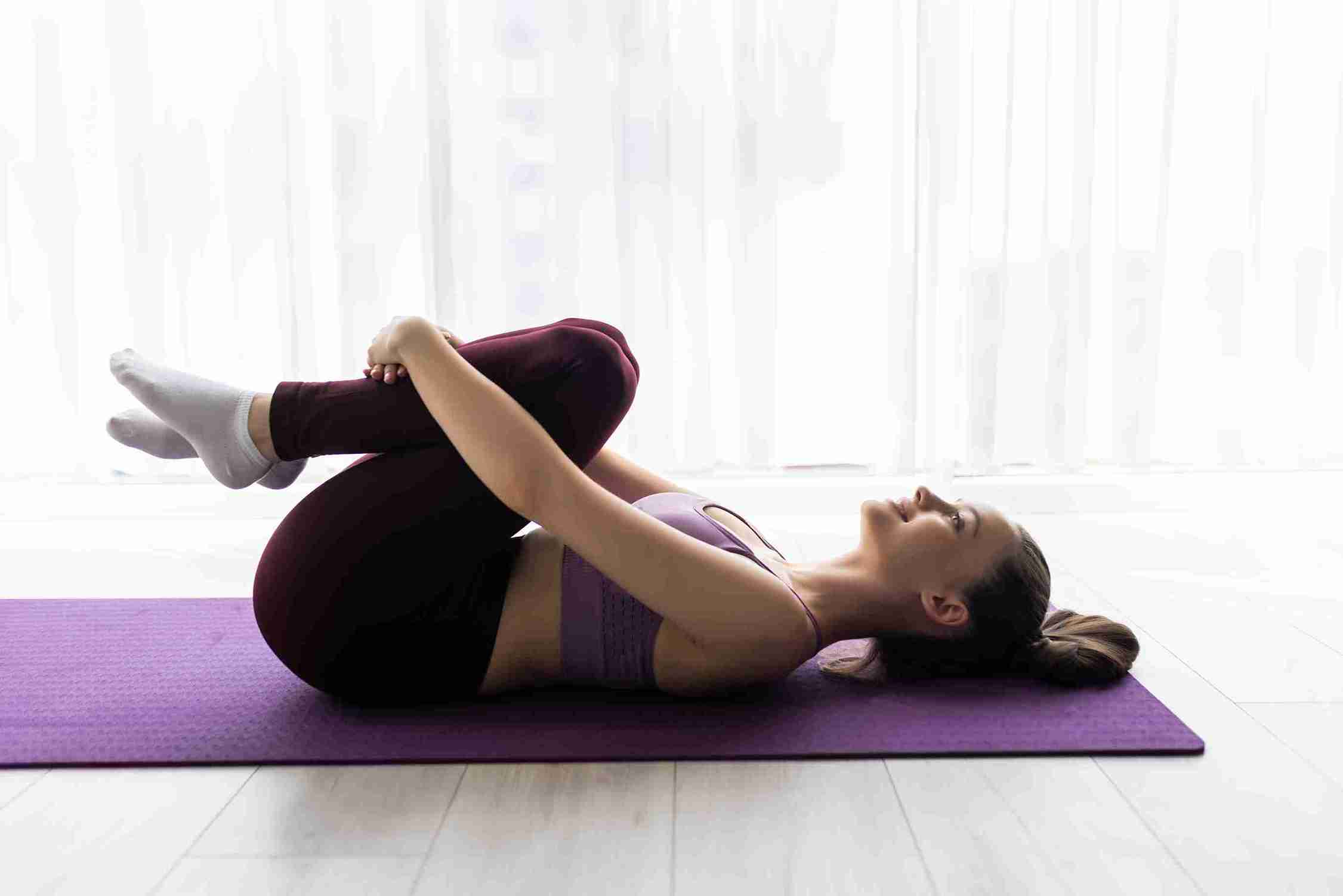
Yes, with proper exercises, maintaining a healthy weight, and good posture, one can significantly reduce the risk of bladder prolapse. However, obesity due to genetics or other health conditions is not completely under one’s control. In such cases, being proactive and training the pelvic floor muscles can help reduce the risk of a prolapse. Avoiding activities that can increase the risk of bladder prolapse can also help.
With the right exercises and proper guidance, one can prevent a grade 1 prolapse from worsening. However, a grade 4 prolapse definitely needs surgery as exercises will not suffice.
If you are suffering from a bladder prolapse, it is advisable to avoid lifting weights. It is also advisable to avoid any physical activities that can strain the pelvic floor muscles. Activities like jumping, high-impact exercises, gymnastics, excess running, and sit-ups with straight legs can add pressure on these pelvic floor muscles.
Strengthening pelvic floor muscles can help reduce the risk of pelvic organ prolapse, including a bladder prolapse. Kegel exercises, which focus on training the pelvic floor muscles, and core strengthening exercises can help strengthen the muscles responsible for holding the bladder in place.
If you are unsure of these exercises or the proper form, it is advisable to seek professional help.

Obesity is a major health issue on the rise across the world, across all ages. Not managing obesity can lead to many health conditions and issues, including a bladder prolapse. Though surgeries can help correct the prolapse, it is not advisable to let the situation reach that far. Exercising can help keep these muscles strong, and consulting a doctor promptly can aid in a timely diagnosis.

A bladder prolapse, also known as a cystocele, is a condition where the bladder, responsible for storing urine before the urethra expels it, moves out of its designated spot. The bladder will start sinking into the vagina causing a distinct bulge and can also obstruct the passage of urine.
Yes, obesity can increase the strain on the pelvic floor muscles, thus weakening them over time. This can reduce the support these muscles provide to the bladder, resulting in a bladder prolapse.
In most cases, the extra weight gained is around the abdomen. The increase in visceral fat around the abdomen will increase the strain on the abdominal and pelvic floor muscles that support all the organs in that area. The greater the weight gain in this area, the greater the strain on the pelvic floor muscles.







 Best Gynecologists in Bellandur Best Gynecologists in Electronic City Best Gynecologists in HRBR LayoutBest Gynecologists in Jayanagar Best Gynecologists in Kanakapura RoadBest Gynecologists in Malleswaram Best Gynecologists in Nagarbhavi Best Gynecologists in Old Airport RoadBest Gynecologists in Sahakarnagar Best Gynecologists in Sarjapur RoadBest Gynecologists in ThanisandraBest Gynecologists in Varthur RoadBest Gynecologists in Whitefield Best Gynecologists in Industrial Area Phase IIBest Gynecologists in OMRBest Gynecologists in T NagarBest Gynecologists in New Industrial TownBest Gynecologists in IndirapuramBest Gynecologists in Golf Course RoadBest Gynecologists in Sector 14Best Gynecologists in Sector 47Best Gynecologists in Banjara HillsBest Gynecologists in GachibowliBest Gynecologists in Hitech CityBest Gynecologists in KompallyBest Gynecologists in Gomti NagarBest Gynecologists in MaladBest Gynecologists in NerulBest Gynecologists in VashiBest Gynecologists in Kailash ColonyBest Gynecologists in PatparganjBest Gynecologists in Punjabi BaghBest Gynecologists in VikaspuriBest Gynecologists in Gaur CityBest Gynecologists in Pari ChowkBest Gynecologists in Sector 51Best Gynecologists in Sector 5 Swastik ViharBest Gynecologists in Kalyani NagarBest Gynecologists in SB RoadBest Gynecologists in Pimple SaudagarBest Pediatricians in BellandurBest Pediatricians in Electronic CityBest Pediatricians in HRBR LayoutBest Pediatricians in JayanagarBest Pediatricians in Kanakapura RoadBest Pediatricians in MalleswaramBest Pediatricians in NagarbhaviBest Pediatricians in Old Airport RoadBest Pediatricians in SahakarnagarBest Pediatricians in Sarjapur RoadBest Pediatricians in ThanisandraBest Pediatricians in Varthur RoadBest Pediatricians in WhitefieldBest Pediatricians in Industrial Area Phase IIBest Pediatricians in OMRBest Pediatricians in T NagarBest Pediatricians in New Industrial TownshipBest Pediatricians in IndirapuramBest Pediatricians in Golf Course RoadBest Pediatricians in Sector 14Best Pediatricians in Sector 47Best Pediatricians in Hitech CityBest Pediatricians in Banjara HillsBest Pediatricians in GachibowliBest Pediatricians in KompallyBest Pediatricians in Gomti NagarBest Pediatricians in MaladBest Pediatricians in NerulBest Pediatricians in VashiBest Pediatricians in Kailash ColonyBest Pediatricians in PatparganjBest Pediatricians in Punjabi BaghBest Pediatricians in VikaspuriBest Pediatricians in Gaur CityBest Pediatricians in Pari ChowkBest Pediatricians in Sector 51Best Pediatricians in Sector 5 Swastik ViharBest Pediatricians in Kalyani NagarBest Pediatricians in SB RoadBest Pediatricians in Pimple Saudagar


