





Along with a woman's overall health, maintaining good blood health is essential during pregnancy. Adequate blood flow and a healthy blood supply are necessary for the baby's development. Blood is made up of different components, each playing a key role in maintaining overall health. Do you know why your gynaecologist insists on iron, folic acid, and Vitamin B12 during pregnancy? Read on to see why they are essential and how they influence your blood quality.
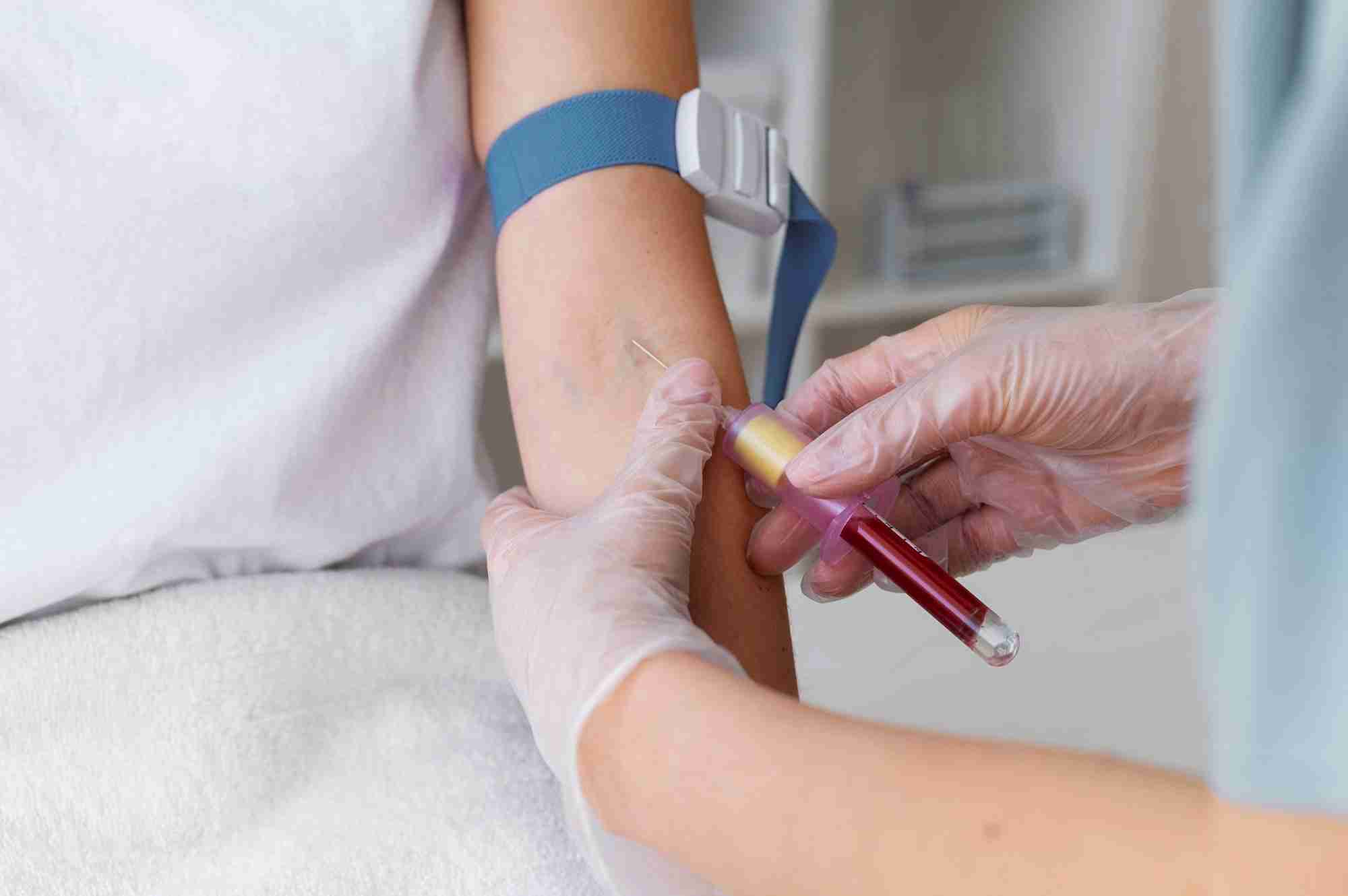
During pregnancy, the volume of blood circulating in the body increases to support the growth and development of the fetus. Dilution happens when the blood volume increases, without a corresponding rise in other essential blood components. When the iron and folate levels do not increase correspondingly, it will lead to anaemia due to the deficiency.
Regular prenatal check-ups, supplements, and an improvement in diet can help improve the quantity and quality of blood during pregnancy. In case of complications or concerns, the doctor will prescribe medications, supplements, or even injections to minimise the negative impacts on both mother and baby.
Here are some factors of blood, necessary for blood health during pregnancy –
Haemoglobin – Haemoglobin is the protein component responsible for supplying oxygen through blood to all parts of the body. A deficiency of iron, folate, or vitamin B12 can decrease haemoglobin levels, resulting in anaemia. Reduced blood flow to the placenta can result in IUGR or preterm delivery.
Blood Clotting Factors – Blood clotting factors naturally increase in pregnancy to help prevent excessive bleeding during and after childbirth. However, too much increase can raise the risk of blood clots (DVT) in the legs, which may travel to vital organs and cause serious complications.
Rh Factor – Rh refers to the blood type. If the mother has a positive blood type and the baby has a negative blood type, an Rh immunoglobulin injection is given to the mother to prevent complications.
Iron is an essential nutrient that helps transport oxygen in the blood, supports brain development, and aids in immune function. Iron deficiency during pregnancy can cause fatigue, preeclampsia, preterm delivery, postpartum hemorrhage, or low birthweight.

Iron plays a key role in a healthy pregnancy in the following ways –
Transport Oxygen – Iron helps in the formation of haemoglobin, the protein in the blood responsible for carrying oxygen. Without enough oxygen, the baby may not receive the oxygen and vital nutrients needed for healthy development.
Support Increasing Needs – During pregnancy, the demand on the mother's body increases. Iron supports the baby's growth and helps the mother make more blood to meet the higher needs.
Prevent Anaemia – Anaemia is a serious complication caused by insufficient red blood cells to carry oxygen.
Folate is an essential nutrient in early pregnancy. Many doctors prescribe folic acid supplements when women start trying to conceive or soon after they confirm pregnancy. Even if the woman is not suffering from any apparent folate or iron deficiency, this supplement ensures that the demands of pregnancy are met.
Folate plays a vital role in pregnancy, especially in the early stages of fetal development.
Prevents Neural Tube Defects – Folate helps prevent anencephaly (a birth defect that prevents the brain, skull, and scalp from forming fully) and spina bifida (a birth defect that prevents the brain and spine from closing fully).
DNA Synthesis – Folate aids in cell division and in the synthesis of DNA and RNA, which are crucial for the baby's development.
Reduces Risks Associated with Pregnancy – It helps in reducing other pregnancy-related risks like low birth weight, preterm delivery, and other complications.
Red Blood Cells – Folate is an essential component in the development of healthy red blood cells, which in turn facilitates oxygen supply to the placenta.

Vitamin B12 is derived mainly from animal-based foods, since it is made by microorganisms and stored in animals. So, it is common for vegetarians to have a B12 deficiency. Vitamin B12 deficiency can triple the risk of neural tube defects in the baby during pregnancy.
Vitamin B12 is essential for blood health during pregnancy for the following reasons –
Nerve and Brain Development – Vitamin B12 is essential for the healthy development of the baby's brain and central nervous system.
Cell Formation - Vitamin B12 aids in the production of healthy red blood cells in the baby. It also supports the healthy development of the placenta and the baby's organs.
Prevent Neural Tube Defects – Vitamin B12 works along with folate to prevent neural tube defects like Spina bifida.
DNA Synthesis – Vitamin B12 plays a key role in synthesising DNA and cell division. These are critical for the baby's development.
Metabolism – Hormonal changes during pregnancy affect how the body's metabolism works. Sufficient Vitamin B12 intake helps in the metabolism of fats and proteins to provide the expecting mother with the required energy during pregnancy.
Pregnancy cravings and food aversions can make it challenging to meet the increasing demands for iron, folate, and B12. Here are some sources you can get these essential nutrients from –
Beef, liver, poultry, and eggs are rich in iron, folate, and B12.
Leafy green vegetables, legumes, and dairy products are rich vegetarian sources of folate and B12.
Citrus fruits, avocados, nuts, seeds, and whole grains are good sources of folate.
Increasing vitamin C food sources can help in the better absorption of iron.
Since B12 is not readily available in vegetarian foods, B12 fortified foods and nutritional yeast can help meet the body’s needs.

Iron, folate, and Vitamin B12 are essential nutrients that play a vital role in a safe pregnancy and healthy fetal development. To avoid deficiencies of these nutrients, many doctors prescribe supplements even before conception, right from the time the couple starts planning for pregnancy. These are among the first supplements prescribed upon confirmation of pregnancy to ensure proper fetal development.

Iron and vitamin B12 are essential for generating red blood cells in the mother's body. These red blood cells transport oxygen to the developing baby. Folate is necessary for preventing neural tube defects in the baby, which are birth defects that affect the development of the brain and spine. A deficiency in any of these three can lead to birth defects, low birth weight, or complications to the mother's health.
Iron produces haemoglobin – the protein in blood that carries oxygen. Low iron levels reduce haemoglobin, which means less oxygen reaches the mother’s body and the baby. She may suffer from anaemia, and the baby will not receive enough oxygen, thus hampering the development.
Folate plays a crucial role in the formation of DNA and cells for the baby. It is vital in the early stages of pregnancy to prevent neural tube defects like anencephaly (major parts of the brain, skull, and scalp do not form) and spina bifida (brain and spinal cord do not close properly) in the developing baby.
Vitamin B12 is essential for both mother and baby during pregnancy. For the baby, it aids in neurodevelopment, cellular replication, and in synthesising DNA. A deficiency of this nutrient in the early stages of pregnancy can lead to neural tube defects, low birth weight, preeclampsia, negative impact on fetal growth, or even damage to the baby's brain.


 Best Gynecologists in Bellandur Best Gynecologists in Electronic City Best Gynecologists in HRBR LayoutBest Gynecologists in Jayanagar Best Gynecologists in Kanakapura RoadBest Gynecologists in Malleswaram Best Gynecologists in Nagarbhavi Best Gynecologists in Old Airport RoadBest Gynecologists in Sahakarnagar Best Gynecologists in Sarjapur RoadBest Gynecologists in ThanisandraBest Gynecologists in Varthur RoadBest Gynecologists in Whitefield Best Gynecologists in Industrial Area Phase IIBest Gynecologists in OMRBest Gynecologists in T NagarBest Gynecologists in New Industrial TownBest Gynecologists in IndirapuramBest Gynecologists in Golf Course RoadBest Gynecologists in Sector 14Best Gynecologists in Sector 47Best Gynecologists in Banjara HillsBest Gynecologists in GachibowliBest Gynecologists in Hitech CityBest Gynecologists in KompallyBest Gynecologists in Jawahar NagarBest Gynecologists in Gomti NagarBest Gynecologists in Phase 3, Sector 58Best Gynecologists in MaladBest Gynecologists in NerulBest Gynecologists in VashiBest Gynecologists in Kailash ColonyBest Gynecologists in PatparganjBest Gynecologists in Punjabi BaghBest Gynecologists in RohiniBest Gynecologists in VikaspuriBest Gynecologists in Gaur CityBest Gynecologists in Pari ChowkBest Gynecologists in Sector 51Best Gynecologists in Sector 5 Swastik ViharBest Gynecologists in Kalyani NagarBest Gynecologists in SB RoadBest Gynecologists in Pimple SaudagarBest Pediatricians in BellandurBest Pediatricians in Electronic CityBest Pediatricians in HRBR LayoutBest Pediatricians in JayanagarBest Pediatricians in Kanakapura RoadBest Pediatricians in MalleswaramBest Pediatricians in NagarbhaviBest Pediatricians in Old Airport RoadBest Pediatricians in SahakarnagarBest Pediatricians in Sarjapur RoadBest Pediatricians in ThanisandraBest Pediatricians in Varthur RoadBest Pediatricians in WhitefieldBest Pediatricians in Industrial Area Phase IIBest Pediatricians in OMRBest Pediatricians in T NagarBest Pediatricians in New Industrial TownshipBest Pediatricians in IndirapuramBest Pediatricians in Golf Course RoadBest Pediatricians in Sector 14Best Pediatricians in Sector 47Best Pediatricians in Hitech CityBest Pediatricians in Banjara HillsBest Pediatricians in GachibowliBest Pediatricians in KompallyBest Pediatricians in Jawahar NagarBest Pediatricians in Gomti NagarBest Pediatricians in Phase 3, Sector 58Best Pediatricians in MaladBest Pediatricians in NerulBest Pediatricians in VashiBest Pediatricians in Kailash ColonyBest Pediatricians in PatparganjBest Pediatricians in Punjabi BaghBest Pediatricians in RohiniBest Pediatricians in VikaspuriBest Pediatricians in Gaur CityBest Pediatricians in Pari ChowkBest Pediatricians in Sector 51Best Pediatricians in Sector 5 Swastik ViharBest Pediatricians in Kalyani NagarBest Pediatricians in SB RoadBest Pediatricians in Pimple Saudagar


