
Menopause is a natural biological phase in a woman’s life that marks the end of menstrual cycles and reproductive years. It occurs when the ovaries gradually reduce the production of key hormones such as estrogen and progesterone. These hormonal changes influence several body systems, leading to physical, emotional, and metabolic changes.
Although many people think of menopause as a single event, it actually develops gradually through multiple phases that occur over several years. These stages of menopause reflect the progressive changes in hormone levels and reproductive function. Some women begin noticing subtle symptoms during the early stages of menopause, while others experience more noticeable changes later.
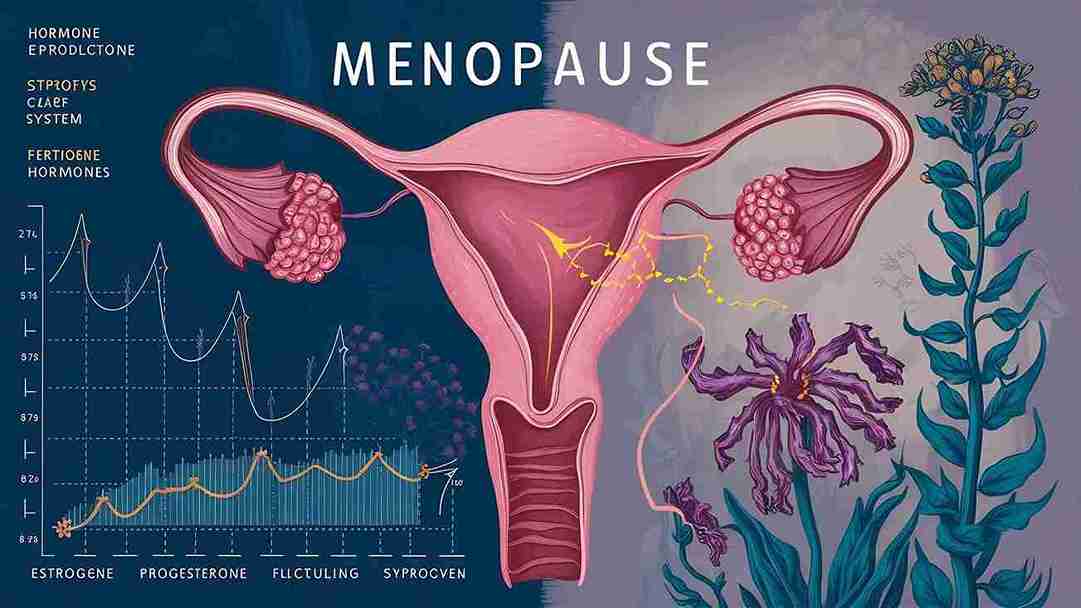
Understanding these stages can help women recognise symptoms early and manage them effectively.
Learning about the stages of menopause allows women to better prepare for this transition and take proactive steps to maintain their health.
Menopause is referred to as the period when a woman has gone through 12 consecutive months without any menstrual periods. Menopause usually takes place between the ages of 50 and 55, though it is possible for it to take place earlier or later than this period. The main reason for menopause is the gradual reduction of ovarian function. This is because, as people get older, their ovaries produce less estrogen and progesterone, which control menstrual cycles and ovulation. When estrogen and progesterone levels fall, ovulation stops, and menstrual cycles come to an end. Menopause is therefore a normal biological event and not a medical condition.
Understanding the stages of menopause is important because it helps women go through this important stage in their lives. First, by knowing the stages, women will be aware of the signs and symptoms of menopause. Symptoms such as changes in menstrual cycles, mood swings, and changes in sleeping patterns can take place as early as 10 years before menopause. Second, it helps women know how to deal better with physical changes, lifestyle changes, and diet changes, which can all help minimise any uncomfortable symptoms that might occur. Finally, it helps women deal better with the long-term hormonal changes that might affect their bone density, heart health, and metabolism.
The process leading to menopause is not abrupt but rather a series of reproductive stages that a woman goes through gradually. This has been described by the commonly recognised 7 stages of menopause.

This stage occurs years before a woman enters menopause. At this time, a woman experiences regular menstrual cycles, and hormone production is stable.
Ovulation occurs normally, and fertility is at its natural level. Most women experience minimal hormonal symptoms during this phase.
This stage, although it might not be obvious, is part of the reproductive stages that a woman goes through, leading to menopause.
The peak reproductive stage is the time when hormones are balanced, and the reproductive cycle is at its best.
The menstrual cycle is regular, ovulation occurs regularly, and symptoms of menopause are absent. Women experience optimal hormonal balance during this stage.
The late reproductive stage is when women experience small hormonal changes in their bodies. The estrogen level may begin to fluctuate, although the menstrual cycle is still regular.
Some women may notice slight variations in their menstrual cycle length or mild premenstrual symptoms. These early hormonal shifts mark the beginning of the transition toward menopause.
The early perimenopause is considered the first stage of menopause. Women who are experiencing this stage may exhibit many symptoms, such as:
The hormones are still fluctuating, and women may experience symptoms and then no symptoms, and so on.
In this stage, women may notice changes in ovulation, and menstrual cycles become less frequent.
Women in this stage may notice the following changes:
Menstrual cycles become less frequent and may come as far as several months apart, after which they stop altogether.

Menopause is officially declared after a woman has gone without a period for a year.
In this stage, the ovaries stop producing eggs, and estrogen levels are significantly reduced. However, the body adjusts to the reduced levels, and the following changes may be observed:
While symptoms vary widely among women, this stage marks the end of menstrual cycles.
Postmenopause is the period after menopause, and it is the longest period in a woman's life. In this period, the levels of estrogen are low, and they tend to remain steady.
Some symptoms, like hot flashes, may remain, although they tend to become less severe with time.
Some of the health issues to worry about in this period include:
The symptoms vary in different people, with some people experiencing light symptoms, while others are more adversely affected.
Common symptoms experienced by people going through menopause include:
The symptoms experienced by people going through menopause change over time, with some people experiencing severe symptoms, while others are less adversely affected.

The menopause journey is said to begin several years before the onset of menopause, with most people going through the perimenopause phase in their 40s.
A number of factors affect the onset of menopause, and these include:
The hormonal changes in different people vary, and this is the reason why the onset of menopause is different in different people.
There are several tips that help in managing the symptoms that are experienced during the different stages of menopause. Some of the tips include:
Such tips are helpful in managing the symptoms and maintaining a healthy state of well-being during the different stages of menopause.

Cloudnine is widely recognised as a leading hospital in the maternity and gynaecology space, offering specialised care for women at various stages of life, including menopause. With a team of experienced specialists and advanced medical support, Cloudnine focuses on helping women manage hormonal changes and menopause-related symptoms while ensuring their overall health and well-being.
Menopause is a natural life transition that occurs as hormone levels gradually decline with age. Rather than happening suddenly, it develops through several phases that reflect changing reproductive function.
With proper awareness, healthy lifestyle choices, and medical guidance, women can manage symptoms effectively and maintain long-term health and well-being.

The stage of menopause is diagnosed based on the menstrual history, symptoms, and sometimes hormonal tests, e.g., levels of follicle-stimulating hormone (FSH).
The vitamins that women should consider taking during this time include calcium, vitamin D, vitamin B12, and magnesium.
Hormone levels will return to normal after menopause, and symptoms will gradually fade, although the physical changes will remain permanent.
Menopause is confirmed when a woman has not experienced a menstrual period for at least 12 months, and sometimes a medical check-up is conducted by a doctor.







 Best Gynecologists in Bellandur Best Gynecologists in Electronic City Best Gynecologists in HRBR LayoutBest Gynecologists in Jayanagar Best Gynecologists in Kanakapura RoadBest Gynecologists in Malleswaram Best Gynecologists in Nagarbhavi Best Gynecologists in Old Airport RoadBest Gynecologists in Sahakarnagar Best Gynecologists in Sarjapur RoadBest Gynecologists in ThanisandraBest Gynecologists in Varthur RoadBest Gynecologists in Whitefield Best Gynecologists in Industrial Area Phase IIBest Gynecologists in OMRBest Gynecologists in T NagarBest Gynecologists in New Industrial TownBest Gynecologists in IndirapuramBest Gynecologists in Golf Course RoadBest Gynecologists in Sector 14Best Gynecologists in Sector 47Best Gynecologists in Banjara HillsBest Gynecologists in GachibowliBest Gynecologists in Hitech CityBest Gynecologists in KompallyBest Gynecologists in Gomti NagarBest Gynecologists in MaladBest Gynecologists in NerulBest Gynecologists in VashiBest Gynecologists in Kailash ColonyBest Gynecologists in PatparganjBest Gynecologists in Punjabi BaghBest Gynecologists in VikaspuriBest Gynecologists in Gaur CityBest Gynecologists in Pari ChowkBest Gynecologists in Sector 51Best Gynecologists in Sector 5 Swastik ViharBest Gynecologists in Kalyani NagarBest Gynecologists in SB RoadBest Gynecologists in Pimple SaudagarBest Pediatricians in BellandurBest Pediatricians in Electronic CityBest Pediatricians in HRBR LayoutBest Pediatricians in JayanagarBest Pediatricians in Kanakapura RoadBest Pediatricians in MalleswaramBest Pediatricians in NagarbhaviBest Pediatricians in Old Airport RoadBest Pediatricians in SahakarnagarBest Pediatricians in Sarjapur RoadBest Pediatricians in ThanisandraBest Pediatricians in Varthur RoadBest Pediatricians in WhitefieldBest Pediatricians in Industrial Area Phase IIBest Pediatricians in OMRBest Pediatricians in T NagarBest Pediatricians in New Industrial TownshipBest Pediatricians in IndirapuramBest Pediatricians in Golf Course RoadBest Pediatricians in Sector 14Best Pediatricians in Sector 47Best Pediatricians in Hitech CityBest Pediatricians in Banjara HillsBest Pediatricians in GachibowliBest Pediatricians in KompallyBest Pediatricians in Gomti NagarBest Pediatricians in MaladBest Pediatricians in NerulBest Pediatricians in VashiBest Pediatricians in Kailash ColonyBest Pediatricians in PatparganjBest Pediatricians in Punjabi BaghBest Pediatricians in VikaspuriBest Pediatricians in Gaur CityBest Pediatricians in Pari ChowkBest Pediatricians in Sector 51Best Pediatricians in Sector 5 Swastik ViharBest Pediatricians in Kalyani NagarBest Pediatricians in SB RoadBest Pediatricians in Pimple Saudagar


