
Many women experience a loss of sexual desire at some point in their lives, but very few have the courage to talk about it. It’s often just brushed aside as a natural part of ageing, stress, or busy routines. Over time, many women simply learn to live with it, thinking nothing can be done. But a low libido isn’t something you have to accept quietly. In fact, when low libido starts affecting confidence or relationships, it deserves attention.
In this article, we shall focus on what causes women's libido issues and how these can be resolved.

Low libido, or low sex drive, refers to a decrease in sexual desire or interest in sexual activity. A person may notice a reduced desire for sex or may even find that sexual feelings are not as strong as before. While both men and women may experience this issue, signs of low libido are often noticed more in women than in men. Low sex drive may be a temporary issue, or, in some cases, it may last longer.
Let’s take a quick look at some of the signs that show reduced sex drive in women:
● Less interest in sexual activity or intimacy
● Fewer sexual thoughts or fantasies
● Little or no response to touch or stimulation of the genitals
● Trouble feeling aroused or reaching orgasm
● Emotional distance during moments of closeness
● Feelings of worry, guilt or sadness about reduced desire
A number of things can contribute to a low sex drive. These causes are generally grouped into two main categories: physical and psychological.
Physical Causes
Intimacy might be less pleasurable if there is pain or discomfort during sex, vaginal dryness, or trouble experiencing an orgasm. This could eventually lead to a gradual loss of sexual desire.
Medical conditions like cancer, diabetes, arthritis, kidney disease, thyroid diseases, etc. or their treatments, could lead to low libido in women. Even conditions like chronic pain from conditions such as vulvodynia, high blood pressure, heart disease, etc., could spark changes in women’s sex drive.
Physical exhaustion, brought on by excessive work (at home, at the office or both), an intensive fitness regimen or even stress, could also lead to low libido.
One of the most common issues women face is a hormone imbalance. This could be caused by disorders like thyroid diseases, pregnancy and breastfeeding, birth control pills, perimenopause and menopause, or reproductive health issues like PCOS. If left unresolved, this imbalance can affect vaginal tissue, which in turn could lead to uncomfortable or painful sexual intercourse. As a result, women may experience reduced sexual desire.
Short-term medical conditions, like urinary tract infections (UTIs) or yeast infections, can lead to discomfort or pain during sexual intercourse. This could lead to a temporary low libido.
If surgery has been performed on the breast or genital region, this could lead to a lowering of sexual desire.
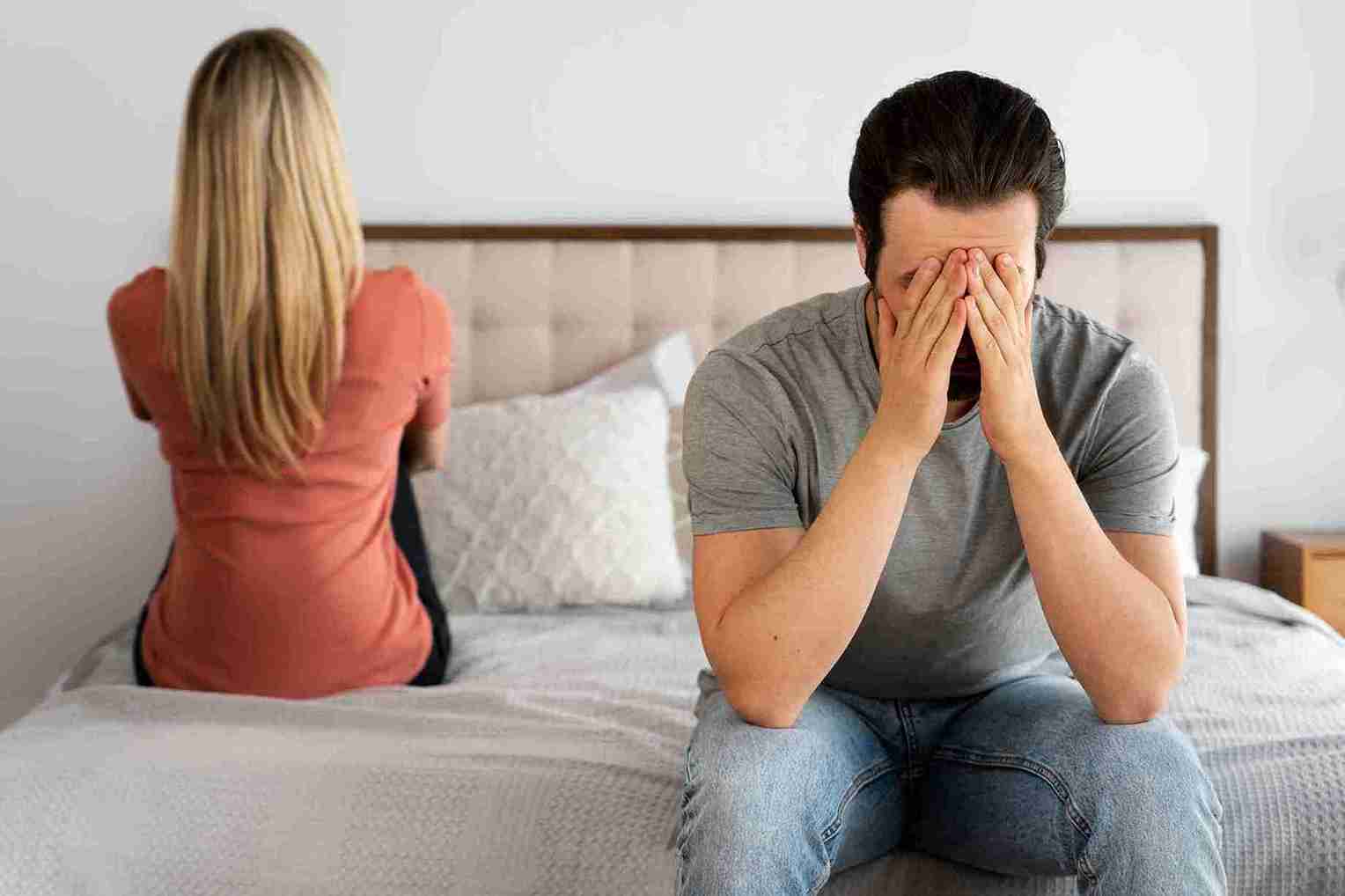
Apart from physical factors, low libido issues in women could be the result of psychological issues. A few of the common reasons are listed below:
Anxiety and depression can harm sexual intimacy and lead to a lowering of sex drive.
Sexual assault or other negative sexual experiences may have a lasting effect on women's libido.
Overwhelming stressful situations, whether at home or at work, could lead to extreme mental exhaustion that may interfere with the desire to engage in sex. Constant anxiety and stress tend to detract from intimacy.
Women may be too conscious about their appearance and may even feel a sense of shame in how they look. This could affect their self-esteem and even lead to issues while engaging in sexual intimacy.
Relationship difficulties can affect intimacy. Conflicts, trust issues, or a lack of understanding about each other’s needs can reduce sexual desire and connection.
Apart from the above causes, low libido in women could also be due to:
A decrease in sex drive is one of the adverse effects of medications such as blood pressure medications, antidepressants, antipsychotics, and cancer medications.
A sedentary lifestyle could lead to obesity. In addition to this, bad habits like alcohol, drugs or tobacco usage could harm sexual health and lead to lowered libido.
Experienced healthcare providers can diagnose changes in libido. Here’s what can be expected during the consultation:
The initial stages of the consultation will involve answering questions regarding one’s physical and mental health. The healthcare provider may ask questions regarding:
● Previous or ongoing medical conditions
● Medications and treatments
● Lifestyle, including work-life balance, fitness routine, alcohol and tobacco usage, etc.
● Sexual history, including opinion about sexual intimacy
● Current relationship with partner
Answers to these kinds of questions will help the healthcare professional understand the root causes of low libido.
Physical exams usually consist of pelvic exams that check the health of reproductive organs like the vagina, cervix, etc. As stated earlier, physical changes in the reproductive tract may cause low libido. Thinning of the vaginal tissue, vaginal dryness, pelvic organ prolapse (POP), etc., are just some of the conditions that healthcare providers will check for.
Since low libido could be due to a hormone imbalance, the doctor may ask for blood tests to measure the levels of hormones like estrogen.
An ultrasound scan may be done to check for abnormalities in the reproductive organs that may be interfering with the sex drive.

Specialists like gynaecologists, sex therapists, endocrinologists, psychologists, urologists, etc., may have to be consulted to address the underlying issues that lead to low sex drive.
To boost female libido, the following treatments may be prescribed:
If low libido is caused by an imbalance in hormone levels, then hormone medications may be prescribed. Hormone medications may contain estrogen, testosterone, or a combination of progesterone and estrogen. This treatment is beneficial for women who are undergoing perimenopause or menopause.
If low libido is due to psychological issues, then consulting a sex therapist or psychologist may be very helpful. Intimacy issues, stress, past sexual abuse, etc., can be discussed in detail and resolutions for the same can be sought.
Switching to alternative medications may be beneficial. The healthcare provider will try to prescribe drugs that have fewer side effects on sexual health. Apart from this, medications like vaginal lubricants may also be prescribed to resolve discomfort during sex.
A good, healthy lifestyle can make a big difference. Libido can be increased by avoiding unhealthy food & other habits, keeping a healthy weight, and managing stress.
Openly communicating with one’s partner regarding sexual intimacy is recommended. Sharing one’s likes and dislikes, preferences, discomforts, etc., will help improve the quality of sex. Honest conversations will, in the long run, help improve libido.

Low libido is much more common than people think. For women, societal taboos may prevent them from speaking openly and seeking help. It is vital to note that in most cases, low sex drive can be resolved through treatments. So, awareness and open conversations are needed to reverse reduced sex drive in women.

Women usually experience low sex drive due to health issues, medications, hormone imbalance, etc.
Low estrogen can lead to issues like vaginal dryness, which in turn could cause a low sex drive.
Birth control pills could cause libido changes as they contain hormones.
Sex therapy or psychological counselling can help women if their lowered sex drive was caused by psychological factors.







 Best Gynecologists in Bellandur Best Gynecologists in Electronic City Best Gynecologists in HRBR LayoutBest Gynecologists in Jayanagar Best Gynecologists in Kanakapura RoadBest Gynecologists in Malleswaram Best Gynecologists in Nagarbhavi Best Gynecologists in Old Airport RoadBest Gynecologists in Sahakarnagar Best Gynecologists in Sarjapur RoadBest Gynecologists in ThanisandraBest Gynecologists in Varthur RoadBest Gynecologists in Whitefield Best Gynecologists in Industrial Area Phase IIBest Gynecologists in OMRBest Gynecologists in T NagarBest Gynecologists in New Industrial TownBest Gynecologists in IndirapuramBest Gynecologists in Golf Course RoadBest Gynecologists in Sector 14Best Gynecologists in Sector 47Best Gynecologists in Banjara HillsBest Gynecologists in GachibowliBest Gynecologists in Hitech CityBest Gynecologists in KompallyBest Gynecologists in Gomti NagarBest Gynecologists in MaladBest Gynecologists in NerulBest Gynecologists in VashiBest Gynecologists in Kailash ColonyBest Gynecologists in PatparganjBest Gynecologists in Punjabi BaghBest Gynecologists in VikaspuriBest Gynecologists in Gaur CityBest Gynecologists in Pari ChowkBest Gynecologists in Sector 51Best Gynecologists in Sector 5 Swastik ViharBest Gynecologists in Kalyani NagarBest Gynecologists in SB RoadBest Gynecologists in Pimple SaudagarBest Pediatricians in BellandurBest Pediatricians in Electronic CityBest Pediatricians in HRBR LayoutBest Pediatricians in JayanagarBest Pediatricians in Kanakapura RoadBest Pediatricians in MalleswaramBest Pediatricians in NagarbhaviBest Pediatricians in Old Airport RoadBest Pediatricians in SahakarnagarBest Pediatricians in Sarjapur RoadBest Pediatricians in ThanisandraBest Pediatricians in Varthur RoadBest Pediatricians in WhitefieldBest Pediatricians in Industrial Area Phase IIBest Pediatricians in OMRBest Pediatricians in T NagarBest Pediatricians in New Industrial TownshipBest Pediatricians in IndirapuramBest Pediatricians in Golf Course RoadBest Pediatricians in Sector 14Best Pediatricians in Sector 47Best Pediatricians in Hitech CityBest Pediatricians in Banjara HillsBest Pediatricians in GachibowliBest Pediatricians in KompallyBest Pediatricians in Gomti NagarBest Pediatricians in MaladBest Pediatricians in NerulBest Pediatricians in VashiBest Pediatricians in Kailash ColonyBest Pediatricians in PatparganjBest Pediatricians in Punjabi BaghBest Pediatricians in VikaspuriBest Pediatricians in Gaur CityBest Pediatricians in Pari ChowkBest Pediatricians in Sector 51Best Pediatricians in Sector 5 Swastik ViharBest Pediatricians in Kalyani NagarBest Pediatricians in SB RoadBest Pediatricians in Pimple Saudagar


