





A healthy and beautiful skin is every woman’s dream. But pregnancy brings a lot of hormonal changes causing dermatological issues with itself. Expecting women often have questions regarding their skincare products during pregnancy. To ease up things, here is a list of skincare ingredients women should avoid during pregnancy as these ingredients have a negative impact on the baby’s development.
Book an Appointment with Dr. Aruna Kumari V for all the concerns related to Gynecology.
Usually used for acne-prone skin, salicylic acid has anti-inflammatory properties. One should use only skincare products with a salicylic acid concentration of <2%. Salicylic acid when absorbed crosses into the placenta in expecting women due to which it can cause antepartum bleeding or prolonged pregnancy or labor. Pregnant women can also experience nausea, dizziness, tinnitus.
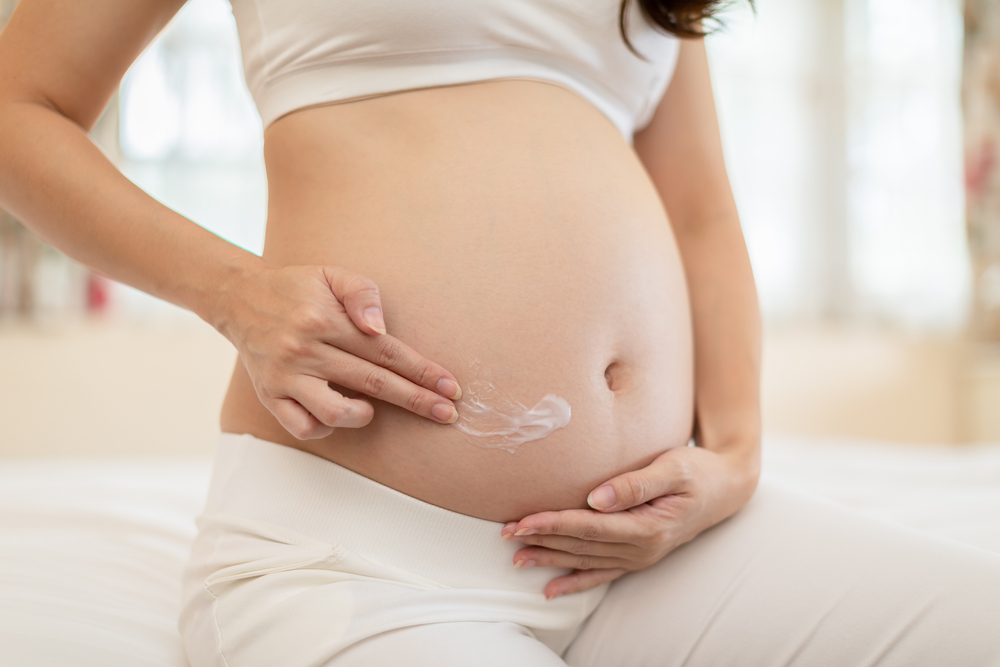
Retinol is a Vitamin-A derivative. It helps the skin cells to make collagen – youthful skin. 18% - 20% risk of developmental defects have been seen due to retinol. The most common abnormalities retinol causes are craniofacial, cardiac (VSD, TGV, TOF, hypoplastic left heart syndrome, CNS & thymic malformations). Systemic retinoids (those taken by mouth) can cause birth defects, even though there is a difference between ingesting a retinoid and applying it to the skin. The risks are so much that it is better to be safe and avoid both altogether. Retinol is not safe even while breastfeeding.
Must Read: Start Practising Self-Care During Pregnancy
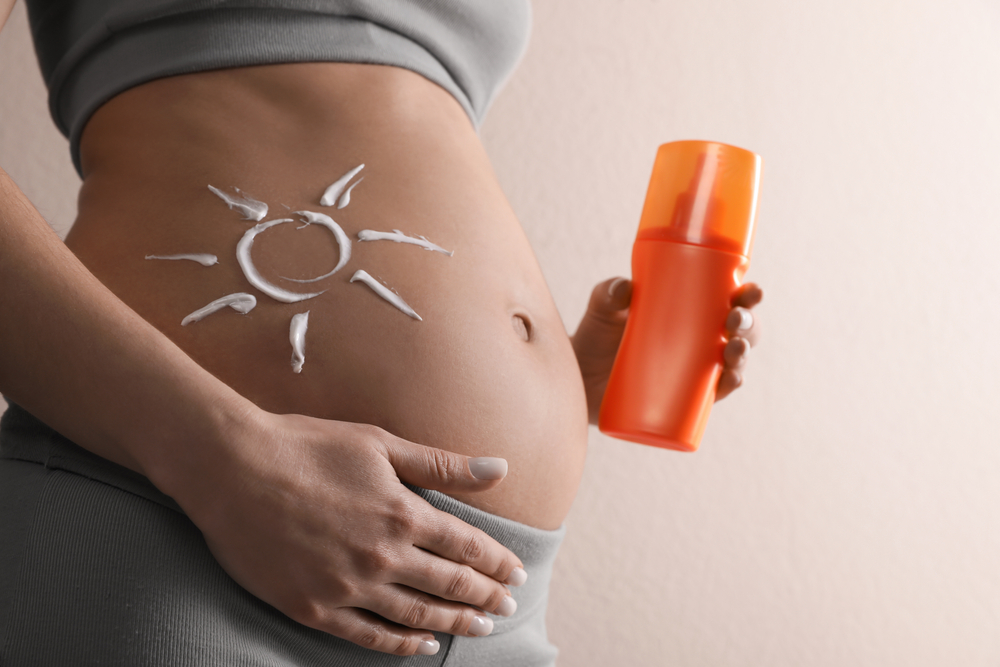
Sunscreen creams that contain 6% Oxybenzone can absorb into the bloodstream and cause hormone disruptions.
Hydroquinone, another important ingredient in skincare products that is used as a brightening agent where it helps in the depigmentation of the skin should also be avoided during pregnancy.

Want to consult the best gynecologists in India? Please find the links below.
Want to consult the best Maternity Packages in India? Please find the links below.

Products with salicylic acid of more than 2% can cause prolonged labour or antepartum bleeding. Retinol, a Vitamin A derivative, causes craniofacial and cardiac abnormalities. Oxybenzone in sunscreen, when absorbed into the bloodstream, can disrupt hormones. Hydroquinone is also an unsafe ingredient.
Yes. You can use AHAs and BHAs during pregnancy in low concentrations and topical products. Lactic acid (AHA) and glycolic acid (AHA) can be used in small quantities on the skin but should be avoided in high concentrations and orally. However, before using any new product, consult your doctor to ensure it is safe.
"Kojic acid is generally considered safe for topical use during pregnancy. It is considered a safe ingredient by dermatologists, but because of a lack of clinical trials, it is best to get your doctor's clearance before use. Some experts advise against it due to limited data and recommend an alternative for your specific needs. "
Yes. Niacinamide is safe to use in pregnancy and while breastfeeding. It helps restore the skin's hydrolipid barrier, retains moisture, protects against harmful bacteria, and keeps the skin supple. It is a retinol alternative during pregnancy and can lighten dark spots if you are struggling with pregnancy melasma.


 Best Gynecologists in Bellandur Best Gynecologists in Electronic City Best Gynecologists in HRBR LayoutBest Gynecologists in Jayanagar Best Gynecologists in Kanakapura RoadBest Gynecologists in Malleswaram Best Gynecologists in Nagarbhavi Best Gynecologists in Old Airport RoadBest Gynecologists in Sahakarnagar Best Gynecologists in Sarjapur RoadBest Gynecologists in ThanisandraBest Gynecologists in Varthur RoadBest Gynecologists in Whitefield Best Gynecologists in Industrial Area Phase IIBest Gynecologists in OMRBest Gynecologists in T NagarBest Gynecologists in New Industrial TownBest Gynecologists in IndirapuramBest Gynecologists in Golf Course RoadBest Gynecologists in Sector 14Best Gynecologists in Sector 47Best Gynecologists in Banjara HillsBest Gynecologists in GachibowliBest Gynecologists in Hitech CityBest Gynecologists in KompallyBest Gynecologists in Gomti NagarBest Gynecologists in MaladBest Gynecologists in NerulBest Gynecologists in VashiBest Gynecologists in Kailash ColonyBest Gynecologists in PatparganjBest Gynecologists in Punjabi BaghBest Gynecologists in VikaspuriBest Gynecologists in Gaur CityBest Gynecologists in Pari ChowkBest Gynecologists in Sector 51Best Gynecologists in Sector 5 Swastik ViharBest Gynecologists in Kalyani NagarBest Gynecologists in SB RoadBest Gynecologists in Pimple SaudagarBest Pediatricians in BellandurBest Pediatricians in Electronic CityBest Pediatricians in HRBR LayoutBest Pediatricians in JayanagarBest Pediatricians in Kanakapura RoadBest Pediatricians in MalleswaramBest Pediatricians in NagarbhaviBest Pediatricians in Old Airport RoadBest Pediatricians in SahakarnagarBest Pediatricians in Sarjapur RoadBest Pediatricians in ThanisandraBest Pediatricians in Varthur RoadBest Pediatricians in WhitefieldBest Pediatricians in Industrial Area Phase IIBest Pediatricians in OMRBest Pediatricians in T NagarBest Pediatricians in New Industrial TownshipBest Pediatricians in IndirapuramBest Pediatricians in Golf Course RoadBest Pediatricians in Sector 14Best Pediatricians in Sector 47Best Pediatricians in Hitech CityBest Pediatricians in Banjara HillsBest Pediatricians in GachibowliBest Pediatricians in KompallyBest Pediatricians in Gomti NagarBest Pediatricians in MaladBest Pediatricians in NerulBest Pediatricians in VashiBest Pediatricians in Kailash ColonyBest Pediatricians in PatparganjBest Pediatricians in Punjabi BaghBest Pediatricians in VikaspuriBest Pediatricians in Gaur CityBest Pediatricians in Pari ChowkBest Pediatricians in Sector 51Best Pediatricians in Sector 5 Swastik ViharBest Pediatricians in Kalyani NagarBest Pediatricians in SB RoadBest Pediatricians in Pimple Saudagar


