
Pregnancy is an important stage where nutrition is critical. What we eat at this time can either support or destroy the health of both the mother and the baby. Fruits need to be a part of the balanced diet of any pregnant woman, as it nourishes the body with essential vitamins, minerals, antioxidants, and fibre. Most of the fruits are safe to eat during pregnancy. But, some may require caution based on how we eat them, how they are prepared, or on the woman’s health condition at that time. Keeping a handy list of fruits to avoid during pregnancy can help minimise any complications.
In this article, we will discuss fruits to avoid or consume with caution during pregnancy, explain why certain fruits may require extra care, and share generally safe fruit choices and practical tips for consuming them safely.
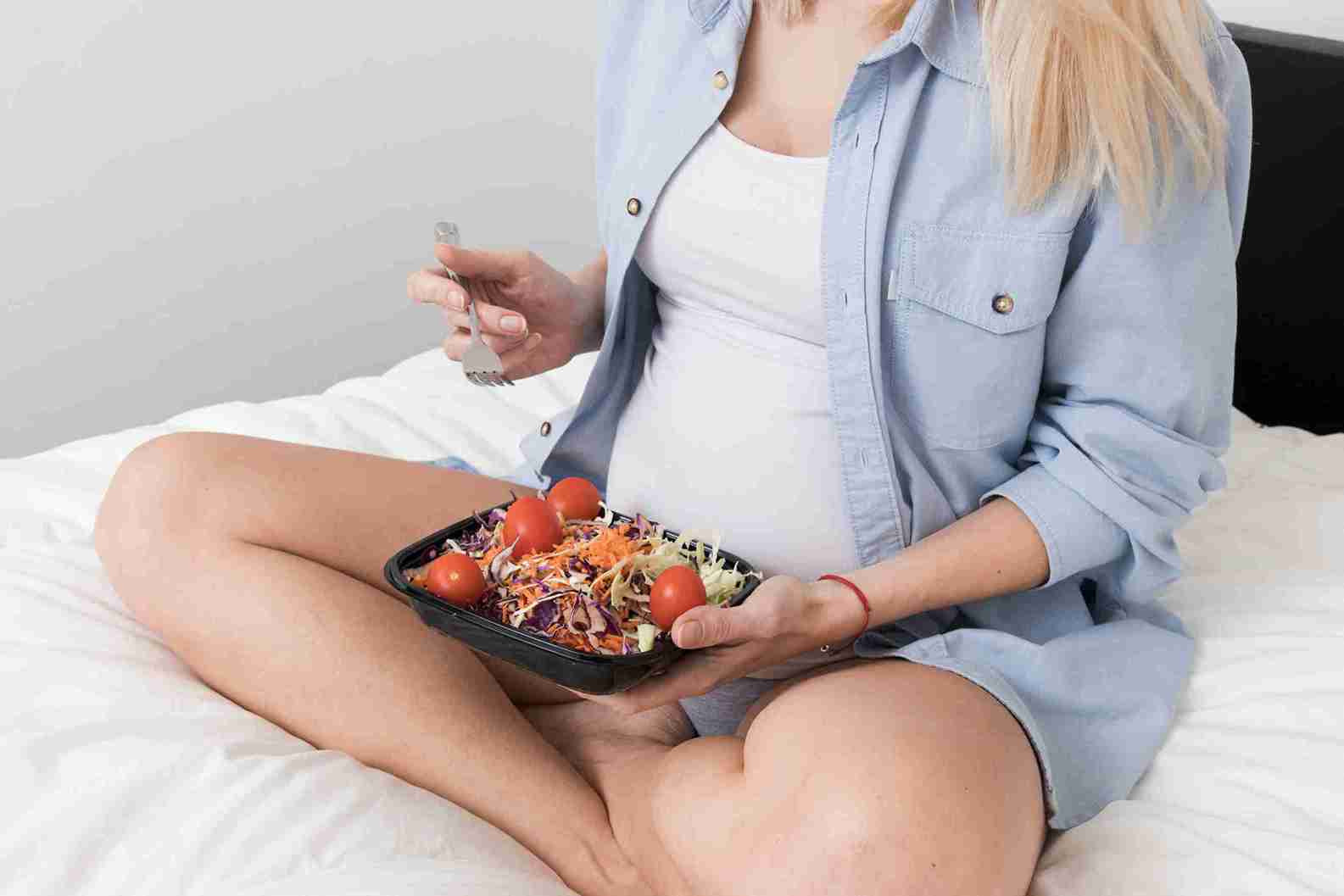
Most fruits are safe during pregnancy, but some fruits or preparations may require caution. Here's what to know about fruits to avoid or limit during pregnancy
Unripe or partially ripe papaya has latex, a compound that can cause uterine contractions and induce premature labour or miscarriage if ingested in large amounts, particularly in the first months of pregnancy. If you like papaya, stick to fully ripe, orange-colored papaya after consulting your physician.
Pineapple is rich in vitamin C and makes a great addition to a pregnancy diet. It does contain bromelain, an enzyme that can sometimes be claimed to soften the cervix or trigger labour. Still, normal dietary amounts of pineapple are not a proven cause of miscarriage or premature labour. There is no medical reason to avoid pineapple in regular serving sizes during pregnancy.
While grapes are wholesome, excessive use, especially of black grapes, can cause heat in the body. Internal heat may not be beneficial for pregnant women, particularly in the first trimester. Consume grapes in moderation, and wash them well to eliminate pesticide residues.
With a natural sweetness, dates are a good source of energy, fibre, and nutrients. There are many claims that gestational diabetes is caused by dates, but this is not true. If you were already diabetic before pregnancy, you need to be conscious of how many dates you eat and follow the dietary advice given by your doctor.
Fruits in cans tend to be loaded with added sugars and preservatives that may contribute to unhealthy weight gain or digestive problems. Dried fruits, while healthy, are very calorie-dense and contain natural sugars. Opt for fresh fruits when possible to achieve maximum nutrient intake and limit exposure to additives.
Tamarind is a tangy, vitamin C-rich fruit enjoyed in many cuisines. There's no solid medical evidence that tamarind affects progesterone levels or pregnancy outcomes, so it doesn't need to be treated as a fruit to avoid based on that concern. As with most foods, moderate consumption is generally fine.
Although fresh berries are most recommended, pre-cut or frozen berries can carry pathogenic bacteria if kept improperly. Consuming these without proper washing or boiling increases the risk of infection; best avoided when pregnant.
Being aware of the fruits to be avoided during pregnancy will assist you in preparing a safer and balanced diet without compromising on vital nutrients.
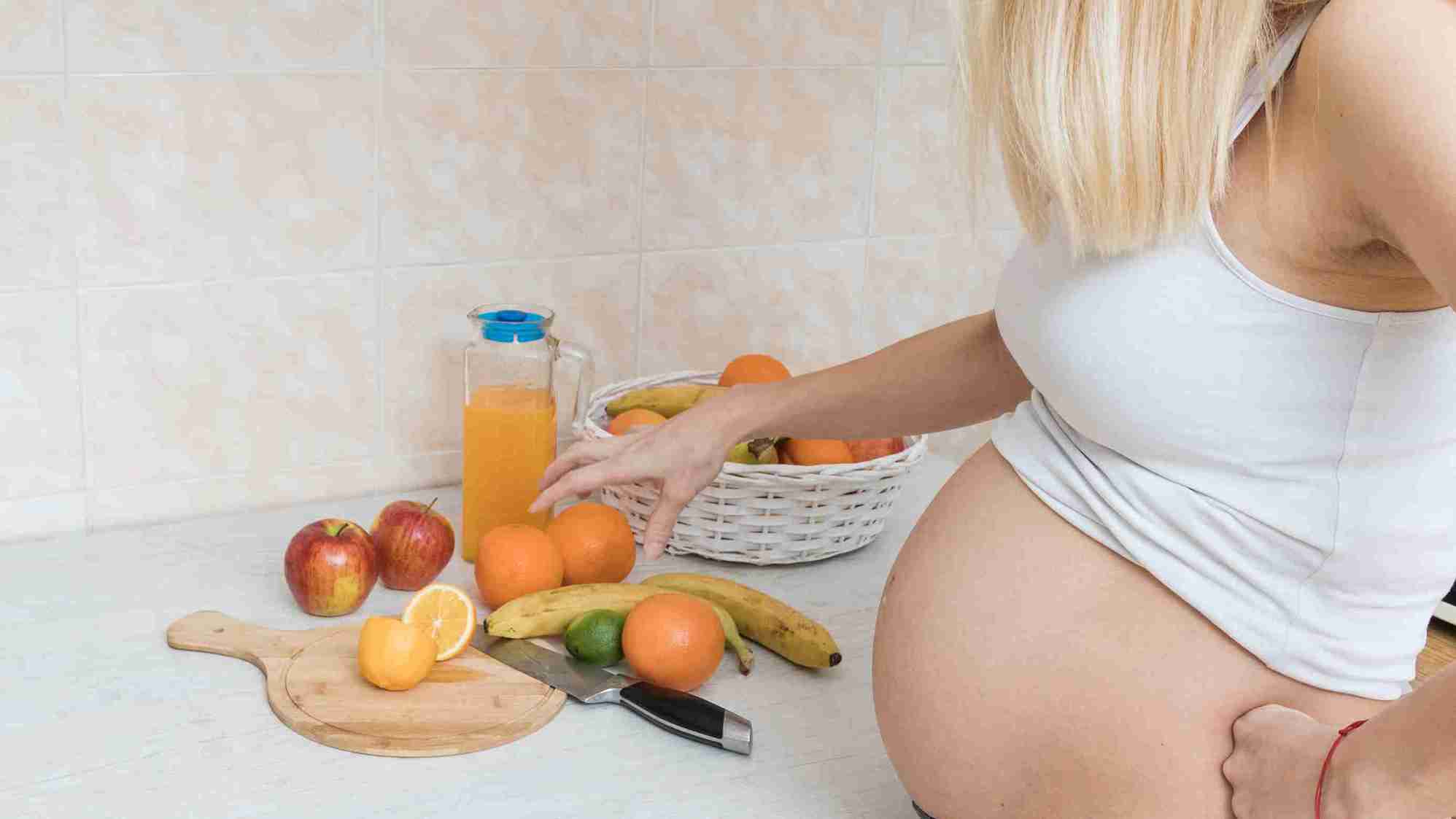
You don't have to avoid fruits altogether; there are healthy ones that you can indulge in. Here are some fruits that are safe to eat and can complement your pregnancy diet:
● Apples: High in fibre and vitamin C, apples support digestion and immunity.
● Bananas: Bananas are a good source of potassium, which supports normal muscle and nerve function.
● Oranges: High in vitamin C, oranges promote immune function and enhance iron absorption.
● Avocados: Avocados are rich in folate, healthy fats, and potassium, which support maternal nutrition and fetal growth and development.
● Watermelon: Watermelon has a high water content and can contribute to hydration during pregnancy.
Including a variety of fruits can provide carbohydrates, fibre, vitamins, and minerals that contribute to overall nutrition during pregnancy. Wash fruits thoroughly under running water before eating, and store cut fruit properly to reduce the risk of foodborne illness.
Pregnancy naturally lowers your immune response, making it easier for foodborne bacteria to cause illness, and infections during this time carry added risks for both mother and baby. Fortunately, most of these risks can be reduced by taking car of how the fruit is washed, handled, and stored. Here are a few simple habits go a long way toward keeping meals safe:
With a few thoughtful precautions around washing, handling, and storage, fruit remains a safe and valuable part of a pregnancy diet.
Fruit is an important part of a balanced pregnancy diet. How much you need can depend on your overall eating pattern, calorie needs, activity level, and any prevailing health conditions.
Research suggests that 2-4 servings of fruit per day should be a part of a balanced pregnancy diet. You don't need to eat all your servings in one sitting. Spreading fruit across meals and snacks throughout the day, in a smoothie at breakfast, sliced into a salad at lunch, or as an afternoon snack, is just as effective and often easier to fit into a busy day.
Choosing a variety of fruits, and different colours in particular, helps ensure you are getting a broad range of vitamins, minerals, and antioxidants. Whole fruit is generally preferable to fruit juice, since juice provides less fibre and can be less filling, even though 100% fruit juice can still count toward your intake occasionally.
Dietary Guidelines
Fruit's natural sugar content is not a reason to restrict it unnecessarily; it comes packaged with fibre, vitamins, and other nutrients your body needs. That said, if you have gestational diabetes or another condition that affects blood sugar, it is best to work with your doctor or a registered dietitian to determine the fruit portions and timing that are right for you.
It is as important to select the right healthcare partner as it is to select the right foods when pregnant. Cloudnine is a name you can trust when it comes to women's and children's care, providing specialised attention at each step of your pregnancy. With highly experienced obstetricians, nutritionists, and fetal medicine specialists working under them, Cloudnine ensures complete care in all aspects. Their customised diet plan, periodical health checkups, and 24/7 support keep you and your baby in safe hands. Their up-to-date facilities and nurturing atmosphere make pregnancy a rewarding and empowering experience for expectant families.

Fruits are a significant component of pregnancy-compliant food, but it is just as critical to understand which fruits to not eat during pregnancy. Avoiding unripe papaya, too much pineapple, and highly processed fruits can eliminate complications and ensure a healthy pregnancy. Incorporating safe fruits such as apples, bananas, and avocados, and following proper food hygiene, you can have a well-balanced and nutrient-dense diet.
If in doubt, refer to your physician or dietician to make an informed decision. Eating smart is one of the easiest ways to guarantee your health and that of your baby.

Apples, oranges, and bananas are great options since they have vitamin C, potassium, and fibre.
Yes, oranges are a good source of vitamin C and folate, which increase immunity and also support the development of neural tubes in the baby
Yes, absolutely! Mosambi (sweet lime) is an excellent, hydrating and vitamin C-rich fruit that is safe and beneficial during pregnancy.
Avocados, strawberries, papaya (ripe), and oranges are some of the richest natural sources of folate, which promotes the healthy development of the fetus and brain.







 Best Gynecologists in Bellandur Best Gynecologists in Electronic City Best Gynecologists in HRBR LayoutBest Gynecologists in Jayanagar Best Gynecologists in Kanakapura RoadBest Gynecologists in Malleswaram Best Gynecologists in Nagarbhavi Best Gynecologists in Old Airport RoadBest Gynecologists in Sahakarnagar Best Gynecologists in Sarjapur RoadBest Gynecologists in ThanisandraBest Gynecologists in Varthur RoadBest Gynecologists in Whitefield Best Gynecologists in Industrial Area Phase IIBest Gynecologists in OMRBest Gynecologists in T NagarBest Gynecologists in New Industrial TownBest Gynecologists in IndirapuramBest Gynecologists in Golf Course RoadBest Gynecologists in Sector 14Best Gynecologists in Sector 47Best Gynecologists in Banjara HillsBest Gynecologists in GachibowliBest Gynecologists in Hitech CityBest Gynecologists in KompallyBest Gynecologists in Gomti NagarBest Gynecologists in MaladBest Gynecologists in NerulBest Gynecologists in VashiBest Gynecologists in Kailash ColonyBest Gynecologists in PatparganjBest Gynecologists in Punjabi BaghBest Gynecologists in VikaspuriBest Gynecologists in Gaur CityBest Gynecologists in Pari ChowkBest Gynecologists in Sector 51Best Gynecologists in Sector 5 Swastik ViharBest Gynecologists in Kalyani NagarBest Gynecologists in SB RoadBest Gynecologists in Pimple SaudagarBest Pediatricians in BellandurBest Pediatricians in Electronic CityBest Pediatricians in HRBR LayoutBest Pediatricians in JayanagarBest Pediatricians in Kanakapura RoadBest Pediatricians in MalleswaramBest Pediatricians in NagarbhaviBest Pediatricians in Old Airport RoadBest Pediatricians in SahakarnagarBest Pediatricians in Sarjapur RoadBest Pediatricians in ThanisandraBest Pediatricians in Varthur RoadBest Pediatricians in WhitefieldBest Pediatricians in Industrial Area Phase IIBest Pediatricians in OMRBest Pediatricians in T NagarBest Pediatricians in New Industrial TownshipBest Pediatricians in IndirapuramBest Pediatricians in Golf Course RoadBest Pediatricians in Sector 14Best Pediatricians in Sector 47Best Pediatricians in Hitech CityBest Pediatricians in Banjara HillsBest Pediatricians in GachibowliBest Pediatricians in KompallyBest Pediatricians in Gomti NagarBest Pediatricians in MaladBest Pediatricians in NerulBest Pediatricians in VashiBest Pediatricians in Kailash ColonyBest Pediatricians in PatparganjBest Pediatricians in Punjabi BaghBest Pediatricians in VikaspuriBest Pediatricians in Gaur CityBest Pediatricians in Pari ChowkBest Pediatricians in Sector 51Best Pediatricians in Sector 5 Swastik ViharBest Pediatricians in Kalyani NagarBest Pediatricians in SB RoadBest Pediatricians in Pimple Saudagar


