
Parents often wish their newborn arrived with an instruction manual. The never-ending cycle of feed-burp-diaper-repeat often feels punctuated by tears instead of sleep. When a baby cries uncontrollably for hours, even the calmest homes feel topsy-turvy.
And for parents of colicky infants, sleep, sanity, and social life take a back seat. Nights blur into days as they pace the floor, trying every trick in the book — rocking, singing, swaddling, white noise — anything to soothe their inconsolable little one. Amid this chaos, every smile or coo feels like a small victory, a reminder that this exhausting phase, too, shall pass.

Infantile colic is a benign, self-limiting condition marked by prolonged, inconsolable crying — often in the evenings — in an otherwise healthy baby. It is commonly described by the “rule of threes”: crying for more than 3 hours a day, at least 3 days a week, for 3 consecutive weeks.
The exact cause of infantile colic is not known, but several factors are thought to contribute:
• Gut immaturity
• Swallowed air during feeding
• Excessive acid or gas production
• Altered gut microbiota
• Overstimulation or fatigue
Infantile colic symptoms often peak between 6–8 weeks of age and usually resolve by 3–4 months. It does not indicate poor parenting or illness, so parents, please don’t blame yourselves.
Feeding Techniques and Modifications – First Step in the Treatment of Infantile Colic
Proper feeding habits form the base of the treatment of infantile colic, as they help reduce air swallowing and gas formation.
• Ensure proper latch and positioning with help from a lactation consultant to minimise air swallowing.
• Mothers may consider reducing excessive caffeine and spicy foods.
• Gas-forming foods such as onions, cabbage, cauliflower, and broccoli can be taken in moderation.
• Traditional remedies like miriyala charu may seem helpful, but since pepper and tamarind can trigger acidity, such foods are best avoided.
• Use slow-flow nipples and keep the nipple filled with milk to reduce air ingestion.
• Burp the baby midway and after each feed.
• If cow’s milk protein sensitivity is suspected, consult a paediatrician about a hydrolysed protein formula.
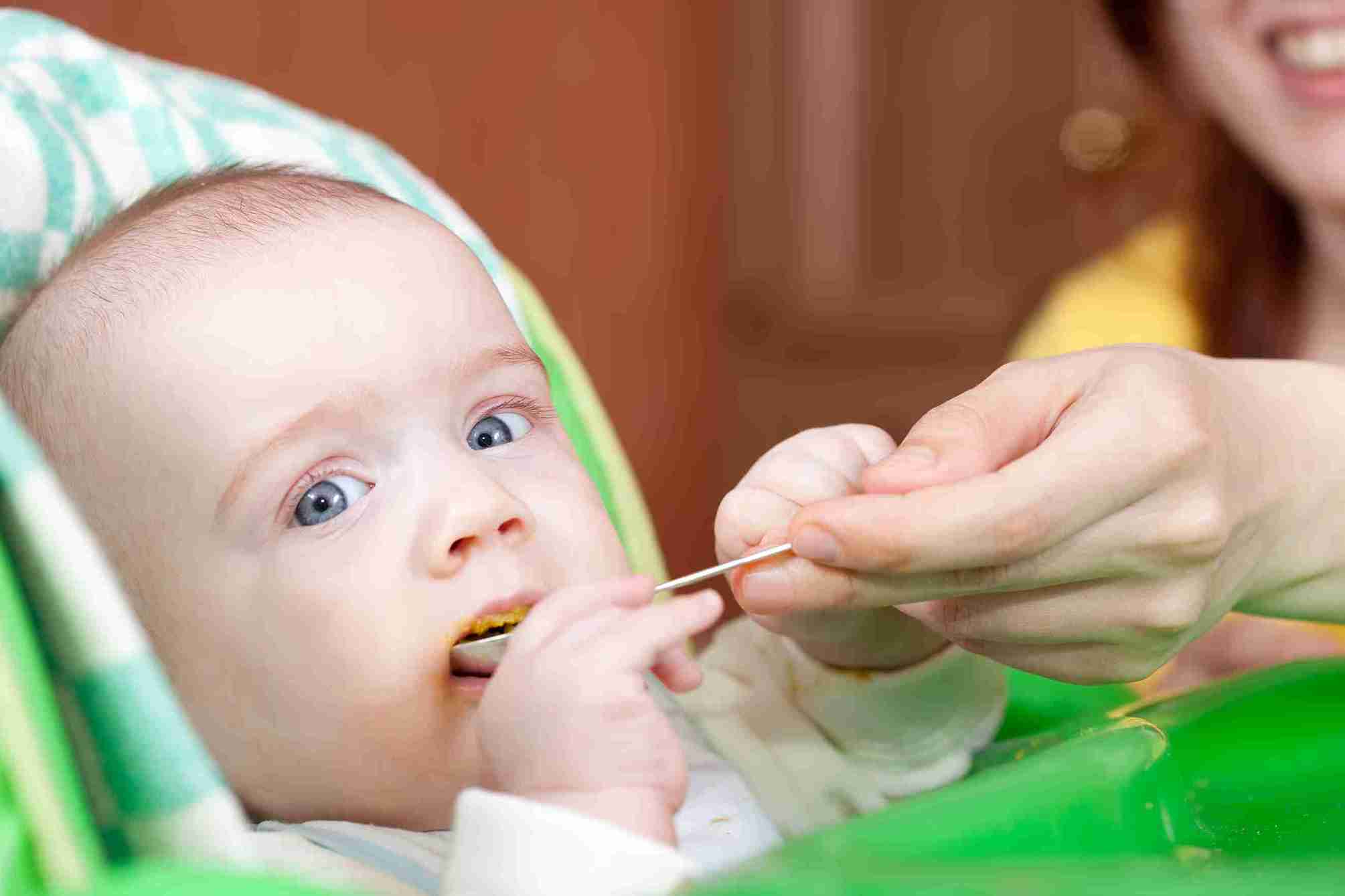
• Maintain quiet, calm surroundings to prevent overstimulation.
• Avoid hurried feeding or frequent switching between breast and bottle.
Non-pharmacological soothing methods are core recommendations in infantile colic treatment guidelines, as they help comfort the baby without medication.
• Warm compress or bath: Applying a gentle warm compress on the belly helps activate the parasympathetic (calming) nervous system, easing discomfort.
• White noise: The hum of a fan, vacuum cleaner, or soothing music mimics womb sounds, creating familiarity and comfort.
• Swaddling: A snug but gentle swaddle makes the baby feel secure — like being back in the womb.
• “Colic hold” or “Superman hold”: Place the baby face-down on your forearm and gently pat the back. This helps relieve trapped gas.
• Rhythmic motions or vibrations: Gentle rocking, stroller rides, or baby swings with vibration modes can calm colicky episodes effectively.
Massage is one of the most effective non-pharmacological treatments for infantile colic. It soothes the baby, relieves gas, and improves sleep.
•“I” Stroke – Descending Colon (Left Side)
• Stand or sit facing the baby’s feet.
• Gently stroke downward on the baby’s left abdomen (your right side when facing the baby).
• Start just below the rib cage and move straight down to the lower left abdomen — this follows the descending colon.
• Repeat 5–10 times to help the stool move downward.
Purpose: Stimulates the final part of the large intestine, encouraging gas/stool movement downward.

• Use your fingertips or palm to stroke across the upper abdomen — from the baby’s right side (your left) to the baby’s left side across the upper abdomen, then down the left.
• Then continue down the left side (same path as the “I” stroke). This makes an upside-down “L” (since you’re facing the baby).
• Repeat 5–10 times.
Purpose: Moves gas and contents along the transverse colon toward the descending colon.
• Move up the right side, across the upper abdomen, then down the left — tracing a “U” shape.
• Repeat 5–10 times slowly.
Purpose: Follows the natural flow of the large intestine — helping move trapped gas and stool through the entire colon.
Afterwards, perform gentle bicycle leg movements to release gas, followed by soft circular rubs around the belly button.
• Studies show that infant massage significantly reduces crying duration and improves sleep quality compared to rocking alone (PubMed+1).
• After one week, infants receiving regular massages had fewer and less severe crying episodes.
• Maintain a consistent routine for feeding and sleep.
• Avoid bright lights or loud sounds to prevent overstimulation.
• Ensure adequate naps; overtired babies are more likely to cry excessively.
• Encourage parents to rest when possible and take turns caring for the baby.
• Support groups or counselling can help cope with stress and feelings of inadequacy.
• Reassure that taking short breaks (placing the baby safely in the crib) is okay if feeling overwhelmed.\

Seek medical evaluation if crying is accompanied by:
• Poor feeding or vomiting
• Fever or lethargy
• Blood in the stools or weight loss
Such symptoms could indicate conditions beyond colic and require paediatric assessment.

Gentle abdominal massage, swaddling, warm compresses, white noise and rhythmic rocking are effective non-drug methods to relieve discomfort in babies.
Use the ILU massage, maintain a calm environment, burp the baby frequently and try the “colic hold.” Consistency and patience are key.
Infant massage and warm compresses have shown great results in easing colic naturally. A soothing routine and proper feeding techniques also help immensely.
Begin by ruling out any medical causes. Then follow non-pharmacological approaches — feeding modifications, soothing strategies, massage and ensuring parental well-being. Most importantly, reassure parents that infantile colic is temporary and resolves as the baby’s digestive system matures.







 Best Gynecologists in Bellandur Best Gynecologists in Electronic City Best Gynecologists in HRBR LayoutBest Gynecologists in Jayanagar Best Gynecologists in Kanakapura RoadBest Gynecologists in Malleswaram Best Gynecologists in Nagarbhavi Best Gynecologists in Old Airport RoadBest Gynecologists in Sahakarnagar Best Gynecologists in Sarjapur RoadBest Gynecologists in ThanisandraBest Gynecologists in Varthur RoadBest Gynecologists in Whitefield Best Gynecologists in Industrial Area Phase IIBest Gynecologists in OMRBest Gynecologists in T NagarBest Gynecologists in New Industrial TownBest Gynecologists in IndirapuramBest Gynecologists in Golf Course RoadBest Gynecologists in Sector 14Best Gynecologists in Sector 47Best Gynecologists in Banjara HillsBest Gynecologists in GachibowliBest Gynecologists in Hitech CityBest Gynecologists in KompallyBest Gynecologists in Jawahar NagarBest Gynecologists in Gomti NagarBest Gynecologists in Phase 3, Sector 58Best Gynecologists in MaladBest Gynecologists in NerulBest Gynecologists in VashiBest Gynecologists in Kailash ColonyBest Gynecologists in PatparganjBest Gynecologists in Punjabi BaghBest Gynecologists in RohiniBest Gynecologists in VikaspuriBest Gynecologists in Gaur CityBest Gynecologists in Pari ChowkBest Gynecologists in Sector 51Best Gynecologists in Sector 5 Swastik ViharBest Gynecologists in Kalyani NagarBest Gynecologists in SB RoadBest Gynecologists in Pimple SaudagarBest Pediatricians in BellandurBest Pediatricians in Electronic CityBest Pediatricians in HRBR LayoutBest Pediatricians in JayanagarBest Pediatricians in Kanakapura RoadBest Pediatricians in MalleswaramBest Pediatricians in NagarbhaviBest Pediatricians in Old Airport RoadBest Pediatricians in SahakarnagarBest Pediatricians in Sarjapur RoadBest Pediatricians in ThanisandraBest Pediatricians in Varthur RoadBest Pediatricians in WhitefieldBest Pediatricians in Industrial Area Phase IIBest Pediatricians in OMRBest Pediatricians in T NagarBest Pediatricians in New Industrial TownshipBest Pediatricians in IndirapuramBest Pediatricians in Golf Course RoadBest Pediatricians in Sector 14Best Pediatricians in Sector 47Best Pediatricians in Hitech CityBest Pediatricians in Banjara HillsBest Pediatricians in GachibowliBest Pediatricians in KompallyBest Pediatricians in Jawahar NagarBest Pediatricians in Gomti NagarBest Pediatricians in Phase 3, Sector 58Best Pediatricians in MaladBest Pediatricians in NerulBest Pediatricians in VashiBest Pediatricians in Kailash ColonyBest Pediatricians in PatparganjBest Pediatricians in Punjabi BaghBest Pediatricians in RohiniBest Pediatricians in VikaspuriBest Pediatricians in Gaur CityBest Pediatricians in Pari ChowkBest Pediatricians in Sector 51Best Pediatricians in Sector 5 Swastik ViharBest Pediatricians in Kalyani NagarBest Pediatricians in SB RoadBest Pediatricians in Pimple Saudagar


