
Pregnancy loss is a devastating experience, more so if it has occurred after undergoing fertility treatments like IVF (In-vitro Fertilization). Such treatments are usually undertaken after prolonged periods of childlessness, and it is only natural to feel a tremendous sense of loss after a miscarriage. Apart from this, couples are very likely to feel even more worried about their future attempts at IVF, and may even seek answers to questions like the following:
“Should we wait a while before the next IVF attempt, and if so, for how long?”
“Will the next IVF cycle lead to a successful pregnancy?”
“What can we do to make sure a miscarriage never happens again?”
This article shall serve as a guide for couples who have experienced a miscarriage after an IVF cycle and would like to know when and how to safely restart the treatment.

Assisted reproductive technologies like IVF are a boon for couples across the world who long for a biological child. Each step in the process is carefully performed at specific times to ensure successful conception. Consequently, such treatments take a heavy toll on both the physical and mental health of the couple, especially since they may have to undergo more than one IVF cycle.
One unfortunate risk of IVF is miscarriage, even after successful embryo implantation. A miscarriage (spontaneous abortion) occurs when a previously confirmed pregnancy unexpectedly ends within the first 20 weeks. Since IVF treatments entail regular monitoring, miscarriages are usually detected sooner.
It’s vital to address the miscarriage impact before attempting the next IVF cycle. The news of a miscarriage, especially after experiencing the joy of a positive pregnancy test, can be a painful experience. Hence, it becomes necessary to adopt certain strategies before attempting future IVF cycles.
Once a miscarriage is confirmed, couples should take steps to safeguard their emotional well-being.
Grief manifests differently for different people. Not acknowledging one’s feelings could lead to a sense of isolation and depression. Do not rush into the next IVF cycle. Take the time to grieve the loss of the pregnancy.
It’s vital to seek support during this time. This could come from the partner, family members, friends, support groups, or professional therapists. The objective is to ensure the couple don’t feel alone and that they receive the support they need to share their feelings, heal emotionally, and feel ready to try again.
Undertake activities that reduce anxiety and stress. Yoga, meditation, listening to music, going for walks, etc., are just some of the ways to ensure peace and relaxation.
IVF generally has a high success rate, but the following factors may sometimes lead to miscarriage:
During IVF, usually only the most viable embryos are selected for transfer to the uterus. However, the quality of the embryos is largely dependent on the quality of the collected eggs and sperm. These might not have been of the best quality, and the resulting embryos might not be strong enough to survive implantation. Hence, this could lead to a miscarriage.
Implantation of the embryo could be adversely affected by abnormalities of the uterus. A misshapen uterus, or one with a thinner lining than normal, will not be conducive to implantation, leading to a miscarriage. Women with severe endometritis may also experience miscarriage.
Miscarriage may result from genetic problems or anomalies that were present in the sperm or egg.
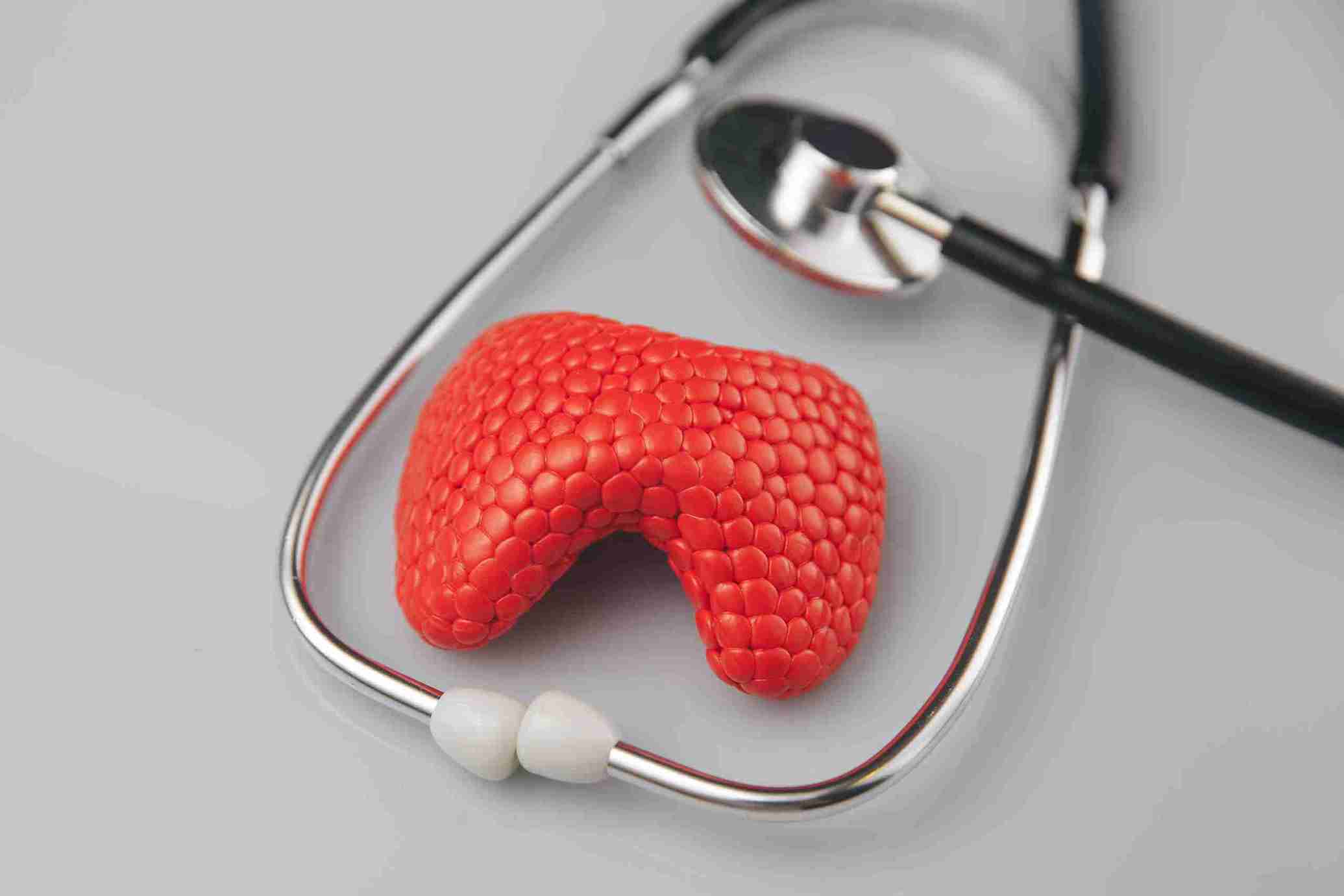
Medical conditions such as thyroid disorders, PCOS or uncontrolled diabetes can lead to hormone imbalances, which, in turn, could affect the chances of successful implantation and pregnancy.
An inappropriate immune response might cause the body to reject the embryo. An overactive immune system may mistakenly consider the embryo as a foreign object and attack it, thus causing a miscarriage. Women with autoimmune diseases may be at higher risk of miscarriages after IVF.
Miscarriages can also occur in the second trimester if the cervix is weak and opens prematurely.
Given below are some of the most typical signs that indicate the occurrence of a miscarriage after IVF treatment:
One of the most common signs of miscarriage is bleeding from the vagina. It could be heavy or just light spotting. It’s important to note that light spotting can also be observed during implantation and is generally harmless.
During a miscarriage, many women experience painful cramps in their lower abdominal region that are similar to menstrual cramps.
Pregnancy loss can leave fetal tissue called retained products of conception (RPOC) in the uterus. During a miscarriage, these are usually expelled via the vagina.
Most women who experience miscarriages report having mild to severe aches in their lower back region.
The typical symptoms of pregnancy (morning sickness, breast tenderness, etc.) often disappear after the miscarriage, thus signalling the premature end of the pregnancy.

When to try IVF after a miscarriage is a common question among couples. It is important to note that this depends on many factors, chiefly the couple's overall health, especially the female partner's (potential mother).
Here are a few things that need to be considered before trying IVF again:
IVF and the subsequent miscarriage can take a heavy toll on the mother’s physical health. It is vital to set aside time for recovery to allow the body to heal. If procedures like uterine curettage (D&C) were performed to remove fetal tissue, then the recovery time could be longer.
Emotional readiness is vital for the success of IVF. So, the next IVF cycles should be attempted after a suitable period of grieving has elapsed and support (via loved ones or counselling) has been sought.
The cause behind the miscarriage needs to be identified. Underlying health issues need to be managed before retrying IVF.
Better clarity regarding the IVF wait time can be provided by fertility specialists, as they will be more aware of the couple’s fertility issues and the factors that caused the miscarriage. They will be able to provide better guidance as to when the IVF cycle can begin after the miscarriage.
The experience of a miscarriage can have a profound impact on individuals, and it could subsequently affect fertility treatments in the future. However, with appropriate care and support, the next IVF cycles can result in successful pregnancies. Keep a positive attitude and move forward when ready!


After a miscarriage, it's preferable to wait a while before attempting another IVF cycle.
A miscarriage does not usually affect IVF success rates if the issues that caused it are resolved.
Maintaining physical and mental health is crucial for increasing the success rate of IVF following a miscarriage.
Frozen embryos can be used after a miscarriage if approved by fertility specialists.







 Best Gynecologists in Bellandur Best Gynecologists in Electronic City Best Gynecologists in HRBR LayoutBest Gynecologists in Jayanagar Best Gynecologists in Kanakapura RoadBest Gynecologists in Malleswaram Best Gynecologists in Nagarbhavi Best Gynecologists in Old Airport RoadBest Gynecologists in Sahakarnagar Best Gynecologists in Sarjapur RoadBest Gynecologists in ThanisandraBest Gynecologists in Varthur RoadBest Gynecologists in Whitefield Best Gynecologists in Industrial Area Phase IIBest Gynecologists in OMRBest Gynecologists in T NagarBest Gynecologists in New Industrial TownBest Gynecologists in IndirapuramBest Gynecologists in Golf Course RoadBest Gynecologists in Sector 14Best Gynecologists in Sector 47Best Gynecologists in Banjara HillsBest Gynecologists in GachibowliBest Gynecologists in Hitech CityBest Gynecologists in KompallyBest Gynecologists in Jawahar NagarBest Gynecologists in Gomti NagarBest Gynecologists in Phase 3, Sector 58Best Gynecologists in MaladBest Gynecologists in NerulBest Gynecologists in VashiBest Gynecologists in Kailash ColonyBest Gynecologists in PatparganjBest Gynecologists in Punjabi BaghBest Gynecologists in RohiniBest Gynecologists in VikaspuriBest Gynecologists in Gaur CityBest Gynecologists in Pari ChowkBest Gynecologists in Sector 51Best Gynecologists in Sector 5 Swastik ViharBest Gynecologists in Kalyani NagarBest Gynecologists in SB RoadBest Gynecologists in Pimple SaudagarBest Pediatricians in BellandurBest Pediatricians in Electronic CityBest Pediatricians in HRBR LayoutBest Pediatricians in JayanagarBest Pediatricians in Kanakapura RoadBest Pediatricians in MalleswaramBest Pediatricians in NagarbhaviBest Pediatricians in Old Airport RoadBest Pediatricians in SahakarnagarBest Pediatricians in Sarjapur RoadBest Pediatricians in ThanisandraBest Pediatricians in Varthur RoadBest Pediatricians in WhitefieldBest Pediatricians in Industrial Area Phase IIBest Pediatricians in OMRBest Pediatricians in T NagarBest Pediatricians in New Industrial TownshipBest Pediatricians in IndirapuramBest Pediatricians in Golf Course RoadBest Pediatricians in Sector 14Best Pediatricians in Sector 47Best Pediatricians in Hitech CityBest Pediatricians in Banjara HillsBest Pediatricians in GachibowliBest Pediatricians in KompallyBest Pediatricians in Jawahar NagarBest Pediatricians in Gomti NagarBest Pediatricians in Phase 3, Sector 58Best Pediatricians in MaladBest Pediatricians in NerulBest Pediatricians in VashiBest Pediatricians in Kailash ColonyBest Pediatricians in PatparganjBest Pediatricians in Punjabi BaghBest Pediatricians in RohiniBest Pediatricians in VikaspuriBest Pediatricians in Gaur CityBest Pediatricians in Pari ChowkBest Pediatricians in Sector 51Best Pediatricians in Sector 5 Swastik ViharBest Pediatricians in Kalyani NagarBest Pediatricians in SB RoadBest Pediatricians in Pimple Saudagar


