
Burns in children are a leading cause of injury, especially in toddlers. Most burns occur at home from hot liquids, steam, or contact with hot objects. Knowing how to treat burns and prevent them keeps your child safe.
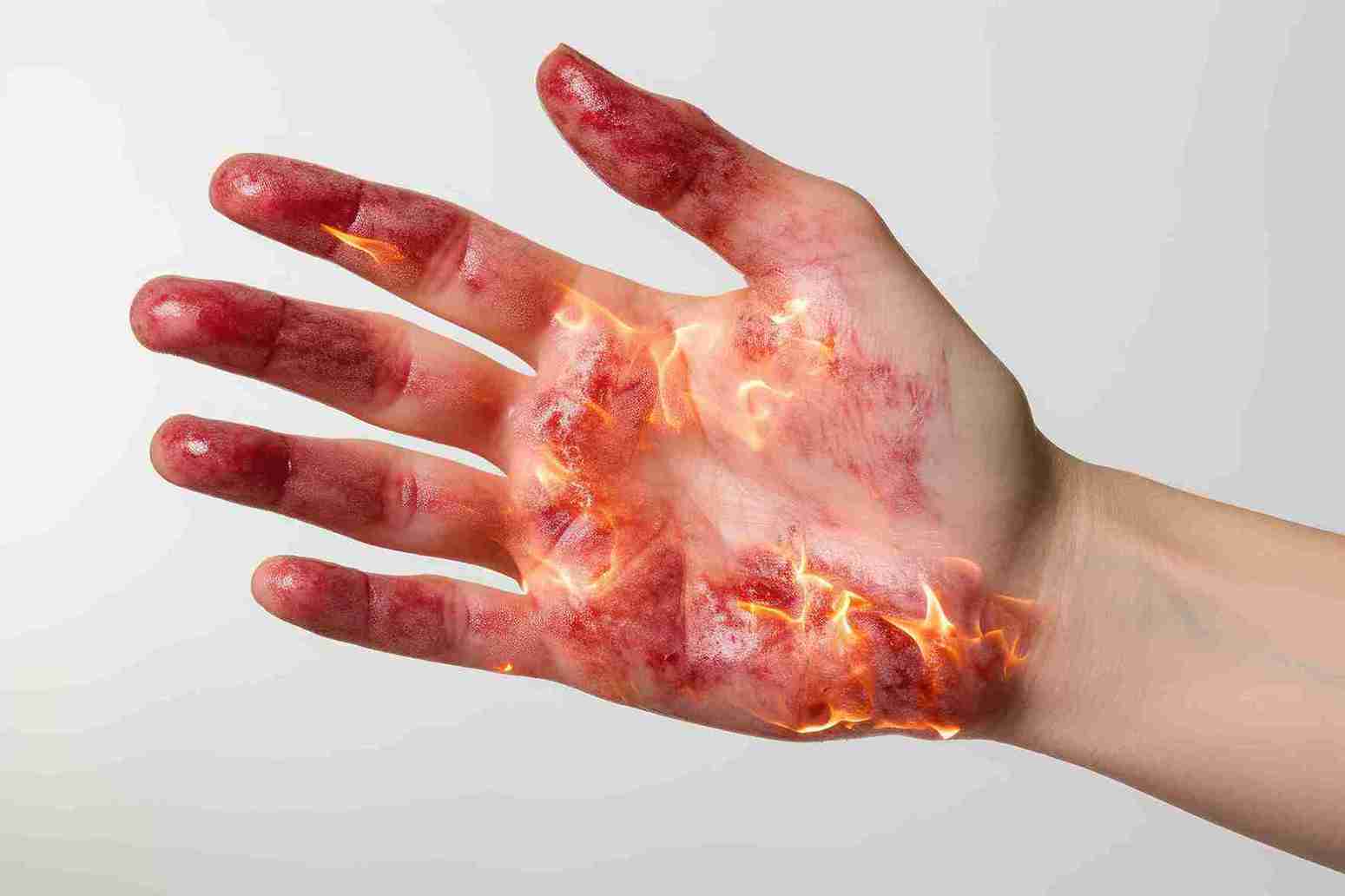
Burns are grouped by how deep they go:
First-degree burns: Only the top skin layer is affected. The skin turns red but does not blister. It may feel like a sunburn. These heal in 3 to 6 days.
Second-degree burns: The outer layer of the skin and some deeper layers are damaged. The burn is painful and develops blisters. Healing may take 1 to 3 weeks or longer.
Third-degree burns: All skin layers are damaged. The skin looks charred, white, or leathery. These need medical care and may need skin grafts.
Quick action is the best burns treatment as it reduces damage and pain.
Run cool (not cold) water over the burn for 20 minutes. This stops the burning process and reduces pain and swelling. Do this within 20 minutes of injury. You can also soak a clean towel in cool water and place it on the burn. Never use ice, as it can damage tissue even more. For large burns, avoid prolonged cooling, as it can cause hypothermia in children.
Remove clothing and jewellery from the burned area immediately, as burns can swell quickly. If clothing sticks to the skin, do not pull it off. Instead, cut around the burnt area and leave the stuck fabric in place.
Once the affected area has cooled, cover it loosely with a clean, dry bandage or cloth. This can help prevent any infection. If possible, use a non-stick gauze.
For children 6 months and older, give acetaminophen or ibuprofen. Follow the dosing instructions as prescribed.

Don't use butter, oil, or grease: They trap heat and can cause infection.
Don't break blisters: Blisters protect the burn. Breaking them increases infection risk.
Don't rub the burn: This worsens the injury.
Don't use ice or very cold water: it may cause further tissue damage.
Minor first-degree burns and small second-degree burns without large blisters can be treated at home.
Wash the burn gently with mild soap and water. If mild soap isn't available, simply rinse the burn with water. Pat dry with a clean towel.
Ask your doctor if you should use an antibiotic ointment. Only use creams for moderate or severe burns as directed by a doctor.
Use clean and non-stick bandages. While changing the dressings, check for any signs of infection.
Minor burns heal in 3 weeks. If healing takes longer, contact your doctor. The burn may scar if it's deep.

Seek medical care right away if the burn:
Seek emergency care immediately if your child is having difficulty breathing or has other injuries, such as broken bones. Bring your child to the emergency room immediately if they have third-degree burns or if the burn occurs in an infan
Watch for these infection signs:
If you notice any of these signs, contact your doctor immediately. Infections require prompt antibiotic treatment.
Most burns in children can be prevented with simple safety steps.
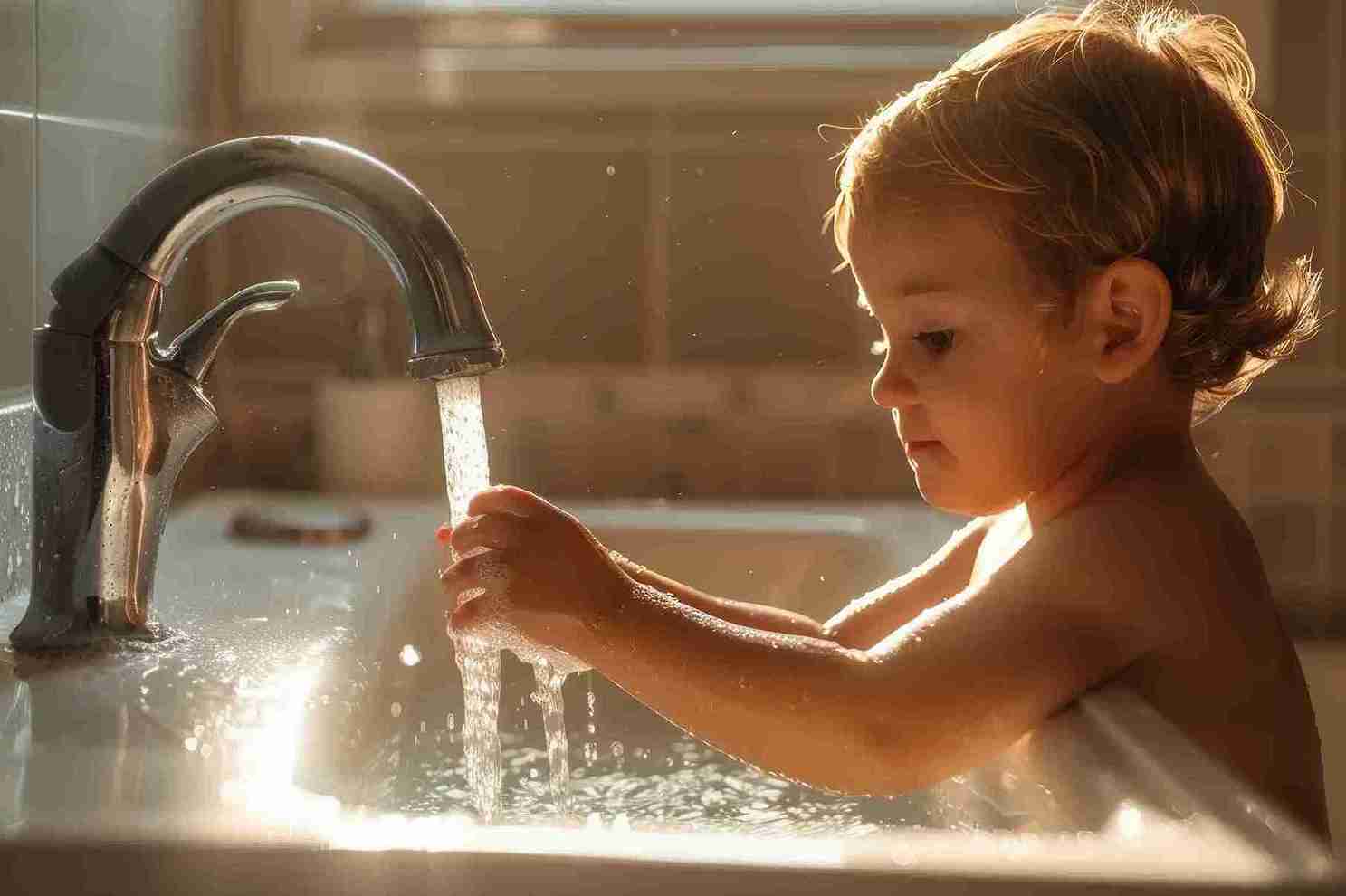
About 75% of burns in young children are caused by hot liquids, steam, or hot tap water.
If your child hasn't had a tetanus shot in the past 5 years and the burn is deep, they may need a booster. Get this within 48 hours of the injury.

Burns can have lasting effects beyond physical injury. Children may feel anxious about scarring or changes in appearance, while parents may experience guilt following the accident. Address these concerns with reassurance and support. Severe burns may need ongoing care, including physical therapy, surgery, and scar management. Follow up with your doctor regularly to monitor healing.
Prompt response and treatment are important for burns in children. Cool the burn with water for 20 minutes, remove jewellery, cover with a clean bandage, and give pain medicine. Minor burns can often heal at home with the right child injury care and timely first aid. See a doctor for burns on the face, hands, feet, or genitals, burns larger than 3 inches, or burns that show signs of infection. Prevent burns by keeping hot items out of reach of children, testing bathwater, and supervising children around heat sources.
Want to consult the best gynecologists in India? Please find the links below.

Signs of infection include the skin around the burn turning a deeper red or developing red streaks, increased swelling, thick yellow or green pus draining from the burn, the area feeling warmer than the surrounding skin, worsening pain rather than improvement, and your child developing a fever. Contact your doctor right away if you see these signs. Burns carry a high risk of infection and need prompt antibiotic treatment when infected.
Yes, minor first-degree burns and small second-degree burns without large blisters can heal on their own with proper home care. Keep the burn clean, apply antibiotic ointment if your doctor recommends it, cover with a clean bandage, and change the dressing daily. Most minor burns heal within 3 weeks. If healing takes longer, the burn looks infected, or pain worsens, contact your doctor.
Child safety tips include keeping hot drinks away from edges, turning pot handles toward the back of the stove, testing bathwater before putting children in, setting water heaters to 50°C or lower, keeping children away from space heaters and candles, storing chemicals in locked cabinets, installing and testing smoke alarms, and never leaving children unsupervised in the kitchen or bathroom. Most childhood burns are preventable with these simple safety measures.
See a doctor right away if the burn is on the face, hands, feet, genitals, or joints; is larger than 3 inches; has large blisters; looks deep or charred; was caused by chemicals or electricity; or shows signs of infection. Also seek emergency care for third-degree burns, burns in infants, or if the child has breathing problems. Minor burns that don't heal within 3 weeks or develop complications also need medical evaluation.







 Best Gynecologists in Bellandur Best Gynecologists in Electronic City Best Gynecologists in HRBR LayoutBest Gynecologists in Jayanagar Best Gynecologists in Kanakapura RoadBest Gynecologists in Malleswaram Best Gynecologists in Nagarbhavi Best Gynecologists in Old Airport RoadBest Gynecologists in Sahakarnagar Best Gynecologists in Sarjapur RoadBest Gynecologists in ThanisandraBest Gynecologists in Varthur RoadBest Gynecologists in Whitefield Best Gynecologists in Industrial Area Phase IIBest Gynecologists in OMRBest Gynecologists in T NagarBest Gynecologists in New Industrial TownBest Gynecologists in IndirapuramBest Gynecologists in Golf Course RoadBest Gynecologists in Sector 14Best Gynecologists in Sector 47Best Gynecologists in Banjara HillsBest Gynecologists in GachibowliBest Gynecologists in Hitech CityBest Gynecologists in KompallyBest Gynecologists in Gomti NagarBest Gynecologists in MaladBest Gynecologists in NerulBest Gynecologists in VashiBest Gynecologists in Kailash ColonyBest Gynecologists in PatparganjBest Gynecologists in Punjabi BaghBest Gynecologists in VikaspuriBest Gynecologists in Gaur CityBest Gynecologists in Pari ChowkBest Gynecologists in Sector 51Best Gynecologists in Sector 5 Swastik ViharBest Gynecologists in Kalyani NagarBest Gynecologists in SB RoadBest Gynecologists in Pimple SaudagarBest Pediatricians in BellandurBest Pediatricians in Electronic CityBest Pediatricians in HRBR LayoutBest Pediatricians in JayanagarBest Pediatricians in Kanakapura RoadBest Pediatricians in MalleswaramBest Pediatricians in NagarbhaviBest Pediatricians in Old Airport RoadBest Pediatricians in SahakarnagarBest Pediatricians in Sarjapur RoadBest Pediatricians in ThanisandraBest Pediatricians in Varthur RoadBest Pediatricians in WhitefieldBest Pediatricians in Industrial Area Phase IIBest Pediatricians in OMRBest Pediatricians in T NagarBest Pediatricians in New Industrial TownshipBest Pediatricians in IndirapuramBest Pediatricians in Golf Course RoadBest Pediatricians in Sector 14Best Pediatricians in Sector 47Best Pediatricians in Hitech CityBest Pediatricians in Banjara HillsBest Pediatricians in GachibowliBest Pediatricians in KompallyBest Pediatricians in Gomti NagarBest Pediatricians in MaladBest Pediatricians in NerulBest Pediatricians in VashiBest Pediatricians in Kailash ColonyBest Pediatricians in PatparganjBest Pediatricians in Punjabi BaghBest Pediatricians in VikaspuriBest Pediatricians in Gaur CityBest Pediatricians in Pari ChowkBest Pediatricians in Sector 51Best Pediatricians in Sector 5 Swastik ViharBest Pediatricians in Kalyani NagarBest Pediatricians in SB RoadBest Pediatricians in Pimple Saudagar


