
Vaginal bleeding is a normal part of the menstrual cycle for women of reproductive age. Uterine fibroids are a common issue that many women struggle with. These uterine fibroids mostly affect women of reproductive age, as they require the estrogen hormone to grow. Can vaginal bleeding indicate uterine fibroids?
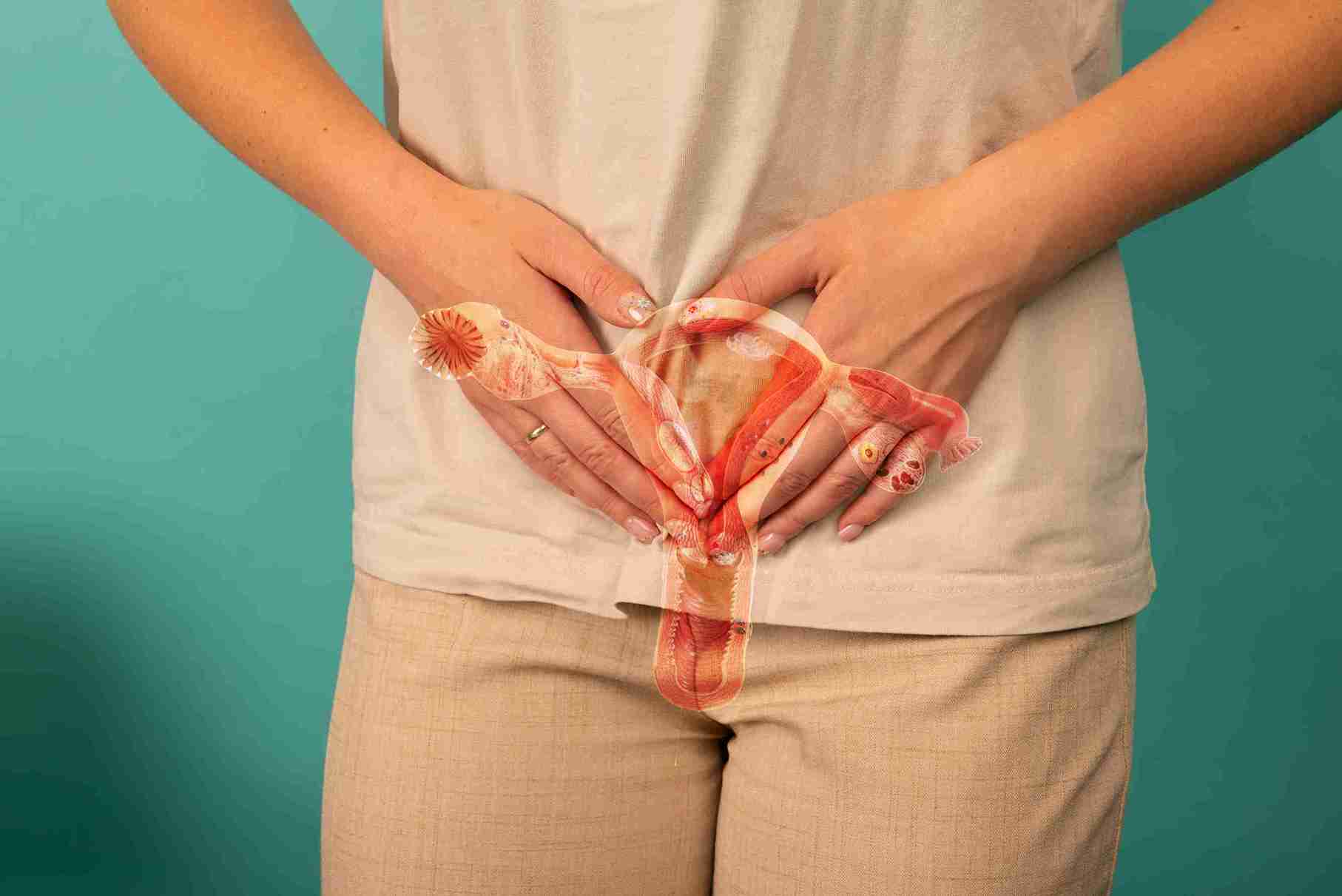
Uterine fibroids are non-cancerous lumps that grow on the uterine wall. Such fibroids can lead to vaginal bleeding in many women due to the following reasons –
● As fibroids grow, they take up more surface area on the uterine lining. Every month during menstruation, the uterus sheds more lining, resulting in a heavier or longer period.
● If the fibroids are located in the uterine muscles, the muscles cannot contract properly to control blood flow, resulting in longer, heavier periods.
● When fibroids develop their own blood supply, it can be irregular and prone to rupture, resulting in heavy periods.
A menstruating woman is bound to bleed every month during her period. If she has an irregular period, distinguishing bleeding caused by fibroids can be quite difficult. Here are some ways in which her bleeding can change if she has fibroids –
● A menstrual period lasts for more than 7 days.
● Bleeding is heavy enough to change the sanitary pads or tampons every hour.
● Passing blood clots larger than a ₹ 5 coin.
● Unexpected bleeding or spotting between periods.
● Bleeding during or soon after sexual intercourse (can indicate fibroids near the cervix).
● Anaemia or low blood cell count caused by constant bleeding.
Some women may experience the following symptoms in addition to the abnormal vaginal bleeding –
● Feeling of heaviness in the pelvic area
● Need to urinate frequently
● Constipation
● Pain in the lower back or legs
● Abdomen enlarges, appearing pregnant.
The first step in diagnosis is a complete blood workup to check iron levels and other possible causes of the irregular or abnormal bleeding.
If the tests show no issues that could be causing the bleeding, ultrasounds of the uterus will help identify and map the fibroids causing the bleeding. Ultrasound can help locate fibroids and estimate their size, which is instrumental in deciding treatment.

The treatment for fibroids will depend on how severe the bleeding and other symptoms are, the location and size of the fibroids. Here are some ways doctors might choose to treat your fibroids if they are causing excess vaginal bleeding –
● As the fibroids can cause hormonal imbalances resulting in bleeding, you can be put on hormonal contraceptives like a ring, patch, or pills to balance the hormones.
● Progestin releasing IUD, like the Mirena, can effectively reduce bleeding but have no impact on the fibroids.
● Medications to reduce bleeding on heavy bleeding days.
● GnRH Agonists can help reduce the fibroids and temporarily stop the bleeding. This is most often used as a first step towards a surgery.
● GnRH Antagonists to manage heavy bleeding. You may also be given therapy to manage the side effects caused by the medications and changes in hormones.
● Excessive blood loss may lead to anaemia, so iron supplements are often recommended to maintain healthy blood levels during this period.
● Uterine Artery Embolisation is a treatment in which the radiologist blocks blood flow to the fibroids, causing them to shrink. This, in turn, can reduce bleeding and other issues caused by the fibroids.
● Radiofrequency Ablation is a procedure that uses heat to shrink fibroids.
● Endometrial ablation is a procedure where the uterine lining is destroyed to remove fibroids growing into the uterine wall.
● Focused Ultrasound is an MRI-guided ultrasound that uses sound waves to destroy the fibroids.
When the fibroids are big or in tricky locations, causing severe symptoms, or if the non-invasive methods do not have much impact, your doctor might opt for the following surgeries –
● Myomectomy – A surgery to remove the fibroids while leaving the uterus undisturbed. This surgery is preferred when the woman wants to conceive in the future.
● Hysterectomy – A complete removal of the uterus along with the fibroids. This surgery is opted for women who are not keen on conceiving in the future, or when the fibroids are too big or in complicated locations.

Many women suffer from uterine fibroids. While some women are not aware of these fibroids until they take a scan, some suffer long and heavy bleeding outside of their menstrual periods. Today, one need not continue suffering and can opt for a suitable treatment instead.

Uterine fibroids can disrupt the normal structure of the uterus and impact its functioning, leading to prolonged or heavy periods. Though the tumours are benign, they increase the surface of the uterine lining. This will, in turn, interfere with the muscle contractions and alter the blood flow.
Yes, though very rare, uterine fibroids can cause bleeding even after menopause. Uterine fibroids grow due to the hormones secreted during a woman’s menstrual cycle. When she reaches menopause, these hormones will decrease, causing the fibroids to shrink. However, submucosal fibroids that grow into the uterine lining can cause bleeding even after menopause. If the woman is on hormone replacement therapy for some other health condition, the replacement of estrogen can cause the fibroids to grow and trigger abnormal bleeding.
No, not all vaginal bleedings are caused by fibroids. Though the most common reason for abnormal vaginal bleeding is fibroids, hormonal imbalance, uterine polyps, endometriosis, adenomyosis, and infections can also cause vaginal bleeding outside a woman’s period. Only a proper clinical test can accurately diagnose the exact reason for the vaginal bleeding.
Fibroids causing heavy bleeding are treated with medications, hormonal contraceptives, or a progestin-releasing IUD. If these do not work or if the bleeding is very heavy, then minimally invasive procedures like an endometrial ablation, uterine artery embolisation, MRI-guided ultrasound, or radiofrequency ablation can be used to shrink the fibroids. In extreme cases, surgical procedures like myomectomy or a hysterectomy will be required.







 Best Gynecologists in Bellandur Best Gynecologists in Electronic City Best Gynecologists in HRBR LayoutBest Gynecologists in Jayanagar Best Gynecologists in Kanakapura RoadBest Gynecologists in Malleswaram Best Gynecologists in Nagarbhavi Best Gynecologists in Old Airport RoadBest Gynecologists in Sahakarnagar Best Gynecologists in Sarjapur RoadBest Gynecologists in ThanisandraBest Gynecologists in Varthur RoadBest Gynecologists in Whitefield Best Gynecologists in Industrial Area Phase IIBest Gynecologists in OMRBest Gynecologists in T NagarBest Gynecologists in New Industrial TownBest Gynecologists in IndirapuramBest Gynecologists in Golf Course RoadBest Gynecologists in Sector 14Best Gynecologists in Sector 47Best Gynecologists in Banjara HillsBest Gynecologists in GachibowliBest Gynecologists in Hitech CityBest Gynecologists in KompallyBest Gynecologists in Gomti NagarBest Gynecologists in MaladBest Gynecologists in NerulBest Gynecologists in VashiBest Gynecologists in Kailash ColonyBest Gynecologists in PatparganjBest Gynecologists in Punjabi BaghBest Gynecologists in VikaspuriBest Gynecologists in Gaur CityBest Gynecologists in Pari ChowkBest Gynecologists in Sector 51Best Gynecologists in Sector 5 Swastik ViharBest Gynecologists in Kalyani NagarBest Gynecologists in SB RoadBest Gynecologists in Pimple SaudagarBest Pediatricians in BellandurBest Pediatricians in Electronic CityBest Pediatricians in HRBR LayoutBest Pediatricians in JayanagarBest Pediatricians in Kanakapura RoadBest Pediatricians in MalleswaramBest Pediatricians in NagarbhaviBest Pediatricians in Old Airport RoadBest Pediatricians in SahakarnagarBest Pediatricians in Sarjapur RoadBest Pediatricians in ThanisandraBest Pediatricians in Varthur RoadBest Pediatricians in WhitefieldBest Pediatricians in Industrial Area Phase IIBest Pediatricians in OMRBest Pediatricians in T NagarBest Pediatricians in New Industrial TownshipBest Pediatricians in IndirapuramBest Pediatricians in Golf Course RoadBest Pediatricians in Sector 14Best Pediatricians in Sector 47Best Pediatricians in Hitech CityBest Pediatricians in Banjara HillsBest Pediatricians in GachibowliBest Pediatricians in KompallyBest Pediatricians in Gomti NagarBest Pediatricians in MaladBest Pediatricians in NerulBest Pediatricians in VashiBest Pediatricians in Kailash ColonyBest Pediatricians in PatparganjBest Pediatricians in Punjabi BaghBest Pediatricians in VikaspuriBest Pediatricians in Gaur CityBest Pediatricians in Pari ChowkBest Pediatricians in Sector 51Best Pediatricians in Sector 5 Swastik ViharBest Pediatricians in Kalyani NagarBest Pediatricians in SB RoadBest Pediatricians in Pimple Saudagar


