
You have stopped taking birth control pills, removed your IUD, or stopped your injections. Now you are waiting for your period to return. Days turn into weeks. If you are experiencing no period after stopping birth control, you are not alone, and in most cases, it is normal. In India, where many women use hormonal contraception, stopping these methods can bring unexpected changes. Your body needs time to adjust.

Birth control works by suppressing your body's natural hormone production. It prevents ovulation and disrupts your menstrual cycle. When you stop, your hypothalamus, pituitary gland, and ovaries need to wake up and start communicating again. Your body must resume making its own hormones. Until this balance returns, you might not ovulate. Without ovulation, you do not get a proper period.
Doctors call the delayed period after birth control pills as post-pill amenorrhea, which means not having your period for 3 months or longer after stopping contraception. This affects about 3-6% of women. Women who had irregular periods before starting birth control face a higher risk.
Most women get their first period within 1-3 months after stopping birth control. The timeframe varies based on the type of contraception. Combined pills or progestin-only pills can take 2-8 weeks to get back to normal. If you were using hormonal IUDs or implants, give it 1-3 months for periods to start normally. If you were on contraceptive injections like Depo-Provera, it may take 6-12 months or longer. If you used birth control to manage irregular periods, PCOS, or heavy bleeding, those symptoms might return once you stop contraception.
Most women get their first period within 1-3 months after stopping birth control. The timeframe varies:
Combined pills: First period usually returns within 2-8 weeks
Progestin-only pills: Can take 4-6 weeks
Contraceptive injections (like Depo-Provera): May take 6-12 months or longer
Hormonal IUDs: Usually 1-3 months
Implants: Often 1-3 months
If you used birth control to manage irregular periods, PCOS, or heavy bleeding, those symptoms might return. Birth control masks these conditions; it does not cure them.
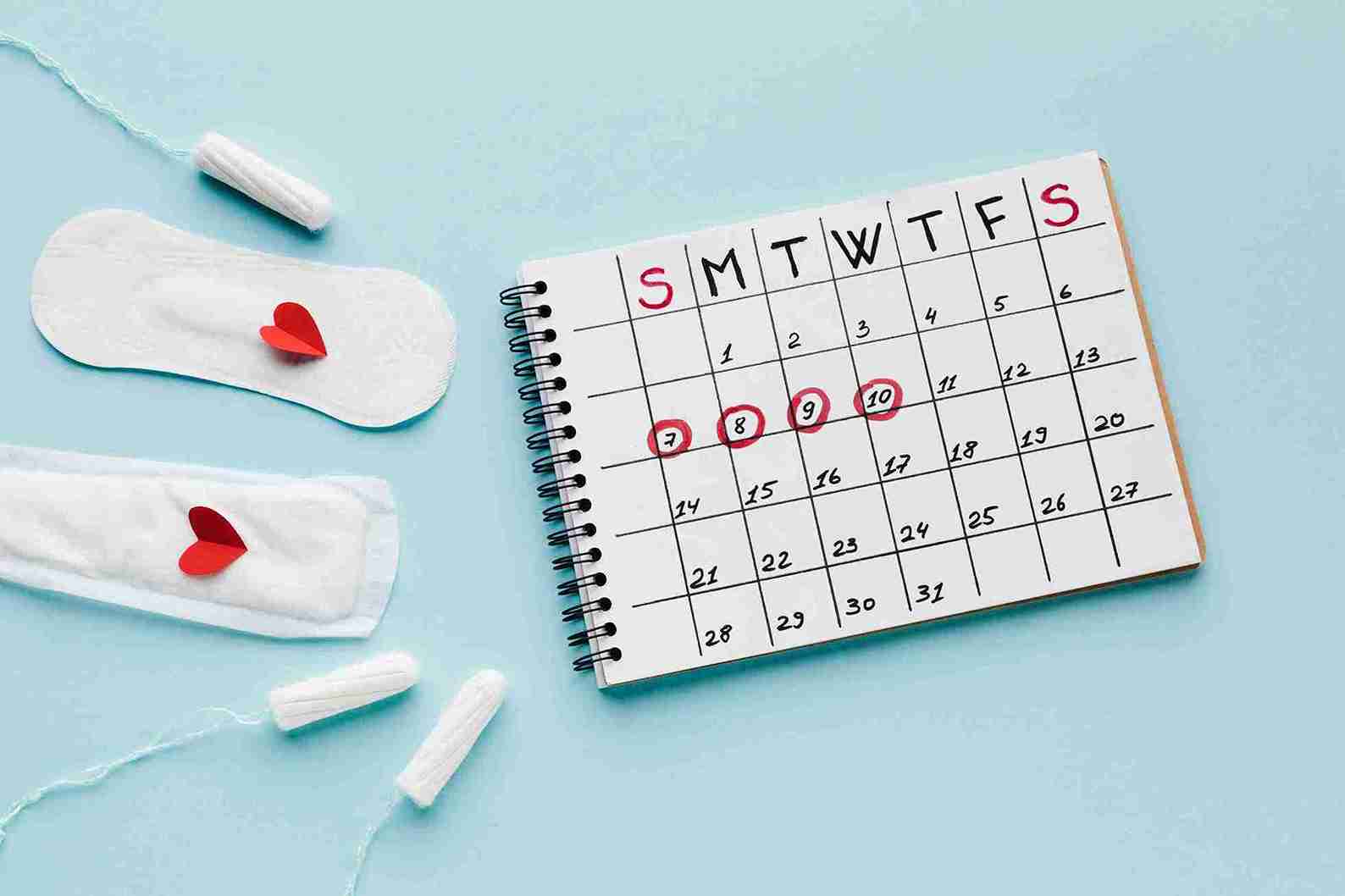
There are a few reasons that cause a missed period after stopping contraception:
Body needs time to recover: Your ovaries were sleeping while on birth control. They need several cycles to resume normal egg production.
Other health conditions: Birth control often hides symptoms of PCOS, thyroid problems, and hormonal imbalances. If you started birth control as a teenager to regulate periods, you might not know if you had a condition.
Stress and lifestyle challenges: Chronic stress elevates cortisol levels, which can disrupt your menstrual cycle.
Weight changes also matter: Being underweight or overweight can prevent ovulation.
Many women experience irregular periods after birth control rather than a complete absence. You might notice periods arriving at unpredictable times, very light or heavy bleeding, or cycles shorter than 21 days or longer than 35 days. This irregularity is your body trying to find its rhythm.
Yes! You ovulate before your period arrives. If sperm meets that egg, you can get pregnant before your first post-contraception period. If you do not want to get pregnant, start using condoms or other non-hormonal methods immediately.

See a doctor if you don’t have your period for 3 months after stopping combined pills or hormonal IUD, don’t have your period for 6 months after stopping injections, had regular periods before using birth control, but have none after using it or experience sudden weight gain or extreme fatigue. Your doctor may check for pregnancy and thyroid function, as well as prolactin, FSH, and LH levels. The doctor may also ask you to do a pelvic ultrasound.
Practice yoga, meditation, or pranayama for 10-15 minutes daily to lower cortisol.
If underweight, work on gaining weight. If overweight, even losing 5-10% of body weight can restore ovulation.
Focus on whole grains, dals, protein, healthy fats from nuts and ghee, iron-rich foods like greens and dates, and zinc from pumpkin seeds. Avoid excessive sugar.
Regular moderate exercise for about 30-45 minutes done 4-5 times a week helps. But excessive exercise can delay periods.
Aim for 7-8 hours nightly. Limit tea and coffee to 1-2 cups daily.
This is a common worry in India, where pressure from family to have children is high. Birth control does not cause infertility. Your fertility returns after stopping contraception. Any delay in conception is usually due to:
Age (natural decline in fertility after 35)
Conditions that birth control was masking
Time needed for ovulation to resume
Studies show that women who use birth control have the same conception rates as women who never use it, once their cycles return.

Having no period after stopping birth control can be frustrating, especially if you are trying to conceive. But patience is key. Your body is doing hard work to restore its natural rhythm. Track your symptoms. Note any changes in cervical mucus, breast tenderness, or mood. These signs show your body is working towards ovulation even before your first period. If 3 months pass without a period, see a gynaecologist. They can run tests and rule out other causes. Sometimes a short course of progesterone can jump-start your cycle.
Remember, every woman's body is different. Some bounce back quickly. Others take longer. Both are normal.

No, stopping birth control does not cause infertility. Birth control prevents pregnancy while you take it, but fertility returns once you stop. Studies show women who use birth control have the same conception rates as those who don't, once their natural cycles resume. Any conception delay is usually due to age, other conditions that birth control was masking, or the time needed for ovulation to restart. Most women conceive within a year of stopping contraception.
Yes, you can get pregnant before your first period after stopping birth control. You ovulate about 2 weeks before your period arrives. If sperm meets that egg, you may conceive before ever having a period. Many women get pregnant within 1-2 months of stopping contraception, even before their first bleed. If pregnancy is not your goal, use condoms or non-hormonal contraception immediately after stopping. If you are trying to conceive, start having regular intercourse right away.
Yes, having no period for 1-3 months after stopping combined pills or hormonal IUDs is normal. After contraceptive injections, it can take 6-12 months. About 3-6% of women experience post-pill amenorrhea. Your body needs time to restart hormone production. If periods do not return after 3 months, or if you had regular cycles before birth control, see a doctor. Conditions like PCOS or thyroid issues may need treatment.
Manage stress through yoga or meditation; maintain a healthy weight; eat nutritious foods rich in iron and zinc; exercise moderately; get 7-8 hours of sleep nightly; and limit caffeine and alcohol. These lifestyle changes support hormone balance. Track ovulation signs like cervical mucus changes. If periods do not return after 3 months, see a doctor. They might prescribe progesterone to trigger a bleed and restart your cycle.







 Best Gynecologists in Bellandur Best Gynecologists in Electronic City Best Gynecologists in HRBR LayoutBest Gynecologists in Jayanagar Best Gynecologists in Kanakapura RoadBest Gynecologists in Malleswaram Best Gynecologists in Nagarbhavi Best Gynecologists in Old Airport RoadBest Gynecologists in Sahakarnagar Best Gynecologists in Sarjapur RoadBest Gynecologists in ThanisandraBest Gynecologists in Varthur RoadBest Gynecologists in Whitefield Best Gynecologists in Industrial Area Phase IIBest Gynecologists in OMRBest Gynecologists in T NagarBest Gynecologists in New Industrial TownBest Gynecologists in IndirapuramBest Gynecologists in Golf Course RoadBest Gynecologists in Sector 14Best Gynecologists in Sector 47Best Gynecologists in Banjara HillsBest Gynecologists in GachibowliBest Gynecologists in Hitech CityBest Gynecologists in KompallyBest Gynecologists in Gomti NagarBest Gynecologists in MaladBest Gynecologists in NerulBest Gynecologists in VashiBest Gynecologists in Kailash ColonyBest Gynecologists in PatparganjBest Gynecologists in Punjabi BaghBest Gynecologists in VikaspuriBest Gynecologists in Gaur CityBest Gynecologists in Pari ChowkBest Gynecologists in Sector 51Best Gynecologists in Sector 5 Swastik ViharBest Gynecologists in Kalyani NagarBest Gynecologists in SB RoadBest Gynecologists in Pimple SaudagarBest Pediatricians in BellandurBest Pediatricians in Electronic CityBest Pediatricians in HRBR LayoutBest Pediatricians in JayanagarBest Pediatricians in Kanakapura RoadBest Pediatricians in MalleswaramBest Pediatricians in NagarbhaviBest Pediatricians in Old Airport RoadBest Pediatricians in SahakarnagarBest Pediatricians in Sarjapur RoadBest Pediatricians in ThanisandraBest Pediatricians in Varthur RoadBest Pediatricians in WhitefieldBest Pediatricians in Industrial Area Phase IIBest Pediatricians in OMRBest Pediatricians in T NagarBest Pediatricians in New Industrial TownshipBest Pediatricians in IndirapuramBest Pediatricians in Golf Course RoadBest Pediatricians in Sector 14Best Pediatricians in Sector 47Best Pediatricians in Hitech CityBest Pediatricians in Banjara HillsBest Pediatricians in GachibowliBest Pediatricians in KompallyBest Pediatricians in Gomti NagarBest Pediatricians in MaladBest Pediatricians in NerulBest Pediatricians in VashiBest Pediatricians in Kailash ColonyBest Pediatricians in PatparganjBest Pediatricians in Punjabi BaghBest Pediatricians in VikaspuriBest Pediatricians in Gaur CityBest Pediatricians in Pari ChowkBest Pediatricians in Sector 51Best Pediatricians in Sector 5 Swastik ViharBest Pediatricians in Kalyani NagarBest Pediatricians in SB RoadBest Pediatricians in Pimple Saudagar


