





Many women turn to fertility treatments to help them conceive a child of their own. Many of them face multiple complications during or after the treatment, or even after the delivery of the baby. OHSS is one such complication that can be mild in most cases but severe in some. Is it very common in IVF? If so, can you do something about it? All your questions are answered below.

OHSS is Ovarian Hyperstimulation Syndrome. It is a complication in which the ovaries swell with fluid, which then leaks into the abdomen. OHSS is common in women with PCOS, a reproductive disorder caused by hormonal imbalances. Women with a high egg supply can also suffer from OHSS.
OHSS is a very common side effect of fertility treatments. Many women undergoing IVF or other fertility treatments that involve hormonal injections suffer from OHSS. Over the years, changes in fertility treatment protocols and strategies have reduced the number and severity of OHSS cases.
OHSS can be classified into mild, moderate, and severe cases. Mild OHSS is quite common among women undergoing treatments. Severe OHSS can be life-threatening but is very rare.
A female is born with a fixed number of eggs in her ovaries. Once she attains menarche, her ovaries begin developing follicles, and one follicle becomes dominant. The egg in this follicle is released during ovulation after it reaches maturity. The body will reabsorb the other follicles that developed in that cycle.
The hCG hormone, also known as the pregnancy hormone, increases and triggers the release of the egg during ovulation. In fertility treatments or for egg retrieval, the woman is usually administered an hCG trigger shot to stimulate the ovaries. This stimulation causes more follicles to develop and release mature eggs.
When ovaries are overly stimulated or overrespond to these hormonal injections, they will start swelling and filling up with fluid. This swelling can cause immense pain. The ovaries, due to overstimulation, will release substances that can increase blood vessel permeability. As the permeability of the blood vessels increases, the fluid will start leaking into the abdomen, chest and other areas of the body. The fluid accumulation will cause pain, bloating and discomfort. In severe cases, it can even cause blood clots, kidney issues, or an imbalance in electrolytes.
OHSS is a common complication in IVF. In IVF, to increase the number of eggs released per menstrual cycle, the woman is given hormonal medications through injections, suppositories, gels, or pills.
Hormonal injections are the most commonly used method for stimulating the ovaries to release more eggs. A trigger shot is also given around ovulation time to help the eggs mature before retrieval. The more mature eggs retrieved, the higher the chances of success in IVF.
In many cases, more than IVF is required. So, when the woman undergoes her next IVF cycle, she is again injected with hormones. Sometimes, such multiple cycles can overstimulate the ovaries.
When the ovaries respond more than expected to these medications, it results in OHSS. Symptoms start showing up within a week or two after the trigger shot. The hormonal injections and trigger shot are meant to cause the ovaries to release more eggs than the usual one per menstrual cycle.
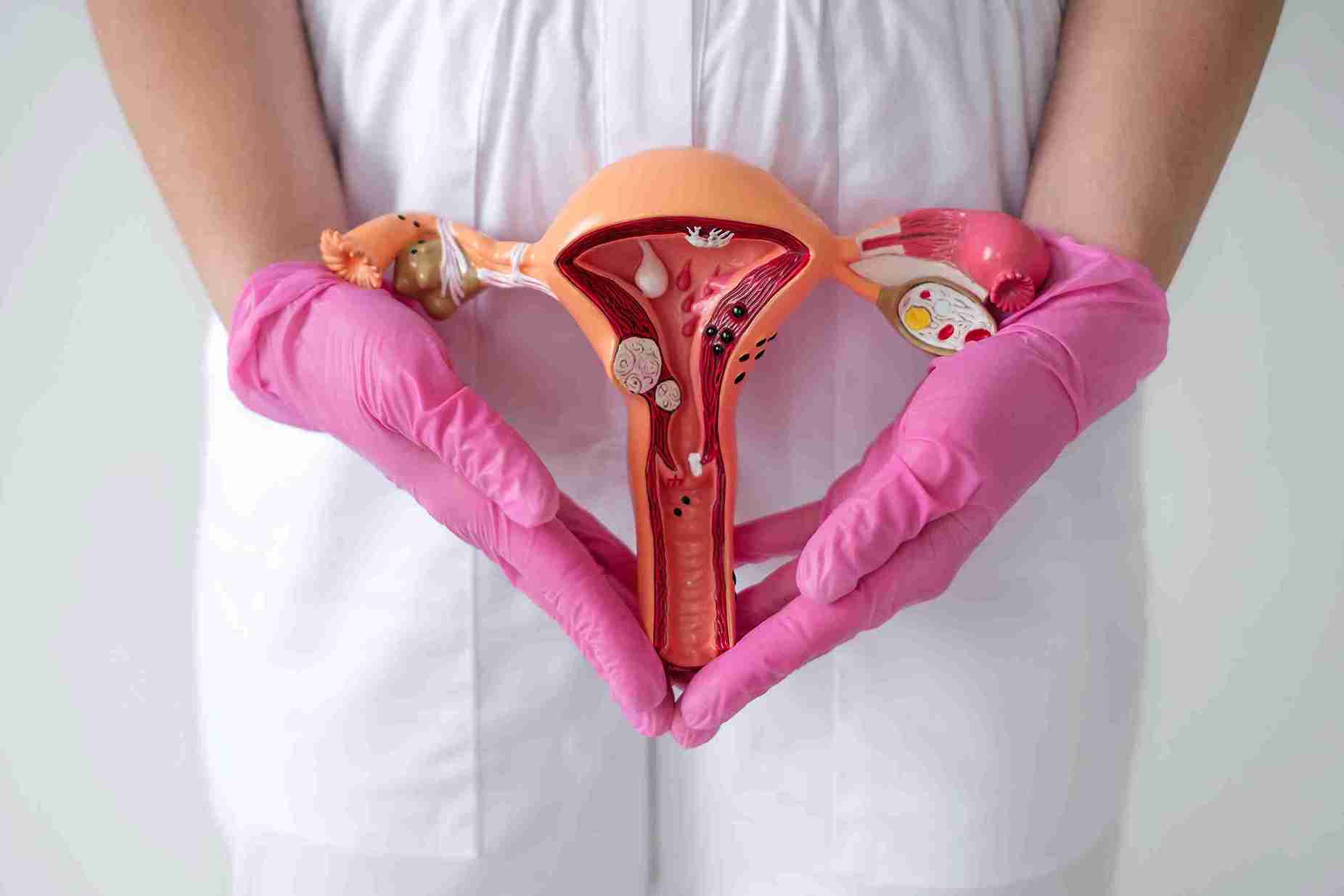
The ovarian swelling symptoms can be classified according to the intensity of the OHSS.
1. Mild to Moderate OHSS
Some common symptoms one may experience are –
● Bloating
● Daily weight gain—may not be much.
● Nausea.
2. Severe OHSS
In severe cases, the most common symptoms include –
● Excess weight gain
● Severe swelling of the abdomen
● Severe pain in the abdomen
● Decrease in urination
● Breathing difficulty
● Severe vomiting and nausea
● Blood clots
If you are undergoing any fertility treatment and fall under the OJHSS risk category, you should notify your doctor if you experience any of the symptoms mentioned above. Most mild cases may resolve on their own, but it is always advisable to consult the doctor and keep them informed about the side effects you are facing.
For women who are not in the risk category or are not undergoing any treatment, the chances of OHSS are very remote. Still, if any of the mentioned symptoms persist, you should consult your doctor at the earliest.

One cannot gauge how the ovaries will respond to stimulation. Women with PCOS are at a higher risk of developing OHSS when they undergo any fertility treatment. The most effective way to reduce the risk of OHSS is first to identify if the patient is in the high-risk category for OHSS. Adequate counselling and educating the patient about the pros, cons, and risks of fertility treatment can help them identify symptoms or signs at the earliest and increase the chances of receiving immediate medical attention.
In IVF, doctors follow the following strategies to reduce the risk of OHSS:
● Co-treating with metformin in gonadotropin-releasing hormone (GnRH) agonist cycles
● Cryopreservation of the embryo and deferred transfer of the same
● Treatment with dopamine agonists after collecting the oocytes.
OHSS after IVF is caused by your ovaries' response to the hormone medications. If your estrogen levels are too high, the fertility doctor can -
● Adjust your hormone medication dosages to prevent overstimulation.
● Temporarily stop injecting hormones, give the body time to settle before giving the trigger shot.
● If the ovaries are overstimulated, pregnancy can make it worse. To avoid this, your doctor can freeze all the embryos and transfer them at a later date once the estrogen levels are within safe limits.
OHSS is a common side effect of IVF hormonal injections. With changes in protocols and procedures, fertility specialists can reduce such side effects. However, keeping a close watch for symptoms and listening to your body can help identify OHSS at the earliest. When OHSS is mild, it can resolve on its own or be easily treated. Never hesitate to consult your doctor when you have concerns regarding your body’s response to treatment.


Some common signs of OHSS after a fertility treatment are a swollen abdomen, abdominal pain, nausea, vomiting, and steady weight gain. It can slowly progress to difficulties with urination and breathing.
Yes, severe nausea and vomiting are common symptoms of OHSS. However, they are also among the first symptoms of pregnancy. So it is easy to miss these OHSS symptoms. If you continue to experience nausea and vomiting despite a negative pregnancy test result, it could indicate OHSS.
Severe OHSS can cause severe abdominal pain, excess swelling, sudden daily weight gain, breathing difficulty, a decrease in urination, and even blood clots. Severe OHSS needs immediate medical attention. Never try to handle the complications on your own or ignore the warning signs.
Since OHSS is a side effect of fertility medication, lifestyle changes cannot help as much as medical intervention. Maintaining a physically active lifestyle, avoiding strenuous activities during fertility treatments and weighing yourself every day on the same scale at the same time can help reduce the risk of and identify OHSS at the earliest.


 Best Gynecologists in Bellandur Best Gynecologists in Electronic City Best Gynecologists in HRBR LayoutBest Gynecologists in Jayanagar Best Gynecologists in Kanakapura RoadBest Gynecologists in Malleswaram Best Gynecologists in Nagarbhavi Best Gynecologists in Old Airport RoadBest Gynecologists in Sahakarnagar Best Gynecologists in Sarjapur RoadBest Gynecologists in ThanisandraBest Gynecologists in Varthur RoadBest Gynecologists in Whitefield Best Gynecologists in Industrial Area Phase IIBest Gynecologists in OMRBest Gynecologists in T NagarBest Gynecologists in New Industrial TownBest Gynecologists in IndirapuramBest Gynecologists in Golf Course RoadBest Gynecologists in Sector 14Best Gynecologists in Sector 47Best Gynecologists in Banjara HillsBest Gynecologists in GachibowliBest Gynecologists in Hitech CityBest Gynecologists in KompallyBest Gynecologists in Gomti NagarBest Gynecologists in MaladBest Gynecologists in NerulBest Gynecologists in VashiBest Gynecologists in Kailash ColonyBest Gynecologists in PatparganjBest Gynecologists in Punjabi BaghBest Gynecologists in VikaspuriBest Gynecologists in Gaur CityBest Gynecologists in Pari ChowkBest Gynecologists in Sector 51Best Gynecologists in Sector 5 Swastik ViharBest Gynecologists in Kalyani NagarBest Gynecologists in SB RoadBest Gynecologists in Pimple SaudagarBest Pediatricians in BellandurBest Pediatricians in Electronic CityBest Pediatricians in HRBR LayoutBest Pediatricians in JayanagarBest Pediatricians in Kanakapura RoadBest Pediatricians in MalleswaramBest Pediatricians in NagarbhaviBest Pediatricians in Old Airport RoadBest Pediatricians in SahakarnagarBest Pediatricians in Sarjapur RoadBest Pediatricians in ThanisandraBest Pediatricians in Varthur RoadBest Pediatricians in WhitefieldBest Pediatricians in Industrial Area Phase IIBest Pediatricians in OMRBest Pediatricians in T NagarBest Pediatricians in New Industrial TownshipBest Pediatricians in IndirapuramBest Pediatricians in Golf Course RoadBest Pediatricians in Sector 14Best Pediatricians in Sector 47Best Pediatricians in Hitech CityBest Pediatricians in Banjara HillsBest Pediatricians in GachibowliBest Pediatricians in KompallyBest Pediatricians in Gomti NagarBest Pediatricians in MaladBest Pediatricians in NerulBest Pediatricians in VashiBest Pediatricians in Kailash ColonyBest Pediatricians in PatparganjBest Pediatricians in Punjabi BaghBest Pediatricians in VikaspuriBest Pediatricians in Gaur CityBest Pediatricians in Pari ChowkBest Pediatricians in Sector 51Best Pediatricians in Sector 5 Swastik ViharBest Pediatricians in Kalyani NagarBest Pediatricians in SB RoadBest Pediatricians in Pimple Saudagar


