
Pregnancy is a period of excitement and expectation, but it is also fraught with complications. One concerning condition that can occur is HELLP syndrome, a potentially life-threatening disorder that requires instant medical attention. Although HELLP syndrome is traditionally associated with preeclampsia, it can sometimes occur independently, even in women who do not exhibit high blood pressure or protein in their urine. Due to its rapid onset and perilous risk to both mother and infant, early detection and treatment are necessary.
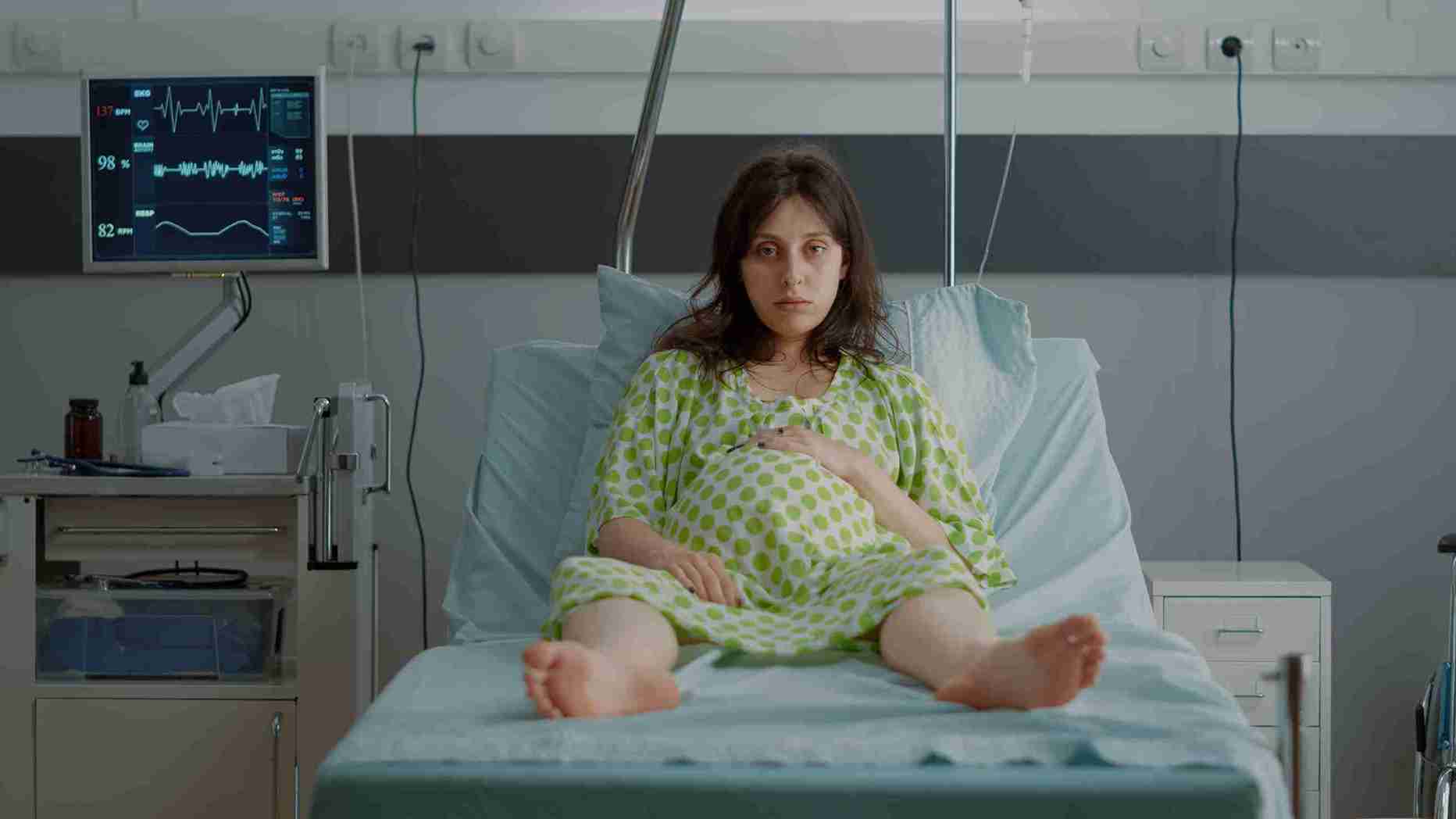
HELLP is an abbreviation for Hemolysis, Elevated Liver enzymes, and Low Platelet count.
● Hemolysis – the breakdown of red blood cells
● Elevated Liver enzymes – indicating liver damage
● Low Platelet count, which affects the blood’s ability to clot
HELLP syndrome is a more aggressive variant of preeclampsia, usually manifesting in the third trimester but occasionally occurring after delivery. It is clinically characterised by hemolysis (the destruction of red blood cells), elevated liver enzymes indicating liver dysfunction, and a low platelet count.
Though HELLP syndrome is closely associated with preeclampsia, they are not identical. Preeclampsia involves increased blood pressure and protein in the urine beyond the 20th week of gestation. Yet, HELLP syndrome can happen with or without these symptoms. Rather, it is a more severe and complex form that directly impairs liver function and disrupts blood components, requiring urgent medical attention.
HELLP syndrome symptoms may be subtle and, at times, are confused with other pregnancy complications. The typical symptoms are:
● Recurrent pain in the upper right abdomen
● Nausea and/or vomiting
● Headache
● Fatigue/malaise
● Blurred vision
● Swelling, especially in the hands and face
● Elevated blood pressure
Due to the fact that these symptoms may be confused with other conditions, urgent diagnostic studies are imperative for proper identification.
The reason why HELLP syndrome happens is not certain, but some factors put a woman at risk. They are:
● History of preeclampsia or HELLP syndrome
● High blood pressure in pregnancy
● Multiple births (twins or more)
● Maternal age of more than 35
● Obesity
● Autoimmune diseases
While HELLP syndrome may occur in any pregnant woman, these risk factors need to be closely monitored.
HELLP syndrome treatment is aimed at stabilising the mother while delivering the baby as early as is safely possible. Treatment consists of:
● Immediate baby delivery, often the only definitive cure
● Corticosteroids help protect the baby by making their lungs mature faster when early delivery is unavoidable.
● Magnesium sulfate to forestall seizures
● Blood transfusions if platelets are perilously low
● Antihypertensive drugs for blood pressure control
Early and intensive Hellp syndrome treatments can greatly enhance outcomes for both mother and child.
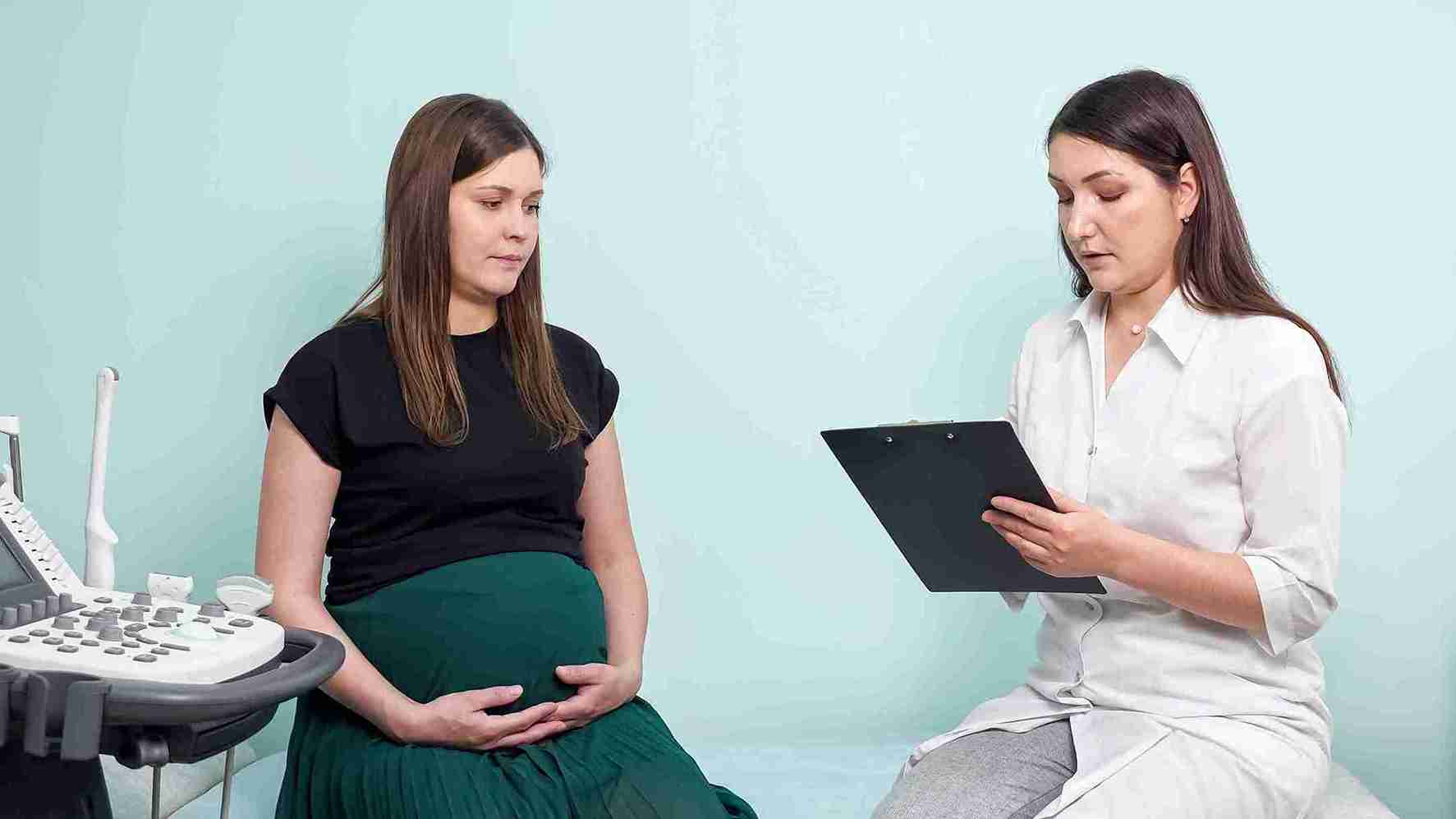
Effective HELLP syndrome management includes undertaking a multidisciplinary effort by obstetricians, maternal-fetal medicine specialists, and neonatologists. The most important objectives are:
● Continuous monitoring of platelet count and liver function
● Control of blood pressure
● Planning early delivery, usually through induction or cesarean section
● Post-delivery monitoring for complications such as rupture of the liver or kidney failure
Hospitals with neonatal intensive care and emergency maternal care units are ideal for the effective management of HELLP syndrome.
Left untreated, HELLP syndrome can result in dangerous complications, such as:
● Rupture or haemorrhage of the liver
● Kidney failure
● Placental abruption
● Disseminated intravascular coagulation (DIC)
● Stroke or seizures (eclampsia)
● Maternal and fetal mortality
The unpredictable progression of the condition necessitates early intervention.
Though HELLP syndrome cannot be prevented at all times, there are steps to decrease the risk:
● Early and frequent prenatal care to find symptoms of preeclampsia
● Monitoring blood pressure during pregnancy
● Control of chronic conditions such as hypertension or diabetes
● Pregnancy lifestyle, which includes a low-sodium diet, moderate regular exercise, and stress reduction
● Screening of women with a family history or personal history of HELLP syndrome or preeclampsia
Early detection of symptoms and prompt medical care are essential prevention strategies.
Most of the symptoms of HELLP syndrome resolve within a few days to weeks following delivery. Close follow-up is, however, required to ensure recovery, especially if the kidneys or liver were involved. Long-term complications are unusual but may involve persistent hypertension or liver abnormalities.
At Cloudnine Hospitals, we know the urgency and severity of handling high-risk pregnancy conditions such as HELLP syndrome. Our cutting-edge facilities have upgraded diagnostic equipment and NICUs to support both mother and child with thorough care. Our multidisciplinary team of obstetricians, critical care experts, and neonatologists provides customised care plans, instant intervention tactics, and postnatal care, making us the gold standard in maternal healthcare services.

HELLP syndrome is a severe and unpredictable complication that all pregnant women must know about. Although uncommon, its severity calls for immediate attention and specialist treatment. Awareness of the signs, dangers, and Hellp syndrome treatment approaches can ensure mother and child safety. With diligent prenatal care, lifestyle measures, and prompt Hellp syndrome treatments, results can be greatly enhanced.
If you or someone close to you is pregnant and suffering from some unusual symptoms, don't delay. Schedule a specialist consultation with Cloudnine today and take the very first step towards a healthy and safe pregnancy.

Most women return to normal, but follow-up assessment of liver and kidney function is usually recommended. Some women have residual hypertension or susceptibility to subsequent pregnancy complications.
Yes, if not diagnosed in a timely manner and treated, it may kill both mother and child. With appropriate hellp syndrome treatments, the outlook is much improved.
With improved medical management, more than 90% of mothers survive. The outcome for the fetus depends on the gestational age of delivery and the occurrence of other complications.
Yes, recurrence can occur, particularly in those with a past history of HELLP syndrome or preeclampsia. Routine prenatal care and early detection in future pregnancies are crucial.







 Best Gynecologists in Bellandur Best Gynecologists in Electronic City Best Gynecologists in HRBR LayoutBest Gynecologists in Jayanagar Best Gynecologists in Kanakapura RoadBest Gynecologists in Malleswaram Best Gynecologists in Nagarbhavi Best Gynecologists in Old Airport RoadBest Gynecologists in Sahakarnagar Best Gynecologists in Sarjapur RoadBest Gynecologists in ThanisandraBest Gynecologists in Varthur RoadBest Gynecologists in Whitefield Best Gynecologists in Industrial Area Phase IIBest Gynecologists in OMRBest Gynecologists in T NagarBest Gynecologists in New Industrial TownBest Gynecologists in IndirapuramBest Gynecologists in Golf Course RoadBest Gynecologists in Sector 14Best Gynecologists in Sector 47Best Gynecologists in Banjara HillsBest Gynecologists in GachibowliBest Gynecologists in Hitech CityBest Gynecologists in KompallyBest Gynecologists in Gomti NagarBest Gynecologists in MaladBest Gynecologists in NerulBest Gynecologists in VashiBest Gynecologists in Kailash ColonyBest Gynecologists in PatparganjBest Gynecologists in Punjabi BaghBest Gynecologists in VikaspuriBest Gynecologists in Gaur CityBest Gynecologists in Pari ChowkBest Gynecologists in Sector 51Best Gynecologists in Sector 5 Swastik ViharBest Gynecologists in Kalyani NagarBest Gynecologists in SB RoadBest Gynecologists in Pimple SaudagarBest Pediatricians in BellandurBest Pediatricians in Electronic CityBest Pediatricians in HRBR LayoutBest Pediatricians in JayanagarBest Pediatricians in Kanakapura RoadBest Pediatricians in MalleswaramBest Pediatricians in NagarbhaviBest Pediatricians in Old Airport RoadBest Pediatricians in SahakarnagarBest Pediatricians in Sarjapur RoadBest Pediatricians in ThanisandraBest Pediatricians in Varthur RoadBest Pediatricians in WhitefieldBest Pediatricians in Industrial Area Phase IIBest Pediatricians in OMRBest Pediatricians in T NagarBest Pediatricians in New Industrial TownshipBest Pediatricians in IndirapuramBest Pediatricians in Golf Course RoadBest Pediatricians in Sector 14Best Pediatricians in Sector 47Best Pediatricians in Hitech CityBest Pediatricians in Banjara HillsBest Pediatricians in GachibowliBest Pediatricians in KompallyBest Pediatricians in Gomti NagarBest Pediatricians in MaladBest Pediatricians in NerulBest Pediatricians in VashiBest Pediatricians in Kailash ColonyBest Pediatricians in PatparganjBest Pediatricians in Punjabi BaghBest Pediatricians in VikaspuriBest Pediatricians in Gaur CityBest Pediatricians in Pari ChowkBest Pediatricians in Sector 51Best Pediatricians in Sector 5 Swastik ViharBest Pediatricians in Kalyani NagarBest Pediatricians in SB RoadBest Pediatricians in Pimple Saudagar


