
Imagine your childhood days when you were a kid sitting on the front porch, your childhood photo album in hand, reminiscing about the good old days of absolute innocence. The days when you reckoned yourself to be a pioneer, inventor, adventurer, and more: all wrapped in one wonderful human being. All of us miss those days and sometimes couldn’t help but wish that we could turn back the hands of time and be young and happy again. Once we grow up, those childhood memories fade every day and vanish eventually. However, you may re-live those moments while spending some quality playtime with your child.
To Consult: The Best Pediatrician in Bangalore
Playing with your child is a great experience to have and it not only plays a crucial role in the life of your child and improves family bonds but also gives you some equilibrium. You will gain a lot of insight into the relationships of dads and kids and understand how to make the most of your relationship with your kid. This post is for all the fathers out there who are looking for innovative and fun ways to spend some quality playtime with their kids. Here are a few ideas that are sure to bring a broad smile on your child’s face. Try these with your little one to capture their amazement.
Depending on the age of your child, you can play card games, board games and a variety of kids’ whacky games. This way they get an opportunity to learn how to take turns, how to win, and also handle defeat. Laugh, praise, encourage, and motivate.

Outdoor playtime can include throwing balls, swings, hiking in the neighbour hood, making mud pies, or taking a backyard nature walk.
To Know More: About Top 5 short moral stories for Kids

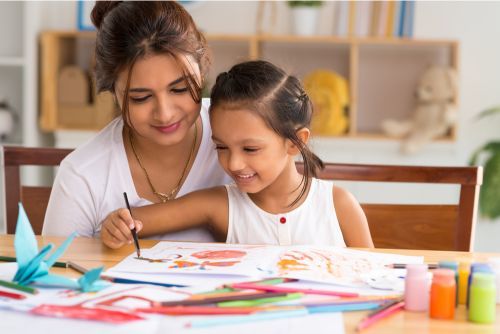
Find some sort of project that gives you a chance to work together towards one goal. Puzzles are a natural choice and you can also paint a picture, or bake some cookies.
Must Read: 7 Smart Ideas To Keep Your Kids Busy
Other good options include watching a movie together, listening to music, reading a book, and playing some traditional kid games such as hide and seek or snakes and ladder. In everything that you do, engage them in conversation, inquire their opinion, ask them for suggestions, explain, and discuss.

Whenever you take interest in what matters to your child and everything that makes them happy, you are sending a message that you are a supportive father and your kids have a companion to share their adventures with.
Must Read: Calling All Daddies-to-Be: This Is Your Time to Shine
Want to consult the Best Pediatricians in India? Please find the links below.

The 7-7-7 rule for parenting suggests spending 7 minutes of uninterrupted one-on-one time with your child in the morning, 7 minutes after school or work reconnecting, and 7 minutes before bedtime for bonding. This ensures consistent quality time daily, strengthening parent-child relationships and providing emotional security.
Spend quality playtime through various activities: play card games, board games, and kids' games to teach them about taking turns, winning, and handling defeat. Engage in outdoor play such as throwing balls, going on swings, hiking, making mud pies, or backyard nature walks. Work on projects together like puzzles, painting, or baking cookies. Enjoy leisure time by watching movies, listening to music, reading books, or playing traditional games like hide-and-seek. In everything you do, engage them in conversation, inquire their opinion, ask for suggestions, explain, and discuss to show you are a supportive parent and companion.
The concept suggests that 75% of the time you will ever spend with your children occurs before they turn 12. This emphasises the importance of maximising quality time during their early years, as opportunities diminish significantly as children grow older, become more independent, and eventually leave home.
The 9-minute rule suggests giving children 9 minutes of undivided attention when they need it most, such as after school, before bed, or during transitions. This focused time helps children feel heard, valued, and emotionally secure. It can prevent behavioural issues and strengthen the parent-child bond through consistent, quality interactions.







 Best Gynecologists in Bellandur Best Gynecologists in Electronic City Best Gynecologists in HRBR LayoutBest Gynecologists in Jayanagar Best Gynecologists in Kanakapura RoadBest Gynecologists in Malleswaram Best Gynecologists in Nagarbhavi Best Gynecologists in Old Airport RoadBest Gynecologists in Sahakarnagar Best Gynecologists in Sarjapur RoadBest Gynecologists in ThanisandraBest Gynecologists in Varthur RoadBest Gynecologists in Whitefield Best Gynecologists in Industrial Area Phase IIBest Gynecologists in OMRBest Gynecologists in T NagarBest Gynecologists in New Industrial TownBest Gynecologists in IndirapuramBest Gynecologists in Golf Course RoadBest Gynecologists in Sector 14Best Gynecologists in Sector 47Best Gynecologists in Banjara HillsBest Gynecologists in GachibowliBest Gynecologists in Hitech CityBest Gynecologists in KompallyBest Gynecologists in Gomti NagarBest Gynecologists in Phase 3, Sector 58Best Gynecologists in MaladBest Gynecologists in NerulBest Gynecologists in VashiBest Gynecologists in Kailash ColonyBest Gynecologists in PatparganjBest Gynecologists in Punjabi BaghBest Gynecologists in VikaspuriBest Gynecologists in Gaur CityBest Gynecologists in Pari ChowkBest Gynecologists in Sector 51Best Gynecologists in Sector 5 Swastik ViharBest Gynecologists in Kalyani NagarBest Gynecologists in SB RoadBest Gynecologists in Pimple SaudagarBest Pediatricians in BellandurBest Pediatricians in Electronic CityBest Pediatricians in HRBR LayoutBest Pediatricians in JayanagarBest Pediatricians in Kanakapura RoadBest Pediatricians in MalleswaramBest Pediatricians in NagarbhaviBest Pediatricians in Old Airport RoadBest Pediatricians in SahakarnagarBest Pediatricians in Sarjapur RoadBest Pediatricians in ThanisandraBest Pediatricians in Varthur RoadBest Pediatricians in WhitefieldBest Pediatricians in Industrial Area Phase IIBest Pediatricians in OMRBest Pediatricians in T NagarBest Pediatricians in New Industrial TownshipBest Pediatricians in IndirapuramBest Pediatricians in Golf Course RoadBest Pediatricians in Sector 14Best Pediatricians in Sector 47Best Pediatricians in Hitech CityBest Pediatricians in Banjara HillsBest Pediatricians in GachibowliBest Pediatricians in KompallyBest Pediatricians in Gomti NagarBest Pediatricians in Phase 3, Sector 58Best Pediatricians in MaladBest Pediatricians in NerulBest Pediatricians in VashiBest Pediatricians in Kailash ColonyBest Pediatricians in PatparganjBest Pediatricians in Punjabi BaghBest Pediatricians in VikaspuriBest Pediatricians in Gaur CityBest Pediatricians in Pari ChowkBest Pediatricians in Sector 51Best Pediatricians in Sector 5 Swastik ViharBest Pediatricians in Kalyani NagarBest Pediatricians in SB RoadBest Pediatricians in Pimple Saudagar


