
PCOD, elaborated as Polycystic Ovarian Disease, is a hormonal condition that affects a woman’s menstruation, fertility, as well as her overall health. PCOD develops during the reproductive years. It can initially appear during adolescence or in her early twenties. Many women live with PCOD for years before receiving a diagnosis, since its symptoms can easily be mistaken for those of normal menstruation. Most people confuse PCOD with PCOS (Polycystic Ovary Syndrome), which is a related but is a different condition. It is important to understand what PCOD is for proper diagnosis and care.
PCOD has been on the rise in recent decades. It is estimated that nearly 20% of all Indian women live with PCOD, making it one of the most common hormonal conditions affecting women today.

In 2026, a new term was coined - PMOS (Polyendocrine Metabolic Ovarian Syndrome) by global medical associations. This change was required as PCOS/PCOD focused only on ovarian cysts. In reality, the condition is about multiple hormone systems, metabolism, and overall health. PMOS is now the globally accepted medical term; still, PCOD continues to be the more commonly used term in India. This is still a fairly new update, so many Indian doctors and patients will keep using PCOD and PCOS for some time. This section is for general awareness only and does not change how PCOD is diagnosed or treated in India today.
Polycystic Ovarian Disease (PCOD) is a medical condition that affects women. If you have PCOD, the ovaries generate partially mature or immature eggs in large numbers during your reproductive years. These immature follicles accumulate in the ovaries because ovulation does not occur regularly, giving the ovaries a characteristic polycystic appearance. The ovaries may produce higher-than-normal levels of androgens (male hormones), which can contribute to irregular periods, acne, excess hair growth, and ovulation problems.
At the centre of PCOD is a hormonal imbalance. The ovaries produce higher-than-normal levels of androgens, the hormones that are usually present in small amounts in women. This excess disturbs the normal cycle of egg release and affects several parts of the body at once:
Because these hormones affect more than just the reproductive system, PCOD is now understood as a whole-body condition rather than just an ovary problem.
The exact cause of PCOS is now known, but as per experts, it develops from a combination of genetic, hormonal, lifestyle, and environmental factors, and not any one single reason.
PCOD can be genetic. If your mother or sister has it, you are at risk of developing it.
PCOD is directly linked to higher levels of the male hormone androgen, which a woman’s body produces in small quantities. When this rises too high, it can interfere with ovulation and also trigger many PCOD symptoms.
Insulin resistance is very common in women who have PCOD. When the body does not respond to insulin, it starts producing more to compensate. The excess insulin can trigger the ovaries to produce more androgens, which in turn impacts ovulation.
If a woman’s body has mild, ongoing inflammation in the body, it can also increase androgen levels.

A sedentary lifestyle, being overweight or obese, and eating an unhealthy diet on a consistent basis can lead to PCOD. Stress can also disrupt hormone regulation over a period of time.
Exposure to certain chemicals can also be a reason for PCOD, as per some studies. Still, this has not been firmly established.
Symptoms of PCOD occur mainly because of the underlying hormonal imbalance, and they can look quite different from one woman to another. Some women have mild PCOD symptoms, while others experience several symptoms together. Recognising the early symptoms of PCOD in females can help with faster diagnosis and better management.
Your periods may have a higher interval of 35 days or more, or sometimes even stop for a few months.
Your periods can be unusually heavy or last longer.
Irregular ovulation makes it difficult to conceive without medical support.
High androgen levels which can lead to hair growth on the face, chest, or back.
Due to hormonal changes, you may see jawline and chin acne.
You may notice scalp hair thinning out, more noticeable near the crown.
You may notice weight gain around the belly that does not go away with diet changes or regular exercise.
Some velvety, dark patches may be seen on the neck, underarms, or skin folds. It is linked to insulin resistance.
Small, soft skin growths can develop, usually in areas of friction like the neck or underarms.
Some, though not all, women with PCOD will have visible follicles or cysts on an ultrasound scan.

There is no single test that can confirm that you have PCOD. Your doctors are likely to diagnose based on observations.
Your doctor will initially ask you about how regular your menstrual cycle is, its frequency, and its flow. They may also ask if you are experiencing any sudden weight changes, have acne, excessive facial hair, or thinning scalp hair. They may also ask if you are having any fertility issues. A family history of PCOD, diabetes, and any other hormonal disorders needs to be revealed at this time. This conversation will give your doctor all the inputs needed to diagnose whether you have PCOD or not.
A physical examination is required to measure your BMI based on your weight and to check for any visible symptoms of excess androgen in your body. Your doctor may also look for any changes in the skin, which can indicate insulin resistance.
A pelvic examination may be done to check the ovaries and reproductive organs, especially when there is a clinical observation indicating PCOD.
Blood tests that help confirm PCOD:
AA pelvic ultrasound is used to examine the ovaries, their size, the presence of any small cysts, the thickness of the uterine lining, etc.
PCOD is not just confirmed and treated in a single visit. Regular follow-ups and monitoring are required to note how your symptoms are changing, track hormonal and metabolic health, and adjust your treatment plan accordingly.

There is no one-size-fits-all approach to treating PCOD. The treatment needs to be based on the specific symptoms that you have. Most successful treatment plans are a combination of medical management and lifestyle changes. You will notice the changes with the right mix, which can be concluded only over time.
Lifestyle modifications are the first suggestion for PCOD and it can improve your symptoms drastically.
Based on your symptoms, your doctor may recommend:
Ovulation induction or Assisted Reproductive Techniques (ART) like IUI or IVF may be recommended by your doctor to help with fertility.
Surgery is only for extreme cases. Laparoscopic Ovarian Drilling (LOD) may be suggested for women who do not respond to medications and still have ovulation problems.
PCOD is linked to your overall metabolic health. Hence, resolving any obesity or weight management issues, diabetes or prediabetes, high cholesterol, hypertension, and other metabolic complications can help manage PCOD.
PCOD does not go away with one medication or a single visit to the doctor. You need to have your routine consultations with a gynecologist. Consistent monitoring of your menstrual health, metabolic parameters, and treatment response can help you make adjustments and modify treatment plans as needed.
Medications for PCOD should be advised by your gynaecologist or endocrinologist based on your symptoms, how severe it is, and also your pregnancy goals.
Hormonal medications like oral contraceptive pills or progesterone therapy may be prescribed to regulate your menstrual cycles, reduce androgen levels and also lower the risk of endometrial complications.
Insulin-sensitising medications may be prescribed to improve insulin sensitivity, thereby regulating your menstrual cycle and also supporting ovulation.
Ovulation induction medications are prescribed if you are trying to conceive. Fertility treatment is suggested only if you are looking to conceive.
Anti-androgen medications or some hormonal treatments may be suggested as they can help manage symptoms due to excess androgen in your body.
Weight-loss medications may be considered along with lifestyle modifications based on your overall health.
Medical treatment plans need to be reviewed on a regular basis, as the treatment options may change based on your symptoms at a particular time.

Diet plays an important role in managing PCOD symptoms as it can help improve insulin resistance, support hormonal balance, maintain a healthy weight, and reduce the risk of long-term complications.
A good diet for women with PCOD should include:
Be conscious not to include:
Refined carbohydrates like white bread, white rice, pastries, and refined flour can spike your blood sugar levels.
Sugary foods and beverages like soft drinks, packaged fruit juices, cakes, etc., have excessive sugar content in them, which can worsen insulin resistance and increase your weight.
Processed and packaged foods like chips, instant noodles, processed snacks or meat, and ready-to-eat meals are often high in unhealthy fats, sodium, and preservatives.
Highly saturated and trans-fat foods like fried items, fast food, and bakery items increase inflammation and have a negative impact on heart health.
Highly processed meats like sausages, salami, bacon, etc., should be consumed in moderation or best avoided.
Excess caffeine and alcohol may cause hormonal imbalance and impact the overall health of women.
Regular exercise is an important part of PCOD management. It helps improve insulin sensitivity, regulates menstrual cycles, helps manage your weight, and also improves your overall health. Here are some exercises that are good to do if you have PCOD:
Exercises cannot be a one-time or random effort. It is important to stay consistent. You can combine cardio with strength training or yoga and ensure that you perform these for at least 150 minutes per week, split across 5-6 days.
The best exercise plan depends on your individual fitness levels and health goals. Remember that what works for a friend or relative may not necessarily work for you.

If PCOD is left unattended, it can push your body in a different direction by affecting your reproductive health, metabolism, cardiovascular system, and also your emotional health. Here are some health complications of PCOD:
Irregular or missing ovulation can induce pregnancy-related complications. Timely treatments and fertility support where needed can help women achieve a healthy pregnancy.
As PCOD is linked to insulin resistance, it can affect how your body processes sugar and thereby your overall metabolism. Prediabetes, type 2 diabetes, obesity, and metabolic syndrome are possible complications.
When PCOD is not managed well, it may increase the risk of high blood pressure, abnormal cholesterol levels, and heart disease.
Infrequent or absent periods can build up the uterine lining and increase the risk of endometrial hyperplasia, or even endometrial cancer in rare cases.
PCOD causes hormonal changes along with physical changes such as acne, excess facial hair growth, and increased body weight. This can impact your mental and emotional health, leading to anxiety, depression, stress, and even reduced self-esteem.
Acne, oily skin, excess facial or body hair, and scalp hair thinning may continue if PCOD’s hormonal imbalance continues.
PCOD leads to weight gain and obesity. Women with obesity are at a higher risk of experiencing sleep apnea or poor sleep quality.
Most of the PCOD complications can be managed or even prevented when the diagnosis is made at an early stage. Lifestyle modifications and appropriate medical treatment can help keep the symptoms under control.
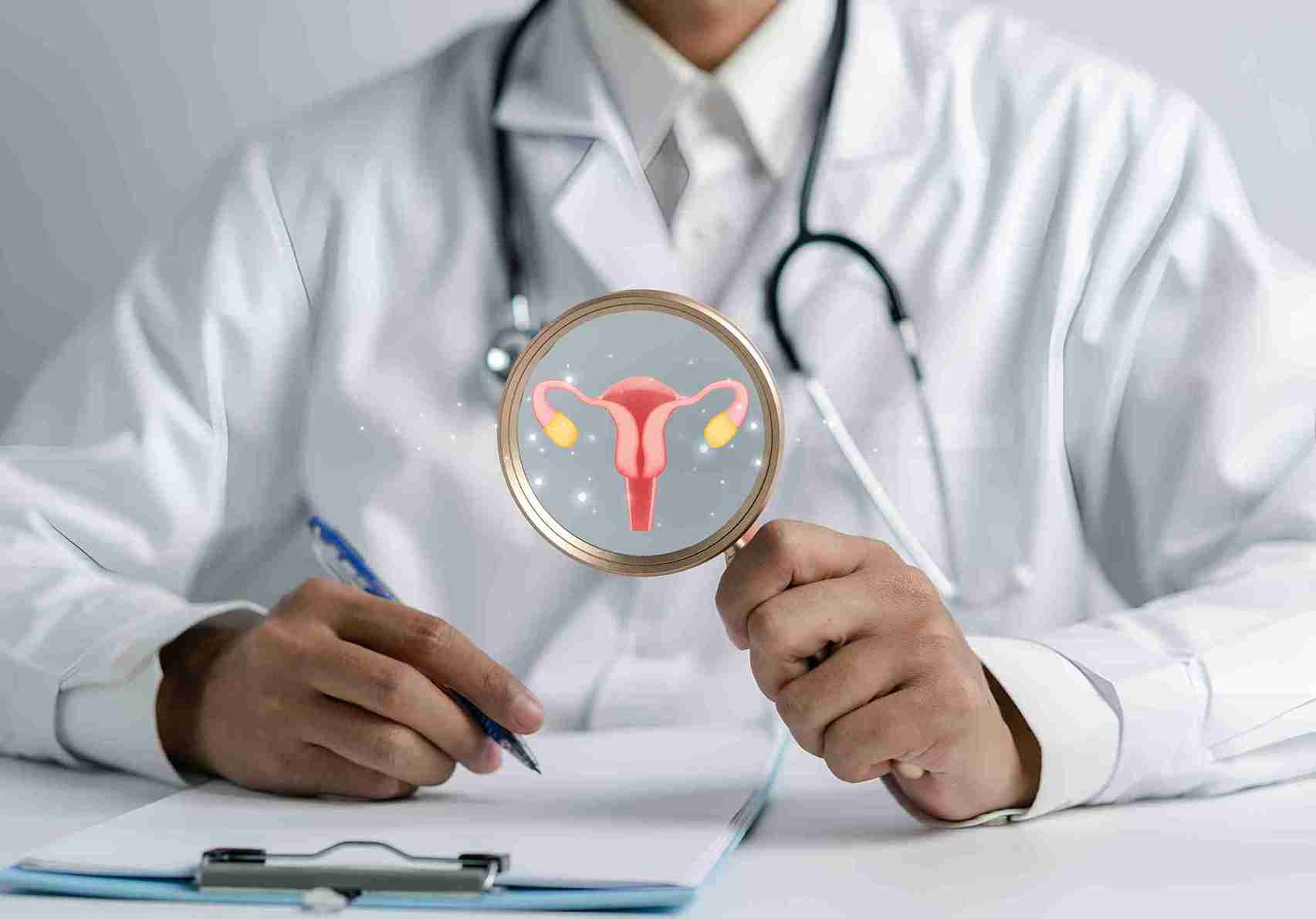
The first consultation for PCOD typically helps the doctor understand your symptoms and map them with your medical history and overall health to make a customised treatment plan for you.
Step 1: Discussion of medical history, where the doctor may ask you about menstrual cycles, symptoms, family history, lifestyle, and pregnancy plans.
Step 2: Physical examination where the doctor assesses your weight/BMI, blood pressure, and signs of hormonal imbalance.
Step 3: Diagnostic tests like a blood test, ultrasound, or additional tests are recommended based on Steps 1 and 2.
Step 4: The doctor will formulate your Personalised Treatment Plan
Step 5: Regular follow-ups are recommended as the symptoms will need monitoring and treatment plans adjusted accordingly.
PCOD is a manageable condition when it is diagnosed on time, you make the necessary lifestyle changes, and undertake the recommended treatments. Unfortunately, it is not a condition that will resolve on its own. If you have any symptoms that don't seem to go away, consult a gynaecologist immediately. Early intervention is the right way to realise your pregnancy dreams and improve your overall health.

Want to consult the best gynecologists in India? Please find the links below.
Want to consult the best Maternity Packages in India? Please find the links below.

Bilateral PCOD is a condition in which both ovaries have multiple, fluid-filled follicles inside them, which is detected by an ultrasound. It is a very common hormonal condition in women in which the eggs do not mature fully or are not released regularly.
No, IVF is never the first step for PCOD. Initially, simple lifestyle modifications, diet, and physical activity are recommended. If none of this works, oral ovulation medications are given. IVF is suggested only if all other treatment options are exhausted or if you have any other fertility issues.
PCOD can occur at any reproductive age, even when you start puberty. It can start as early as age 11 or 13, but most of the symptoms are ignored. In most cases, it is diagnosed in the late teens or early twenties when the symptoms become more prominent.
Yes, PCOD impacts the menstrual cycle and only in rare cases stops it. Most girls or women experience delayed, irregular, or skipped periods. It is possible to have perfectly regular periods also with PCOD.







 Best Gynecologists in Bellandur Best Gynecologists in Electronic City Best Gynecologists in HRBR LayoutBest Gynecologists in Jayanagar Best Gynecologists in Kanakapura RoadBest Gynecologists in Malleswaram Best Gynecologists in Nagarbhavi Best Gynecologists in Old Airport RoadBest Gynecologists in Sahakarnagar Best Gynecologists in Sarjapur RoadBest Gynecologists in ThanisandraBest Gynecologists in Varthur RoadBest Gynecologists in Whitefield Best Gynecologists in Industrial Area Phase IIBest Gynecologists in OMRBest Gynecologists in T NagarBest Gynecologists in New Industrial TownBest Gynecologists in IndirapuramBest Gynecologists in Golf Course RoadBest Gynecologists in Sector 14Best Gynecologists in Sector 47Best Gynecologists in Banjara HillsBest Gynecologists in GachibowliBest Gynecologists in Hitech CityBest Gynecologists in KompallyBest Gynecologists in Gomti NagarBest Gynecologists in Phase 3, Sector 58Best Gynecologists in MaladBest Gynecologists in NerulBest Gynecologists in VashiBest Gynecologists in Kailash ColonyBest Gynecologists in PatparganjBest Gynecologists in Punjabi BaghBest Gynecologists in VikaspuriBest Gynecologists in Gaur CityBest Gynecologists in Pari ChowkBest Gynecologists in Sector 51Best Gynecologists in Sector 5 Swastik ViharBest Gynecologists in Kalyani NagarBest Gynecologists in SB RoadBest Gynecologists in Pimple SaudagarBest Pediatricians in BellandurBest Pediatricians in Electronic CityBest Pediatricians in HRBR LayoutBest Pediatricians in JayanagarBest Pediatricians in Kanakapura RoadBest Pediatricians in MalleswaramBest Pediatricians in NagarbhaviBest Pediatricians in Old Airport RoadBest Pediatricians in SahakarnagarBest Pediatricians in Sarjapur RoadBest Pediatricians in ThanisandraBest Pediatricians in Varthur RoadBest Pediatricians in WhitefieldBest Pediatricians in Industrial Area Phase IIBest Pediatricians in OMRBest Pediatricians in T NagarBest Pediatricians in New Industrial TownshipBest Pediatricians in IndirapuramBest Pediatricians in Golf Course RoadBest Pediatricians in Sector 14Best Pediatricians in Sector 47Best Pediatricians in Hitech CityBest Pediatricians in Banjara HillsBest Pediatricians in GachibowliBest Pediatricians in KompallyBest Pediatricians in Gomti NagarBest Pediatricians in Phase 3, Sector 58Best Pediatricians in MaladBest Pediatricians in NerulBest Pediatricians in VashiBest Pediatricians in Kailash ColonyBest Pediatricians in PatparganjBest Pediatricians in Punjabi BaghBest Pediatricians in VikaspuriBest Pediatricians in Gaur CityBest Pediatricians in Pari ChowkBest Pediatricians in Sector 51Best Pediatricians in Sector 5 Swastik ViharBest Pediatricians in Kalyani NagarBest Pediatricians in SB RoadBest Pediatricians in Pimple Saudagar


