
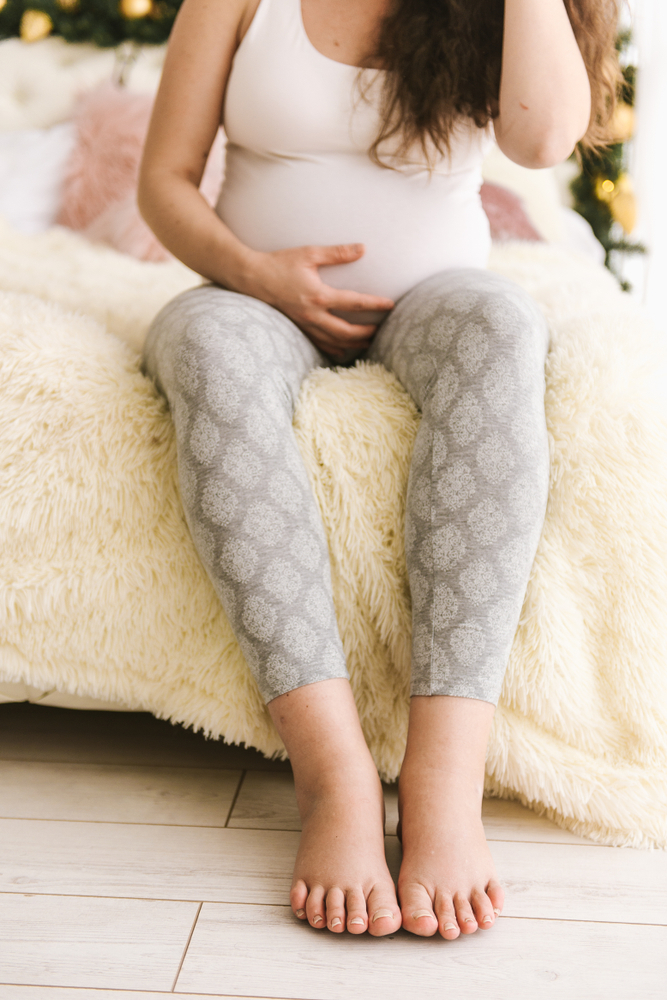
Pregnancy is a beautiful gift for a woman. It is the time your baby grows inside your body which brings about a lot of hormonal and physical changes to your body. During pregnancy, you might notice swelling in your ankles and feet. Not only is your belly swelling during pregnancy, but there is also swelling all over the body, especially your feet.
Causes for Edema
Swelling or edema of your feet and ankles during pregnancy may occur due to the body fluid you are holding which is higher than normal during pregnancy. There is increased blood flow for nurturing you and your growing baby and pressure is created by your growing uterus on the pelvic veins and your vena cava (the large vein that returns blood from your lower limbs to your heart). This causes an increase in body fluid which gets accumulated in the dependent tissues thus causing edema of your feet and ankles.
Do you want to know the "Estimated date of when your baby is due?" Check out Cloudnine's Pregnancy Due Date Calculator now!

When does swelling occur?
Edema starts to occur around week 22 to week 27 of your pregnancy and remains till the time you deliver your baby. More than 75percent of pregnant women experience edema of feet and ankles.
The swelling tends to get worse as a woman's due date comes near, particularly near the end of the day and during hotter weather.
How to avoid swelling
Mild swelling or edema is normal during pregnancy and can be avoided and you can make yourself comfortable by trying the following steps. –

Sudden swelling in the face or hands may be a sign of a condition known as Pre-eclampsia which is a disorder of pregnancy characterized by the onset of high blood pressure and often a significant amount of protein in the urine and is seen after 20 weeks of pregnancy. In such a case it is advisable to consult your gynecologist.
Want to consult the best gynecologists in India? Please find the links below.
Want to consult the best Maternity Packages in India? Please find the links below.

Yes. Cold water can help with swelling in pregnancy. Cold water is used to provide quick relief and to ease inflammation. The cool temperature constricts blood vessels, dulls the discomfort and reduces swelling. Soak your feet in cold water for 10-15 minutes or use an ice compress for noticeable relief.
Yes. Eating bananas can help with pregnancy swelling. Sodium and potassium should be in balance. Oedema occurs when there is more sodium than potassium in the bloodstream. That is why consuming foods rich in potassium, such as bananas, lettuce, papayas, figs and oranges, helps with pregnancy swelling.
Odema starts to occur around the fifth month of pregnancy, or around 22-27 weeks of pregnancy. This continues until childbirth and tends to worsen as the due date nears. Most women experience swelling in their ankles and feet, especially at the end of the day and in hotter weather.
To prevent swelling during pregnancy, avoid chips, frozen dinners, packaged snacks, canned soups and adding extra salt to meals. Also, add refined carbohydrates and sugary foods like white bread, white pasta, pastries, baked goods, sugary drinks and cereals with high sodium and sugar. Limit caffeine as it causes water retention.







 Best Gynecologists in Bellandur Best Gynecologists in Electronic City Best Gynecologists in HRBR LayoutBest Gynecologists in Jayanagar Best Gynecologists in Kanakapura RoadBest Gynecologists in Malleswaram Best Gynecologists in Nagarbhavi Best Gynecologists in Old Airport RoadBest Gynecologists in Sahakarnagar Best Gynecologists in Sarjapur RoadBest Gynecologists in ThanisandraBest Gynecologists in Varthur RoadBest Gynecologists in Whitefield Best Gynecologists in Industrial Area Phase IIBest Gynecologists in OMRBest Gynecologists in T NagarBest Gynecologists in New Industrial TownBest Gynecologists in IndirapuramBest Gynecologists in Golf Course RoadBest Gynecologists in Sector 14Best Gynecologists in Sector 47Best Gynecologists in Banjara HillsBest Gynecologists in GachibowliBest Gynecologists in Hitech CityBest Gynecologists in KompallyBest Gynecologists in Jawahar NagarBest Gynecologists in Gomti NagarBest Gynecologists in Phase 3, Sector 58Best Gynecologists in MaladBest Gynecologists in NerulBest Gynecologists in VashiBest Gynecologists in Kailash ColonyBest Gynecologists in PatparganjBest Gynecologists in Punjabi BaghBest Gynecologists in RohiniBest Gynecologists in VikaspuriBest Gynecologists in Gaur CityBest Gynecologists in Pari ChowkBest Gynecologists in Sector 51Best Gynecologists in Sector 5 Swastik ViharBest Gynecologists in Kalyani NagarBest Gynecologists in SB RoadBest Gynecologists in Pimple SaudagarBest Pediatricians in BellandurBest Pediatricians in Electronic CityBest Pediatricians in HRBR LayoutBest Pediatricians in JayanagarBest Pediatricians in Kanakapura RoadBest Pediatricians in MalleswaramBest Pediatricians in NagarbhaviBest Pediatricians in Old Airport RoadBest Pediatricians in SahakarnagarBest Pediatricians in Sarjapur RoadBest Pediatricians in ThanisandraBest Pediatricians in Varthur RoadBest Pediatricians in WhitefieldBest Pediatricians in Industrial Area Phase IIBest Pediatricians in OMRBest Pediatricians in T NagarBest Pediatricians in New Industrial TownshipBest Pediatricians in IndirapuramBest Pediatricians in Golf Course RoadBest Pediatricians in Sector 14Best Pediatricians in Sector 47Best Pediatricians in Hitech CityBest Pediatricians in Banjara HillsBest Pediatricians in GachibowliBest Pediatricians in KompallyBest Pediatricians in Jawahar NagarBest Pediatricians in Gomti NagarBest Pediatricians in Phase 3, Sector 58Best Pediatricians in MaladBest Pediatricians in NerulBest Pediatricians in VashiBest Pediatricians in Kailash ColonyBest Pediatricians in PatparganjBest Pediatricians in Punjabi BaghBest Pediatricians in RohiniBest Pediatricians in VikaspuriBest Pediatricians in Gaur CityBest Pediatricians in Pari ChowkBest Pediatricians in Sector 51Best Pediatricians in Sector 5 Swastik ViharBest Pediatricians in Kalyani NagarBest Pediatricians in SB RoadBest Pediatricians in Pimple Saudagar


