
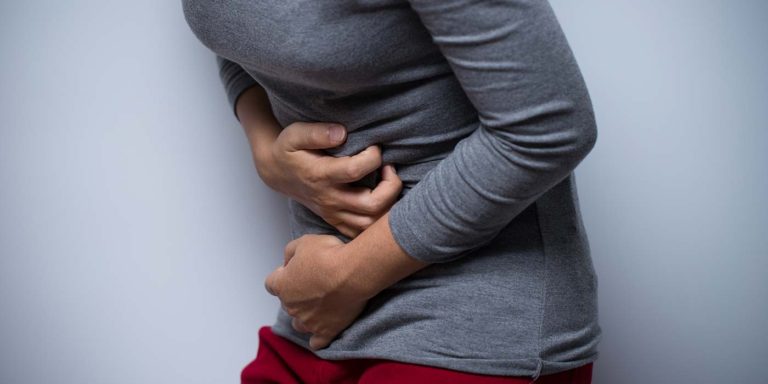
There might be instances when women face lower abdomen pain and might even face a burning or painful sensation while attending to their nature’s call. There might be discomfort during intercourse as well. This issue may arise due to their bladder, situated on the muscle and tissue inside the abdomen. This painful occurrence may persist due to gynaecology problems and hence may even need a prolapse surgery.
Visit the best gynaecologist near me.At times the tissue walls weaken due to which the bladder breaks through and intrudes into the vagina. This is known as bladder prolapse which is although a common occurrence but needs to be taken proper care of. However, this situation is treatable.
In mild situations, people could be left unaware. However, there are symptoms through which a person may understand the condition
Cystocele is a condition that affects the tube that carries urine from the bladder outside the body. It’s called the urethra, and it also can break through its support and into the vagina. When that happens, it’s called urethrocele. It is not unusual for it and cystocele to occur at the same time.
Discomfort in the lower abdomen and private parts
Mild pain and discomfort
Less pain, energy level shall rise to some extent
Pain should subside completely, strength should be regained
If there has been no postoperative complication the body should have healed completely to perform everyday activities a usual Proper diet, good exercise and healthy & peaceful living is the key to recovery.
Also, it’s recommended to drink a good amount of water in order to detoxify and increase the process of recovery for the body.
Want to consult the best gynecologists in India? Please find the links below.
Want to consult the best Maternity Packages in India? Please find the links below.

Typically, it takes about four weeks to recover from a prolapse surgery. For the first one to two days, there may be discomfort in your private parts and lower abdomen. In about a week or two, the pain will subside, and your energy levels will increase. By the end of 3 weeks, you should have no pain and have regained strength. By 4 weeks, if there are no surgical complications, you should have completely healed and be able to perform everyday activities.
You can take short, frequent walks the same day as your surgery, but with assistance. After you are discharged from the hospital, you can start with a short walk around the house and gradually increase your time every day. However, you should avoid lifting heavy objects, strenuous activities and high-impact exercises for at least six weeks.
Yes. Prolapse repair is a major surgery as it involves general anaesthesia, repair or removal of the uterus or vaginal support structures, an overnight hospital stay, and a recovery period of many weeks where strenuous activities should be avoided. Additionally, there can be surgical complications like infection and bleeding, which make it a major surgery.
A prolapse surgery is safe, but as in any surgical procedure, there are potential complications and risks, which include bleeding, infection, adjacent organ or tissue injury, hernia, urinary incontinence, urinary retention and vesicovaginal fistula. It is essential to get the procedure done by an experienced professional to avoid risks and complications.







 Best Gynecologists in Bellandur Best Gynecologists in Electronic City Best Gynecologists in HRBR LayoutBest Gynecologists in Jayanagar Best Gynecologists in Kanakapura RoadBest Gynecologists in Malleswaram Best Gynecologists in Nagarbhavi Best Gynecologists in Old Airport RoadBest Gynecologists in Sahakarnagar Best Gynecologists in Sarjapur RoadBest Gynecologists in ThanisandraBest Gynecologists in Varthur RoadBest Gynecologists in Whitefield Best Gynecologists in Industrial Area Phase IIBest Gynecologists in OMRBest Gynecologists in T NagarBest Gynecologists in New Industrial TownBest Gynecologists in IndirapuramBest Gynecologists in Golf Course RoadBest Gynecologists in Sector 14Best Gynecologists in Sector 47Best Gynecologists in Banjara HillsBest Gynecologists in GachibowliBest Gynecologists in Hitech CityBest Gynecologists in KompallyBest Gynecologists in Jawahar NagarBest Gynecologists in Gomti NagarBest Gynecologists in Phase 3, Sector 58Best Gynecologists in MaladBest Gynecologists in NerulBest Gynecologists in VashiBest Gynecologists in Kailash ColonyBest Gynecologists in PatparganjBest Gynecologists in Punjabi BaghBest Gynecologists in RohiniBest Gynecologists in VikaspuriBest Gynecologists in Gaur CityBest Gynecologists in Pari ChowkBest Gynecologists in Sector 51Best Gynecologists in Sector 5 Swastik ViharBest Gynecologists in Kalyani NagarBest Gynecologists in SB RoadBest Gynecologists in Pimple SaudagarBest Pediatricians in BellandurBest Pediatricians in Electronic CityBest Pediatricians in HRBR LayoutBest Pediatricians in JayanagarBest Pediatricians in Kanakapura RoadBest Pediatricians in MalleswaramBest Pediatricians in NagarbhaviBest Pediatricians in Old Airport RoadBest Pediatricians in SahakarnagarBest Pediatricians in Sarjapur RoadBest Pediatricians in ThanisandraBest Pediatricians in Varthur RoadBest Pediatricians in WhitefieldBest Pediatricians in Industrial Area Phase IIBest Pediatricians in OMRBest Pediatricians in T NagarBest Pediatricians in New Industrial TownshipBest Pediatricians in IndirapuramBest Pediatricians in Golf Course RoadBest Pediatricians in Sector 14Best Pediatricians in Sector 47Best Pediatricians in Hitech CityBest Pediatricians in Banjara HillsBest Pediatricians in GachibowliBest Pediatricians in KompallyBest Pediatricians in Jawahar NagarBest Pediatricians in Gomti NagarBest Pediatricians in Phase 3, Sector 58Best Pediatricians in MaladBest Pediatricians in NerulBest Pediatricians in VashiBest Pediatricians in Kailash ColonyBest Pediatricians in PatparganjBest Pediatricians in Punjabi BaghBest Pediatricians in RohiniBest Pediatricians in VikaspuriBest Pediatricians in Gaur CityBest Pediatricians in Pari ChowkBest Pediatricians in Sector 51Best Pediatricians in Sector 5 Swastik ViharBest Pediatricians in Kalyani NagarBest Pediatricians in SB RoadBest Pediatricians in Pimple Saudagar


