
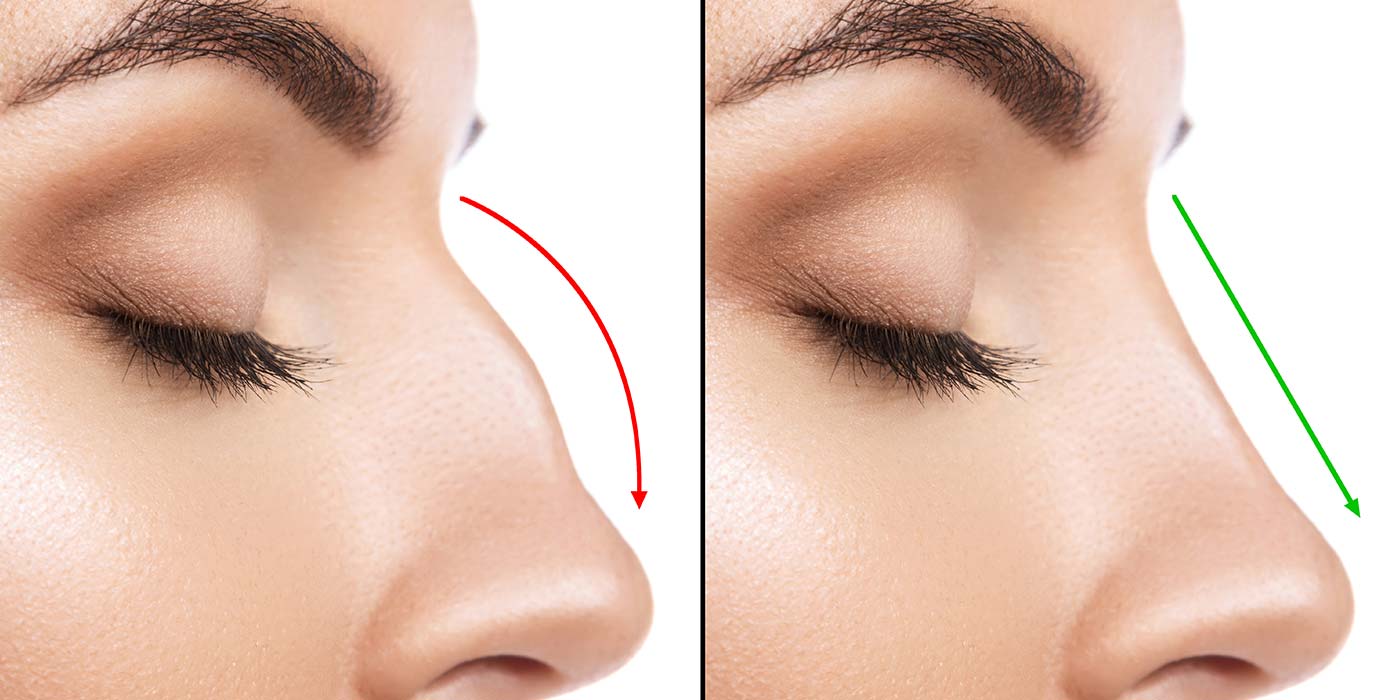
Cosmetic and plastic surgery is on the rise with about 17.5 million procedures (globally) both surgical and minimally invasive just in 2017. But unlike the misconception, not all plastic surgeries are done to plump up those lips or sharpen those jawlines. Some plastic surgery is for more than this! Like the rhinoplasty surgery or as people like to call it the “nose job.”
Rhinoplasty surgery is a form of plastic surgery done on the nose to change its shape and enhance/improve its function. It is done for aesthetic and medical reasons. Few medical reasons are- to correct breathing problems caused due to a deviated septum, nasal hump or other nose disfigurement resulting from injury, trauma or congenital disabilities.
Types of rhinoplasty include:
Rhinoplasty surgery is done on an outpatient basis. It starts with your surgeon going through your overall health and discussing the risks, recovery time, and costs involved. Once this is agreed on, you and your cosmetic surgeon will have to sit together and decide the technique for reshaping the nose. After this, the date, time and venue is fixed.
On the day of the surgery, you will get general or local anaesthesia so that you don’t feel the pain during the surgery since it will sedate and numb your nose. Then the surgeon makes cuts within the nostrils or across the base of the nose and reshapes the inner bone and cartilage according to you (the patient’s) needs.
Like any other surgery rhinoplasty surgery to has certain risks. These include:
Generally, rhinoplasty surgery is a very simple procedure and has no major risks involved. If rhinoplasty surgery is in your mind, then you should first start with looking for a good, experienced, and professional surgeon who will walk you through the entire procedure from start to finish and help you understand the risks and how to recover after the surgery.
Recovery is a very important part of the surgery. The patient is usually given a nasal splint to wear for a first week after the surgery. Do not panic about the swelling and bruising around the eyes and nose since it will take about two weeks to improve; some may even take about six months. You will only be able to see the result only after it has completely healed.
When you are healing from the surgery, you should avoid any strenuous activity for three to six weeks (after surgery). If you experience any discomfort even after six months of the operation, then we suggest you consult with a healthcare specialist at the earliest.

Rhinoplasty might be a good option if you are unhappy with the shape or size of your nose, or if breathing is difficult due to a deviated septum, injury, or congenital conditions. A consultation with an experienced surgeon helps decide if surgery is appropriate.
The decision to get a "nose job" done is actually a personal one. Many people think about whether their nose shape makes it hard to breathe or causes body image issues. It is best to wait until you have finished growing and are in good health. Having an honest conversation with a qualified surgeon can help you learn about the benefits, risks, recovery process, and whether surgery is the best choice for you.
Rhinoplasty is a surgical procedure. The operation may modify the bone, cartilage, or soft tissues of the nose to improve appearance, breathing, or both. It will be performed under local or general anaesthesia by a trained plastic or ENT surgeon.
Rhinoplasty is not completely risk-free. As with any surgery, there are possible risks like bleeding, infection, swelling, scarring, or reactions to anaesthesia. However, serious complications are rare when an experienced surgeon performs the procedure. Complications are also unlikely if you are evaluated and follow post-surgery care instructions.







 Best Gynecologists in Bellandur Best Gynecologists in Electronic City Best Gynecologists in HRBR LayoutBest Gynecologists in Jayanagar Best Gynecologists in Kanakapura RoadBest Gynecologists in Malleswaram Best Gynecologists in Nagarbhavi Best Gynecologists in Old Airport RoadBest Gynecologists in Sahakarnagar Best Gynecologists in Sarjapur RoadBest Gynecologists in ThanisandraBest Gynecologists in Varthur RoadBest Gynecologists in Whitefield Best Gynecologists in Industrial Area Phase IIBest Gynecologists in OMRBest Gynecologists in T NagarBest Gynecologists in New Industrial TownBest Gynecologists in IndirapuramBest Gynecologists in Golf Course RoadBest Gynecologists in Sector 14Best Gynecologists in Sector 47Best Gynecologists in Banjara HillsBest Gynecologists in GachibowliBest Gynecologists in Hitech CityBest Gynecologists in KompallyBest Gynecologists in Jawahar NagarBest Gynecologists in Gomti NagarBest Gynecologists in Phase 3, Sector 58Best Gynecologists in MaladBest Gynecologists in NerulBest Gynecologists in VashiBest Gynecologists in Kailash ColonyBest Gynecologists in PatparganjBest Gynecologists in Punjabi BaghBest Gynecologists in RohiniBest Gynecologists in VikaspuriBest Gynecologists in Gaur CityBest Gynecologists in Pari ChowkBest Gynecologists in Sector 51Best Gynecologists in Sector 5 Swastik ViharBest Gynecologists in Kalyani NagarBest Gynecologists in SB RoadBest Gynecologists in Pimple SaudagarBest Pediatricians in BellandurBest Pediatricians in Electronic CityBest Pediatricians in HRBR LayoutBest Pediatricians in JayanagarBest Pediatricians in Kanakapura RoadBest Pediatricians in MalleswaramBest Pediatricians in NagarbhaviBest Pediatricians in Old Airport RoadBest Pediatricians in SahakarnagarBest Pediatricians in Sarjapur RoadBest Pediatricians in ThanisandraBest Pediatricians in Varthur RoadBest Pediatricians in WhitefieldBest Pediatricians in Industrial Area Phase IIBest Pediatricians in OMRBest Pediatricians in T NagarBest Pediatricians in New Industrial TownshipBest Pediatricians in IndirapuramBest Pediatricians in Golf Course RoadBest Pediatricians in Sector 14Best Pediatricians in Sector 47Best Pediatricians in Hitech CityBest Pediatricians in Banjara HillsBest Pediatricians in GachibowliBest Pediatricians in KompallyBest Pediatricians in Jawahar NagarBest Pediatricians in Gomti NagarBest Pediatricians in Phase 3, Sector 58Best Pediatricians in MaladBest Pediatricians in NerulBest Pediatricians in VashiBest Pediatricians in Kailash ColonyBest Pediatricians in PatparganjBest Pediatricians in Punjabi BaghBest Pediatricians in RohiniBest Pediatricians in VikaspuriBest Pediatricians in Gaur CityBest Pediatricians in Pari ChowkBest Pediatricians in Sector 51Best Pediatricians in Sector 5 Swastik ViharBest Pediatricians in Kalyani NagarBest Pediatricians in SB RoadBest Pediatricians in Pimple Saudagar


