
Uterine fibroids are one of the most common benign growths found in women of reproductive age. These non-cancerous tumours develop in or around the uterus and affect nearly 20–40% of women during their childbearing years. Because many women first discover fibroids during routine pregnancy scans, understanding fibroids during pregnancy, their potential effects, and safe ways to manage them becomes extremely important. While most women with fibroids go on to have healthy pregnancies, being informed helps in taking the right precautions and easing anxieties.
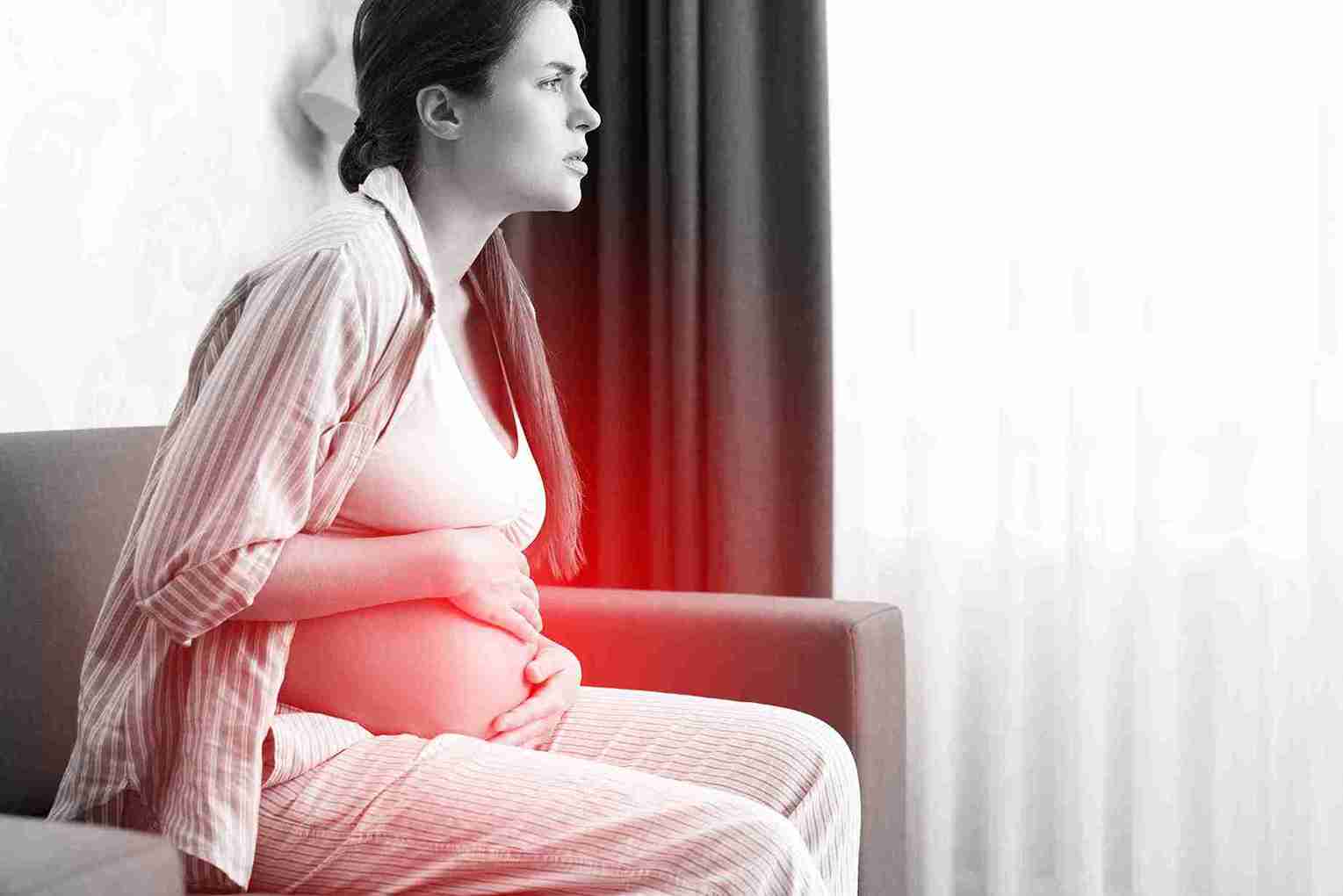
Uterine fibroids (also called leiomyomas or myomas) are firm, muscular growths that form in the uterus. Their size can range from very small, like a pea, to as large as a grapefruit. Fibroids are not cancerous and often cause no symptoms unless they grow large or are positioned in sensitive areas.
● Intramural fibroids: Found within the uterine wall; the most common type.
● Submucosal fibroids: Grow into the uterine cavity and may cause heavy bleeding or fertility issues.
● Subserosal fibroids: Grow on the outer surface of the uterus.
● Pedunculated fibroids: Attached to the uterus by a thin stalk, either inside or outside the uterus.
Fibroids are usually detected through ultrasound, pelvic examination, or prenatal scans, often for the first time during early pregnancy.
Pregnancy causes major hormonal changes, especially increased estrogen and progesterone, which can influence fibroid activity. Depending on their nature, fibroids may:
● Grow in size during the first trimester due to increased blood flow.
● Shrink in later pregnancy as the blood supply reduces.
● Remain stable, with little or no change.
The size, number, and location of fibroids play a major role in determining whether they will cause symptoms or complications. For many women, fibroids stay harmless throughout pregnancy.
Here are some effects of fibroids during pregnancy, ranging from mild discomfort to certain pregnancy-related risks that may require closer medical monitoring:
Some women do not have any symptoms, while others may notice:
● Pain or pressure in the abdomen
● Low back pain
● A feeling of fullness
● Spotting or light bleeding
● Discomfort from fibroid degeneration (sharp, localised pain when a fibroid outgrows its blood supply)
.jpg)
Although many pregnancies progress normally, certain fibroid locations or sizes can increase risks, such as:
● Miscarriage: Fibroids distorting the uterine cavity increase its likelihood.
● Preterm labour: Larger fibroids can cause contractions.
● Placental abruption: When the placenta detaches prematurely due to fibroid interference.
● Restricted fetal growth: When fibroids limit space inside the uterus.
● Abnormal baby position: Because of the reduced movement room.
● Higher chance of C-section: Particularly when fibroids block the birth canal or cause malposition.
Considerations of Delivery & Post-Delivery
● Labour: Large or lower-segment fibroids can obstruct vaginal delivery.
● Postpartum haemorrhage: Owing to interference with uterine contractions.
● Post-birth symptoms: Some fibroids shrink naturally after delivery due to reduced hormone levels.
When you search for methods for how to deal with fibroids during pregnancy, the focus is usually on careful monitoring and supportive care. Here’s what can help:
Doctors may recommend more frequent ultrasounds to monitor fibroids:
● Growth
● Changes in location
● Impact on the baby
● Safe methods include:
● Adequate rest
● Hydration
● Applying a warm compress for mild pain in the abdomen
● Medications as prescribed by your gynaecologist
● Avoiding strenuous physical activity during painful episodes
Surgery (myomectomy) is rare during pregnancy and recommended only for severe complications like torsion of a pedunculated fibroid.
Women with fibroids should discuss the following with their doctor:
● Preferred mode of delivery
● Possible complications
● Hospital Preparedness
● Preparedness for Emergency C-section
Personal consultation by an experienced obstetrician is necessary.
Some women learn about fibroids before they conceive. For these,
● Fibroid removal may be recommended if they distort the uterine cavity or interfere with fertility.
● Submucosal fibroids have a greater effect on conception compared to other types.
Planning pregnancy under a gynaecologist’s supervision helps reduce risks and improve outcomes.
Call your doctor right away if you have:
● Severe or persistent abdominal pain
● Reduced fetal movement
● Sudden severe pain (a warning sign of fibroid degeneration)
Early identification can avert complications for both the mother and the baby.
Being pregnant with fibroids can be overwhelming. It is normal to worry about your baby's safety and how your body will react. Remember that:
● Many women with fibroids have smooth, healthy pregnancies.
● Most fibroids do not interfere with the development of the fetus.
● Your medical team can manage symptoms effectively with regular monitoring.
● Open communication with your doctor and emotional support from loved ones can considerably diminish stress.
Cloudnine stands out for its high-risk pregnancy expertise and is, therefore, an excellent option for pregnant females suffering from fibroids. The hospitals have:
● Advanced Fetal Medicine Units capable of performing detailed imaging and monitoring
● Senior obstetricians skilled in handling pregnancies complicated by fibroids
● Personalised care plans are assured for each mother based on the size of her fibroids, symptoms, and trimester.
● 24/7 neonatal and emergency support that gives added assurance during unpredictable situations.
● A comfortable, warm, patient-centred setting that prioritises comfort, clarity, and caring attention.
Such comprehensive support ensures that pregnancy will not be a daunting phase for a woman with fibroids.

Although extremely common, in most circumstances, fibroids during pregnancy do not interfere with a normal, successful pregnancy. Therefore, understanding the impact of fibroids during pregnancy and maintaining regular contact with your healthcare professional may ease the journey. With timely monitoring, medical guidance, and emotional reassurance, women can experience a safe and fulfilling pregnancy despite the presence of fibroids.

Depending on size and location, fibroids can cause pain, bleeding, or malposition of the baby, or increase the risk of C-section. However, many women with fibroids go on to have completely normal pregnancies.
Regular ultrasounds, management of symptoms, rest in adequate amounts, hydration, and proper medical guidance are all important features of safely managing fibroids.
Yes, many women can. Normal delivery is possible in case the fibroids are not too large, don't block the birth canal, and don't cause malposition.
Most growth is during the first trimester due to hormonal changes; some fibroids may grow, while others shrink, and many do not change.







 Best Gynecologists in Bellandur Best Gynecologists in Electronic City Best Gynecologists in HRBR LayoutBest Gynecologists in Jayanagar Best Gynecologists in Kanakapura RoadBest Gynecologists in Malleswaram Best Gynecologists in Nagarbhavi Best Gynecologists in Old Airport RoadBest Gynecologists in Sahakarnagar Best Gynecologists in Sarjapur RoadBest Gynecologists in ThanisandraBest Gynecologists in Varthur RoadBest Gynecologists in Whitefield Best Gynecologists in Industrial Area Phase IIBest Gynecologists in OMRBest Gynecologists in T NagarBest Gynecologists in New Industrial TownBest Gynecologists in IndirapuramBest Gynecologists in Golf Course RoadBest Gynecologists in Sector 14Best Gynecologists in Sector 47Best Gynecologists in Banjara HillsBest Gynecologists in GachibowliBest Gynecologists in Hitech CityBest Gynecologists in KompallyBest Gynecologists in Gomti NagarBest Gynecologists in MaladBest Gynecologists in NerulBest Gynecologists in VashiBest Gynecologists in Kailash ColonyBest Gynecologists in PatparganjBest Gynecologists in Punjabi BaghBest Gynecologists in VikaspuriBest Gynecologists in Gaur CityBest Gynecologists in Pari ChowkBest Gynecologists in Sector 51Best Gynecologists in Sector 5 Swastik ViharBest Gynecologists in Kalyani NagarBest Gynecologists in SB RoadBest Gynecologists in Pimple SaudagarBest Pediatricians in BellandurBest Pediatricians in Electronic CityBest Pediatricians in HRBR LayoutBest Pediatricians in JayanagarBest Pediatricians in Kanakapura RoadBest Pediatricians in MalleswaramBest Pediatricians in NagarbhaviBest Pediatricians in Old Airport RoadBest Pediatricians in SahakarnagarBest Pediatricians in Sarjapur RoadBest Pediatricians in ThanisandraBest Pediatricians in Varthur RoadBest Pediatricians in WhitefieldBest Pediatricians in Industrial Area Phase IIBest Pediatricians in OMRBest Pediatricians in T NagarBest Pediatricians in New Industrial TownshipBest Pediatricians in IndirapuramBest Pediatricians in Golf Course RoadBest Pediatricians in Sector 14Best Pediatricians in Sector 47Best Pediatricians in Hitech CityBest Pediatricians in Banjara HillsBest Pediatricians in GachibowliBest Pediatricians in KompallyBest Pediatricians in Gomti NagarBest Pediatricians in MaladBest Pediatricians in NerulBest Pediatricians in VashiBest Pediatricians in Kailash ColonyBest Pediatricians in PatparganjBest Pediatricians in Punjabi BaghBest Pediatricians in VikaspuriBest Pediatricians in Gaur CityBest Pediatricians in Pari ChowkBest Pediatricians in Sector 51Best Pediatricians in Sector 5 Swastik ViharBest Pediatricians in Kalyani NagarBest Pediatricians in SB RoadBest Pediatricians in Pimple Saudagar


