
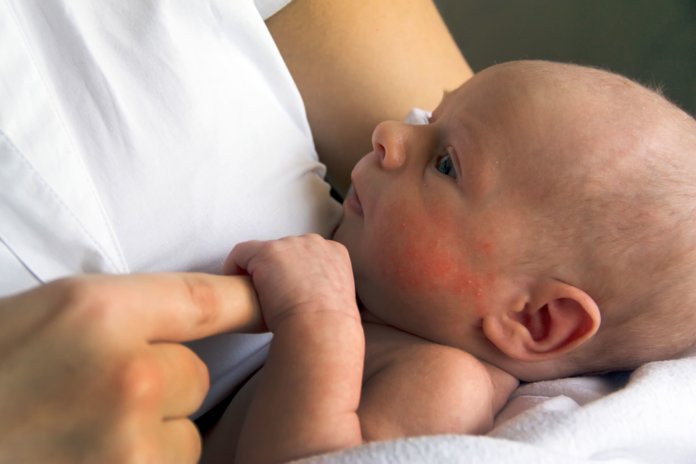
Atopic dermatitis is a common eczema that generally manifests in early childhood but can also occur in later stages of life. The term 'atopy' is used to cover a wide range of problems such as asthma, eczema, recurrent cold and cough, allergic conjunctivitis and dust allergy. All these disorders are related to the increased allergic tendencies of the body's immune system.
There are multiple factors that contribute to the development of atopic dermatitis:
Atopic dermatitis is most commonly passed down as a hereditary condition. However, it is also known to occur spontaneously in some cases.
The most common symptoms include:
The clinical diagnosis of atopic dermatitis is typically performed based on the evaluation of skin patches by a dermatologist, in conjunction with the analysis of a child’s medical history. Blood and skin testing are not generally required.
Environmental changes, tight clothing, stress in the form of physical illness or emotional tension, infections and skin dryness can aggravate atopic dermatitis.
Temporary treatment of atopic dermatitis is possible, although long-term care is warranted for the condition. Most children outgrow the disease as they grow older.
Atopic dermatitis is in no way contagious and doesn’t spread through touch.
There are several ways to manage atopic dermatitis, that may be used independently or in combination with one another:
If atopic dermatitis continues to aggravate, oral medication may be prescribed for a stipulated period to reduce the intensity of the problem.
Authored By,
Dr. Samipa ,
S. Mukherjee,
Paediatric Dermatologist & Dermatologist ,
Cloudnine Hospitals,
Old Airport Road & Malleshwaram, Bengaluru
Want to consult the Best Pediatricians in India? Please find the links below.

Treating atopic dermatitis in children includes switching their products to mild soaps and cleansers, avoiding hot water, and using lukewarm water for their bath instead, and daily moisturising. The dry skin can cause severe itching, so keep the child’s nails short and use over-the-counter anti-itch medication in case of a flare-up.
The reason behind atopic dermatitis in children can be a combination of genetic and environmental factors. They can inherit it from one or both parents; their skin barrier may be faulty, making the skin more vulnerable to irritants and allergens, or their immune system could dysfunction and overreact to common irritants. Environmental factors include dry or cold air, dust, irritants in soaps or fabric detergents, rough fabrics, or certain foods that trigger an allergy.
No, there is no cure for atopic dermatitis. It is a chronic condition that can have flare-ups from time to time. With proper treatment, proactive measures, and effective skin care, the condition can be managed and symptoms suppressed.
There is no specific age at which atopic dermatitis starts or ends. It can be a lifelong condition that requires proper management. However, as children get older, the condition can improve, and flare-ups can reduce. In most cases, atopic dermatitis can set in before the child turns 5 and can significantly improve when they turn 8 years old.







 Best Gynecologists in Bellandur Best Gynecologists in Electronic City Best Gynecologists in HRBR LayoutBest Gynecologists in Jayanagar Best Gynecologists in Kanakapura RoadBest Gynecologists in Malleswaram Best Gynecologists in Nagarbhavi Best Gynecologists in Old Airport RoadBest Gynecologists in Sahakarnagar Best Gynecologists in Sarjapur RoadBest Gynecologists in ThanisandraBest Gynecologists in Varthur RoadBest Gynecologists in Whitefield Best Gynecologists in Industrial Area Phase IIBest Gynecologists in OMRBest Gynecologists in T NagarBest Gynecologists in New Industrial TownBest Gynecologists in IndirapuramBest Gynecologists in Golf Course RoadBest Gynecologists in Sector 14Best Gynecologists in Sector 47Best Gynecologists in Banjara HillsBest Gynecologists in GachibowliBest Gynecologists in Hitech CityBest Gynecologists in KompallyBest Gynecologists in Jawahar NagarBest Gynecologists in Gomti NagarBest Gynecologists in Phase 3, Sector 58Best Gynecologists in MaladBest Gynecologists in NerulBest Gynecologists in VashiBest Gynecologists in Kailash ColonyBest Gynecologists in PatparganjBest Gynecologists in Punjabi BaghBest Gynecologists in RohiniBest Gynecologists in VikaspuriBest Gynecologists in Gaur CityBest Gynecologists in Pari ChowkBest Gynecologists in Sector 51Best Gynecologists in Sector 5 Swastik ViharBest Gynecologists in Kalyani NagarBest Gynecologists in SB RoadBest Gynecologists in Pimple SaudagarBest Pediatricians in BellandurBest Pediatricians in Electronic CityBest Pediatricians in HRBR LayoutBest Pediatricians in JayanagarBest Pediatricians in Kanakapura RoadBest Pediatricians in MalleswaramBest Pediatricians in NagarbhaviBest Pediatricians in Old Airport RoadBest Pediatricians in SahakarnagarBest Pediatricians in Sarjapur RoadBest Pediatricians in ThanisandraBest Pediatricians in Varthur RoadBest Pediatricians in WhitefieldBest Pediatricians in Industrial Area Phase IIBest Pediatricians in OMRBest Pediatricians in T NagarBest Pediatricians in New Industrial TownshipBest Pediatricians in IndirapuramBest Pediatricians in Golf Course RoadBest Pediatricians in Sector 14Best Pediatricians in Sector 47Best Pediatricians in Hitech CityBest Pediatricians in Banjara HillsBest Pediatricians in GachibowliBest Pediatricians in KompallyBest Pediatricians in Jawahar NagarBest Pediatricians in Gomti NagarBest Pediatricians in Phase 3, Sector 58Best Pediatricians in MaladBest Pediatricians in NerulBest Pediatricians in VashiBest Pediatricians in Kailash ColonyBest Pediatricians in PatparganjBest Pediatricians in Punjabi BaghBest Pediatricians in RohiniBest Pediatricians in VikaspuriBest Pediatricians in Gaur CityBest Pediatricians in Pari ChowkBest Pediatricians in Sector 51Best Pediatricians in Sector 5 Swastik ViharBest Pediatricians in Kalyani NagarBest Pediatricians in SB RoadBest Pediatricians in Pimple Saudagar


