





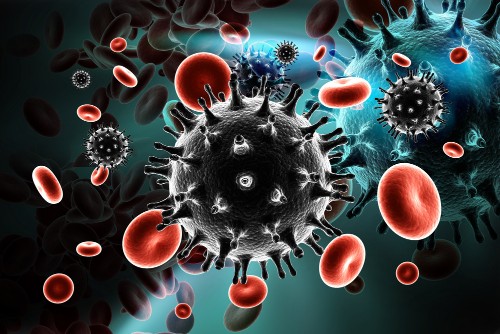
Human Immunodeficiency Virus, in short, called as HIV is a virus that causes AIDS (Acquired Immunodeficiency Syndrome). A person may be HIV positive but don’t have AIDS. A person with HIV can transmit the virus to others if infected blood, semen or vaginal fluids come in contact with broken skin or mucous membranes. A person infected with HIV may not develop AIDS for ten years or longer.

A woman infected with HIV can reduce the risk of transmitting the virus to the baby by staying as healthy as possible. Here are some factors which increase the risk of HIV transmission:
Do you want to know the "Estimated date of when your baby is due?" Check out Cloudnine's Pregnancy Due Date Calculator now!
Women who are planning their pregnancy or who are pregnant should be tested for HIV as soon as possible, and the woman’s partner should also be examined. A woman who has not been tested for HIV during pregnancy can be screened during labor and delivery with rapid tests. A blood test is done for the diagnosis of HIV/AIDS.
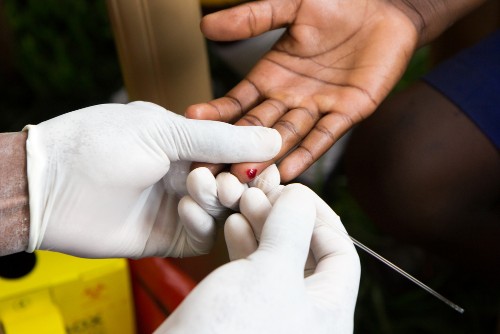
You can also do confidential testing with the use of a home testing kit called as Home Access HIV Test System which has been approved by the Food and Drug Administration.
In most of the cases, HIV does not cross through the placenta from mother to the baby. The placenta provides protection for the developing infant if the mother is healthy in other aspects. Here are some factors which reduce the protective ability of the placenta:
An HIV infected women should get special counselling about a healthy diet and attention should be given to preventing iron and vitamin deficiencies and weight loss. Gynecologist must also look for sexually transmitted diseases or other infections such as malaria, urinary tract infections, tuberculosis or respiratory infections.
If a mother does not receive treatment, then there are chances that the virus will infect 25 percent of babies born to women with HIV. A baby can become infected with HIV in the womb, during delivery or while breastfeeding. If a woman has undergone an HIV treatment, then the percentage can be reduced to less than 2 percent.
A multi-care approach which addresses the medical, psychological, social and practical challenges of pregnancy with HIV is the most effective way for an HIV positive pregnant women to have a healthy pregnancy and delivery.
The risk of HIV transmission during the delivery is around 10-20 percent if no preventative steps are taken and the chance of transmission increases if the baby is exposed to HIV infected blood or fluids. Doctors should avoid performing amniotomies, episiotomies and other procedures that expose the baby to the mother’s blood.
There are chances that about 15% of newborns born to HIV positive mother may become infected by HIV if they breastfeed for 24 months or longer. The risk of transmission depends on:
The risk is much higher if the mother becomes infected with HIV while she is breastfeeding.

Want to consult the best gynecologists in India? Please find the links below.
Want to consult the best Maternity Packages in India? Please find the links below.

Today, with the advancement of medicine, an HIV positive woman can have a healthy baby. Detecting the infection and starting appropriate treatment in time can prevent the infection from spreading to the baby. ART (Antiretroviral therapy) can help decrease HIV levels in the mother’s blood drastically and prevent the transmission to the baby.
HIV weakens the immune system, making one prone to various infections and diseases. HIV patients should avoid eating undercooked meat, raw vegetables, and foods from unhygienic places, as they increase the risk of foodborne illnesses. They should also avoid unprotected sex and sharing needles to prevent spreading the disease to others.
Yes, it is possible to get pregnant despite testing positive for HIV. If you are aware of your HIV status before conception, you can talk to your doctor and start treatment at the earliest, to decrease the risk of transferring the disease to the baby. If you find out you are HIV positive only after knowing about your pregnancy, you can still start HIV treatment – ART and increase the chances of having a healthy baby.
HIV compromises your immune system, making you prone to infections and diseases. With timely treatment and proper management, you can go on to live a normal and long life. You may have to make some changes and adjustments, like with any chronic disease, but with expert medical guidance, you can live a happy, long life.


 Best Gynecologists in Bellandur Best Gynecologists in Electronic City Best Gynecologists in HRBR LayoutBest Gynecologists in Jayanagar Best Gynecologists in Kanakapura RoadBest Gynecologists in Malleswaram Best Gynecologists in Nagarbhavi Best Gynecologists in Old Airport RoadBest Gynecologists in Sahakarnagar Best Gynecologists in Sarjapur RoadBest Gynecologists in ThanisandraBest Gynecologists in Varthur RoadBest Gynecologists in Whitefield Best Gynecologists in Industrial Area Phase IIBest Gynecologists in OMRBest Gynecologists in T NagarBest Gynecologists in New Industrial TownBest Gynecologists in IndirapuramBest Gynecologists in Golf Course RoadBest Gynecologists in Sector 14Best Gynecologists in Sector 47Best Gynecologists in Banjara HillsBest Gynecologists in GachibowliBest Gynecologists in Hitech CityBest Gynecologists in KompallyBest Gynecologists in Gomti NagarBest Gynecologists in Phase 3, Sector 58Best Gynecologists in MaladBest Gynecologists in NerulBest Gynecologists in VashiBest Gynecologists in Kailash ColonyBest Gynecologists in PatparganjBest Gynecologists in Punjabi BaghBest Gynecologists in VikaspuriBest Gynecologists in Gaur CityBest Gynecologists in Pari ChowkBest Gynecologists in Sector 51Best Gynecologists in Sector 5 Swastik ViharBest Gynecologists in Kalyani NagarBest Gynecologists in SB RoadBest Gynecologists in Pimple SaudagarBest Pediatricians in BellandurBest Pediatricians in Electronic CityBest Pediatricians in HRBR LayoutBest Pediatricians in JayanagarBest Pediatricians in Kanakapura RoadBest Pediatricians in MalleswaramBest Pediatricians in NagarbhaviBest Pediatricians in Old Airport RoadBest Pediatricians in SahakarnagarBest Pediatricians in Sarjapur RoadBest Pediatricians in ThanisandraBest Pediatricians in Varthur RoadBest Pediatricians in WhitefieldBest Pediatricians in Industrial Area Phase IIBest Pediatricians in OMRBest Pediatricians in T NagarBest Pediatricians in New Industrial TownshipBest Pediatricians in IndirapuramBest Pediatricians in Golf Course RoadBest Pediatricians in Sector 14Best Pediatricians in Sector 47Best Pediatricians in Hitech CityBest Pediatricians in Banjara HillsBest Pediatricians in GachibowliBest Pediatricians in KompallyBest Pediatricians in Gomti NagarBest Pediatricians in Phase 3, Sector 58Best Pediatricians in MaladBest Pediatricians in NerulBest Pediatricians in VashiBest Pediatricians in Kailash ColonyBest Pediatricians in PatparganjBest Pediatricians in Punjabi BaghBest Pediatricians in VikaspuriBest Pediatricians in Gaur CityBest Pediatricians in Pari ChowkBest Pediatricians in Sector 51Best Pediatricians in Sector 5 Swastik ViharBest Pediatricians in Kalyani NagarBest Pediatricians in SB RoadBest Pediatricians in Pimple Saudagar


