
From the time you get pregnant, each bite you take plays a role. Nutrient-rich, wholesome food can positively influence your health and your baby’s development. Amongst traditional Indian grains, jowar, also known as sorghum, is a powerhouse of nutrition.
Rich in fibre, iron, protein, and essential vitamins, this is an excellent gluten-free option for expectant mothers. But how, exactly, does jowar in pregnancy benefit you, and what are the side effects of it? Let's find out.
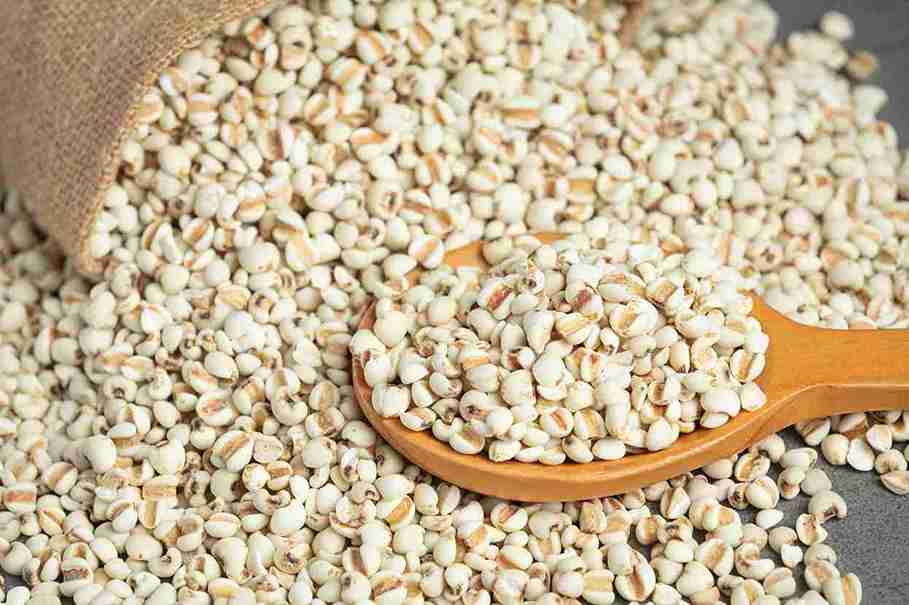
Jowar, or sorghum, is one of the oldest known grains in India, consumed in various forms like rotis, porridge, and snacks. Being naturally gluten-free and powered with antioxidants, jowar is often considered healthier than refined grains like rice and wheat.
It contains a rich amount of iron, calcium, phosphorus, and B-complex vitamins-all essential during pregnancy. Inclusion of jowar during pregnancy ensures sustained energy levels and better digestion owing to its rich fibre and complex carbohydrate content.
Iron during pregnancy prevents anaemia, while calcium is crucial for the bones and teeth of your child. Jowar possesses both these nutrients naturally and thus can be included in a prenatal diet.
Constipation is one of the major complaints during pregnancy. Jowar's high fibre content makes it easy to regulate bowel movements, thus preventing constipation and facilitating proper digestion during pregnancy.
Jowar is a perfect choice for people who are suffering from gluten intolerance or sensitivity. It’s easy to digest, non-allergenic, and also reduces the bloating and heaviness which are often experienced with wheat-based foods.
It contributes to the repair of tissues and the growth of the fetus. Jowar will be the source of plant-based protein for the development of muscles in both the mother and the baby.
The complex carbohydrates in jowar digest rather slowly, which keeps your blood sugar steady. It is particularly good for women who are at risk of or are managing gestational diabetes.
Being rich in slow-releasing carbohydrates, jowar helps produce energy while helping pregnant women stay active all day by fighting fatigue.

The nutrients like iron, folate, and B vitamins are required in extra amounts for the brain and neural development of your unborn baby during early pregnancy. All these come naturally in jowar. Owing to its light and easy-to-digest nature, jowar during early pregnancy can also help in combating mild morning sickness and tiredness. Include small portions, like jowar roti with dal or porridge with fruits, which can be a healthy way to start your day.
You can include jowar during pregnancy in multiple delicious and healthy ways:
Tip: Always introduce new foods gradually and consult your gynaecologist or dietitian before making any major dietary changes.
While jowar is largely safe, moderation is the keyword:
At Cloudnine, every expectant mother receives holistic, personalised care to ensure a safe, healthy pregnancy. From dietary counselling and prenatal checkups to expert gynaecological support, the specialists at Cloudnine believe in holistic wellness for mother and baby.
Whether you need nutritional advice, safe exercises, or management of symptoms during pregnancy, Cloudnine's team of experienced doctors and nutritionists will guide you through them all, making your experience as comfortable and confident as possible.
Inclusion of jowar during pregnancy is a smart and healthy decision. Jowar, if consumed in moderation, helps with digestion, energy, and the development of the fetus and is, hence, good to include in your pregnancy diet. However, always listen to your body and seek medical guidance before introducing new foods.


Yes, jowar is safe to eat during pregnancy, in moderation. It's rich in iron, fibre, and protein that contribute to both maternal and fetal health.
According to Ayurveda, jowar (sorghum) is considered a cooling grain. It helps maintain body temperature and is suitable for consumption even during the summer months. Its high fibre and moisture-retaining properties aid digestion and prevent heat buildup in the body.
Whole-grain flours like jowar, ragi, and bajra are excellent options; they're filled with nutrients and fibre in comparison to refined flours.
No, jowar does not directly lead to weight gain. Its high fibre content keeps you full for a longer time and supports healthy weight management during pregnancy.







 Best Gynecologists in Bellandur Best Gynecologists in Electronic City Best Gynecologists in HRBR LayoutBest Gynecologists in Jayanagar Best Gynecologists in Kanakapura RoadBest Gynecologists in Malleswaram Best Gynecologists in Nagarbhavi Best Gynecologists in Old Airport RoadBest Gynecologists in Sahakarnagar Best Gynecologists in Sarjapur RoadBest Gynecologists in ThanisandraBest Gynecologists in Varthur RoadBest Gynecologists in Whitefield Best Gynecologists in Industrial Area Phase IIBest Gynecologists in OMRBest Gynecologists in T NagarBest Gynecologists in New Industrial TownBest Gynecologists in IndirapuramBest Gynecologists in Golf Course RoadBest Gynecologists in Sector 14Best Gynecologists in Sector 47Best Gynecologists in Banjara HillsBest Gynecologists in GachibowliBest Gynecologists in Hitech CityBest Gynecologists in KompallyBest Gynecologists in Gomti NagarBest Gynecologists in MaladBest Gynecologists in NerulBest Gynecologists in VashiBest Gynecologists in Kailash ColonyBest Gynecologists in PatparganjBest Gynecologists in Punjabi BaghBest Gynecologists in VikaspuriBest Gynecologists in Gaur CityBest Gynecologists in Pari ChowkBest Gynecologists in Sector 51Best Gynecologists in Sector 5 Swastik ViharBest Gynecologists in Kalyani NagarBest Gynecologists in SB RoadBest Gynecologists in Pimple SaudagarBest Pediatricians in BellandurBest Pediatricians in Electronic CityBest Pediatricians in HRBR LayoutBest Pediatricians in JayanagarBest Pediatricians in Kanakapura RoadBest Pediatricians in MalleswaramBest Pediatricians in NagarbhaviBest Pediatricians in Old Airport RoadBest Pediatricians in SahakarnagarBest Pediatricians in Sarjapur RoadBest Pediatricians in ThanisandraBest Pediatricians in Varthur RoadBest Pediatricians in WhitefieldBest Pediatricians in Industrial Area Phase IIBest Pediatricians in OMRBest Pediatricians in T NagarBest Pediatricians in New Industrial TownshipBest Pediatricians in IndirapuramBest Pediatricians in Golf Course RoadBest Pediatricians in Sector 14Best Pediatricians in Sector 47Best Pediatricians in Hitech CityBest Pediatricians in Banjara HillsBest Pediatricians in GachibowliBest Pediatricians in KompallyBest Pediatricians in Gomti NagarBest Pediatricians in MaladBest Pediatricians in NerulBest Pediatricians in VashiBest Pediatricians in Kailash ColonyBest Pediatricians in PatparganjBest Pediatricians in Punjabi BaghBest Pediatricians in VikaspuriBest Pediatricians in Gaur CityBest Pediatricians in Pari ChowkBest Pediatricians in Sector 51Best Pediatricians in Sector 5 Swastik ViharBest Pediatricians in Kalyani NagarBest Pediatricians in SB RoadBest Pediatricians in Pimple Saudagar


