





Did you know some of your daily habits could be hurting you rather than helping you? Have you noticed how some people have bad posture, poorly positioned teeth, etc.? Ever wondered what could be causing such deformities in people who were once fine? Certain habits can lead to deformation syndrome, resulting in deformations that can last for a very long time.

Deformation syndrome refers to defects caused by extrinsic factors or by mechanical forces impacting developing or already developed body structure. Deformations can be congenital (from birth) or develop later due to certain habits or exposures.
Deformation does not happen when you perform certain actions just once. They happen over time. You can always prevent the deformation by recognising the changes and being conscious of the influencing factors:
● Duration – When you keep doing it for a prolonged period each time, the body slowly adapts to it and starts changing.
● Frequency – When you do it very frequently, it becomes more than just a habit. The more frequent the action, the more severe the deformity can be.
● Intensity – The mechanical force you exert when you perform the action can influence the extent of deformity. The higher the intensity, the easier the deformity will develop.
Your daily innocent habits may cause deformation syndrome. Being aware of the habits can help you consciously control them and prevent such deformations from becoming permanent. Here are the top 5 habits that could be responsible for your deformation syndrome:
It is common for babies and very young children to suck their thumbs. It can be a self-soothing habit that can cause dental deformities.
Sucking on the thumb placed just below the upper teeth can lead to :
● Overbite – When the upper teeth start protruding forward and cross the lower teeth.
● Open bite – Constantly having the thumb in between the teeth can cause a gap between the lower and upper teeth.
● Shape Change – The constant protrusion of the lower jaw during thumb sucking can change the jaw alignment and the shape of the whole face.
Nail biting is associated with nervousness. Many adults also have the habit of biting their nails when they are bored or anxious. In children, during the growing years, constant nail biting can cause deformities like:
● Ridges and grooves in the nails
● Skin peels off the nail edges, resulting in bleeding and an increased risk of infection.
● The skin around the nails can become dry, split or severely damaged if nail biting persists for an extended period.
● The constant biting action can affect the teeth’s alignment and cause malocclusion.
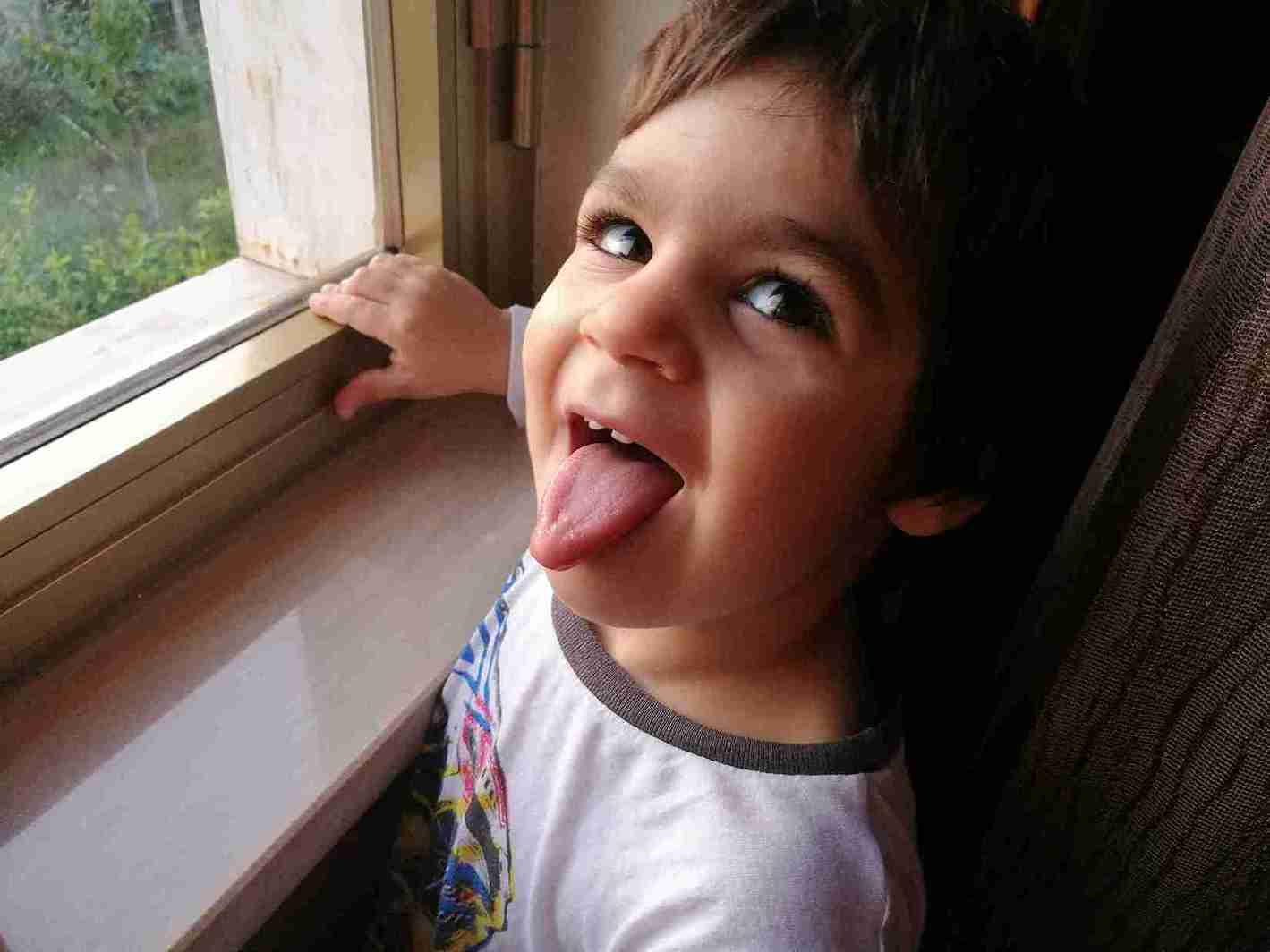
Thrusting the tongue requires the tongue to push forward by exerting pressure on the upper teeth line. Constant tongue thrusting can cause -
● An open bite where the upper and lower teeth don’t join together when you bite.
● A gap between the teeth, especially for children, occurs when adult teeth grow in after the milk teeth fall out.
● A disturbance in speech. The gap between the teeth and the tongue constantly thrusting out can also cause a lisp while talking.
Breathing is a natural action that we all do unconsciously. Many tend to breathe through their mouth instead of their nose. This could be just easy or even due to a blocked nose. However, breathing through the mouth at all times can cause:
● Narrow face – due to the constant position of the mouth to blow out air.
● Gummy smile – as the mouth is always open and needs to breathe, even when talking.
● Teeth can grow crooked and crowd one another.
Not sitting up straight is not only bad etiquette but can also cause your body to bend forward in a slouching position. It can cause a round back where the back is rounded from the back of the neck to the middle of the lower back. This can not only cause neck and back pain but can also affect a child’s growth.
Slouching for long periods of time – bending over the phone, sitting on the couch watching TV, or playing games can restrict movement and affect mobility. Over time, even standing up straight can become difficult. The shoulders will turn inward, increasing the curvature.
In severe cases, round back, also known as kyphosis, can even lead to breathing difficulties as it exerts pressure on the lungs and compresses them.

It is very common for children to do all five habits mentioned above. It is up to the parents and other elders in a child’s life to be cautious and take measures to prevent deformities in the child. To avoid or reduce the risk of deformation syndrome, parents can:
1. Intervene and stop children from developing the habits mentioned above.
2. Gently remind them to refrain from the habits (asking them to sit up straight, not bite their nails), as they will be doing them subconsciously.
3. Correct their behaviour with love rather than reprimanding them.
4. Notice when your child is beginning to develop such habits and take steps from the start.
5. Seek professional guidance to break bad habits and correct deformities
6. Consult a dentist and correct the jaw or teeth alignment as soon as possible before the shape of the face changes.
7. For small children with nail-biting habits, covering their hands with mittens or gloves can help discourage biting.
8. Ensure the child sits on a firm seat with good back support to avoid slouching.
9. Don’t let children spend prolonged periods of time bending over gadgets.
10. Teach them to breathe through the nose and repeatedly remind them to close their mouth while breathing.
Unlike malformation, which occurs due to intrinsic forces over which you have no control, deformation is caused by external factors that are completely controllable. Parents can prevent deformation syndrome in children by identifying it early and implementing active interventions. Seeking professional help before it's too late is always better than attempting to correct it on your own without professional guidance.


Yes, sleeping posture can significantly impact the spine. Poor sleeping posture can affect the spine’s alignment, thus causing back aches and spinal deformities. The curved back can add pressure to the spine, tighten the muscles, and cause a muscle imbalance.
Bending your neck to look into your smartphone can cause your shoulders to round, your back slouch, and your head to move forward. These actions will strain the neck and upper back muscles.
The signs and symptoms of deformities don’t surface overnight. They slowly cause changes in the body from the very beginning. If you notice any changes in the alignment of the teeth, jaw positioning or the shape of the back, they are early signs of deformation syndrome.


 Best Gynecologists in Bellandur Best Gynecologists in Electronic City Best Gynecologists in HRBR LayoutBest Gynecologists in Jayanagar Best Gynecologists in Kanakapura RoadBest Gynecologists in Malleswaram Best Gynecologists in Nagarbhavi Best Gynecologists in Old Airport RoadBest Gynecologists in Sahakarnagar Best Gynecologists in Sarjapur RoadBest Gynecologists in ThanisandraBest Gynecologists in Varthur RoadBest Gynecologists in Whitefield Best Gynecologists in Industrial Area Phase IIBest Gynecologists in OMRBest Gynecologists in T NagarBest Gynecologists in New Industrial TownBest Gynecologists in IndirapuramBest Gynecologists in Golf Course RoadBest Gynecologists in Sector 14Best Gynecologists in Sector 47Best Gynecologists in Banjara HillsBest Gynecologists in GachibowliBest Gynecologists in Hitech CityBest Gynecologists in KompallyBest Gynecologists in Gomti NagarBest Gynecologists in MaladBest Gynecologists in NerulBest Gynecologists in VashiBest Gynecologists in Kailash ColonyBest Gynecologists in PatparganjBest Gynecologists in Punjabi BaghBest Gynecologists in VikaspuriBest Gynecologists in Gaur CityBest Gynecologists in Pari ChowkBest Gynecologists in Sector 51Best Gynecologists in Sector 5 Swastik ViharBest Gynecologists in Kalyani NagarBest Gynecologists in SB RoadBest Gynecologists in Pimple SaudagarBest Pediatricians in BellandurBest Pediatricians in Electronic CityBest Pediatricians in HRBR LayoutBest Pediatricians in JayanagarBest Pediatricians in Kanakapura RoadBest Pediatricians in MalleswaramBest Pediatricians in NagarbhaviBest Pediatricians in Old Airport RoadBest Pediatricians in SahakarnagarBest Pediatricians in Sarjapur RoadBest Pediatricians in ThanisandraBest Pediatricians in Varthur RoadBest Pediatricians in WhitefieldBest Pediatricians in Industrial Area Phase IIBest Pediatricians in OMRBest Pediatricians in T NagarBest Pediatricians in New Industrial TownshipBest Pediatricians in IndirapuramBest Pediatricians in Golf Course RoadBest Pediatricians in Sector 14Best Pediatricians in Sector 47Best Pediatricians in Hitech CityBest Pediatricians in Banjara HillsBest Pediatricians in GachibowliBest Pediatricians in KompallyBest Pediatricians in Gomti NagarBest Pediatricians in MaladBest Pediatricians in NerulBest Pediatricians in VashiBest Pediatricians in Kailash ColonyBest Pediatricians in PatparganjBest Pediatricians in Punjabi BaghBest Pediatricians in VikaspuriBest Pediatricians in Gaur CityBest Pediatricians in Pari ChowkBest Pediatricians in Sector 51Best Pediatricians in Sector 5 Swastik ViharBest Pediatricians in Kalyani NagarBest Pediatricians in SB RoadBest Pediatricians in Pimple Saudagar


