
Pregnancy is a tricky period where even routine health issues can become complicated, affecting both the mother and the developing baby. Kidney stones are fairly common and can affect both men and women in different age groups. When these kidney stones occur in pregnancy, they can increase certain risks in pregnancy. Read on to know all about it.

Kidney stones are stone-like solid masses that form from substances in the kidneys. It can be as small as a grain of sand or even bigger than a golf ball. These kidney stones can be formed from the minerals, salts and acids found in the kidneys.
While smaller stones may not present any symptoms and can pass through the urine, larger stones can get stuck in the ureter, causing pain, discomfort and various other symptoms.
Kidney stones are common but rare during pregnancy. When such kidney stones occur in pregnancy, they can increase the risks of pregnancy.
It is very rare but kidney stones can form in the second or third trimester due to hormonal and other changes in the body. Larger stones, if left unattended, can cause complications in pregnancy. The symptoms can be severe, and treatments will vary depending on the size and location of the stones.
Pain – Pain and discomfort during pregnancy are common, but kidney stones can cause sharp, intense pains that radiate from the abdomen, sides or back, to the groin area.
Vomiting – The most common symptoms of pregnancy, nausea and vomiting, also indicate kidney stones.
Urinary Issues – You may experience pain or a burning sensation when urinating. Your urine can also contain blood.
Others – The inability to pass urine or empty the bladder can lead to infections, fever and an increase or decrease in urine output.
To avoid radiation exposure during pregnancy, doctors prefer to use an ultrasound to diagnose kidney stones in pregnancy. After confirming a diagnosis, your doctor may choose the following options to treat the kidney stones without causing harm to the baby or the pregnancy:
Medications – Antibiotics can help treat urinary infections caused by the stones.
Ureteroscopy – A minimally invasive procedure that uses a thin, flexible telescope to break and extract the stones.
Others – In most cases, if the stones are small, doctors will advise drinking more liquids to help flush out the stones, taking bed rest, and using some pregnancy-safe pain relievers.
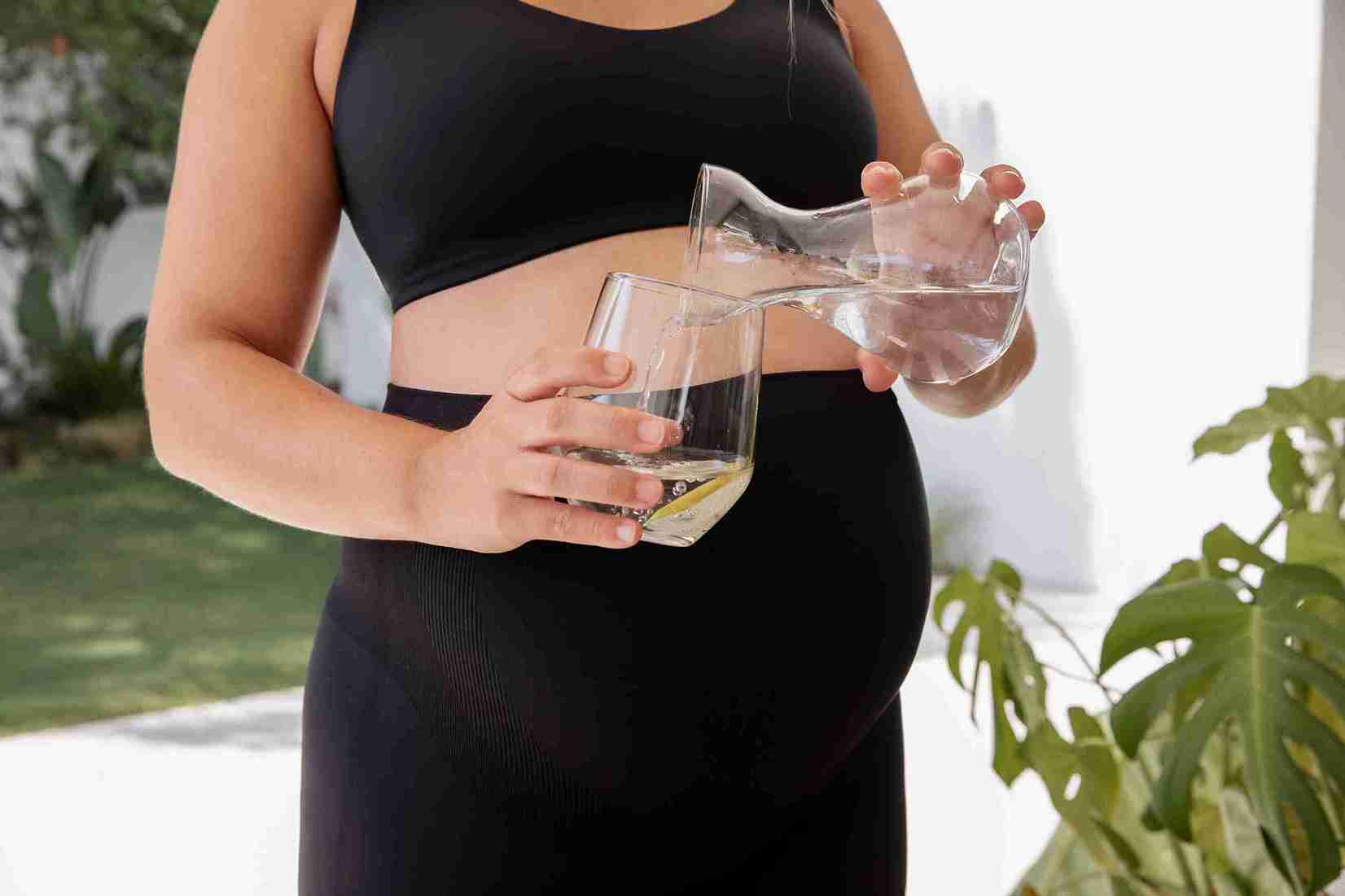
Yes, you can prevent kidney stones to an extent. What you eat and drink can influence the formation and size of the kidney stones. You can reduce the risk of kidney stone formation by:
Hydration – Drinking plenty of water helps ensure the smooth functioning of the kidneys and prevents the formation of crystals from clumping calcium, minerals or acids in the urine.
Diet – A diet low in sodium and oxalate-rich foods can prevent the formation of stones.
Medications – In case of a history of kidney stones or symptoms, mild medications can help prevent stone formation and also help with the pain during pregnancy.
Kidney stones don’t always cause complications. However, during pregnancy, the risks are slightly higher. If left unattended, kidney stones can lead to the following during pregnancy:
Preterm Labour - UTIs caused by kidney stones can progress to kidney infections, which in turn can lead to preterm labour or premature rupture of the membranes.
Early Contractions - Pain caused by kidney stones can trigger contractions. If this happens in early pregnancy or before the baby is full term, it can lead to a premature delivery.
Sepsis - If the kidney infection is not treated promptly, it can lead to sepsis, allowing the infection to enter the bloodstream.
IUGR - Complications of kidney stones and infections may obstruct the supply of oxygen and nutrients to the baby. This can lead to intra-uterine growth restrictions where the fetus does not develop as per expectations.
Preeclampsia – In some cases, kidney stones can contribute to preeclampsia, very high blood pressure, and excess protein in the urine during pregnancy.
You need a doctor who specialises in both urology and obstetrics to help manage your kidney stones without affecting the pregnancy. Urogynaecologists can help in this area as they are experienced in handling the reproductive and urinary systems in women.

Kidney stones during pregnancy are not a common phenomenon. Being aware of the bodily changes and noticing the symptoms of kidney stones in pregnancy can help in early diagnosis. Discuss the pros and cons with your doctor and identify the best way to treat these stones before they can affect the pregnancy or the baby. These treatments are safe during pregnancy and nothing to worry about.

Yes, though very rare, kidney stones during pregnancy are possible. This can occur in cases with a history of kidney stones or due to hormonal changes in the body that affect kidney function.
Hormonal changes during pregnancy can increase the excretion of calcium and other minerals in the urine. It can also compress the urethra, thus restricting the path of urine. Pregnancy can also cause dehydration, which can contribute to the formation of crystals in the urine.
The symptoms of kidney stones can be mistaken for common pregnancy symptoms. Some common symptoms include abdominal or side pain, nausea or vomiting, pain during urination, or a rise in body temperature due to an infection. Other kidney stone symptoms include blood in the urine, UTIs, episodes of sudden, intense pain and feeling sweaty.
Hydration, safe pain medications, antibiotics (if infection is present), and in some cases procedures like stent placement or lithotripsy (after delivery). Doctors individualize treatment based on symptoms and pregnancy stage.







 Best Gynecologists in Bellandur Best Gynecologists in Electronic City Best Gynecologists in HRBR LayoutBest Gynecologists in Jayanagar Best Gynecologists in Kanakapura RoadBest Gynecologists in Malleswaram Best Gynecologists in Nagarbhavi Best Gynecologists in Old Airport RoadBest Gynecologists in Sahakarnagar Best Gynecologists in Sarjapur RoadBest Gynecologists in ThanisandraBest Gynecologists in Varthur RoadBest Gynecologists in Whitefield Best Gynecologists in Industrial Area Phase IIBest Gynecologists in OMRBest Gynecologists in T NagarBest Gynecologists in New Industrial TownBest Gynecologists in IndirapuramBest Gynecologists in Golf Course RoadBest Gynecologists in Sector 14Best Gynecologists in Sector 47Best Gynecologists in Banjara HillsBest Gynecologists in GachibowliBest Gynecologists in Hitech CityBest Gynecologists in KompallyBest Gynecologists in Gomti NagarBest Gynecologists in MaladBest Gynecologists in NerulBest Gynecologists in VashiBest Gynecologists in Kailash ColonyBest Gynecologists in PatparganjBest Gynecologists in Punjabi BaghBest Gynecologists in VikaspuriBest Gynecologists in Gaur CityBest Gynecologists in Pari ChowkBest Gynecologists in Sector 51Best Gynecologists in Sector 5 Swastik ViharBest Gynecologists in Kalyani NagarBest Gynecologists in SB RoadBest Gynecologists in Pimple SaudagarBest Pediatricians in BellandurBest Pediatricians in Electronic CityBest Pediatricians in HRBR LayoutBest Pediatricians in JayanagarBest Pediatricians in Kanakapura RoadBest Pediatricians in MalleswaramBest Pediatricians in NagarbhaviBest Pediatricians in Old Airport RoadBest Pediatricians in SahakarnagarBest Pediatricians in Sarjapur RoadBest Pediatricians in ThanisandraBest Pediatricians in Varthur RoadBest Pediatricians in WhitefieldBest Pediatricians in Industrial Area Phase IIBest Pediatricians in OMRBest Pediatricians in T NagarBest Pediatricians in New Industrial TownshipBest Pediatricians in IndirapuramBest Pediatricians in Golf Course RoadBest Pediatricians in Sector 14Best Pediatricians in Sector 47Best Pediatricians in Hitech CityBest Pediatricians in Banjara HillsBest Pediatricians in GachibowliBest Pediatricians in KompallyBest Pediatricians in Gomti NagarBest Pediatricians in MaladBest Pediatricians in NerulBest Pediatricians in VashiBest Pediatricians in Kailash ColonyBest Pediatricians in PatparganjBest Pediatricians in Punjabi BaghBest Pediatricians in VikaspuriBest Pediatricians in Gaur CityBest Pediatricians in Pari ChowkBest Pediatricians in Sector 51Best Pediatricians in Sector 5 Swastik ViharBest Pediatricians in Kalyani NagarBest Pediatricians in SB RoadBest Pediatricians in Pimple Saudagar


