



Breastfeeding is universal, and rightfully so. It is probably the simplest and, at the same time, the most challenging task for a new mother.
Do you want to know the "Estimated date of when your baby is due?" Check out Cloudnine's Pregnancy Due Date Calculator now!
Breastfeeding is the best feeding for babies! Breast milk is the ideal food for a baby as it is a concoction of the right kind of proteins, carbohydrates, fats and immunoglobulins. It gives infants all the nutrients they need for healthy development.
It is safe and contains antibodies that help protect infants from common childhood illnesses such as diarrhoea and pneumonia - the two primary causes of child mortality worldwide. Its ready availability also ensures that infants get adequate sustenance, at the right temperature without any preparation, thus avoiding the possibility of infections.
Click here to Consult The Best Pregnancy Doctors in Chandigarh
Breastfeeding is also an integral part of the reproductive process with important implications for the health of mothers. The practice, when done exclusively, is associated with a natural (though not fail-safe) method of birth control (98% protection in the first 6 months after birth). It reduces risks of breast and ovarian cancer later in life, helps women return to their pre-pregnancy weight faster, and lowers rates of obesity.
There appear to be long term benefits of breastfeeding too. Adults who were breastfed as babies often have lower blood pressure and lower cholesterol, as well as lower rates of obesity and type-2 diabetes. There is evidence that people who were breastfed perform better in intelligence tests.

We often find well motivated new mothers trying exclusive breastfeeding, with some being successful at it, but others ending up in tears and a sense of failure. Apart from a minuscule number of women who actually have lactation failure, most women are able to feed ‘to some extent’.
Successful breastfeeding depends on a number of factors including proper positioning, the baby latching on to the entire areola, initial blockage of ducts and so on. Appropriate support from a qualified person in any centre that is meant for pregnancy and childbirth is crucial to overcoming these hurdles and helping a postnatal woman feed her baby.
You Would Also Like To Read: Breastfeeding Myths & Facts
In fact, we presented data from Cloudnine facilities at the World Breast Feeding Conference recently which showed that the breastfeeding success in Cloudnine is about 95% at the age of 6 weeks – the best in the world today - because of the support provided in our facilities.
We have breastfeeding classes every day, and even mothers with inverted nipples retracted nipples and various other issues successfully breastfeed after a few days of hard work. While breastfeeding comes naturally to some women, for most women it is a skill that needs to be learnt.
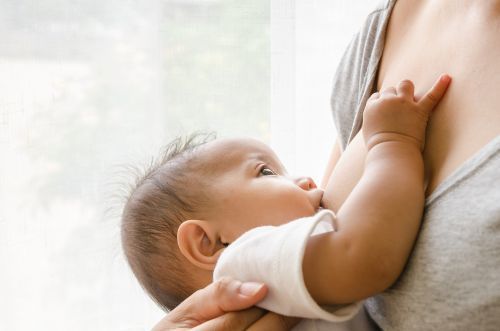
Many women who return to work abandon breastfeeding partially or completely because they do not have sufficient time, or a place to breastfeed, express and store their milk. Mothers need a safe, clean and private place in or near their work to continue breastfeeding. Enabling conditions at work can help, such as paid maternity leave, part-time work arrangements, on-site crèches, facilities for expressing and storing breast milk, and breastfeeding breaks.
Click here to Book an Appointment with the Best Pregnancy Doctor Near You
Infants should be exclusively breastfed, that is, receive no other food but breast milk for the first six months of life, to achieve optimal growth, development and health. The infant can be given oral rehydration salts, drops and syrups (vitamins, minerals and medicines) if required.
But after 6 months, to meet the growing needs of babies, complementary foods should be introduced as they continue to breastfeed. Foods for the baby can be specially prepared or modified from family meals. The World Health Organization notes that:

Must Read: Psychological Benefits Of Breastfeeding
Want to consult the Best Pediatricians in India? Please find the links below.

Breastmilk is filled with essential nutrients. The mother’s immune system produces antibodies for the pathogens on the baby’s skin. These antibodies are transferred to the baby through the breastmilk, thus boosting their immunity and keeping them safe from infections. Though baby formula is fortified with essential nutrients, breastmilk is more customised to the baby’s needs.
For the first six months of a baby’s life, exclusive breastfeeding is the best way to feed them. However, if milk production is not enough or the mother is unable to lactate, baby formulas are available in the market. Consult a lactation specialist to find a solution for your feeding issues and to find the best alternative for the baby.
Breastfeeding is one of the most natural processes. The breastmilk is tailor-made for the baby’s needs and development. According to studies, breastfed babies develop fewer health issues when compared to formula-fed babies. Incidents of UTIs, ear or lung infections are fewer in breastfed babies. This could be due to the antibodies present in the breastmilk.
Yes, breastfeeding is the most natural way to feed a newborn baby. WHO recommends exclusive breastfeeding for the first 6 months. Even after introducing other foods, breastfeeding can continue until the baby is 2 years old, as they will benefit from it. However, if the mother is unwell or needs to undergo medical treatments, breastmilk may not be the best option for the baby.





 Best Gynecologists in Bellandur Best Gynecologists in Electronic City Best Gynecologists in HRBR LayoutBest Gynecologists in Jayanagar Best Gynecologists in Kanakapura RoadBest Gynecologists in Malleswaram Best Gynecologists in Nagarbhavi Best Gynecologists in Old Airport RoadBest Gynecologists in Sahakarnagar Best Gynecologists in Sarjapur RoadBest Gynecologists in ThanisandraBest Gynecologists in Varthur RoadBest Gynecologists in Whitefield Best Gynecologists in Industrial Area Phase IIBest Gynecologists in OMRBest Gynecologists in T NagarBest Gynecologists in New Industrial TownBest Gynecologists in IndirapuramBest Gynecologists in Golf Course RoadBest Gynecologists in Sector 14Best Gynecologists in Sector 47Best Gynecologists in Banjara HillsBest Gynecologists in GachibowliBest Gynecologists in Hitech CityBest Gynecologists in KompallyBest Gynecologists in Gomti NagarBest Gynecologists in MaladBest Gynecologists in NerulBest Gynecologists in VashiBest Gynecologists in Kailash ColonyBest Gynecologists in PatparganjBest Gynecologists in Punjabi BaghBest Gynecologists in VikaspuriBest Gynecologists in Gaur CityBest Gynecologists in Pari ChowkBest Gynecologists in Sector 51Best Gynecologists in Sector 5 Swastik ViharBest Gynecologists in Kalyani NagarBest Gynecologists in SB RoadBest Gynecologists in Pimple SaudagarBest Pediatricians in BellandurBest Pediatricians in Electronic CityBest Pediatricians in HRBR LayoutBest Pediatricians in JayanagarBest Pediatricians in Kanakapura RoadBest Pediatricians in MalleswaramBest Pediatricians in NagarbhaviBest Pediatricians in Old Airport RoadBest Pediatricians in SahakarnagarBest Pediatricians in Sarjapur RoadBest Pediatricians in ThanisandraBest Pediatricians in Varthur RoadBest Pediatricians in WhitefieldBest Pediatricians in Industrial Area Phase IIBest Pediatricians in OMRBest Pediatricians in T NagarBest Pediatricians in New Industrial TownshipBest Pediatricians in IndirapuramBest Pediatricians in Golf Course RoadBest Pediatricians in Sector 14Best Pediatricians in Sector 47Best Pediatricians in Hitech CityBest Pediatricians in Banjara HillsBest Pediatricians in GachibowliBest Pediatricians in KompallyBest Pediatricians in Gomti NagarBest Pediatricians in MaladBest Pediatricians in NerulBest Pediatricians in VashiBest Pediatricians in Kailash ColonyBest Pediatricians in PatparganjBest Pediatricians in Punjabi BaghBest Pediatricians in VikaspuriBest Pediatricians in Gaur CityBest Pediatricians in Pari ChowkBest Pediatricians in Sector 51Best Pediatricians in Sector 5 Swastik ViharBest Pediatricians in Kalyani NagarBest Pediatricians in SB RoadBest Pediatricians in Pimple Saudagar


