
A good night’s sleep often gets forgotten when thinking about a child’s health. Many parents focus only on food, studies, or activities, while sleep slips into the background. In reality, sleep has a significant impact on a child's life. It supports physical growth, emotional balance and mental well-being.
Today, many kids have sleep problems because of digital devices, noise, school stress, or social pressure. A few nights of poor sleep may lead to tiredness or low focus. Long-term sleep loss, however, is a bit more serious. It raises the risk of anxiety, depression and other mental health issues.
In this article we shall see how sleep and mental health are linked, how sleep deprivation affects children, and what steps should be taken by parents and caregivers to help support healthier sleep in kids.
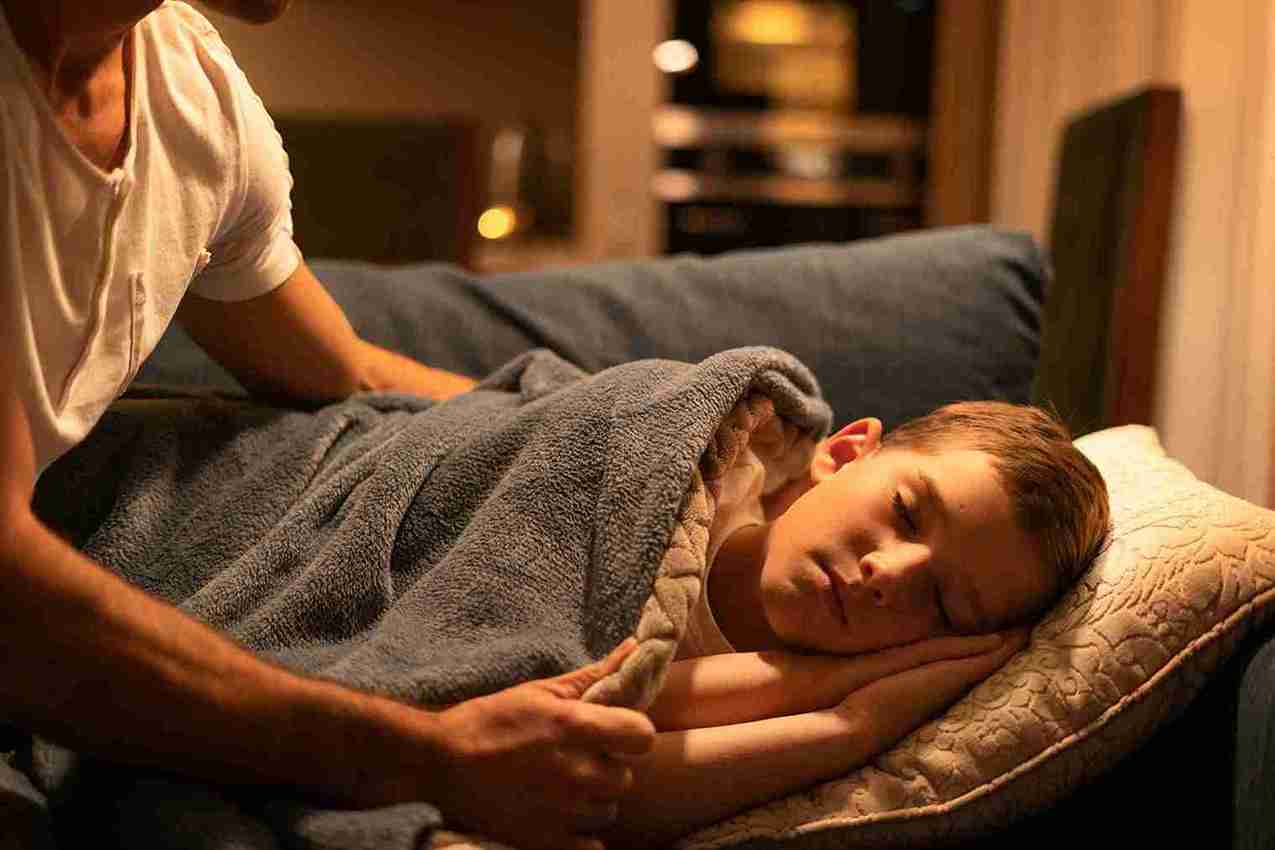
The recommended sleep duration by age is:
● Babies (4-12 months): 12-16 hours
● Toddlers (12-24 months): 11-14 hours
● Preschoolers (3-5 years): 10-13 hours
● School kids (6-12 years): 9-12 hours
● Teens (13-18 years): 8-10 hours
After the baby turns 6 months, the sleep cycle consists of REM (rapid eye movement) or deep sleep and non-REM, with deep and light sleep. Infants have 5 times more REM sleep compared to adults, and it is essential for the child’s mental and physical development as it helps in learning, memory consolidation, growth, immune development and emotional processing. A child's behavior, mood, and academic performance may be impacted by a lack of REM and deep sleep brought on by irregular sleep schedules, overstimulation, screen time, food, health problems, or other sleep disruptors.
Many studies have found a link between mental health and sleep. Sleep deprivation in children can increase instances of mental health issues and vice versa. Good sleep supports brain development, attention, memory, and emotional control in children.
● It reduces the prefrontal cortex’s control over the amygdala, which leads to stronger and harder-to-manage emotions.
● It slows down how the prefrontal cortex works. This causes behaviour issues and poor decision-making.
● It also affects the hippocampus, making it harder to organise, store, and remember information.
Another factor is increased cortisol levels disrupting dopamine and serotonin levels, leading to fluctuations in mood, behaviours, poor sleep, anxiety and depression in children.
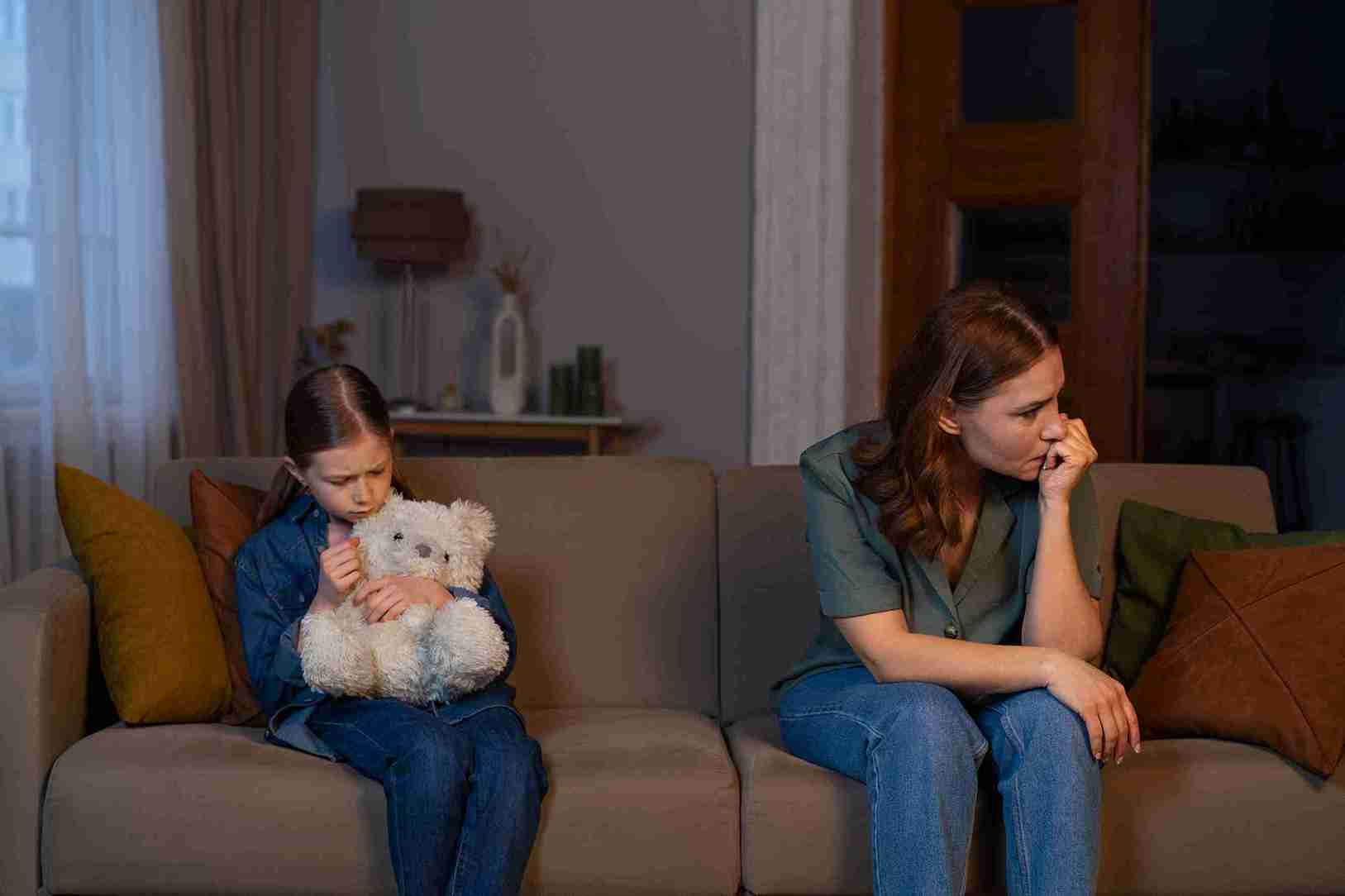
Inadequate sleep in a child affects their emotional well-being by causing emotional instability. Sleep-deprived children are more frustrated, have mood swings and are irritable. They are sensitive, indulge in frequent crying and are unable to regulate emotions, making it hard to stay calm in difficult situations. This impacts their social skills, as they cannot positively engage in social interaction.
The brain creates both dopamine and serotonin to assist with the control of mood and the balance of emotions. When a child does not get ample sleep, the brain is unable to deliver these at healthy levels, making it difficult to stay steady and calm. Chronic sleep deprivation affects mood, makes the child lose interest in activities, reduces energy, and also causes concentration issues and anxiety. Many studies indicate that long-term sleep problems in children are likely to cause depression.
Sleep deprivation can cause ADHD like symptoms, such as hyperactivity, impulsivity and lack of focus. Teachers are the first ones to recognise these symptoms in the classroom as the kids act without thinking, interrupt more or struggle to sit still in class. When a child has poor sleep quality, learning new skills will become very challenging. They may experience memory lapses and attention-deficit disorders. They can end up being labelled as having learning disabilities or even misdiagnosed with ADHD, when in reality, it's just a matter of not getting adequate quality sleep.
When children are tired from a lack of quality sleep. They struggle to self-regulate their own emotions and could even fail to recognise other people's emotions. Also, they could misinterpret difficult situations, misread social cues, and have decreased patience and sympathy. This results in sibling and peer conflicts and an inability to maintain healthy friendships or relationships.
● Childhood insomnia: Where a child has difficulty both falling and staying asleep. As a result, kids will experience poor memory and attention, possibly exhibit hyperactivity, and have increased risks of insomnia and behavioural issues.
● Obstructive sleep apnea: This affects a child's breathing while sleeping. For example, children may snore, wake gasping for air, or wake up several times during the night. This can lead to poor self-control, disruptive behaviours, aggression, anxiety, and depression.
● Restless legs syndrome: It is a neurological condition that worsens at night and affects a child’s sleep. A child will experience significant problems with attention, social interactions, learning, and overall functioning.
● Delayed sleep phase syndrome: Children with this condition have difficulty falling asleep or cannot stay asleep until many hours after bedtime. They may experience irritability, mood dysregulation, anxiety, and depression.
Sleep disorders can cause overall health issues if not addressed, and can increase the chance of mental health challenges. Consider the help of a professional if challenges persist.
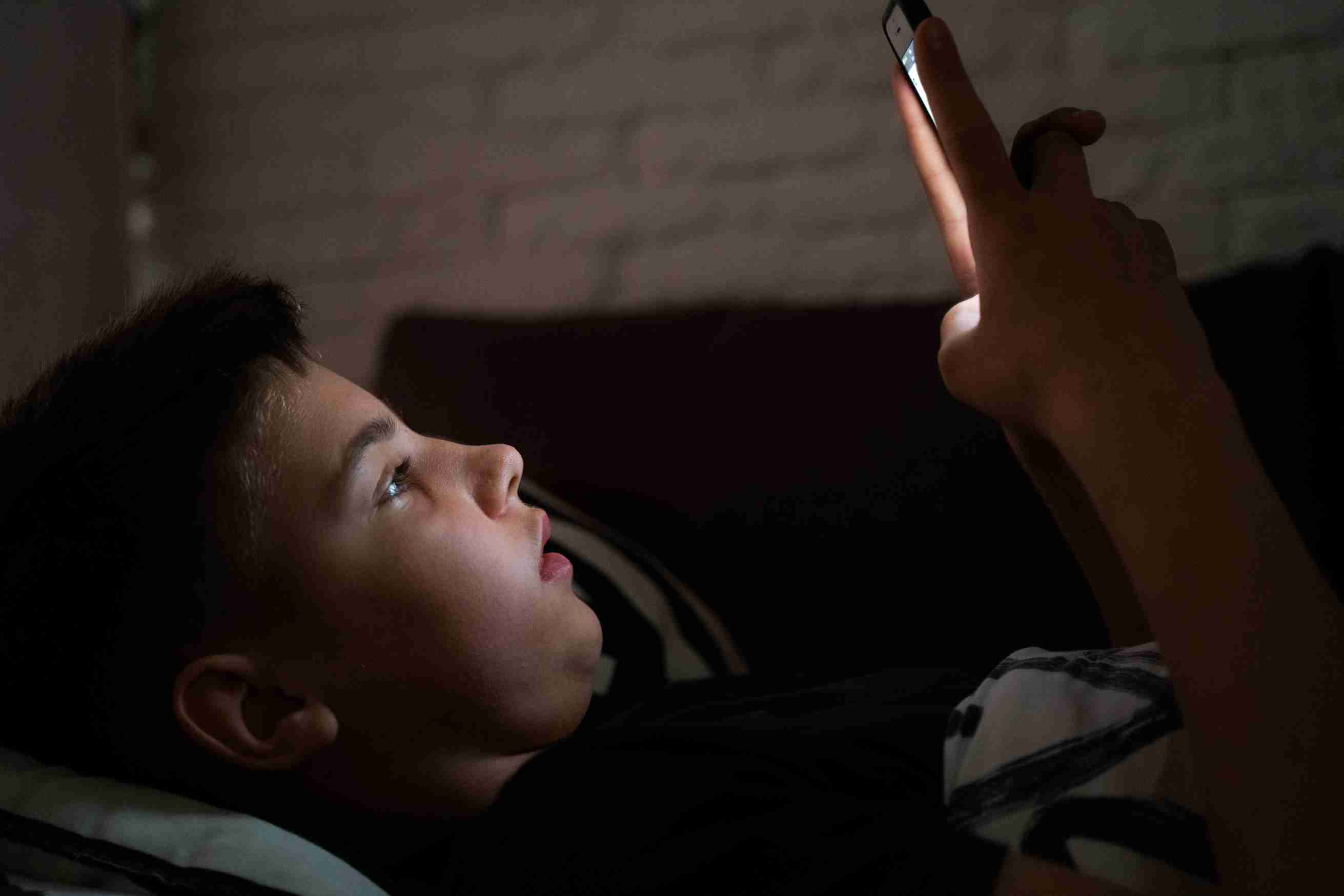
Any changes to normal sleep routines, such as irregular bedtimes or staying up late on weekends, disrupt the kid’s body clock.
The hormone that prepares the body for sleep, melatonin, is disrupted by watching television, playing video games, or using phones and tablets right before bed. The brain is kept alert by bright light from screens, which also delays and lowers the quality of sleep.
Family stress, school pressure, and peer expectations often disturb a child’s sleep. Worries about studies, friendships, or conflicts at home make it harder to relax at night, which leads to trouble falling asleep or waking up through the night.
Discomfort from the bed, pillows, or room temperature can all interfere with a child's ability to sleep. It is also more difficult to fall and stay asleep when there is noise from the outside or inside the house, bright lights, etc.
Children find it more difficult to fall asleep when they consume sugary foods, chocolate, and caffeinated beverages close to bedtime. Low levels of activity during the day, irregular sleep schedules, and late-night screen time all interfere with sound sleep and lower the quality of sleep in general.
Follow a consistent sleep-wake schedule, even on the weekends, to keep the internal clock in check.
Turn screens off at least an hour before bedtime. Choose reading, drawing or quiet time instead.
Gentle music, warm bath, soft storytelling provides downtime, which signals to your brain that it is time to sleep.
A sleep-friendly environment helps kids settle in more quickly. Keep the bedroom quiet, dark, and cool. Cosy bedding, minimal noise along with dim lighting can increase the child's comfort. Keeping screens out of the bedroom is another method to promote mental relaxation before bed.
Ensure that your child is engaged in appropriate physical activity with adequate sun exposure in the morning. Avoid sugary snacks before sleep.
Kids who get emotional support feel much safer and more comfortable. Stress at bedtime needs to be avoided. This can be achieved by listening to the kid's worries and offering reassurance. When there is a regular routine, warm interactions, and frequent check-ins, children are better able to regulate their emotions and sleep better.
Warning signs include fatigue, persistent mood swings, recurrent dreams, difficulty focusing, and other abnormal behaviours that persist for a long period of time. Please consult a professional if the symptoms have persisted for weeks. To avoid long-term problems, it is critical to identify the underlying root causes. With the right help, your child can recover.

Sleep plays a critical role in a child’s emotional, behavioural and mental health. Parents should prioritise a child’s sleep as seriously as nutrition and education. Small changes in bedtime routine and lifestyle can significantly improve your child’s emotional and mental health and quality of life.

Sleep is essential as it supports brain function, emotional regulation and behavioural stability.
The amount of sleep children need depends on their age. Babies (4-12 months) need 12 to 16 hours of sleep, while teenagers (13-18 years) need 8 to 10 hours of sleep.
Yes, certain age groups are more vulnerable. A strong association between sleep and mental health is seen in early childhood (3-5 years) and adolescence (12-17 years).
Irritability, frequent crying, mood swings, and emotional sensitivity are some signs that your child’s sleep is affecting mental health.







 Best Gynecologists in Bellandur Best Gynecologists in Electronic City Best Gynecologists in HRBR LayoutBest Gynecologists in Jayanagar Best Gynecologists in Kanakapura RoadBest Gynecologists in Malleswaram Best Gynecologists in Nagarbhavi Best Gynecologists in Old Airport RoadBest Gynecologists in Sahakarnagar Best Gynecologists in Sarjapur RoadBest Gynecologists in ThanisandraBest Gynecologists in Varthur RoadBest Gynecologists in Whitefield Best Gynecologists in Industrial Area Phase IIBest Gynecologists in OMRBest Gynecologists in T NagarBest Gynecologists in New Industrial TownBest Gynecologists in IndirapuramBest Gynecologists in Golf Course RoadBest Gynecologists in Sector 14Best Gynecologists in Sector 47Best Gynecologists in Banjara HillsBest Gynecologists in GachibowliBest Gynecologists in Hitech CityBest Gynecologists in KompallyBest Gynecologists in Gomti NagarBest Gynecologists in MaladBest Gynecologists in NerulBest Gynecologists in VashiBest Gynecologists in Kailash ColonyBest Gynecologists in PatparganjBest Gynecologists in Punjabi BaghBest Gynecologists in VikaspuriBest Gynecologists in Gaur CityBest Gynecologists in Pari ChowkBest Gynecologists in Sector 51Best Gynecologists in Sector 5 Swastik ViharBest Gynecologists in Kalyani NagarBest Gynecologists in SB RoadBest Gynecologists in Pimple SaudagarBest Pediatricians in BellandurBest Pediatricians in Electronic CityBest Pediatricians in HRBR LayoutBest Pediatricians in JayanagarBest Pediatricians in Kanakapura RoadBest Pediatricians in MalleswaramBest Pediatricians in NagarbhaviBest Pediatricians in Old Airport RoadBest Pediatricians in SahakarnagarBest Pediatricians in Sarjapur RoadBest Pediatricians in ThanisandraBest Pediatricians in Varthur RoadBest Pediatricians in WhitefieldBest Pediatricians in Industrial Area Phase IIBest Pediatricians in OMRBest Pediatricians in T NagarBest Pediatricians in New Industrial TownshipBest Pediatricians in IndirapuramBest Pediatricians in Golf Course RoadBest Pediatricians in Sector 14Best Pediatricians in Sector 47Best Pediatricians in Hitech CityBest Pediatricians in Banjara HillsBest Pediatricians in GachibowliBest Pediatricians in KompallyBest Pediatricians in Gomti NagarBest Pediatricians in MaladBest Pediatricians in NerulBest Pediatricians in VashiBest Pediatricians in Kailash ColonyBest Pediatricians in PatparganjBest Pediatricians in Punjabi BaghBest Pediatricians in VikaspuriBest Pediatricians in Gaur CityBest Pediatricians in Pari ChowkBest Pediatricians in Sector 51Best Pediatricians in Sector 5 Swastik ViharBest Pediatricians in Kalyani NagarBest Pediatricians in SB RoadBest Pediatricians in Pimple Saudagar


