






In the past days, more than 6000 people across the country have been affected by the H1N1 virus or Swine Flu. The virus, this time, has even defied its survival limitations and continues to spread despite rising temperatures. However, by keeping an eye on common symptoms and following some basic hygiene measure, you can easily protect yourself and your family from this virus. Here is a quick summary of what H1N1 is and what you can do to protect your family against it.
Considerations for the Best Gynecological treatment in Gurgaon.

Swine flu is a very contagious respiratory disease. The swine flu virus is common throughout pig populations worldwide. However, the H1N1 virus that has caused the current outbreak can also affect people. People with regular exposure to pigs are at an increased risk of swine flu infection.

The reason why there is such a big concern about the current outbreak of swine flu is that it is now spreading from person to person.
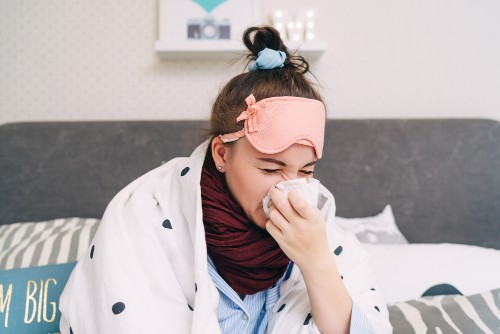
Some people with H1N1 virus only have mild symptoms while others can develop complications such as dehydration, pneumonia and in extreme cases death.
The symptoms of swine flu are fever, tiredness, cough, headache, muscles and joint pain. H1N1 flu can also cause acute abdominal pain, diarrhoea and vomiting. Fever due to H1N1 flu can be very high. If your child has H1N1 flu, his fever could go above 102.5 degrees F.
Must read - How to protect your children from germs?

H1N1 flu spreads from person to person in the same way as any other flu: through coughing and sneezing of infected people. Swine flu is very contagious and spreads easily. Eating or preparing pork doesn’t spread the H1N1 virus.
Call your doctor if your child shows symptoms of H1N1 flu and explain the symptoms. Tell your doctor how old your child is and whether he/she has any other health problems. Let your doctor know if you contacted anyone who has tested positive for H1N1 flu. Your doctor may ask you to take your child to the hospital to get tested for H1N1.
You can also join our Cloudnine Community to discuss and get more information about - Maternity related topics & Pregnancy related groups.
If your child has H1N1 swine flu, make sure he/she gets lots of rest and give him/her plenty of fluids to avoid dehydration. If he/she is breastfed, offer him/her breast milk, and if he/she is formula-fed, give him/her formula and cooled boiled water. If your child is on solids, encourage him/her to eat if he/she feels like.Antiviral vaccines will relieve the symptoms and help your child to recover faster.
Must read - What are The Most Common Throat Troubles?
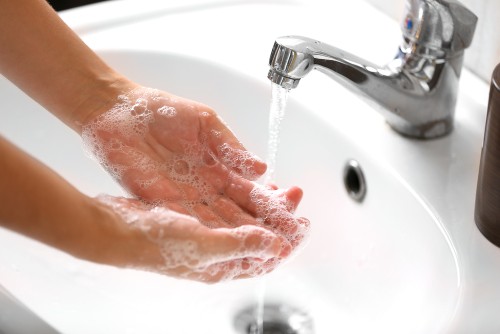
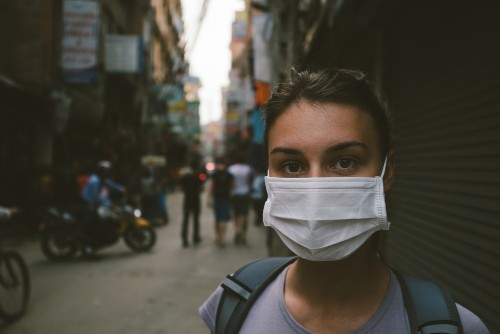
If your child has H1N1 flu, you could prevent it from spreading to others by making sure:
Must read - What are some of the prenatal precautions to prevent infection?
Good news, now you can shop right away from wide range of products on Cloudnine Momeaze.
Want to consult the Best Pediatricians in India? Please find the links below.

H1N1 flu severity varies - some people have mild symptoms while others develop serious complications, including dehydration, pneumonia, and in extreme cases, death. The virus is very contagious and spreads easily from person to person. A high fever above 102.5°F is common, making it a concerning respiratory disease.
Yes, H1N1 is the same as swine flu. H1N1, a specific influenza virus, initially infected swine (i.e., pigs), and early transmission was through close contact with pigs; hence the name "swine flu." However, after mutation, the virus spread among the human population, and it is still called swine flu.
Yes, persons infected with H1N1 must isolate themselves, as the infection spreads through respiratory droplets when a person coughs or sneezes. It is highly recommended to stay at home in a separate room and avoid contact with others for 7-10 days or 24 hours after the fever subsides, even without medication, to prevent the spread of infection.
Yes, you can treat H1N1 at home if you have mild symptoms. Sufficient rest, hydration, and medications for fever, headache, and congestion, along with isolation, can help treat the infection at home. However, you may need medical help when you suffer from chest pain, breathing difficulty, confusion and dizziness.


 Best Gynecologists in Bellandur Best Gynecologists in Electronic City Best Gynecologists in HRBR LayoutBest Gynecologists in Jayanagar Best Gynecologists in Kanakapura RoadBest Gynecologists in Malleswaram Best Gynecologists in Nagarbhavi Best Gynecologists in Old Airport RoadBest Gynecologists in Sahakarnagar Best Gynecologists in Sarjapur RoadBest Gynecologists in ThanisandraBest Gynecologists in Varthur RoadBest Gynecologists in Whitefield Best Gynecologists in Industrial Area Phase IIBest Gynecologists in OMRBest Gynecologists in T NagarBest Gynecologists in New Industrial TownBest Gynecologists in IndirapuramBest Gynecologists in Golf Course RoadBest Gynecologists in Sector 14Best Gynecologists in Sector 47Best Gynecologists in Banjara HillsBest Gynecologists in GachibowliBest Gynecologists in Hitech CityBest Gynecologists in KompallyBest Gynecologists in Jawahar NagarBest Gynecologists in Gomti NagarBest Gynecologists in Phase 3, Sector 58Best Gynecologists in MaladBest Gynecologists in NerulBest Gynecologists in VashiBest Gynecologists in Kailash ColonyBest Gynecologists in PatparganjBest Gynecologists in Punjabi BaghBest Gynecologists in RohiniBest Gynecologists in VikaspuriBest Gynecologists in Gaur CityBest Gynecologists in Pari ChowkBest Gynecologists in Sector 51Best Gynecologists in Sector 5 Swastik ViharBest Gynecologists in Kalyani NagarBest Gynecologists in SB RoadBest Gynecologists in Pimple SaudagarBest Pediatricians in BellandurBest Pediatricians in Electronic CityBest Pediatricians in HRBR LayoutBest Pediatricians in JayanagarBest Pediatricians in Kanakapura RoadBest Pediatricians in MalleswaramBest Pediatricians in NagarbhaviBest Pediatricians in Old Airport RoadBest Pediatricians in SahakarnagarBest Pediatricians in Sarjapur RoadBest Pediatricians in ThanisandraBest Pediatricians in Varthur RoadBest Pediatricians in WhitefieldBest Pediatricians in Industrial Area Phase IIBest Pediatricians in OMRBest Pediatricians in T NagarBest Pediatricians in New Industrial TownshipBest Pediatricians in IndirapuramBest Pediatricians in Golf Course RoadBest Pediatricians in Sector 14Best Pediatricians in Sector 47Best Pediatricians in Hitech CityBest Pediatricians in Banjara HillsBest Pediatricians in GachibowliBest Pediatricians in KompallyBest Pediatricians in Jawahar NagarBest Pediatricians in Gomti NagarBest Pediatricians in Phase 3, Sector 58Best Pediatricians in MaladBest Pediatricians in NerulBest Pediatricians in VashiBest Pediatricians in Kailash ColonyBest Pediatricians in PatparganjBest Pediatricians in Punjabi BaghBest Pediatricians in RohiniBest Pediatricians in VikaspuriBest Pediatricians in Gaur CityBest Pediatricians in Pari ChowkBest Pediatricians in Sector 51Best Pediatricians in Sector 5 Swastik ViharBest Pediatricians in Kalyani NagarBest Pediatricians in SB RoadBest Pediatricians in Pimple Saudagar


